Table of Contents
- In the Social Media Era, Beautiful Fabric Must Also Communicate Visually
- Why Do Some Lace and Embroidery Fabrics Stand Out More Than Others?
- 8 Lace and Embroidery Fabrics That Stand Out Particularly Well
- 1. Guipure Lace — Strong Texture and Clearly Defined Motifs
- 2. Chantilly Lace — Delicate, Romantic and Refined
- 3. Embroidered Fabric — Detail That Communicates Craftsmanship
- 4. Tulle Lace and Fancy Tulle — Lightweight Decoration
- 5. Organza and Structured Sheer Fabrics
- 6. Cotton Lace and Eyelet — Natural Texture for Warm Climates
- 7. Metallic and Embellished Lace — Strong Visual Impact
- 8. Multicolor and Appliqué Lace — Strong Pattern Identity
- Which Colors Work Best With Lace and Embroidery?
- White and Ivory
- Why Can a Beautiful Lace Fabric Sometimes Look Less Impressive Online?
- Social Media Should Influence Fabric Selection — But Not Control It
- What Do Fashion Fabric Trends 2026 Tell Us?
- If You Had to Choose the Most Visually Effective Lace, Which Would It Be?
- United Lace: Turning Fabric Character Into Brand Identity
- Conclusion: In the Digital Fashion World, Fabric Has Become a Visual Language
- FAQs
In the Social Media Era, Beautiful Fabric Must Also Communicate Visually
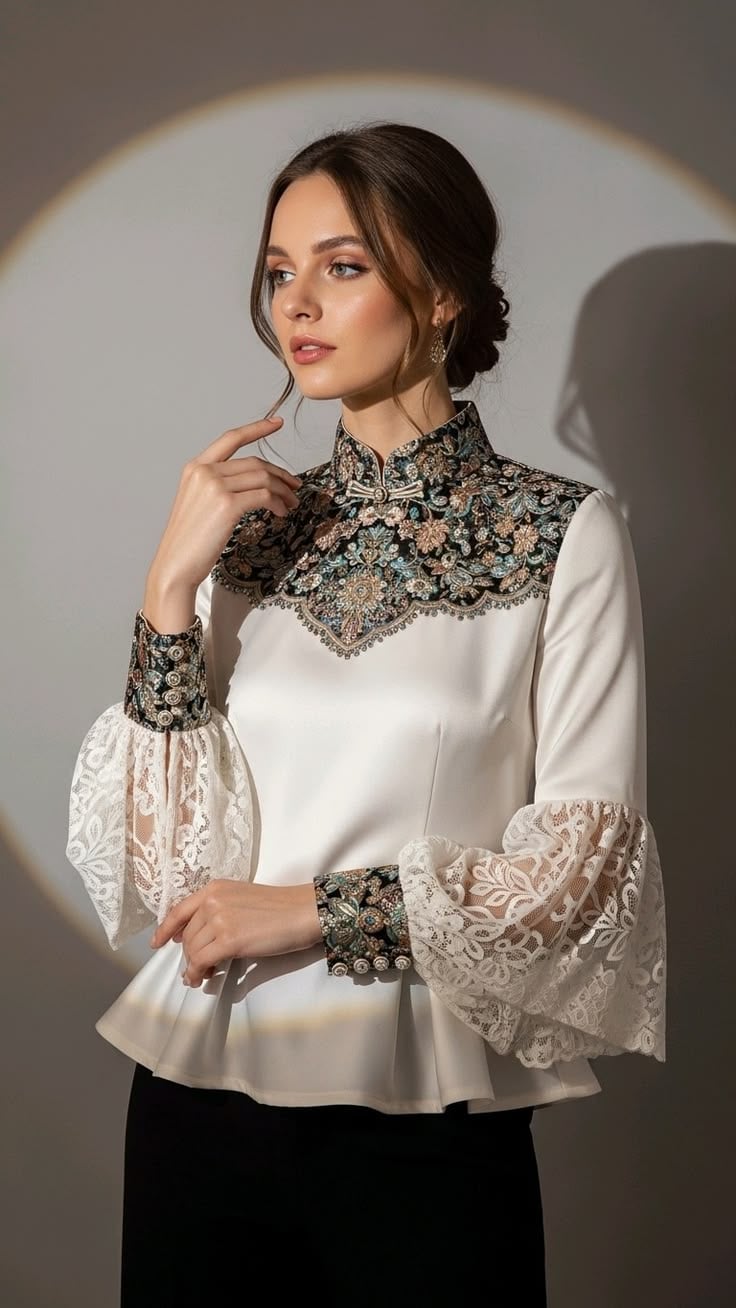
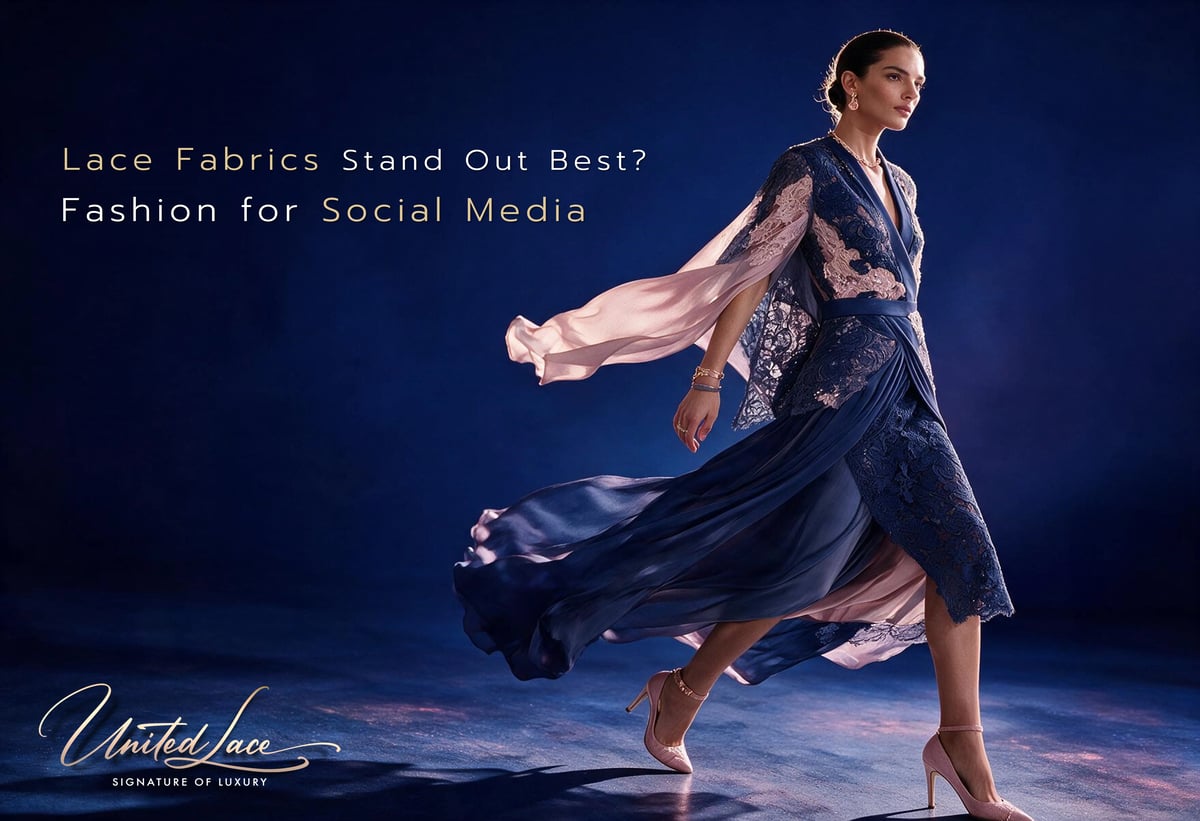
In the age of social media, a garment can no longer rely only on looking attractive in person. Increasingly, its character must also communicate clearly through a screen.
Fashion today is discovered through:
- TikTok
- Reels
- YouTube Shorts
- Online catalogues
- Lookbooks
- Live commerce
- Fashion-brand websites
This has changed the way designers, garment manufacturers and fashion brands should think about fabric.
A textile may feel luxurious when touched by hand yet appear relatively understated when reduced to a small image on a mobile phone. Conversely, some fabrics that look quite simple on a hanger become far more expressive when their texture, transparency, embroidery, surface relief or movement becomes visible.
The reason is simple.
People viewing fashion online cannot physically touch the material.
Instead, the fabric communicates through visible qualities such as:
texture, sheen, contrast, transparency, drape, color and movement.
For fashion businesses, fabric selection today is therefore not only about comfort, construction and aesthetics. It is also about whether the textile can express its character visually.
This is especially important for lace and embroidery fabrics, because much of their value lies in motifs, threadwork, negative space, dimensional surfaces and craftsmanship.
As a long-established specialist in lace and embroidery fabrics, United Lace works with designers, garment manufacturers, fabric businesses and fashion brands that need to consider these characteristics not just aesthetically, but commercially.
Why Do Some Lace and Embroidery Fabrics Stand Out More Than Others?
A fabric does not need to be the most expensive or heavily decorated material in a collection to make an impression.
The more important question is whether its character remains visually recognizable.
For lace and embroidery, four properties are especially important:
Texture + Sheen + Drape + Transparency
1. Texture — One of the Strongest Qualities of Lace and Embroidery
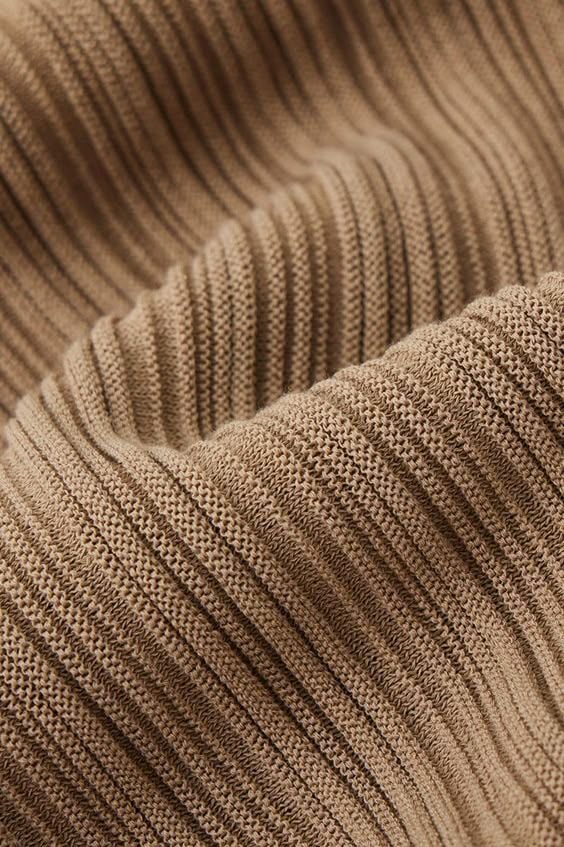
Texture is one of the clearest reasons certain fabrics stand out.
Imagine two garments in exactly the same black color.
One is made from a smooth, flat textile.
The other is constructed from raised Guipure lace or embroidery with visible threadwork and open areas.
Although both garments may technically be the same color, the second usually appears much more dimensional.
This is because its surface naturally creates differences between raised and recessed areas.
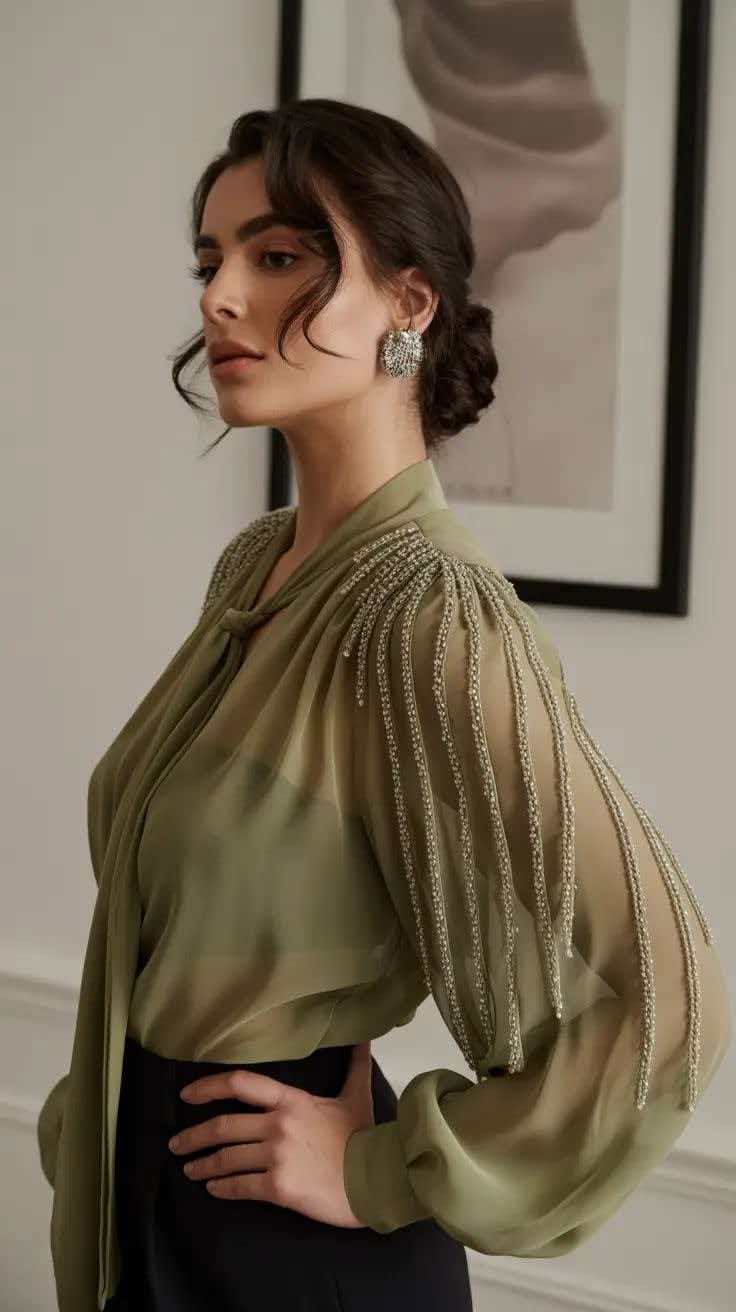
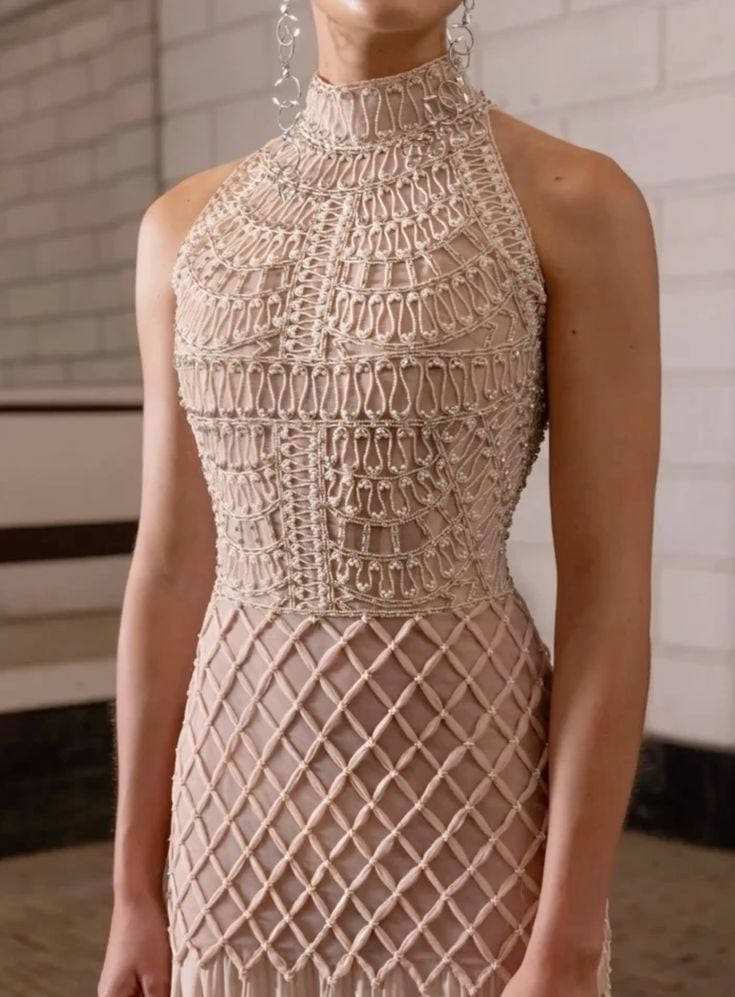
Textured fabrics such as:
- Guipure Lace
- Embroidered Lace
- Eyelet
- Corded Lace
- Embellished Lace
- Jacquard
- Brocade
can therefore communicate their structure more clearly than completely smooth surfaces.
For lace in particular, texture becomes part of the garment's design language.
A dense Guipure floral motif can communicate strength and structure.
A delicate Chantilly floral pattern communicates softness and refinement.
A raised embroidered flower creates dimensionality.
An Eyelet pattern gives a lighter, fresher and more natural character.
United Lace's guide to lace fabrics for modern fashion brands reinforces this idea: different lace structures should be selected according to the identity, silhouette and commercial direction of the collection.
Texture therefore influences not only how the fabric appears, but what the garment communicates about the brand.
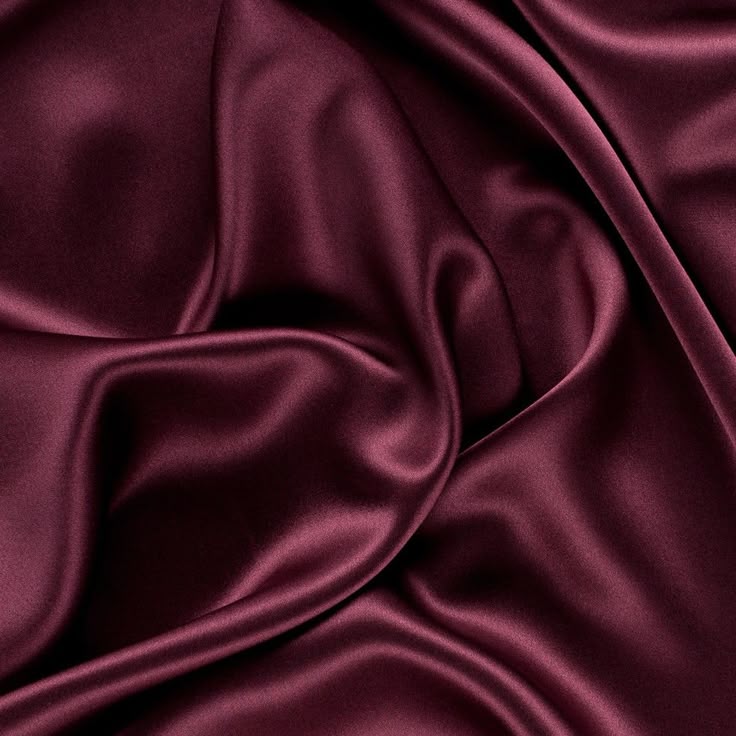
2. Sheen — How Lace and Embroidery Respond to Light
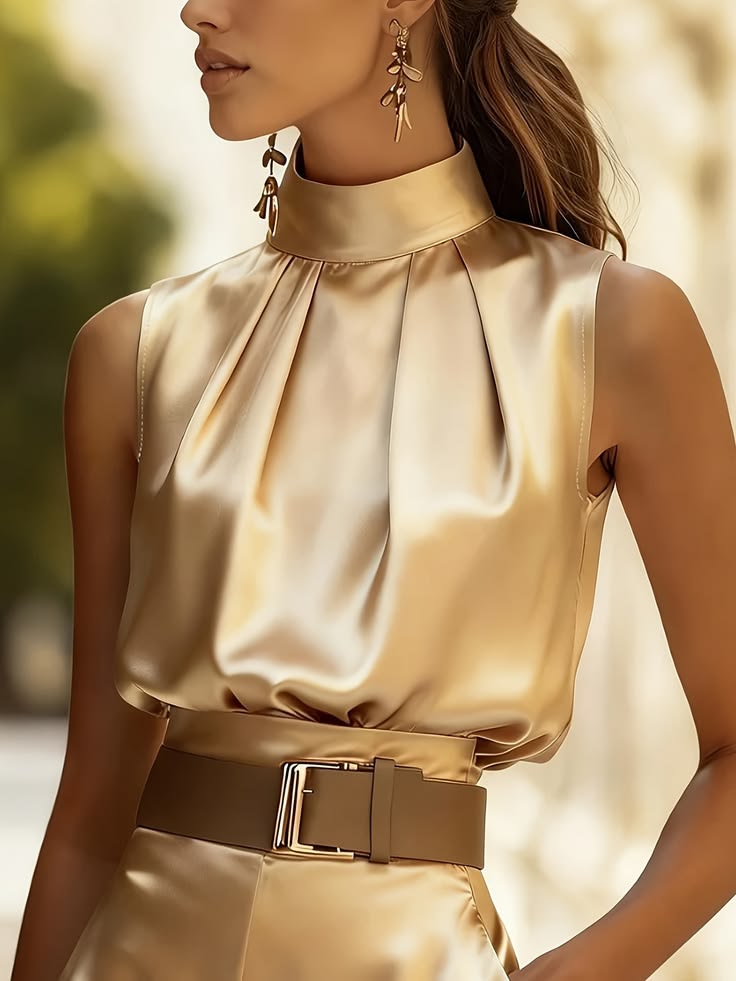
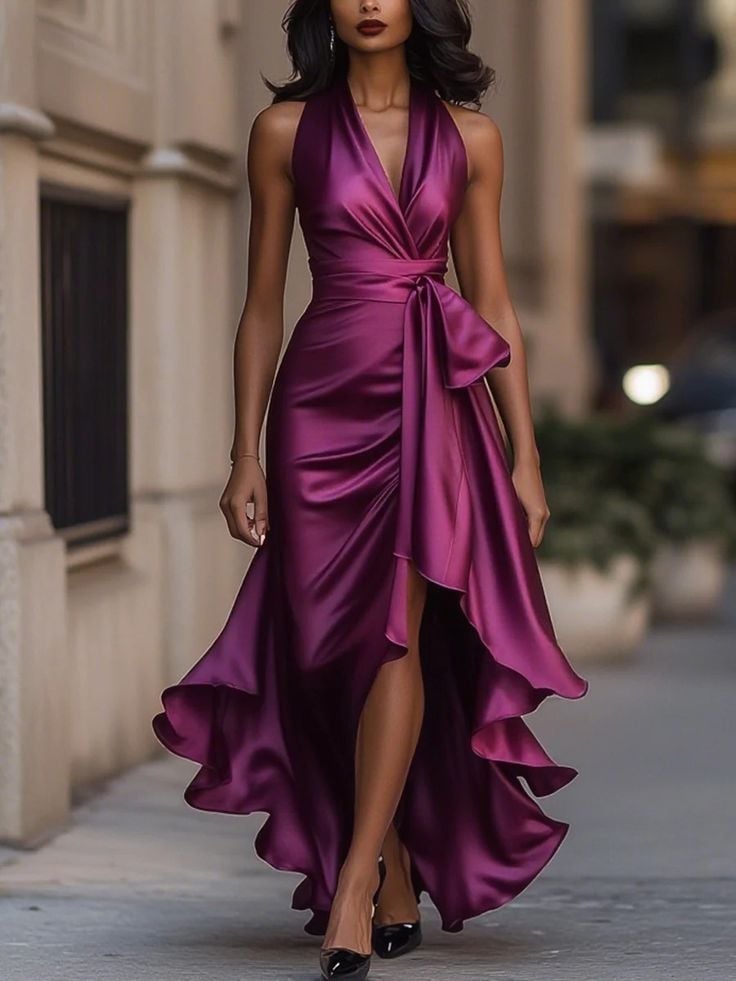
Another important characteristic is surface sheen.
Some fabrics are matte.
Others have a slight lustre.
Still others contain:
- metallic yarns,
- sequins,
- beads,
- crystals,
- lustrous embroidery thread.
The degree of sheen can influence whether a garment feels restrained, luxurious, dramatic or festive.
For example:
Metallic Lace can bring impact to eveningwear.
Beaded or Embellished Lace introduces highlights and dimensional detail.
Fine embroidery can create a quieter sense of craftsmanship.
Cotton Lace offers a more natural matte surface.
The key is balance.
More shine does not automatically equal more luxury.
This is an important theme in United Lace's article on Quiet Luxury Lace: Why Modern Lace Looks “Still—Yet Expensive”.
Contemporary luxury often depends on:
- material quality,
- controlled texture,
- precise motif spacing,
- negative space,
- refined drape,
- carefully restrained embellishment.
For designers, this means a subtle metallic yarn incorporated into embroidery may sometimes create a more premium effect than covering an entire garment in sequins.
3. Drape — Why the Movement of Lace Matters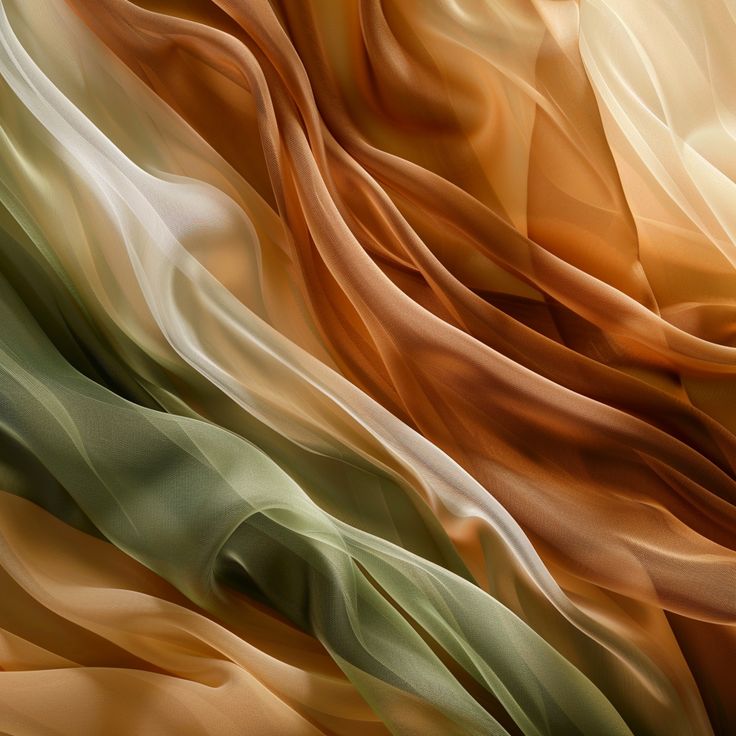
When garments move, drape communicates characteristics that are difficult to understand from a textile swatch alone.
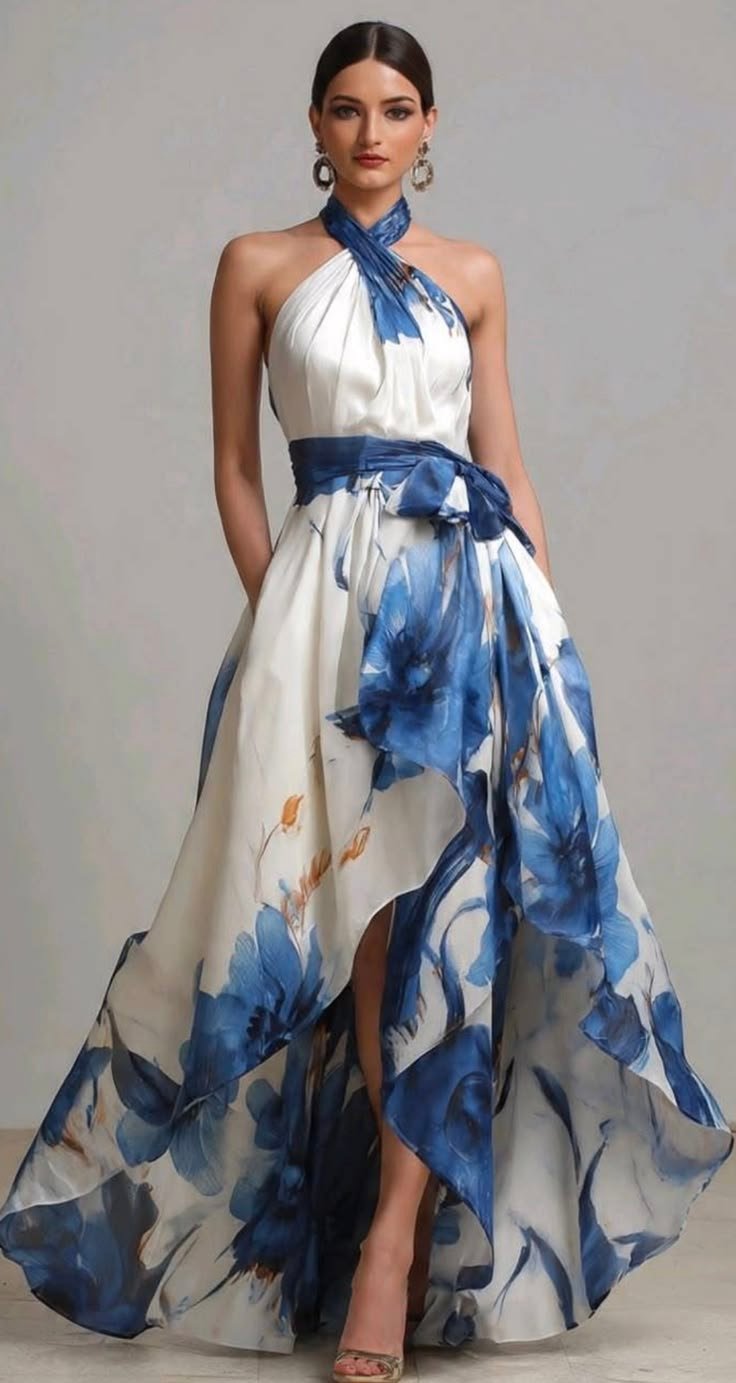
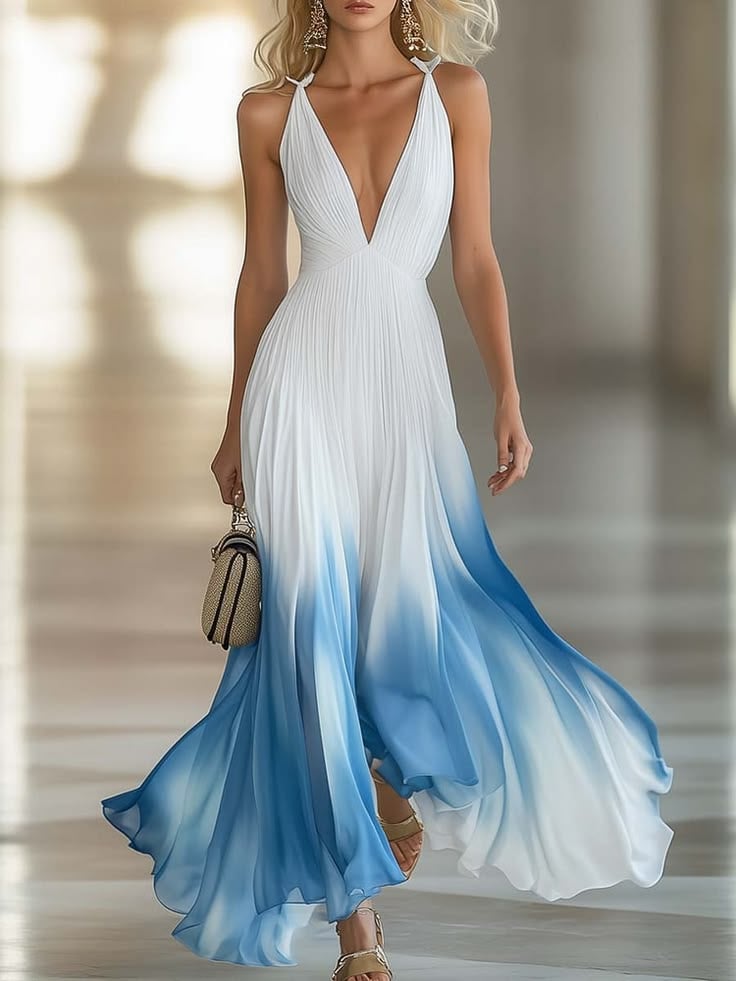
Movement can reveal:
- softness,
- lightness,
- flexibility,
- fluidity,
- volume,
- weight,
- transparency.
Different lace structures behave very differently.
Chantilly Lace
Chantilly Lace is known for its delicate floral motifs, fine threads, sheer ground and softer drape.
This makes it particularly suitable for:
- bridal gowns,
- feminine dresses,
- soft blouses,
- sleeves,
- overlays,
- layered skirts.
Its softness allows the textile to move together with the garment rather than creating a rigid surface.
Tulle Lace
Tulle-based lace is lightweight and airy.
It works particularly well for:
- sleeves,
- overlays,
- veils,
- layered gowns,
- eveningwear.
The tulle foundation gives designers transparency while embroidery or lace motifs provide visual interest.
Guipure Lace
Guipure generally has considerably more structure.
Its defined motifs create less fluid movement than fine Chantilly, but they can provide stronger shape, surface definition and silhouette.
This difference matters greatly for professional fabric sourcing for designers.
A designer should not choose between Chantilly, Guipure and Tulle Lace solely because one pattern appears more attractive.
The textile must also behave correctly in the intended garment.
For a deeper B2B view of these decisions, see United Lace's guide to Fabric Sourcing for Professional Designers.
4. Transparency — One of Lace's Greatest Visual Strengths
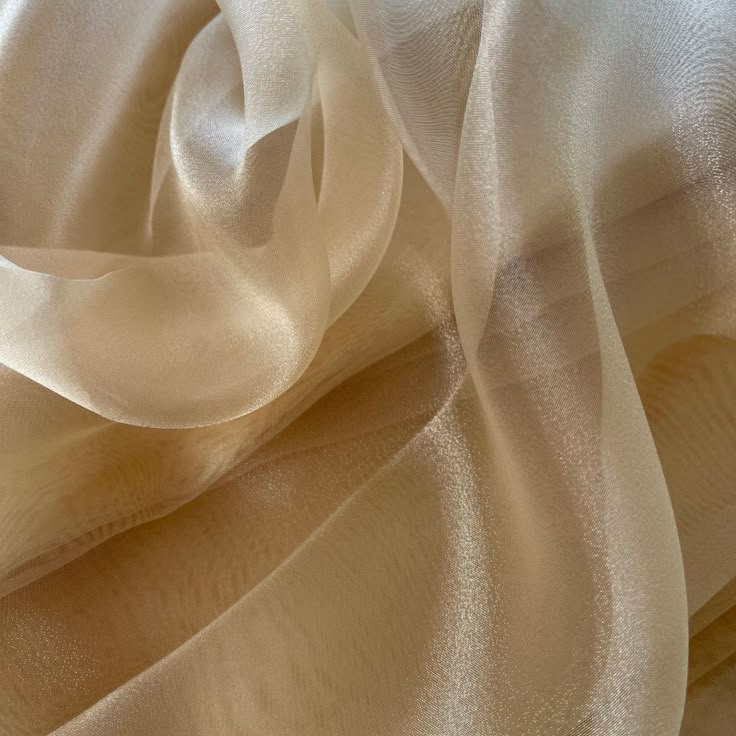
Sheer and semi-sheer constructions naturally create layers.
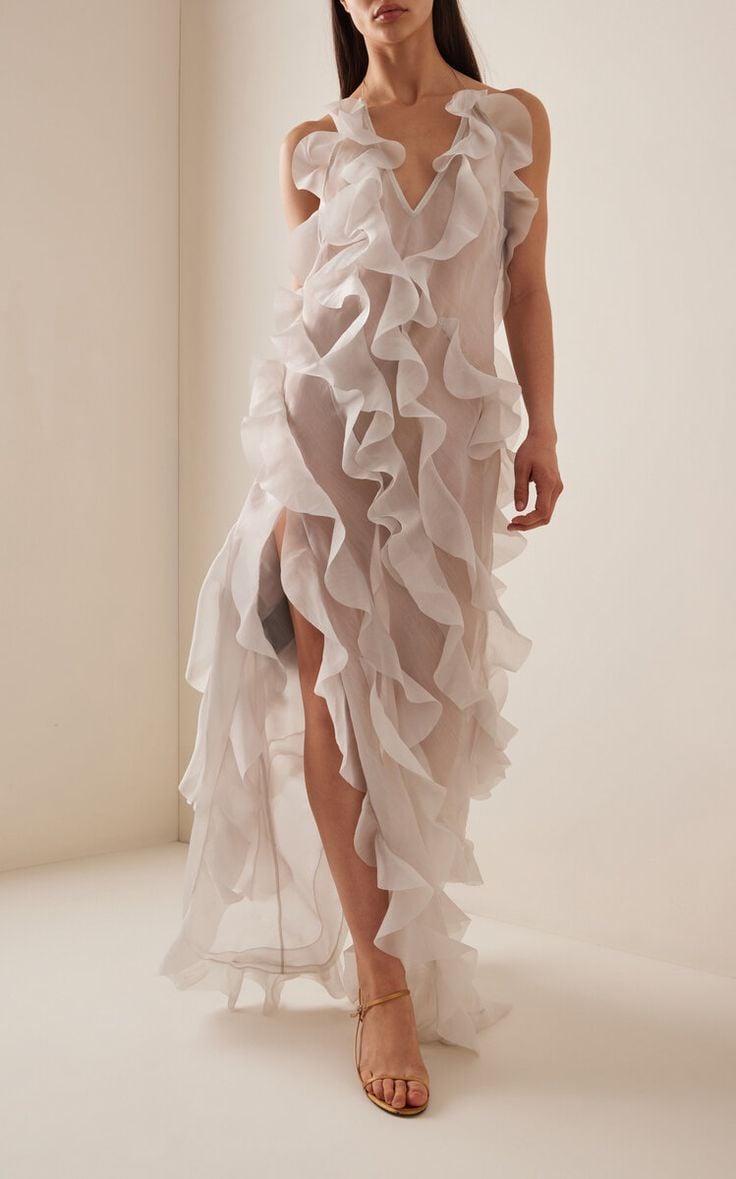
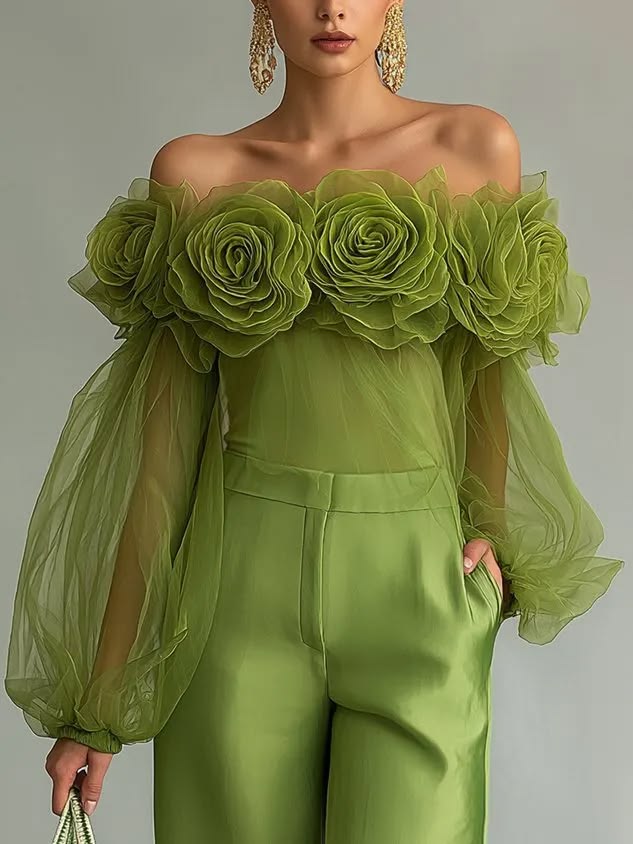
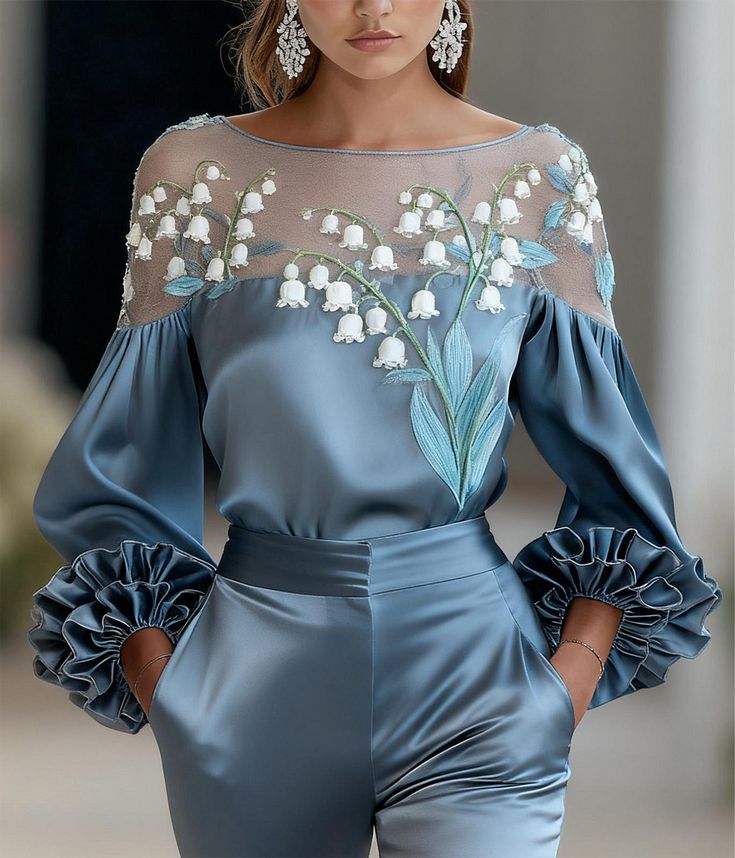
Important examples include:
- Chantilly Lace
- Tulle Lace
- Fancy Tulle
- Tulle Appliqué Lace
- Embroidered Tulle
- Sheer Embroidery
- Organza
Transparency allows several visual elements to coexist.
Consider an embroidered tulle sleeve.
You can simultaneously see:
the embroidered motif + the transparent foundation + the skin or lining underneath.
The embroidery can almost appear to float over the wearer.
This effect is extremely useful for:
- sleeves,
- yokes,
- illusion necklines,
- overlays,
- bridal gowns,
- occasionwear,
- eveningwear,
- modest-fashion layering.
For tropical fashion in particular, lighter transparent constructions can also create a visual impression of airiness.
United Lace discusses this relationship between lightweight materials, layering and warm-weather dressing in its guide to Summer Fashion Trends 2026.
8 Lace and Embroidery Fabrics That Stand Out Particularly Well
There is no single textile that is best for every garment.
Each lace category possesses a different visual strength.
The appropriate choice depends on what a designer wants the collection to communicate.
1. Guipure Lace — Strong Texture and Clearly Defined Motifs
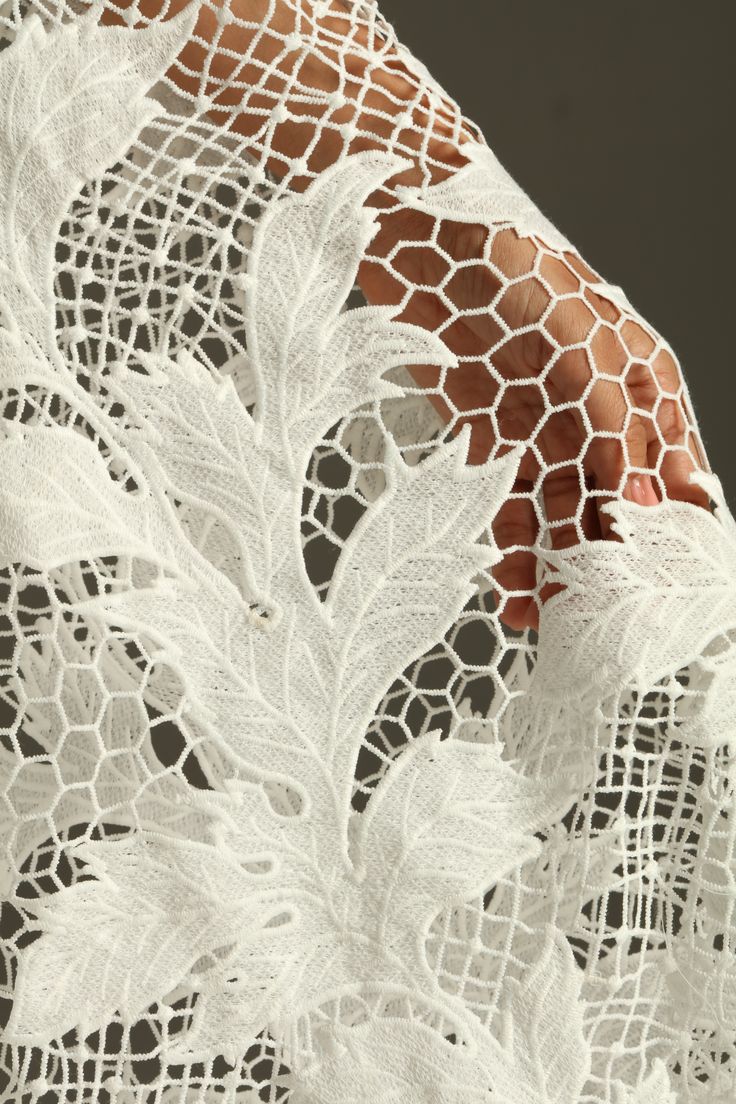
Guipure Lace is one of the strongest categories when designers need visible surface structure.
Its characteristics commonly include:
- raised motifs,
- defined pattern edges,
- stronger body,
- open spaces,
- clear motif architecture.
Unlike many fine laces constructed over a continuous transparent ground, the motifs in Guipure are interconnected and become the dominant structural element.
This gives Guipure a strong identity.
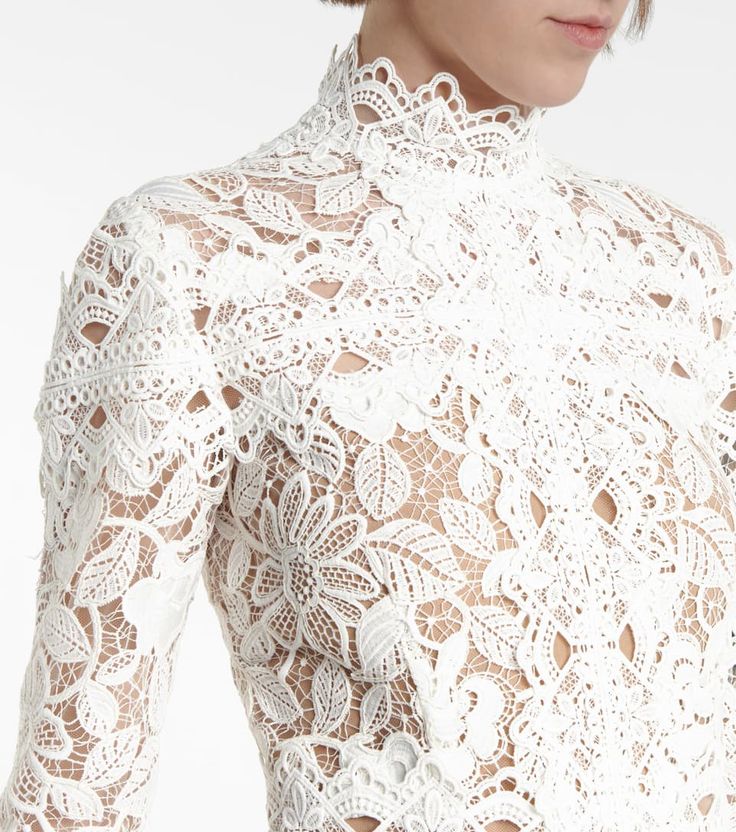
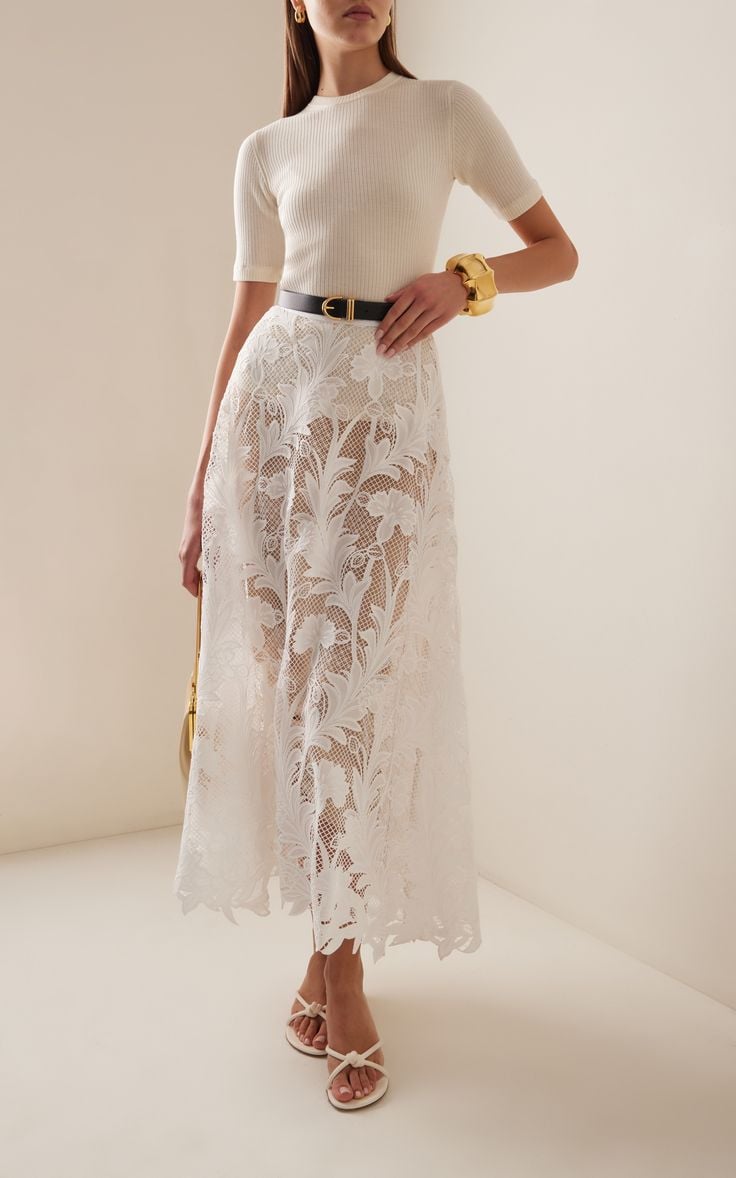
It is particularly suitable for:
- dresses,
- structured blouses,
- skirts,
- jackets,
- statement sleeves,
- occasionwear,
- modern bridalwear.
Medium and larger motifs can remain particularly recognizable when used across a complete garment.
For B2B buyers, Guipure lace for brands should therefore be evaluated according to more than pattern preference.
Important considerations include:
- motif scale,
- density,
- hand-feel,
- weight,
- stability,
- cutting requirements,
- garment application.
United Lace's 2026 trend analysis identifies Guipure as increasingly important not merely as decoration but as a structural fashion material. Designers can explore this shift further in Fabric & Lace Trends 2026 for Thai Fashion Brands.
2. Chantilly Lace — Delicate, Romantic and Refined
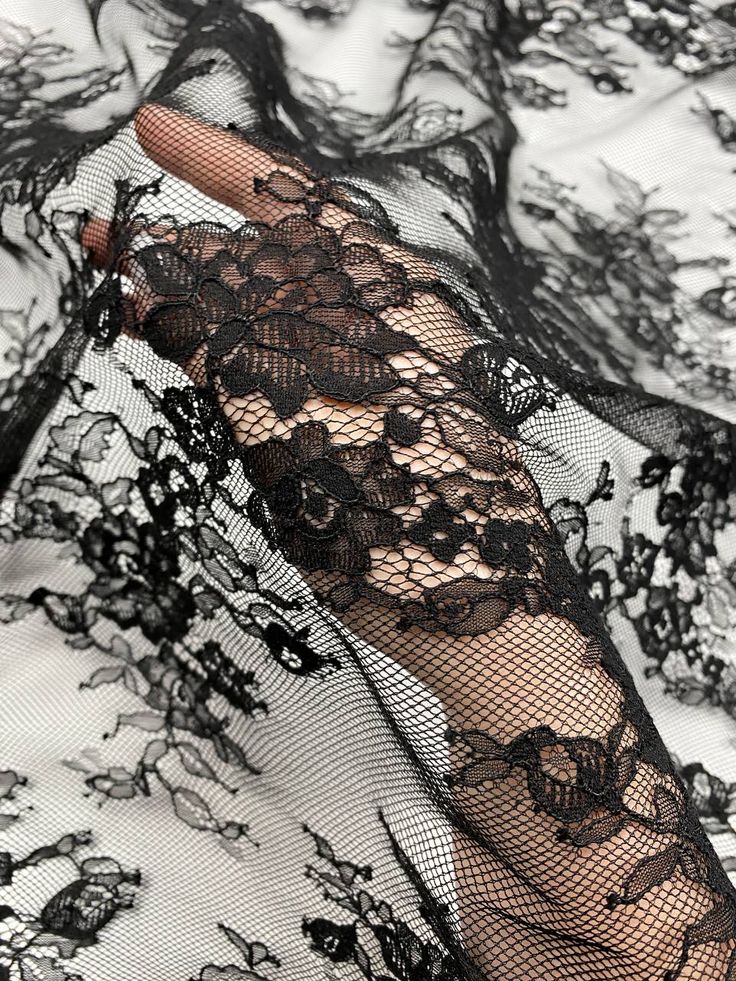
Where Guipure communicates through boldness, Chantilly communicates through delicacy.
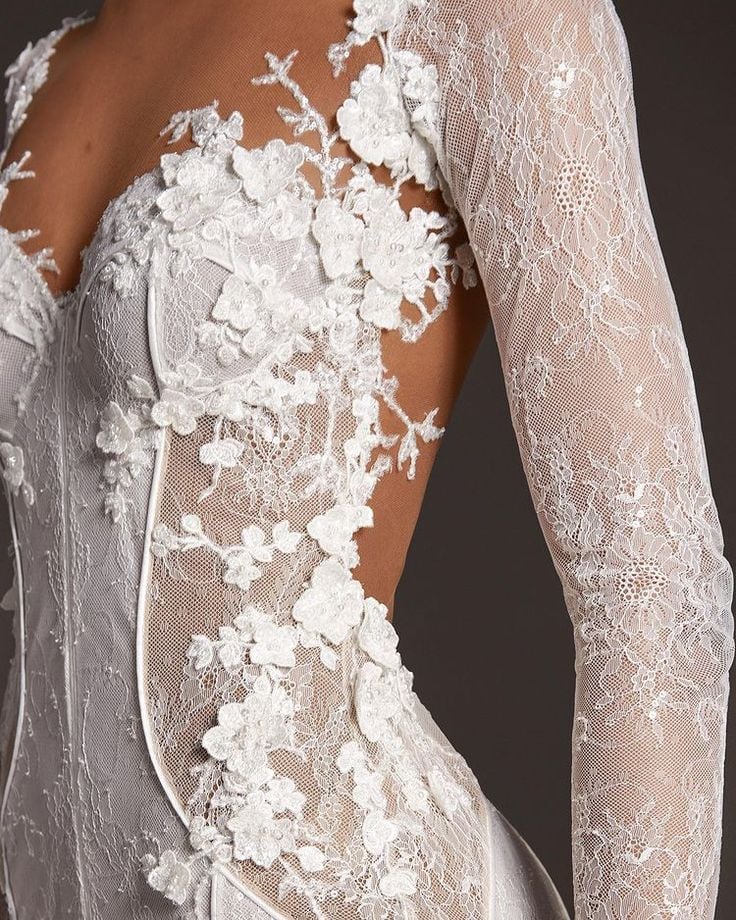
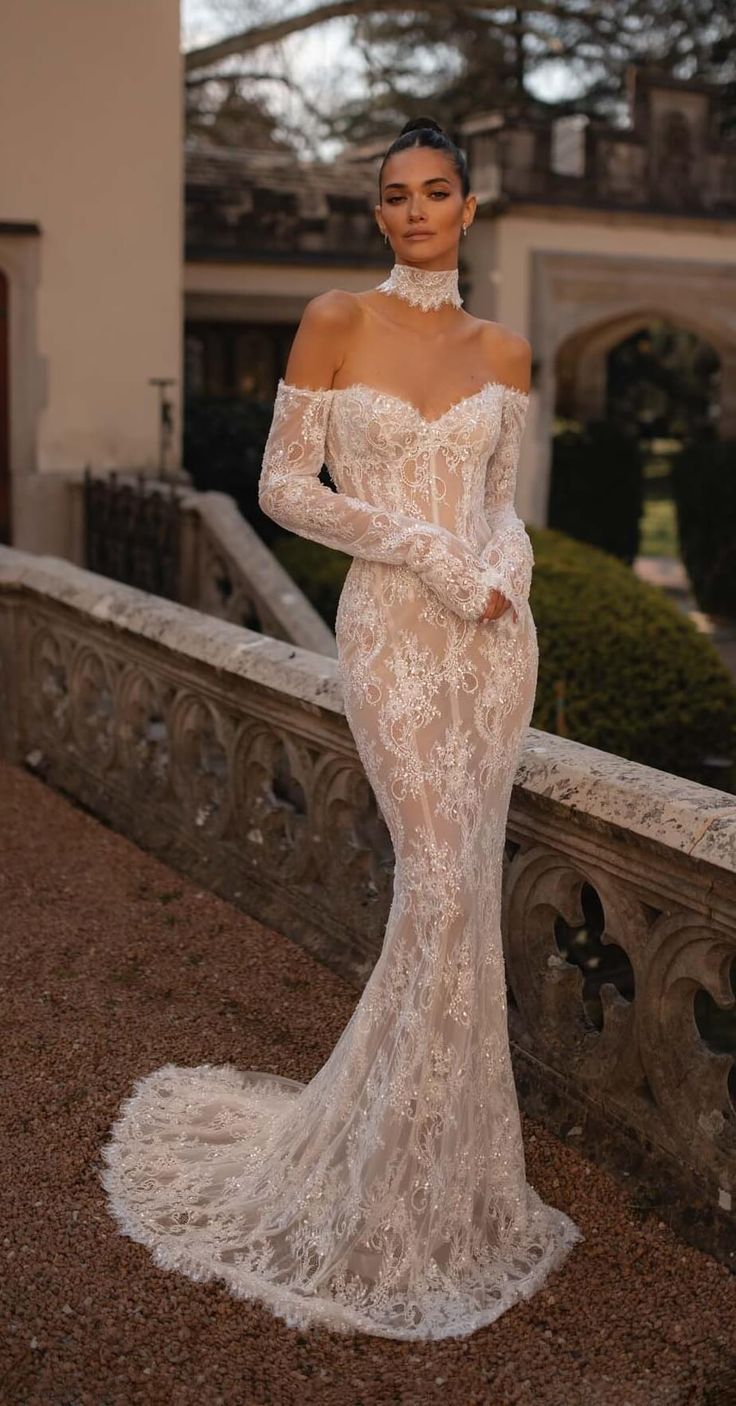
Typical characteristics include:
- fine thread,
- delicate floral motifs,
- transparent ground,
- lightweight structure,
- soft drape.
It works especially well for:
- bridalwear,
- feminine dresses,
- eveningwear,
- blouses,
- sleeves,
- overlays,
- sophisticated occasionwear.
Its beauty does not depend on heavy relief.
Instead, its appeal comes from fine patterning, transparency and softness.
For brands sourcing Chantilly lace fabric wholesale, motif size and density should therefore be considered carefully.
Very fine micro-floral arrangements may create subtle refinement.
Larger motifs can create a more obvious decorative presence.
The choice should depend on the visual language of the brand.
United Lace frequently positions Chantilly alongside Guipure as two very different expressions of premium lace: one airy and delicate, the other more structured and dimensional. Designers exploring both categories can start with the United Lace lace and embroidery collection.
3. Embroidered Fabric — Detail That Communicates Craftsmanship
Embroidery is particularly expressive because it can contain several layers of visible detail:
- thread direction,
- stitch density,
- dimensional stitching,
- thread color,
- beads,
- sequins,
- appliqué,
- layered motifs.
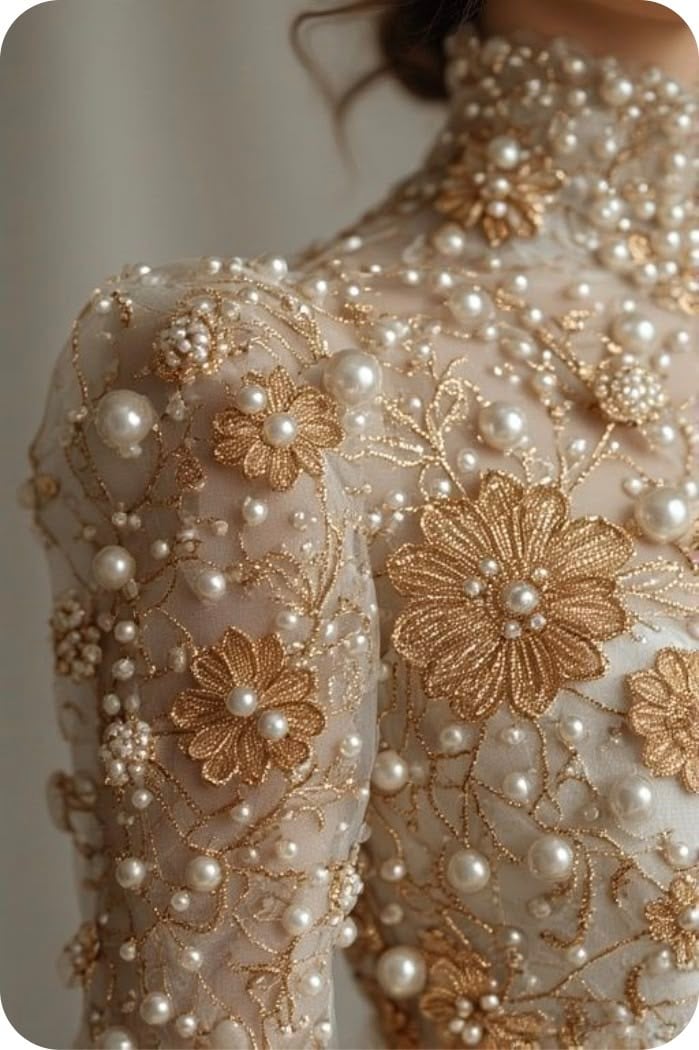
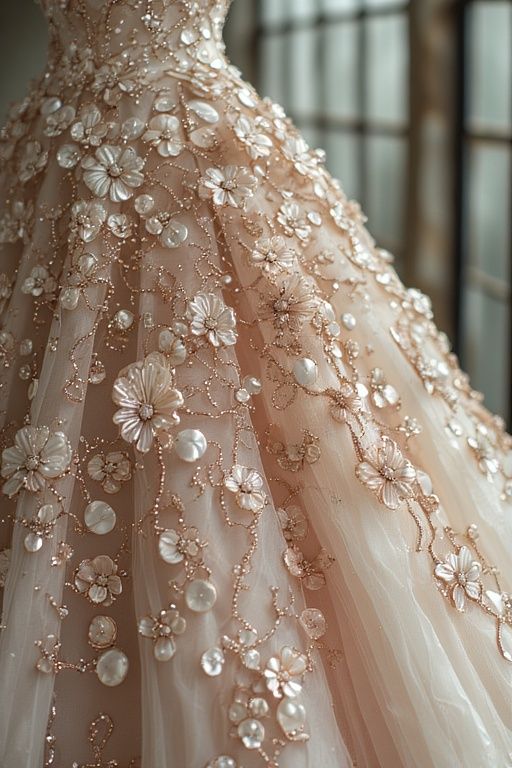
This gives designers substantial creative freedom.
A monochromatic embroidery may communicate understated sophistication.
A multicolor embroidery can become the visual identity of the garment.
Beaded embroidery can support eveningwear.
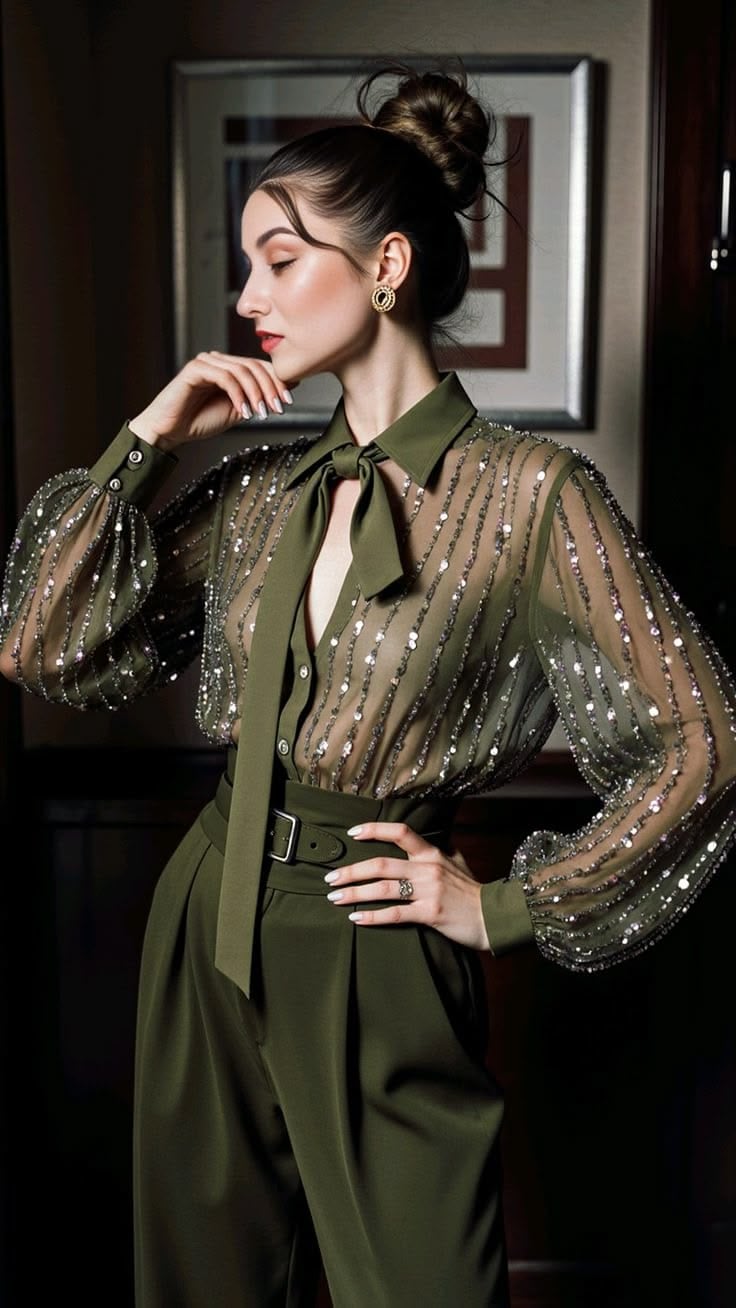
Fine floral embroidery over tulle may create a softer romantic effect.
United Lace has explored the commercial application of embroidery in its article 5 Ways to Use Lace Fabric to Elevate Ready-to-Wear Fashion, including how embroidered materials can give relatively simple silhouettes richer visual value.
For brands, this is important because elaborate garment construction is not always required to create differentiation.
Sometimes the fabric itself carries the design story.
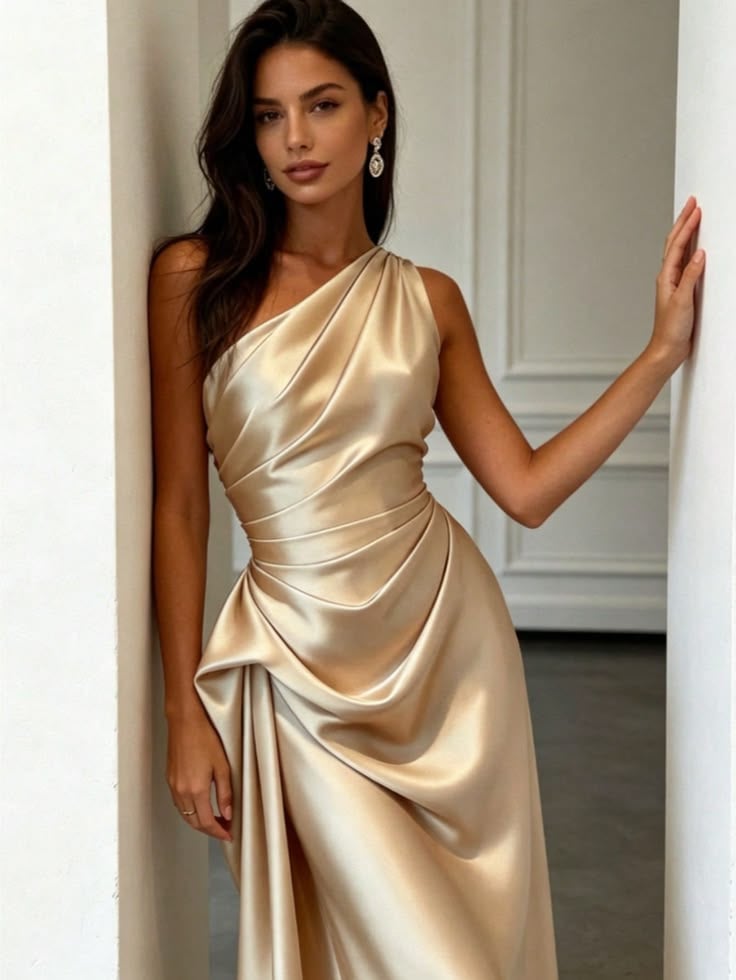
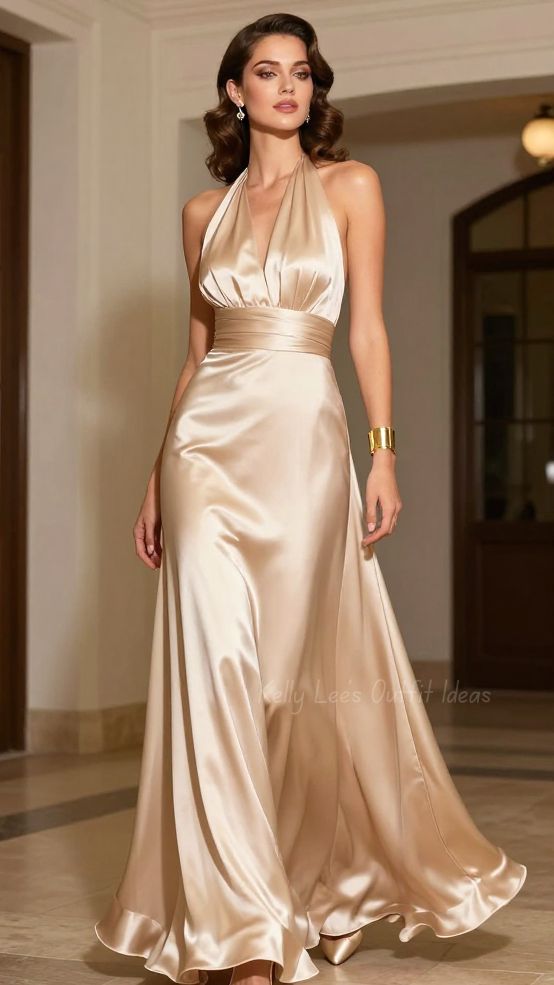
4. Tulle Lace and Fancy Tulle — Lightweight Decoration
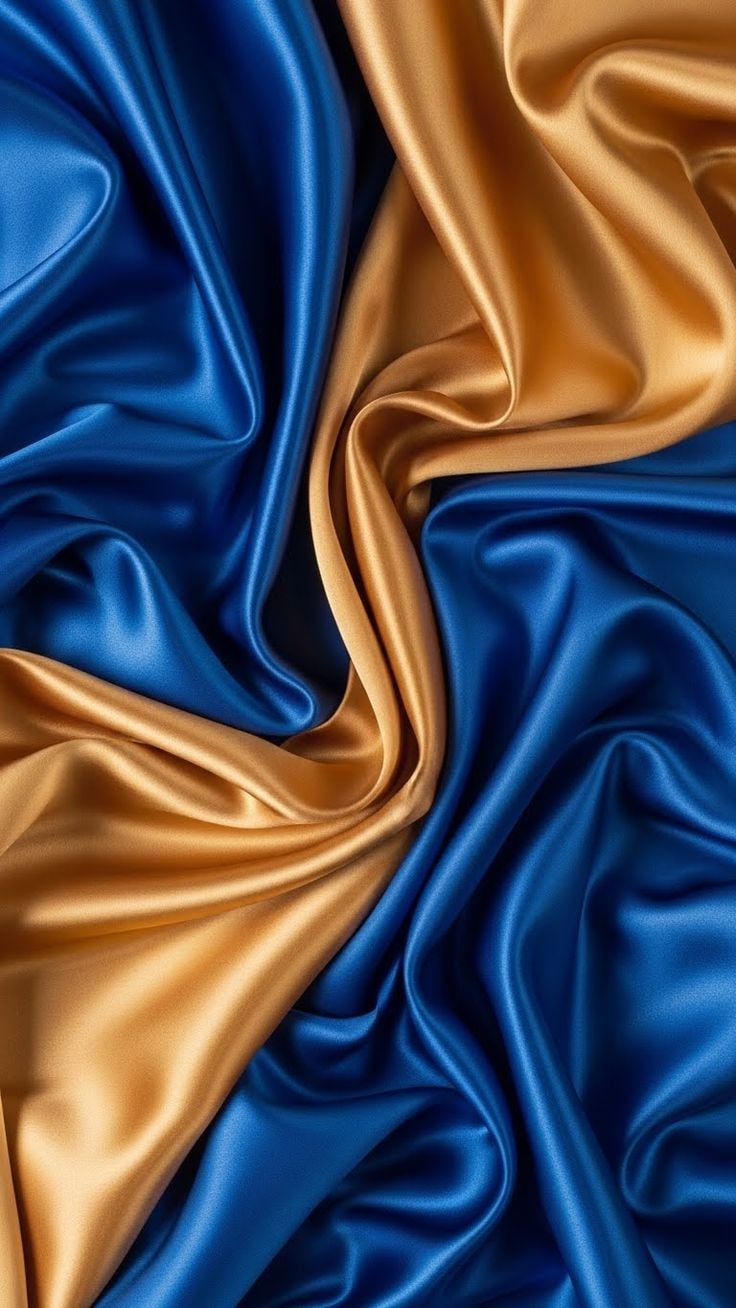
Tulle provides one of the most versatile foundations for embroidery and decorative lace.
It combines:
lightness + transparency + surface opportunity.
Tulle Lace is particularly suitable for:
- sleeves,
- bridal overlays,
- gowns,
- layered dresses,
- eveningwear,
- modest-fashion applications.
Fancy Tulle may incorporate additional elements such as:
- embroidery,
- dots,
- appliqué,
- beads,
- metallic thread.
The advantage is that designers can introduce visible decoration without making the overall textile appear excessively heavy.
For fashion brands seeking a softer and more dimensional alternative to solid fabrics, Tulle Lace can therefore be an important category within a broader wholesale lace fabric Thailand sourcing strategy.
5. Organza and Structured Sheer Fabrics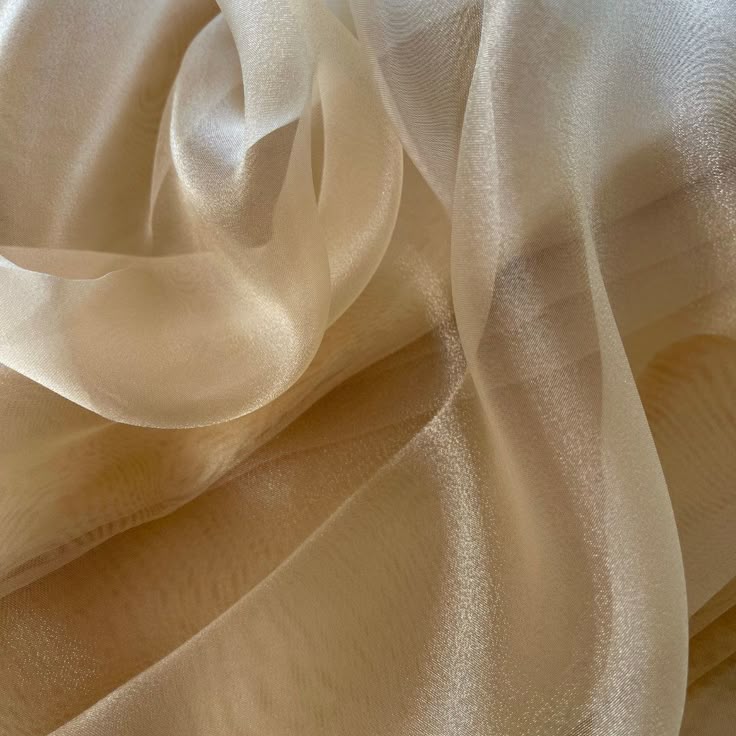
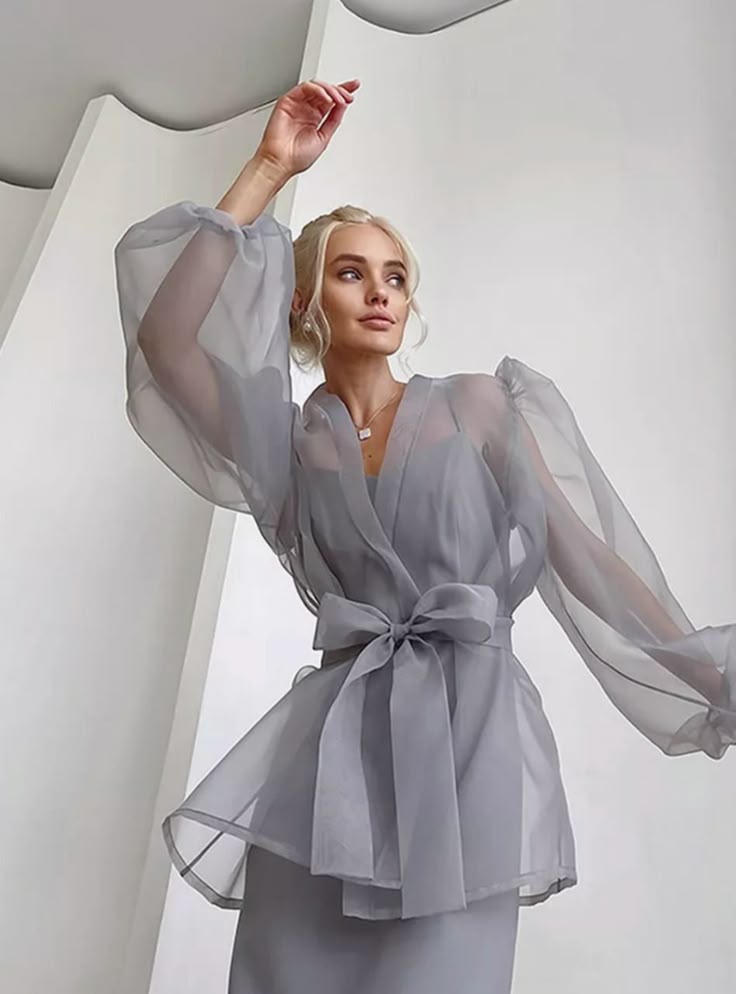
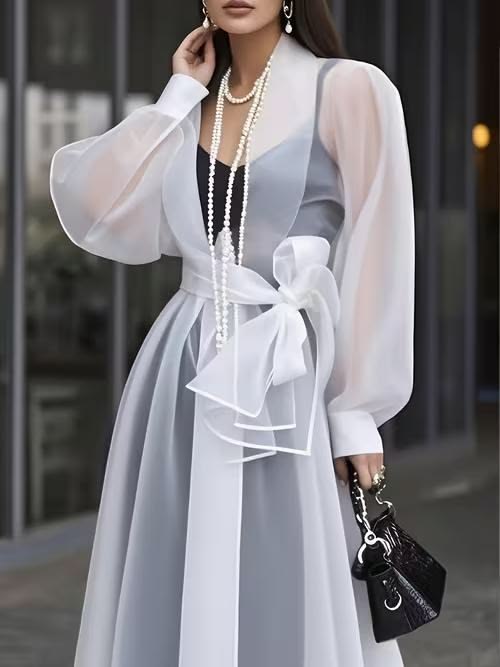
Organza combines two properties that appear almost contradictory:
transparency + structure.
Unlike soft tulle or Chantilly, organza can maintain volume.
This allows designers to create:
- puff sleeves,
- bows,
- layered skirts,
- sculptural panels,
- statement silhouettes.
When combined with embroidery or lace appliqué, the effect can become particularly distinctive.
Organza therefore works well when the designer wants transparency without sacrificing silhouette.
6. Cotton Lace and Eyelet — Natural Texture for Warm Climates
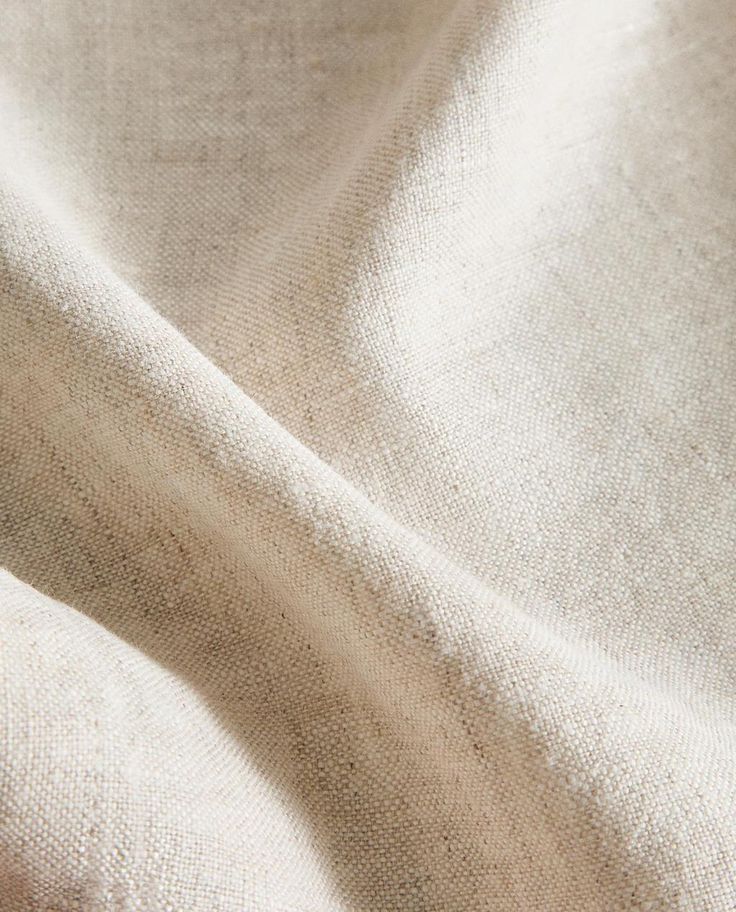
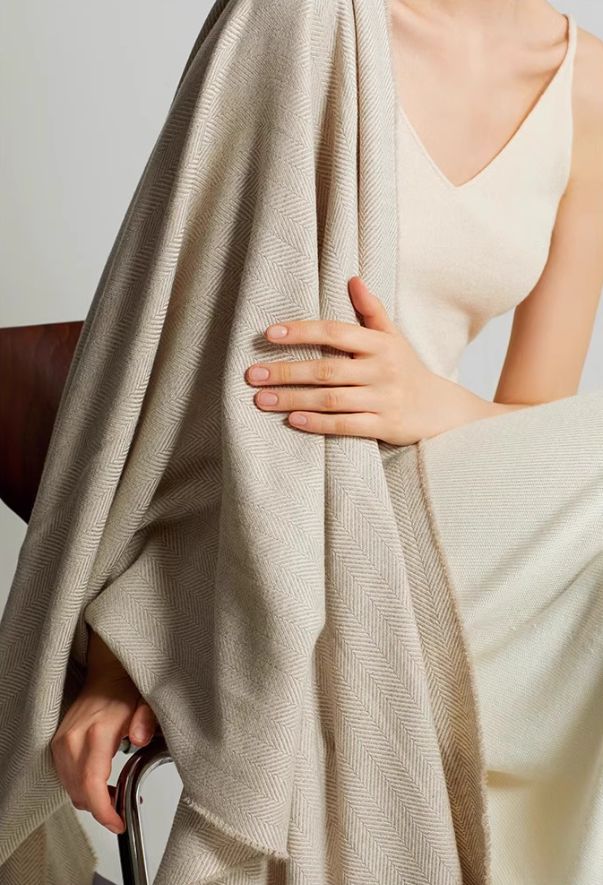
Cotton Lace and Eyelet communicate a completely different type of luxury from metallic or embellished materials.
Their strengths are often:
- natural hand-feel,
- matte surfaces,
- openwork,
- breathability,
- relaxed refinement.
This makes them particularly useful for:
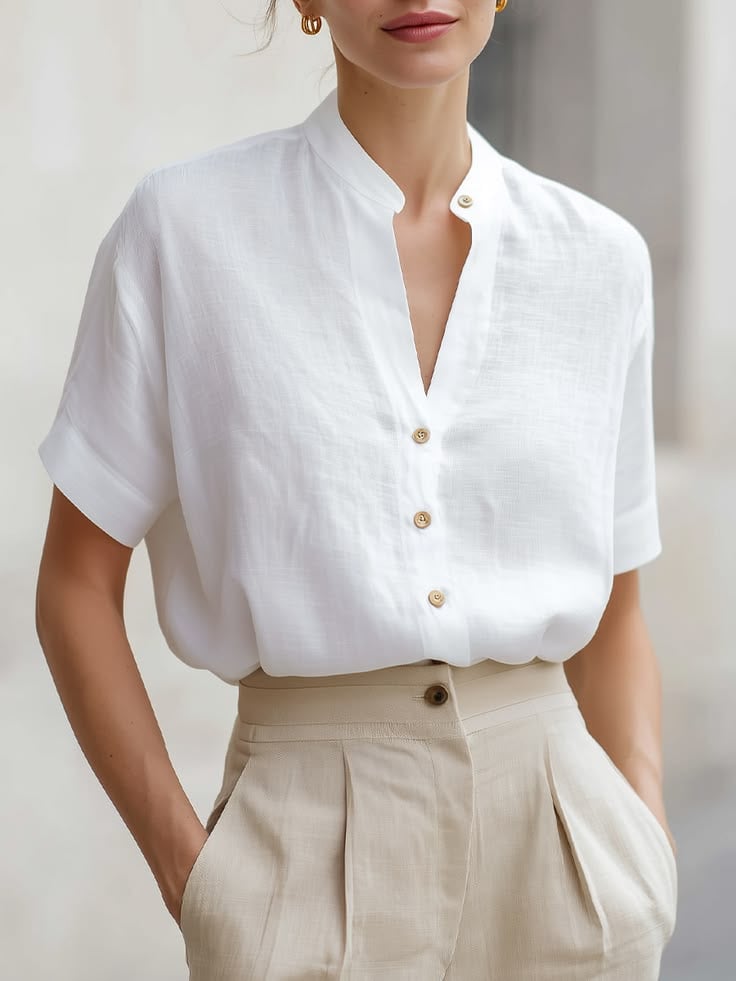
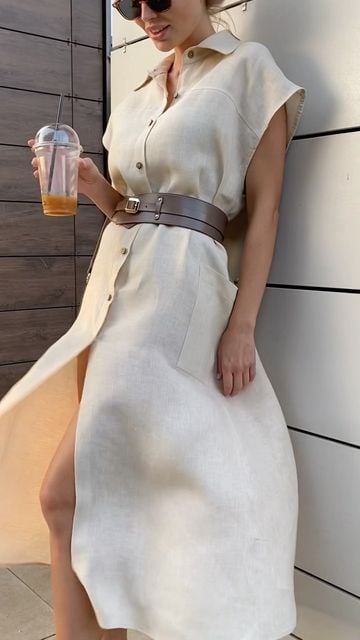 summer dresses,
- resortwear,
- blouses,
- skirts,
- daytime collections,
- contemporary casual luxury.
For Thailand and Southeast Asian markets, climatic suitability is especially important.
United Lace's research into lace structures identifies cotton lace and Eyelet as useful choices for hot climates because their open constructions can promote breathability.
This also explains why cotton-based lace appears in United Lace's discussion of Luxury Office Lace for Premium Fashion Brands, where comfort, professional appearance and tropical practicality must be balanced.
Sustainability-focused brands may also explore Eco-Friendly Lace Fabric, where United Lace examines cotton, plant-based materials and lower-impact approaches within premium fashion.
7. Metallic and Embellished Lace — Strong Visual Impact
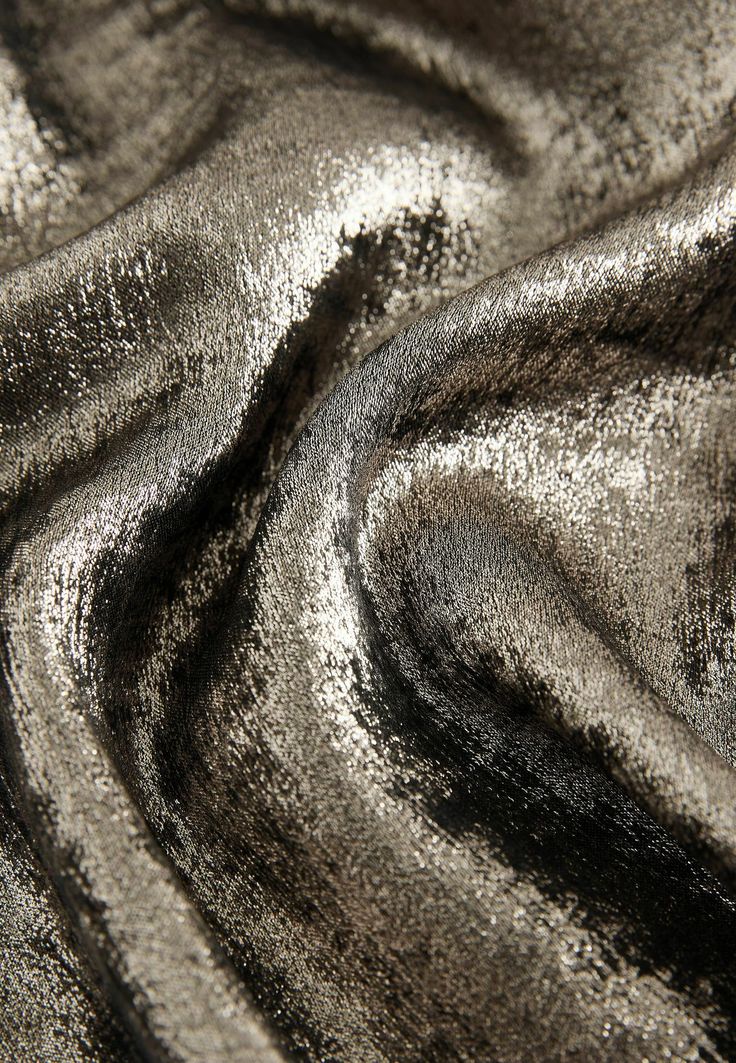
For eveningwear and occasionwear, Metallic and Embellished Lace can create immediate impact.
Details may include:
- metallic thread,
- sequins,
- beads,
- crystals,
- decorative embroidery,
- lustrous yarns.
These materials work particularly well for:
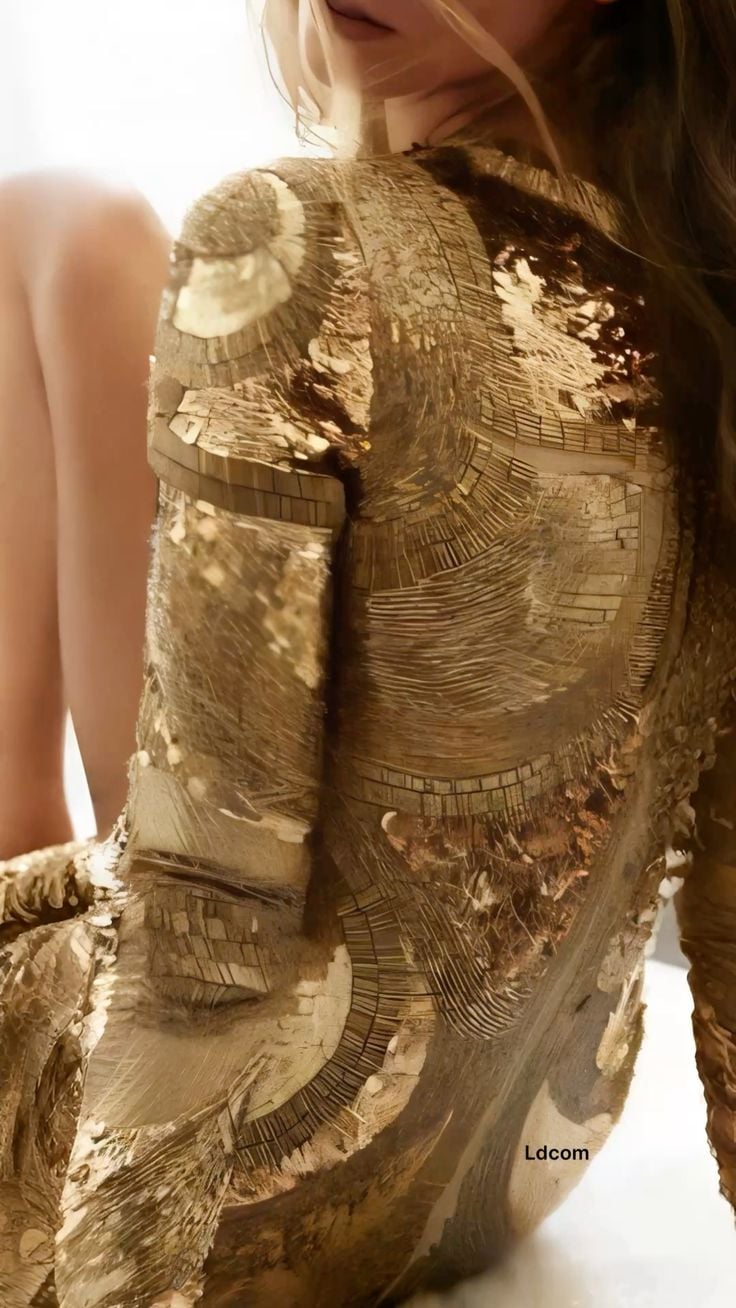
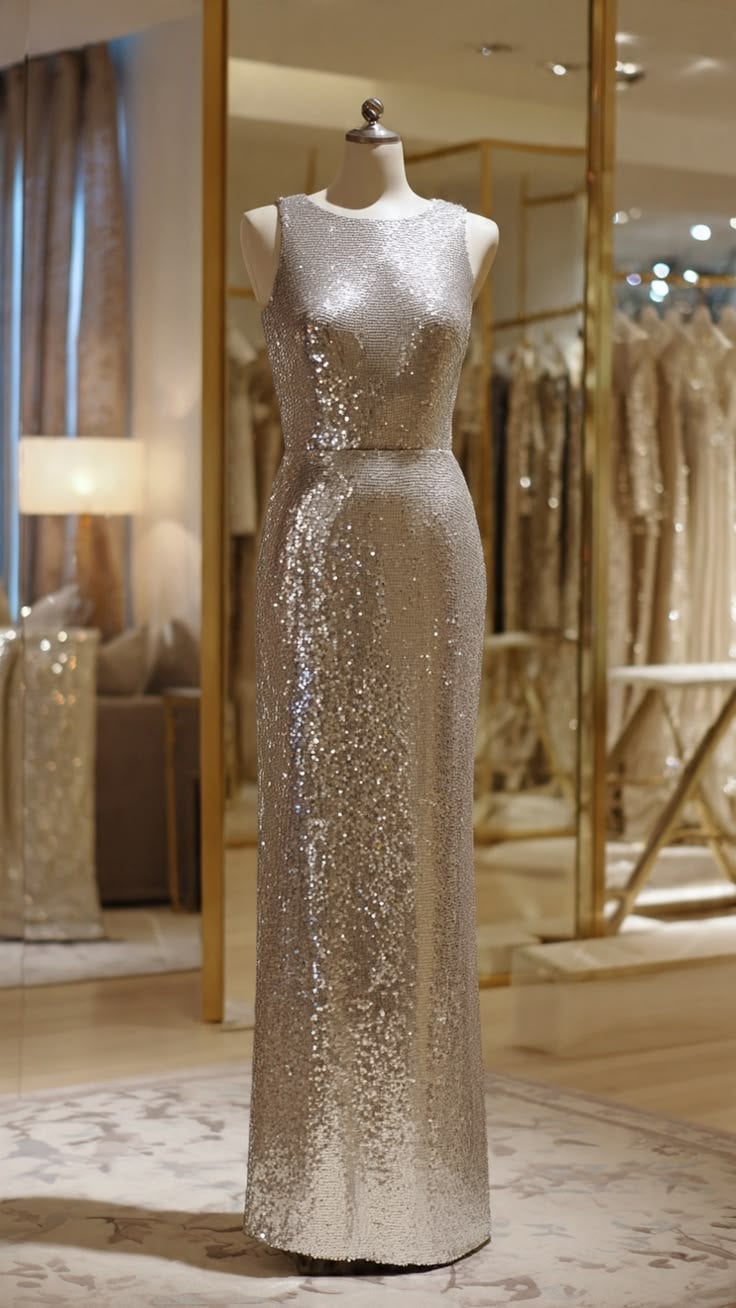
- evening gowns,
- festive collections,
- luxury occasionwear,
- Muslim fashion,
- red-carpet designs,
- formal dresses.
But restraint remains important.
Excessive embellishment can overwhelm both the lace motif and the silhouette.
For premium fashion, the objective should generally be controlled richness rather than decoration for its own sake.
United Lace's Quiet Luxury Lace explores precisely this relationship between spacing, material quality and luxury perception.
The company also demonstrates the fashion potential of premium lace and embroidery through United Lace Fabrics on the Miss Universe Thailand Stage, showing how material selection can contribute directly to garment identity.
8. Multicolor and Appliqué Lace — Strong Pattern Identity
Multicolor Lace and appliqué-based fabrics can create distinctive collection signatures.
They may combine:
- multiple thread colors,
- raised flowers,
- embroidered appliqués,
- layered construction,
- contrasting grounds.
Appliqué creates additional dimension because decorative motifs sit above the base fabric.
For designers, this can provide a couture-inspired effect without requiring an overly complex silhouette.
The important consideration is motif scale.
Larger appliqués may work beautifully for gowns and statement pieces.
Smaller or more evenly spaced motifs may be easier to use commercially for:
- dresses,
- blouses,
- skirts,
- matching sets.
Designers can browse examples across these categories through the United Lace Products collection.
Which Colors Work Best With Lace and Embroidery?
Color should never be considered separately from texture.
A black smooth textile behaves differently from black Guipure.
White satin communicates differently from white Eyelet.
For lace and embroidery:
Color + Motif + Texture work together.
White and Ivory
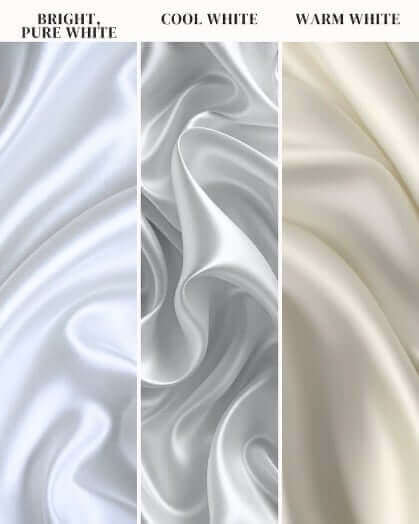
White, ivory and cream remain fundamental for:
- bridalwear,
- summer fashion,
- occasionwear,
- minimal collections.
Textured white materials can be particularly expressive because open areas and motifs prevent the surface from appearing completely flat.
Strong choices include:
- White Guipure
- White Embroidery
- White Eyelet
- White Cotton Lace
- Ivory Chantilly
- White Tulle Appliqué
For designers developing bridal or formal collections, combining color and fabric structure is just as important as selecting the silhouette.
Black
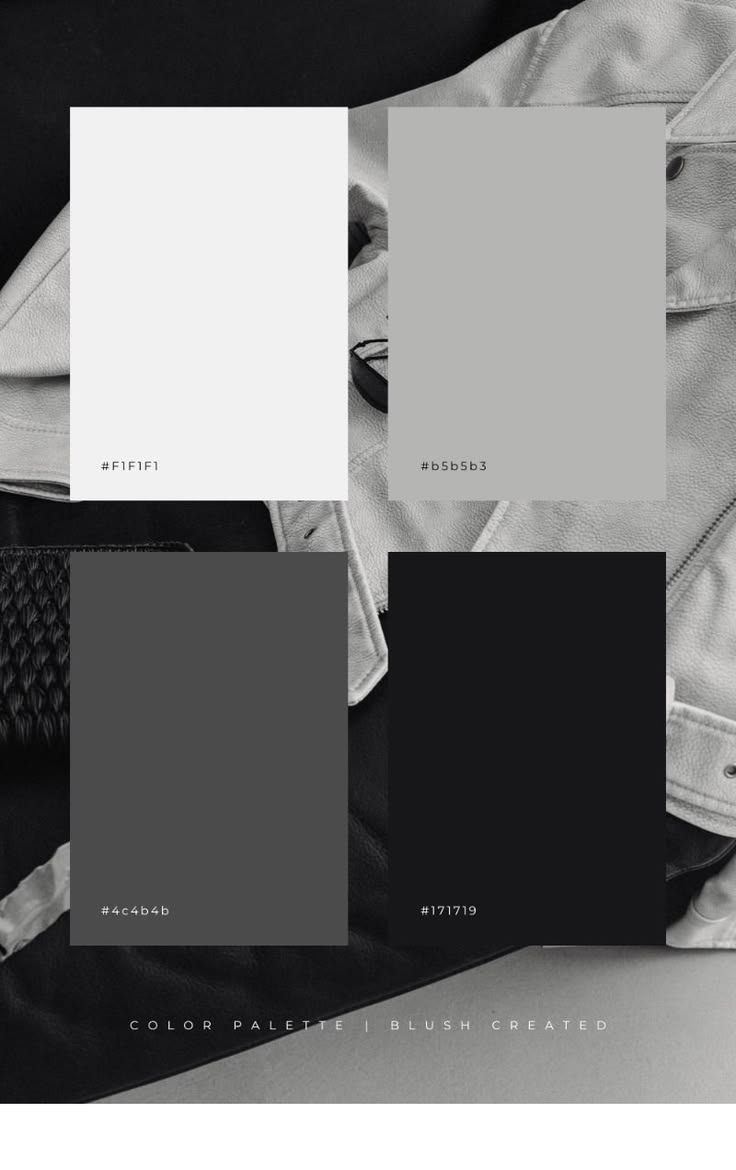
Black communicates:
- sophistication,
- drama,
- formality,
- confidence.
Black lace often has more visual character than a completely smooth black textile because its motif naturally breaks up the surface.
Effective examples include:
- Black Guipure
- Black Chantilly
- Black Embroidery
- Black Metallic Lace
United Lace's workwear guide also shows how more controlled Guipure and French lace structures can move beyond bridal or evening associations into sophisticated professional clothing. Read more in Lace for Workwear 2026.
Jewel Tones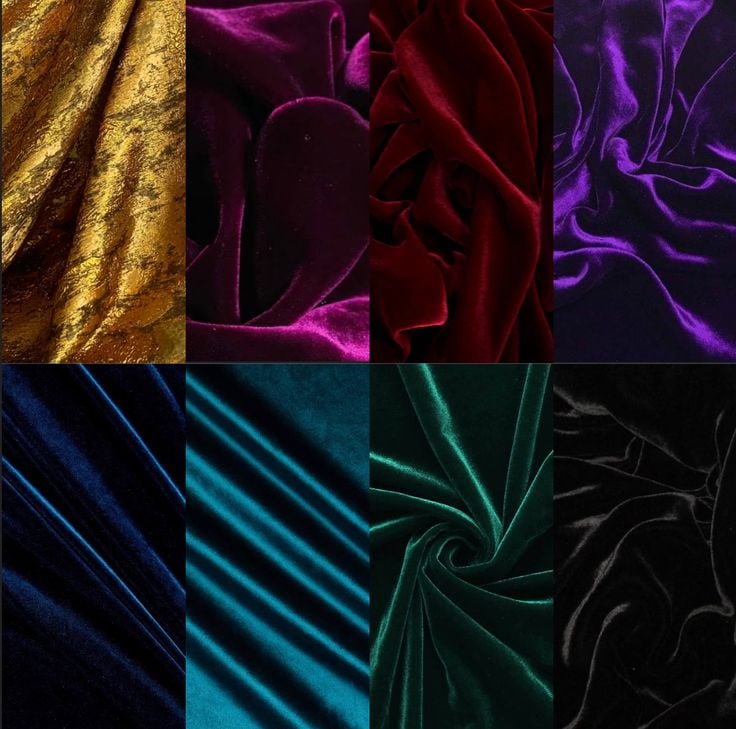
Colors such as:
- Emerald
- Ruby
- Sapphire
- Burgundy
- Deep Navy
can appear especially rich when combined with embroidery, Guipure, velvet-like textures or metallic details.
They work particularly well for:
- eveningwear,
- occasionwear,
- formal dresses,
- premium collections.
United Lace's guide to Color Trends 2026 provides further direction on how contemporary color palettes can interact with Guipure, Chantilly and other premium lace categories.
Neutrals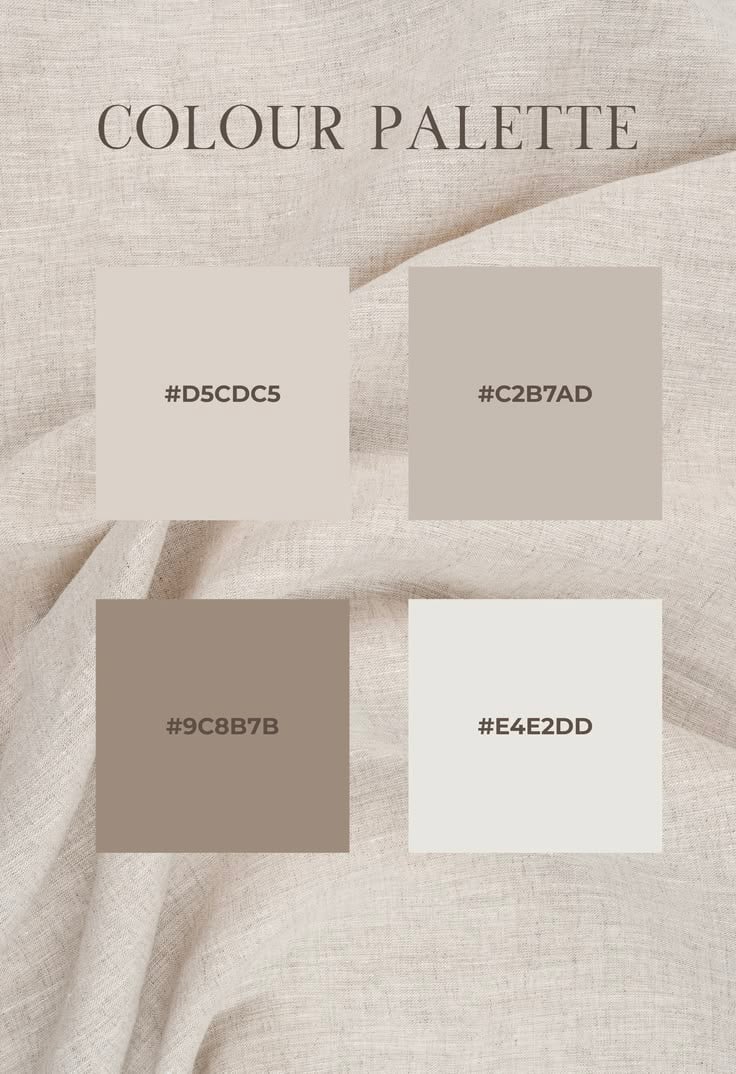
Neutral shades such as:
- Ivory
- Champagne
- Sand
- Taupe
- Camel
- Beige
work naturally within the contemporary Quiet Luxury aesthetic.
Because color becomes quieter, texture becomes more important.
This is why fine embroidery, carefully spaced Guipure and subtle Chantilly can become particularly effective in neutral collections.
Why Can a Beautiful Lace Fabric Sometimes Look Less Impressive Online?
This happens frequently.
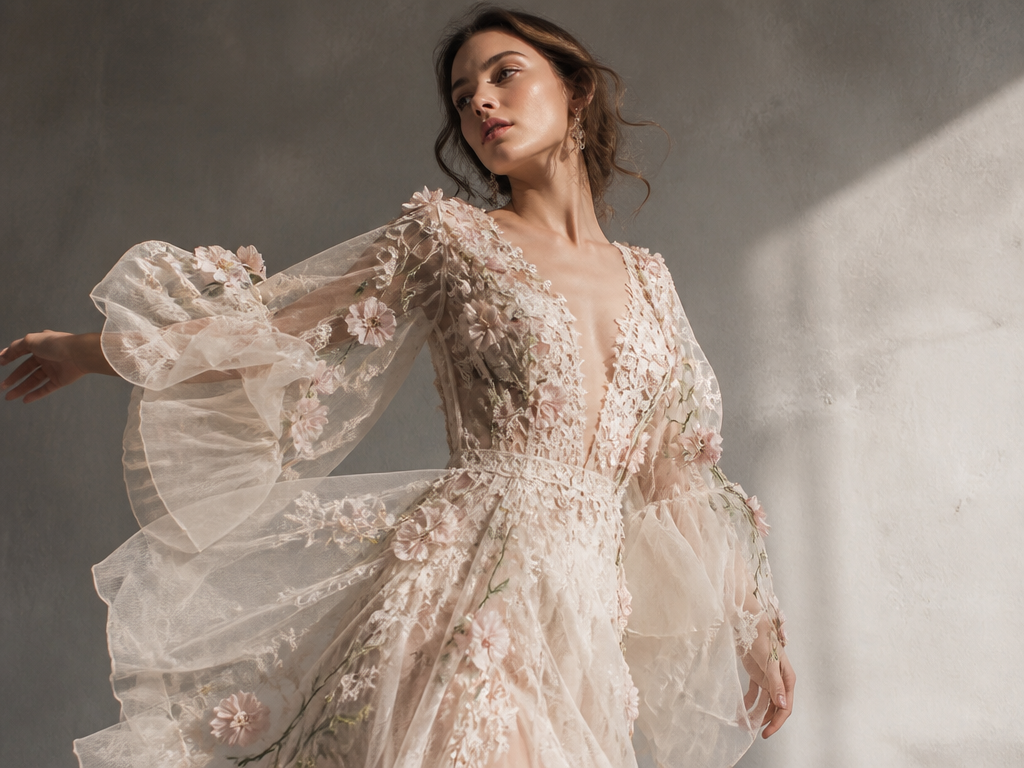
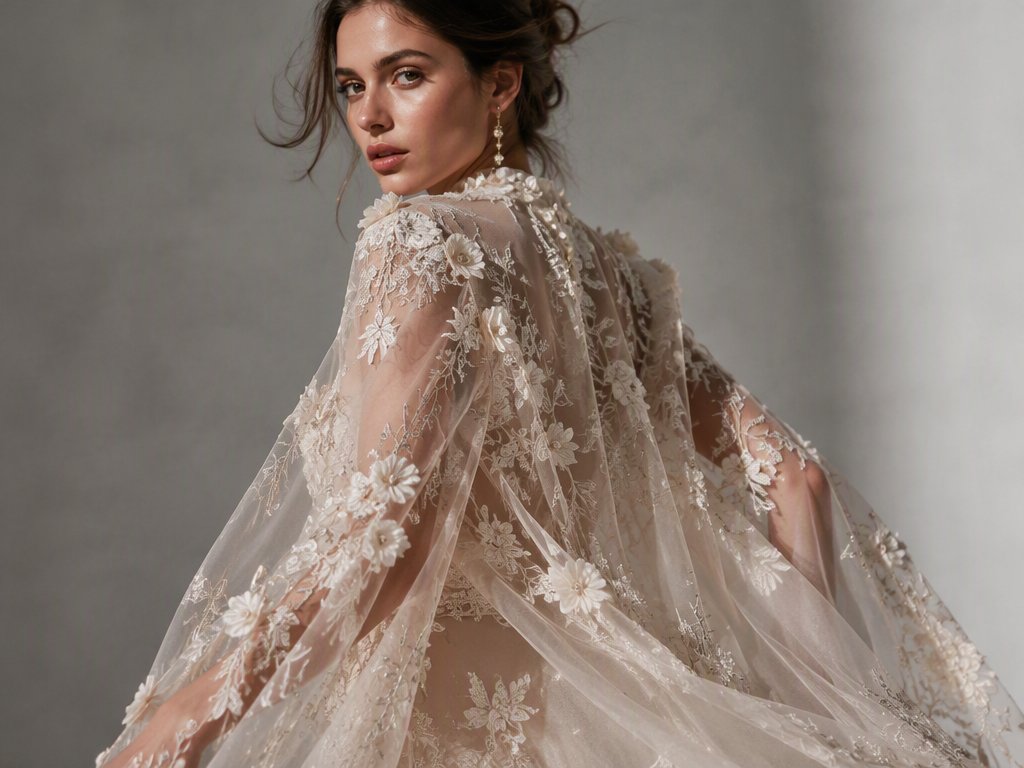
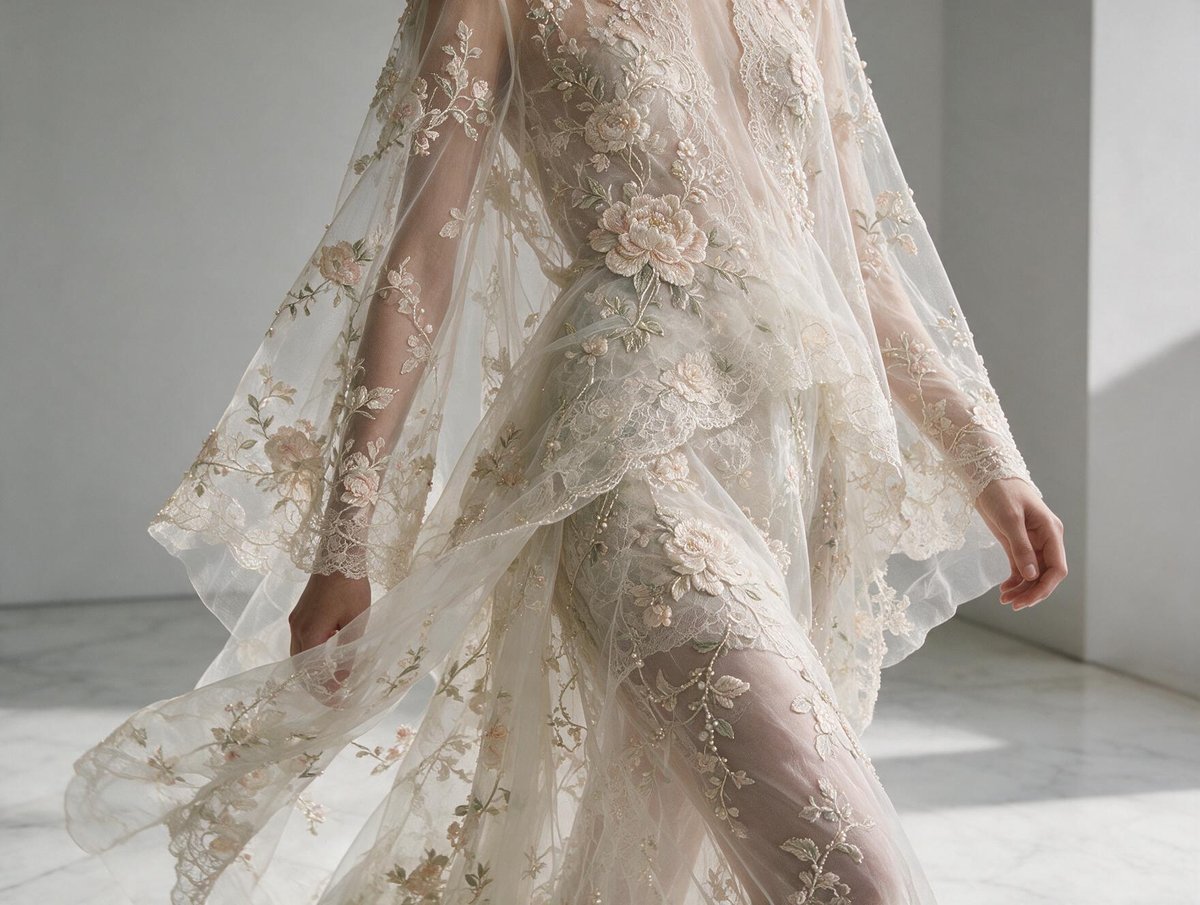
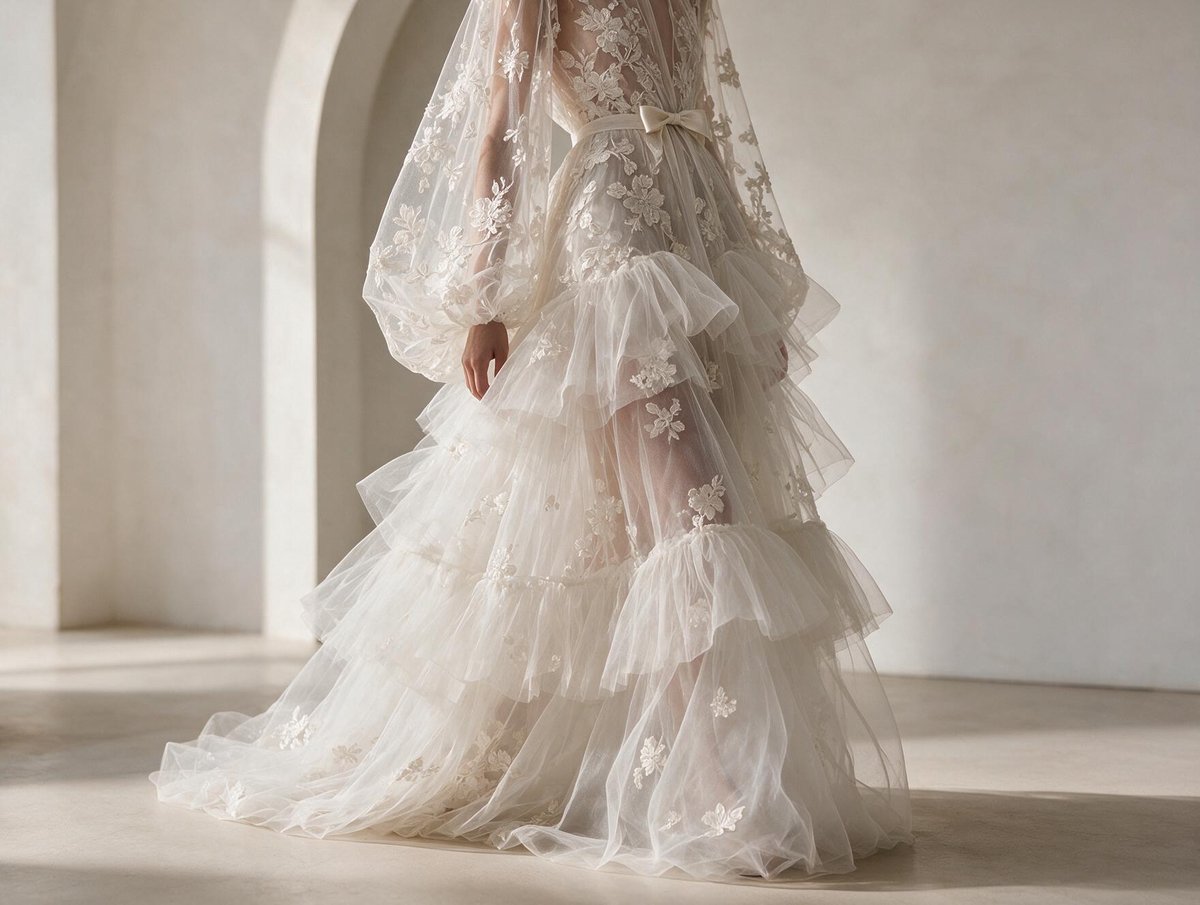
A textile may appear extraordinary when held in the hand but lose some of its impact when seen as a complete garment.
There are several reasons.
1. The Motif Is Too Small
Micro-floral patterns can appear extremely intricate at close range.
But across an entire dress, very small repeats may visually merge into a more uniform surface.
Designers should therefore consider:
Motif size + Garment scale + Viewing distance
For social-media-driven brands, this becomes particularly relevant because much of the customer's first experience may happen on a phone screen.
2. There Is Too Little Surface Contrast
Tone-on-tone embroidery may appear beautifully refined in person but much more subtle from a distance.
This is not necessarily a weakness.
It depends on brand intention.
Quiet luxury brands may intentionally prefer understated texture.
A more dramatic eveningwear brand may need greater motif contrast.
3. The Lace Is Too Dense
More lace does not necessarily mean a more premium textile.
If the entire surface has equal density, it can become visually heavy.
Negative space is part of lace design.
It gives motifs room to breathe and allows individual pattern elements to remain recognizable.
This concept is discussed extensively in United Lace's Quiet Luxury Lace guide, where spacing and negative space are treated as important indicators of refinement.
4. Too Many Elements Compete
If one garment contains:
strong lace + multicolor embroidery + heavy embellishment + statement accessories + complex silhouette
the visual hierarchy can disappear.
Premium design generally benefits from deciding which element should lead.
Sometimes the lace should be the hero.
Sometimes the silhouette should.
But every detail does not need to compete equally.
Social Media Should Influence Fabric Selection — But Not Control It
Although this article discusses how textiles communicate visually, fashion brands should never select fabrics only because they look impressive on social media.
Professional sourcing requires a broader balance.
1. Visual Performance
Can customers understand the fabric's:
- motif,
- texture,
- transparency,
- drape,
- quality?
2. Wear Performance
Consider:
- comfort,
- climate,
- breathability,
- movement,
- garment use,
- lining requirements.
For Thailand and other warm climates, lightweight Chantilly, Tulle Lace, Cotton Lace and Eyelet may offer practical advantages.
3. Production Performance
Garment manufacturers must also consider:
- cutting,
- sewing,
- motif matching,
- stability,
- finishing,
- repeatability.
A visually attractive fabric that creates persistent production difficulties may be commercially unsuitable.
4. Commercial Performance
For professional fabric sourcing for designers, commercial factors are equally critical:
- MOQ
- lead time
- supply stability
- repeat orders
- lot consistency
- cost
- target retail price
United Lace addresses these issues in Fabric Sourcing for Professional Designers, where fabric selection is treated as part of brand strategy rather than simply aesthetic purchasing.
For B2B buyers searching for a premium lace supplier Bangkok, this is particularly important.
The successful textile should work:
on the roll → in garment development → in production → on the wearer → in the market → in repeat orders.
What Do Fashion Fabric Trends 2026 Tell Us?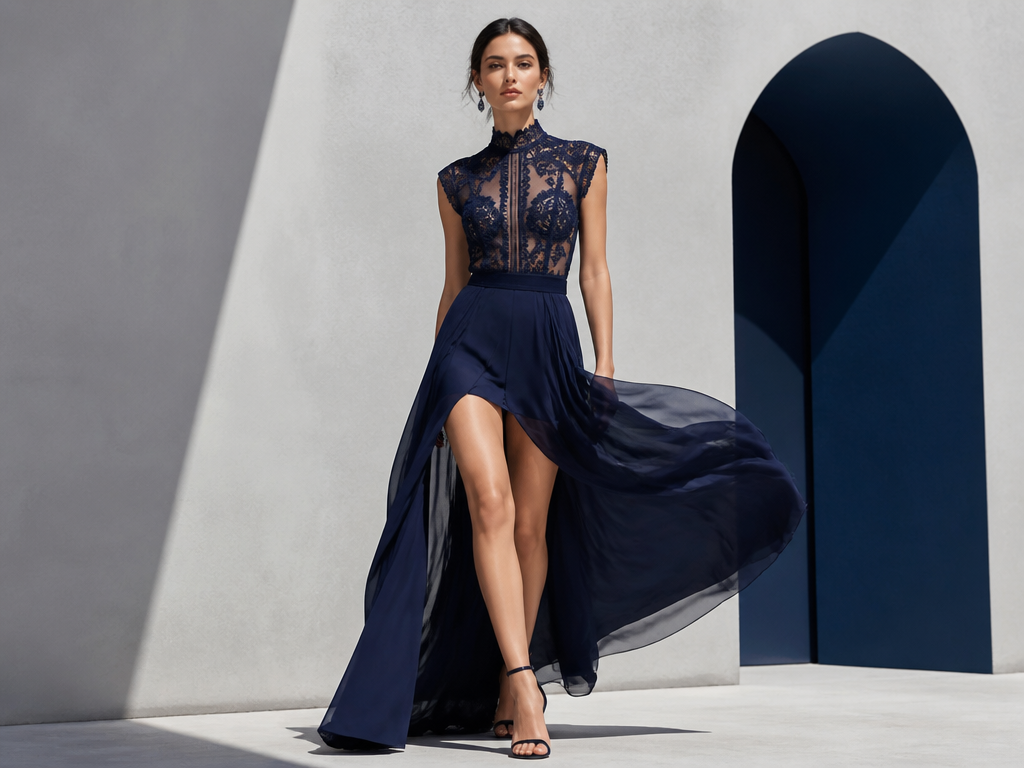
One of the important directions within fashion fabric trends 2026 is the growing importance of the textile itself.
Fashion does not need to achieve impact purely through decoration.
Instead, designers are increasingly exploring:
- texture,
- transparency,
- layering,
- material quality,
- fabric character,
- controlled embellishment,
- craftsmanship.
This is especially relevant to lace and embroidery.
When silhouettes become cleaner, fabric surfaces become more visible.
When colors become more restrained, texture becomes more important.
When decoration becomes more selective, material quality becomes a stronger signal of value.
United Lace examines these developments in Fabric & Lace Trends 2026 for Thai Fashion Brands and Lace Fabric Trends 2026: The New Luxury for Fashion Brands.
For brands, this creates an important opportunity.
Lace no longer has to function only as an embellishment.
It can become:
- the main garment fabric,
- a structural surface,
- a transparent layer,
- a signature panel,
- a recurring brand motif.
If You Had to Choose the Most Visually Effective Lace, Which Would It Be?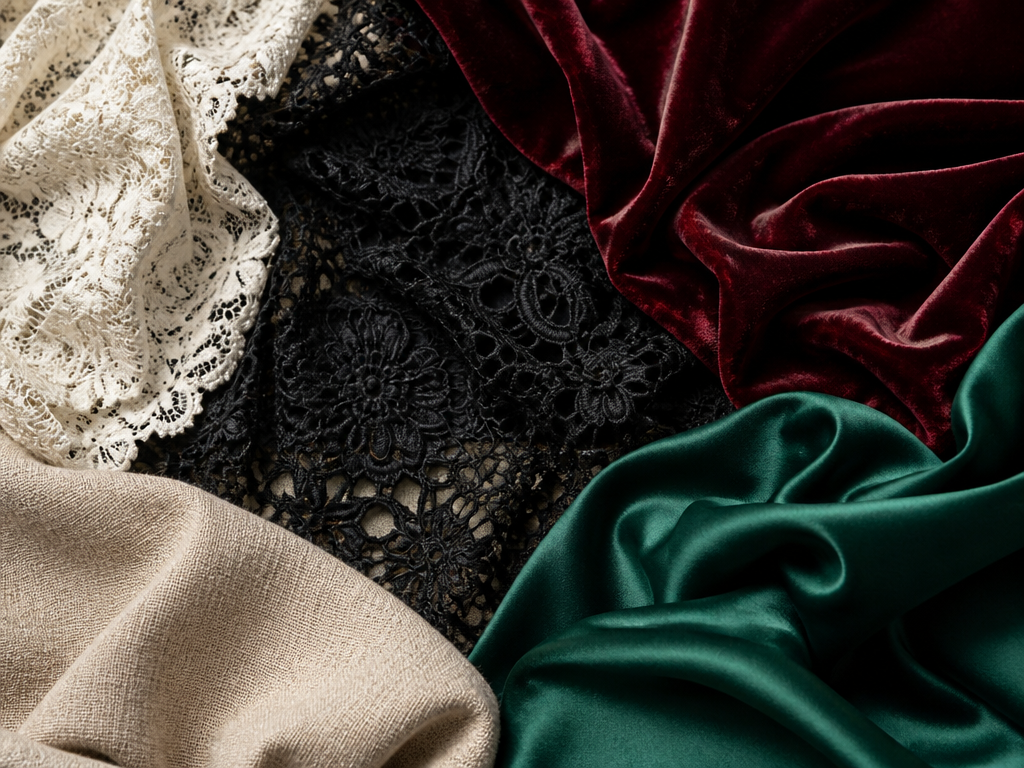
There is no single answer.
The correct choice depends on what the brand wants the customer to feel.
For bold texture:
Guipure Lace / Embroidered Lace
For romance:
Chantilly Lace / Tulle Lace
For lightweight layering:
Tulle Lace / Fancy Tulle / Sheer Embroidery
For natural elegance:
Cotton Lace / Eyelet
For evening impact:
Metallic Lace / Beaded Lace / Embellished Lace
For strong pattern identity:
Multicolor Lace / Appliqué Lace
The better question is therefore not:
“Which lace looks best online?”
but:
“What should customers feel when they first see this garment?”
Once that emotional direction is defined, the correct fabric becomes much easier to identify.
United Lace: Turning Fabric Character Into Brand Identity
For fashion businesses, the value of a specialist lace supplier goes beyond simply presenting attractive patterns.
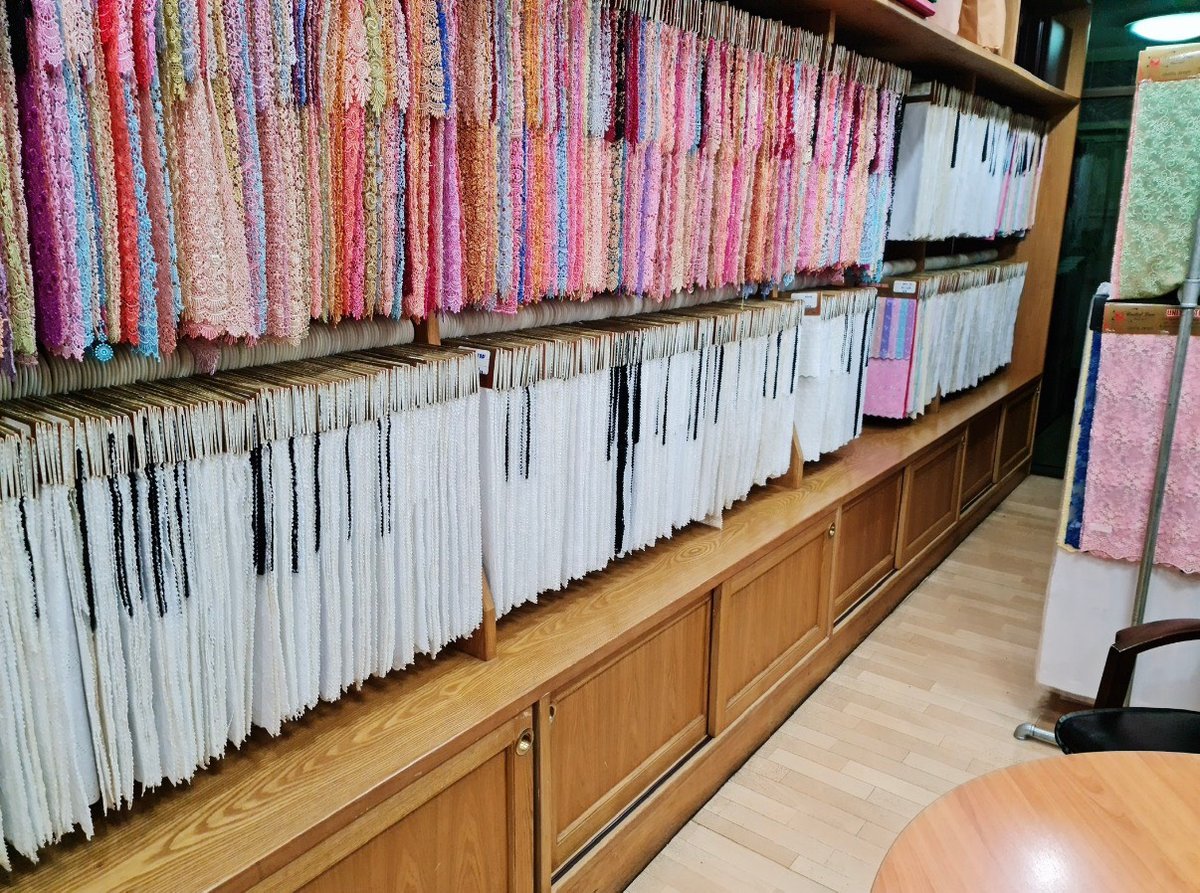
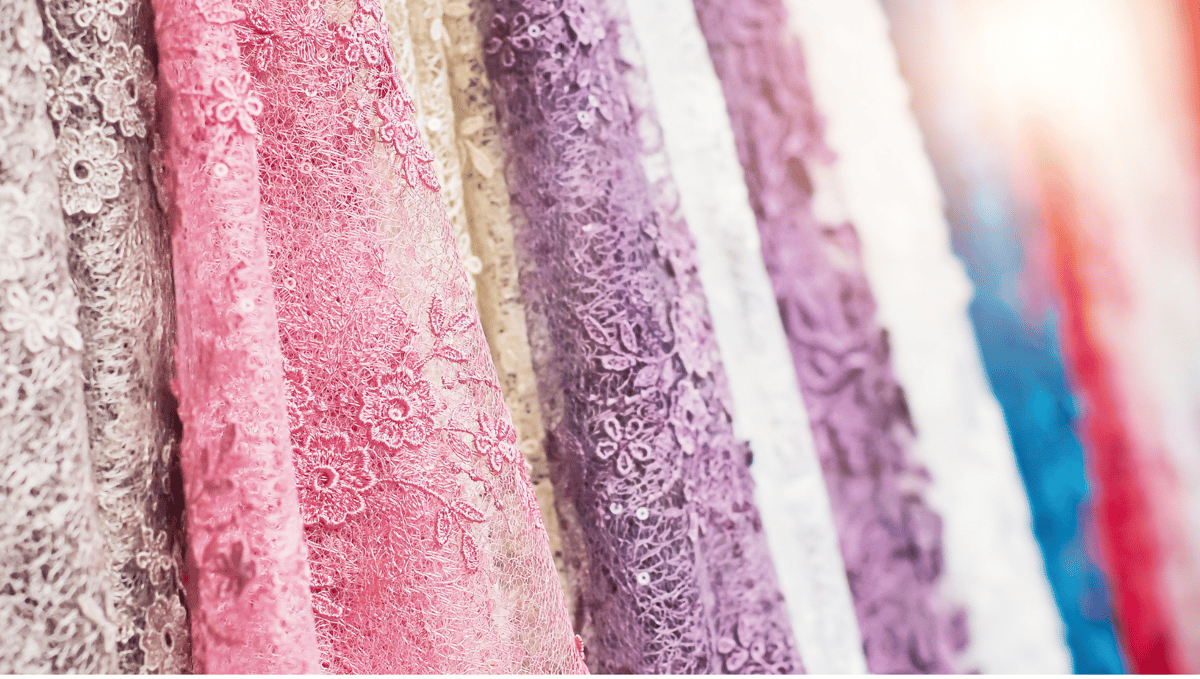
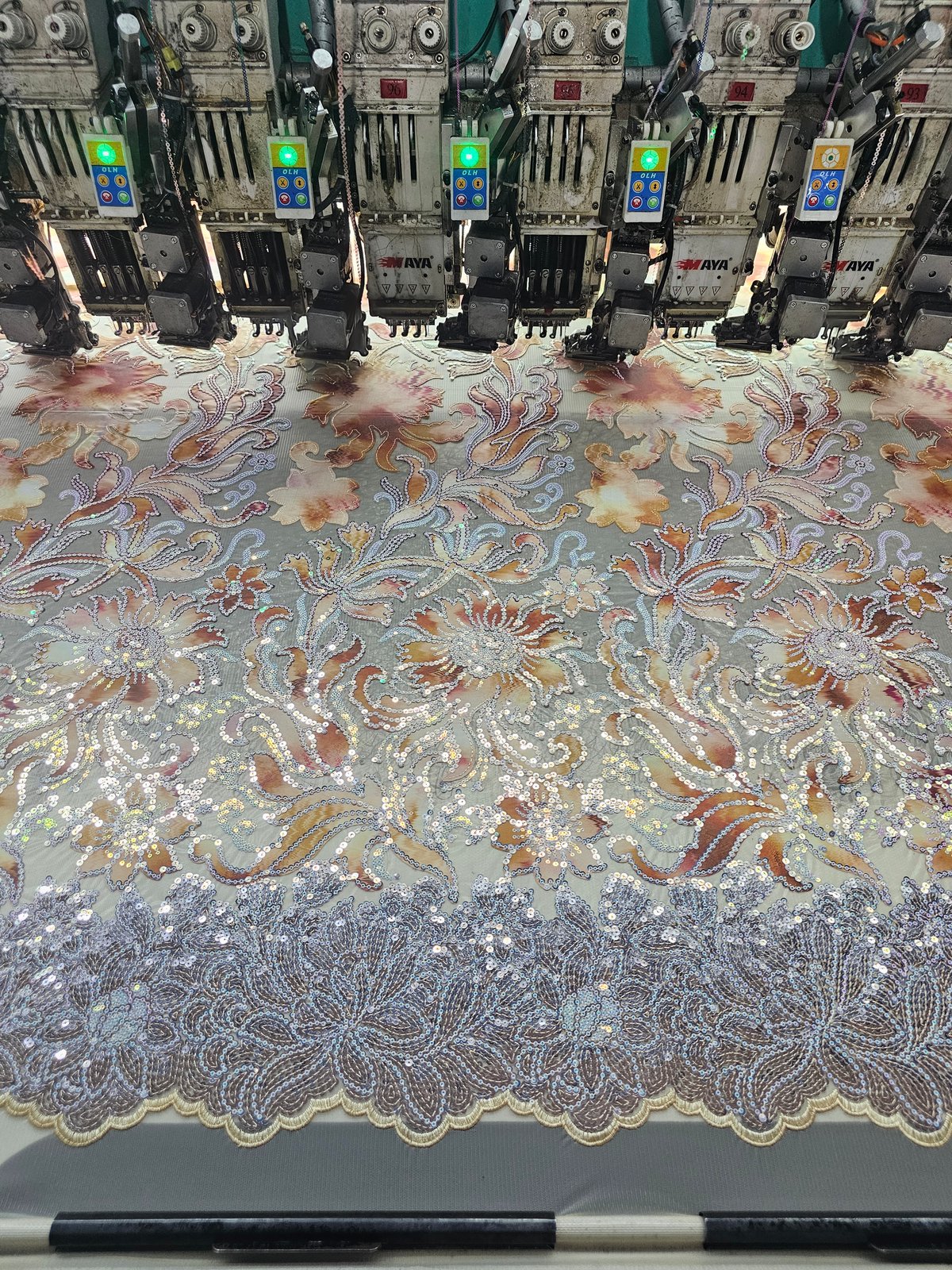
Designers and manufacturers also need to understand:
motif + density + texture + hand-feel + drape + transparency + construction + commercial feasibility.
This is where specialist textile knowledge becomes important.
With more than 75 years of experience in lace and embroidery, United Lace serves designers, garment manufacturers, fabric retailers, bridal businesses and fashion brands seeking B2B lace and embroidery solutions.
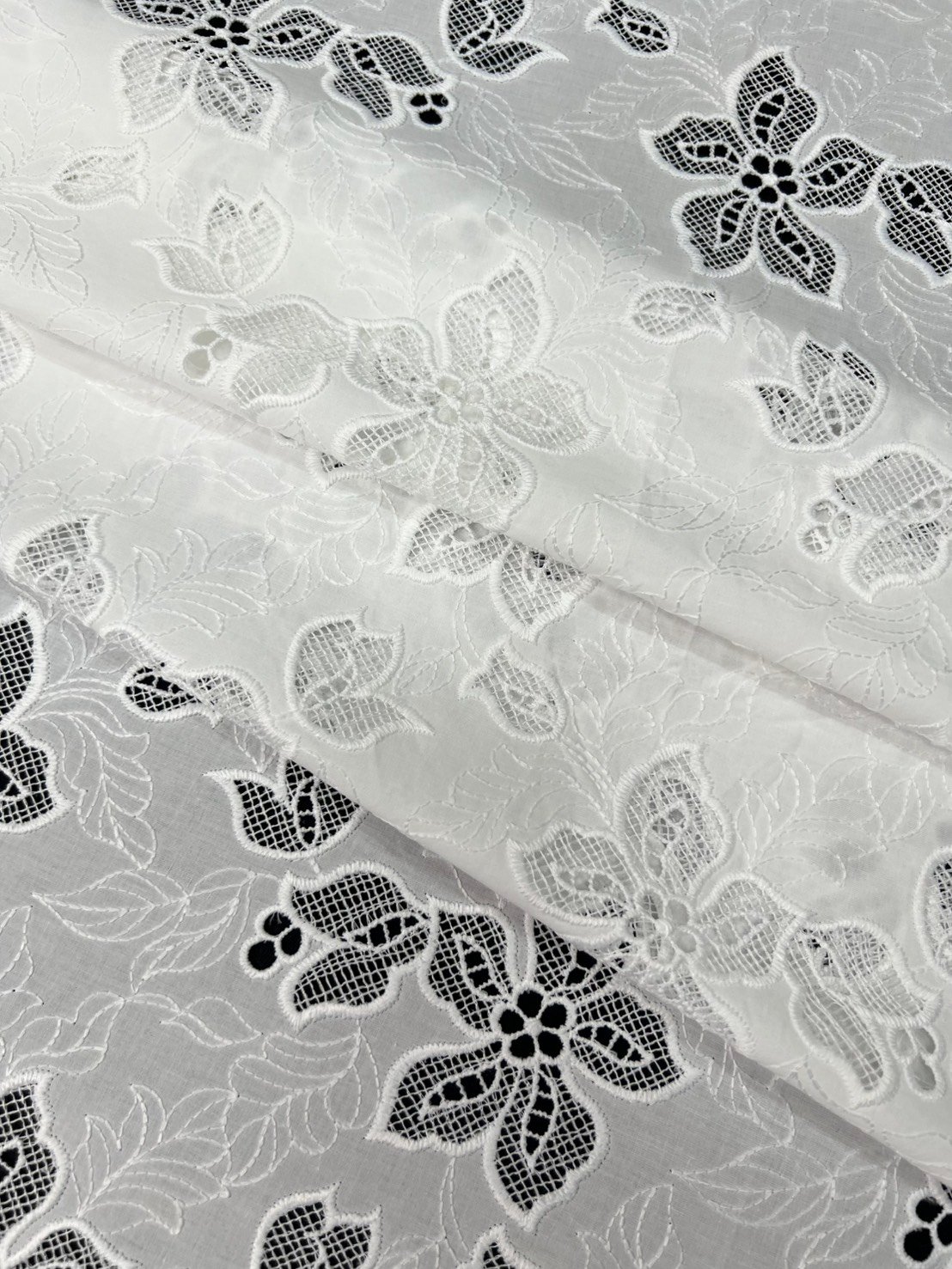
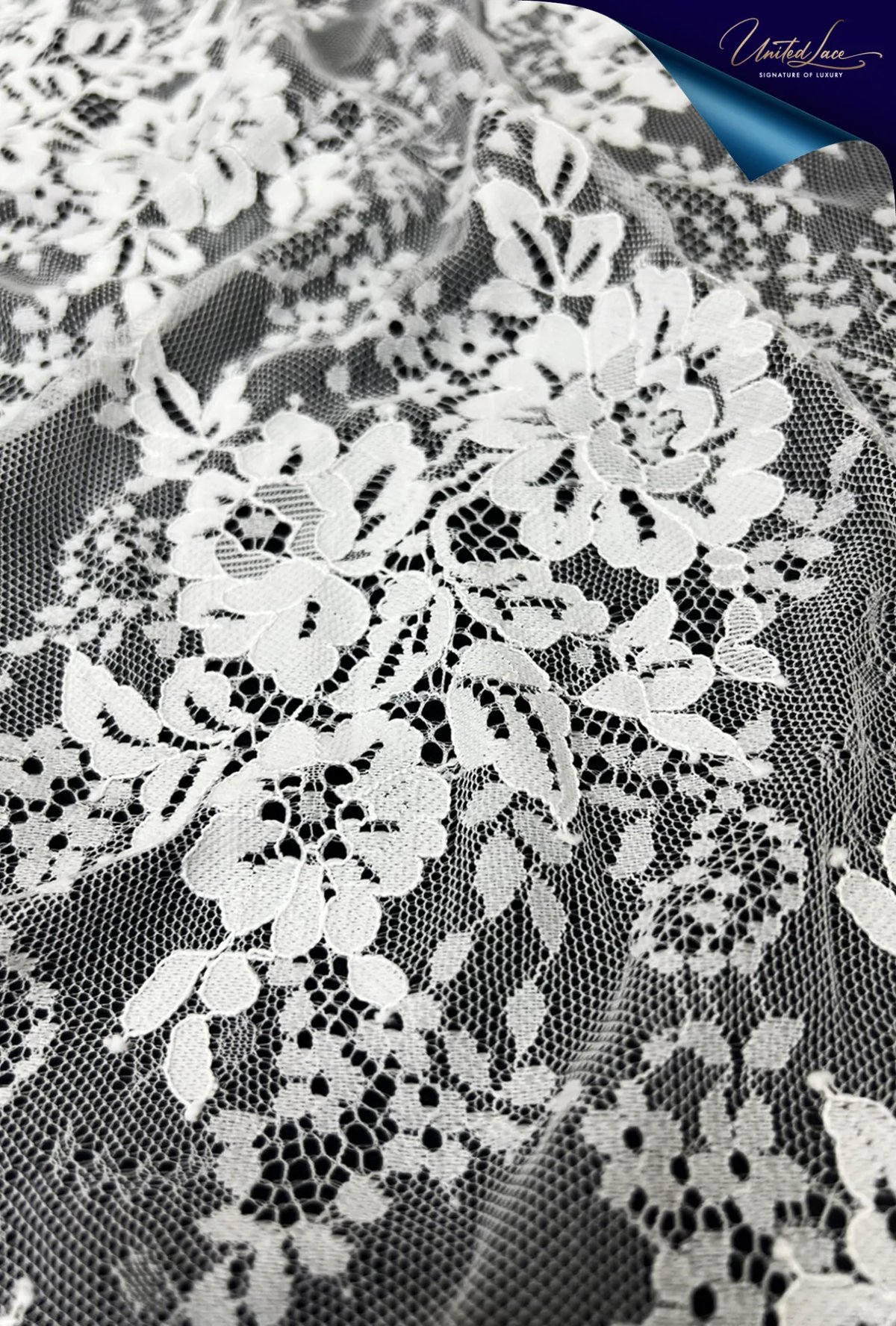
United Lace's categories include:
- Chantilly Lace
- Guipure Lace
- French Lace
- Tulle Lace
- Fancy Tulle
- Cotton Lace
- Cotton Appliqué Lace
- Tulle Appliqué Lace
- Eyelet
- Multicolor Lace
- Embellished Lace
- Metallic Lace
- contemporary embroidery fabrics
Rather than viewing lace only as decoration, United Lace focuses on helping fashion businesses consider how fabric can support:
- silhouette,
- brand positioning,
- garment application,
- climate,
- production,
- collection identity,
- repeatability.
Designers can explore the broader range through the United Lace Product Collection, study more textile knowledge through the United Lace English Fashion & Lace Blog, or see a finished-fashion interpretation through Parry Lace Studio.
Conclusion: In the Digital Fashion World, Fabric Has Become a Visual Language
Traditionally, fabric selection begins with questions such as:
Does it feel good?
Is it comfortable?
Does it sew well?
Does it suit the garment?
All of these remain essential.
But fashion brands today should add one more:
Can the character of this fabric still be understood when customers see the garment through a screen?
Lace and embroidery have a particular advantage because they already contain multiple layers of visual information.
Texture creates dimension.
Transparency creates layers.
Drape creates softness and movement.
Embroidery communicates craftsmanship.
Color creates mood.
Motif creates identity.
For fashion designers, this means fabric can become part of the brand's visual signature.
Delicate Chantilly Lace can communicate softness and refinement.
Structured Guipure Lace can communicate confidence and sophistication.
Tulle Embroidery can create ethereal layering.
Cotton Lace and Eyelet can communicate natural, breathable elegance.
Metallic and Embellished Lace can create sophisticated occasionwear impact.
The objective is not simply to select the fabric with the greatest amount of detail.
It is to find the textile whose character supports the collection, the wearer and the positioning of the brand.
That principle lies at the heart of the textile expertise United Lace has developed over generations as a specialist in lace and embroidery.
For designers, fashion brands and garment manufacturers searching for wholesale lace fabric Thailand, the strongest sourcing decisions should balance creativity with garment performance, production feasibility and commercial continuity.
Explore More From United Lace
Explore United Lace Lace & Embroidery Fabrics
Fabric & Lace Trends 2026 for Thai Fashion Brands
Fabric Sourcing for Professional Designers
Quiet Luxury Lace: Why Modern Lace Looks “Still—Yet Expensive”
Eco-Friendly Lace Fabric for Conscious Fashion Brands
Lace Fabrics on the Miss Universe Thailand Stage
To explore premium lace and embroidery fabrics for your next collection, contact United Lace.
We supply fashion brands and garment manufacturers across Thailand and worldwide.
LINE Official: @unitedlace
Instagram: @unitedlace
Bangkok Showroom: By appointment
FAQs
Which lace fabric stands out best in photographs?
Guipure Lace is especially effective when a designer wants strong texture and defined motifs. Chantilly Lace creates a more delicate and romantic effect, while embroidered tulle combines transparent layering with visible embroidery.
United Lace carries different lace structures for these applications, allowing designers to select according to garment silhouette and collection positioning rather than simply choosing the most decorative pattern.
Which lace is best for close-up fashion content?
Guipure Lace and embroidery fabrics are particularly suitable because raised motifs, threads and surface details provide substantial visual texture.
Chantilly Lace also works well when the objective is delicate detail rather than bold dimensionality.
Why does Guipure Lace stand out?
Guipure Lace uses strongly defined interconnected motifs, often without the continuous fine tulle background associated with other lace categories.
The resulting structure gives the textile noticeable depth, pattern clarity and open space.
For designers interested in Guipure as both a decorative and structural fabric, read Fabric & Lace Trends 2026.
Why is Chantilly Lace considered luxurious?
Chantilly Lace is valued for its fine threadwork, delicate motifs, transparent ground and soft drape.
Its sophistication comes from refinement rather than weight or heavy embellishment, making it particularly suitable for bridal, occasionwear and feminine premium fashion.
Which lace works best for eveningwear?
Depending on the desired aesthetic, designers can consider:
- Guipure Lace
- Chantilly Lace
- Metallic Lace
- Beaded Lace
- Embellished Lace
- Embroidered Tulle
Guipure gives structure, Chantilly offers delicate sophistication, while metallic and embellished lace provide stronger evening impact.
What lace is suitable for hot climates such as Thailand?
Lightweight Tulle Lace, Cotton Lace, Eyelet and suitable openwork constructions can provide greater visual and physical lightness.
Fabric weight, lining and garment construction are equally important.
For additional warm-weather design ideas, see United Lace's Summer Fashion Trends 2026.
Is more embroidery always more luxurious?
No.
Luxury depends on the quality and control of:
- embroidery,
- spacing,
- motif scale,
- thread,
- color,
- garment construction,
- overall balance.
United Lace's Quiet Luxury Lace explores
How should fashion brands choose lace?
Fashion brands should evaluate:
- motif,
- pattern scale,
- texture,
- drape,
- weight,
- transparency,
- garment construction,
- climate,
- MOQ,
- lead time,
- lot consistency,
- repeat-order feasibility.
For a detailed B2B framework, read United Lace's Fabric Sourcing for Professional Designers.
Can lace be used for ready-to-wear rather than only bridalwear?
Yes.
Modern lace is increasingly used for:
- workwear,
- blouses,
- dresses,
- skirts,
- resortwear,
- structured tops,
- casual premium fashion,
- eveningwear.
United Lace explores this commercial versatility in 5 Ways to Use Lace Fabric to Elevate Ready-to-Wear Fashion and Lace for Workwear 2026.
Where can fashion brands source wholesale lace fabric in Thailand?
United Lace is a Bangkok-based specialist in lace and embroidery fabrics serving designers, fashion brands, fabric businesses and garment manufacturers.
Its B2B collections cover categories including Guipure, Chantilly, French Lace, Tulle Lace, Cotton Lace, Eyelet, Appliqué, Multicolor, Metallic and Embellished Lace.