Table of Contents
- 2026: A New Role of Fabric in the Thai Fashion Industry
- Why Fabric & Lace Trends Matter for Designers and Manufacturers
- Thai Market Insight: Where the Opportunity Lies in 2026
- Fabric & Lace Trend Breakdown 2026
- Texture & Drape: Where Price Perception Is Created
- Color Direction: Modern Luxury Tones
- How Thai Brands Can Apply These Trends Strategically
- Recommended Lace Types for 2026 Collections
- French Lace: Couture-Level Brand Elevation
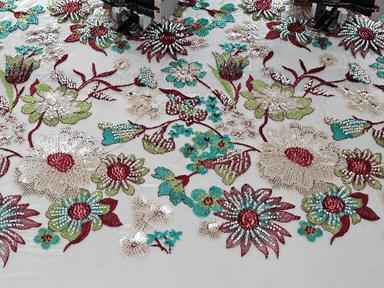
- Embroidered Lace: Dimension, Value, Impact
- Tulle Lace: Lightweight Luxury with Illusion
- Conclusion: Lace as a Business Advantage in 2026
- FAQs
2026: A New Role of Fabric in the Thai Fashion Industry
The year 2026 marks a pivotal transformation in how fashion brands—particularly in Thailand—define value, differentiation, and brand language. Across both global and regional markets, fashion is no longer driven solely by silhouettes, styling tricks, or surface embellishments. Instead, brands are returning to the most fundamental yet powerful design language: fabric itself.
Luxury consumers and professional B2B buyers—buyers, retailers, stylists, sourcing teams, and private labels—are increasingly trained to identify brand value through tangible material qualities, including:
- Surface texture and hand-feel
- Fabric drape and movement
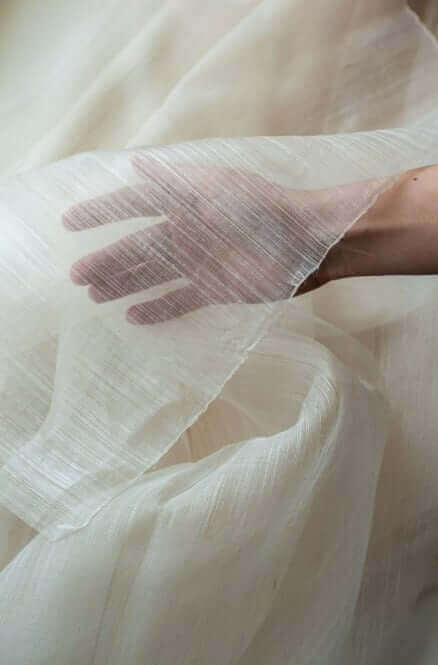
- Transparency and airiness
- Structural integrity and stability
- Precision of embroidery and lace construction
This renewed focus on material intelligence is also linked to a broader revival of heritage craftsmanship and textile storytelling, a theme explored further in the evolution of past fashion trends shaping modern design
For Thai fashion brands, this shift presents both opportunity and responsibility. The challenge in 2026 is no longer simply making something beautiful. It is about creating something beautiful, production-ready, and commercially scalable.
In today’s market, fabric must be able to:
- Perform consistently across multiple production lots
- Maintain color stability and dye accuracy
- Sew efficiently on industrial production lines
- Be reordered and repeated across seasons
- Remain comfortable in hot, humid climates
This is why understanding fashion fabric trends 2026, particularly in lace and decorative fabrics, is no longer optional—it is a strategic business decision that directly impacts profitability, brand perception, and long-term growth.
Why Fabric & Lace Trends Matter for Designers and Manufacturers
1. Fabric Is the Brand’s DNA—and the Hardest Element to Copy
In highly competitive fashion markets, silhouettes are easily replicated. Visual references circulate instantly. However, fabric quality, lace construction, motif scale, and density control are far more difficult to imitate.
Brands that understand how to evaluate lace quality—beyond appearance—gain a significant advantage. Knowing how to assess yarn quality, embroidery density, ground stability, and finishing becomes essential, as detailed in how to tell the quality of lace for professional sourcing
When lace is engineered with intentional spacing, controlled transparency, and balanced embroidery density, it becomes a signature material—a brand asset rather than a seasonal design choice.
2. 2026 Is the Era of Production-Ready Luxury
Luxury in 2026 does not mean complexity for complexity’s sake. It means precision within real production constraints.
Professional B2B buyers now prioritize:
- Consistent quality across production lots
- Controlled dyeing and color reproducibility
- Repeatability for future seasons
- Reliable sewing performance on industrial machines
This is especially evident in the rising demand for Guipure lace used as a core structural fabric, where pattern clarity and stability are non-negotiable.
Designers seeking deeper technical guidance can explore a complete guide to Guipure lace for fashion designers and garment manufacturers
Luxury is measured by discipline, reliability, and refinement, not excess ornamentation.
3. Lace Evolves from Decoration to Structural Fabric
One of the most significant shifts in fashion fabric trends 2026 is the evolution of lace from a decorative element into a primary structural material.
Instead of being used only as trims or accents, lace is now engineered as:
- The main fabric of dresses and tops
- Structural overlays defining silhouette
- Statement panels within minimal designs
This is especially visible in modern collections that embrace quiet luxury aesthetics using Guipure, cotton lace, and laser-cut lace—a direction explored in depth in Quiet Luxury x Lace: distinctive lace designs for modern brands
When lace is positioned as a core material—and supported by professional lining and pattern engineering—it instantly elevates price positioning and brand credibility.
4. Climate Compatibility Becomes a Competitive Advantage
Thailand’s climate is often viewed as a limitation, but in 2026 it becomes a strategic advantage for brands that understand fabric behavior.
Lace that is:
- Appropriately sheer
- Balanced in embroidery density
- Fluid in drape
offers breathability and comfort without sacrificing luxury. Thai brands that master luxury lace suitable for tropical climates are well-positioned for regional and export markets across Southeast Asia, the Middle East, and other warm regions.
Thai Market Insight: Where the Opportunity Lies in 2026
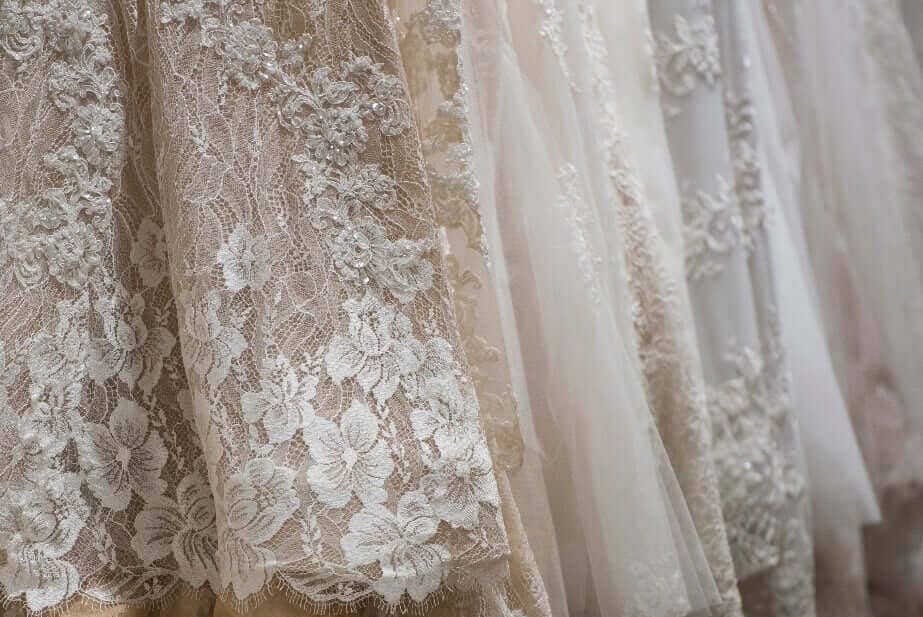
Thailand’s fashion market sits at the intersection of:
- Premium occasionwear (bridal, eveningwear, formal events)
- Contemporary fashion (modern feminine, resort-lux, city wear)
Across both segments, consumers and buyers are increasingly willing to pay for verifiable fabric quality—when brands communicate material value clearly and confidently.
Key opportunities for Thai fashion brands include :
- Lace with dimensional motifs that photograph beautifully and feel substantial in hand
- Refined, controlled color palettes that signal maturity and luxury
- Fabrics with a clear narrative—embroidery technique, lace structure, or material innovation
- Collections designed for repeat production, not one-off seasonal statements
A growing number of designers are translating premium lace and embroidery into ready-to-wear and occasion collections under their own labels. One example is Parry Lace Studio, a fashion brand developed by United Lace that demonstrates how lace and embroidery can be transformed into commercially viable, design-led garments
This reinforces a key insight for 2026: fabric excellence is no longer hidden—it is visible, marketable, and monetizable.
Fabric & Lace Trend Breakdown 2026
Motifs: From Sweetness to Architectural Expression
In 2026, lace motifs move away from overly romantic sweetness toward architectural clarity. Four dominant directions define the season:
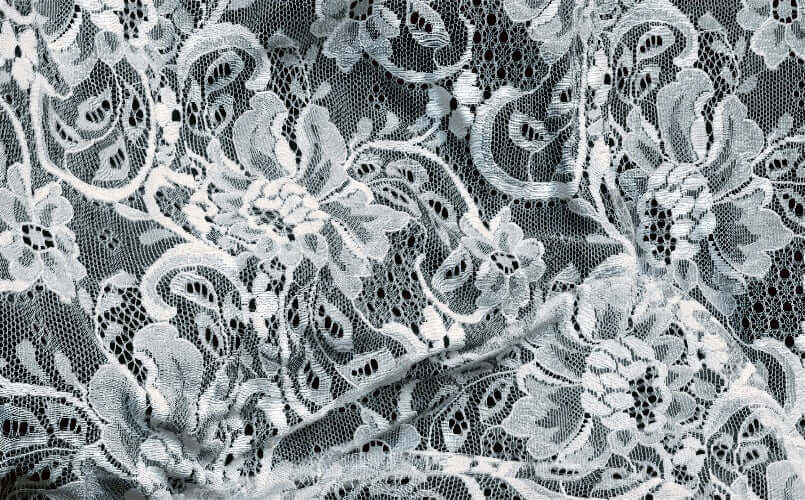
Botanical Overscale
Larger floral and botanical motifs arranged with intentional spacing. These designs feel modern, premium, and confident—perfect for Thai brands seeking elegance without excessive softness.
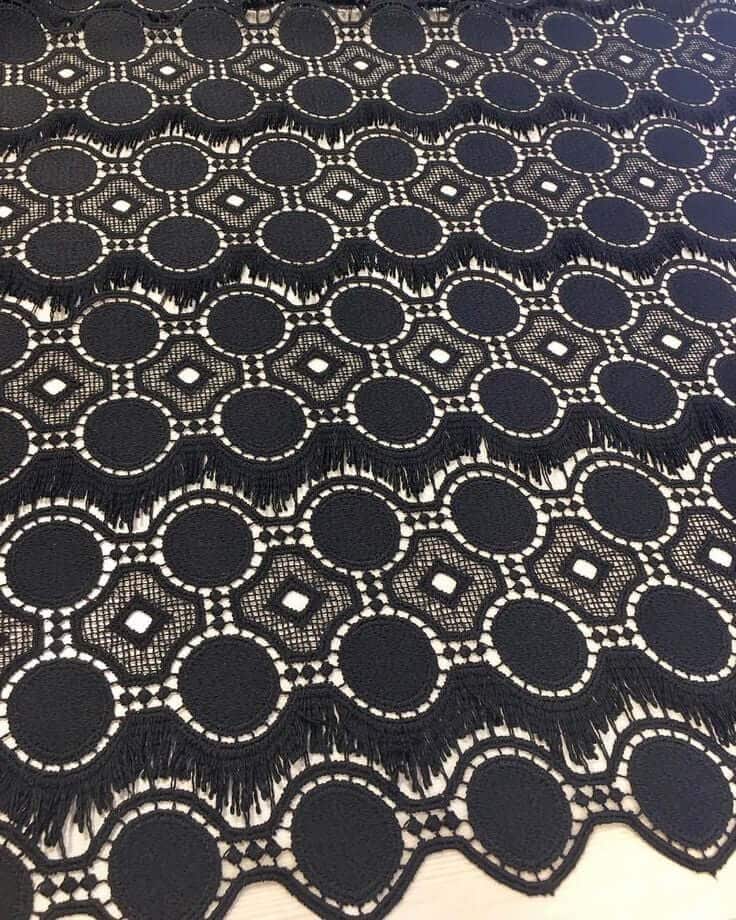
Abstract Geometry
Curved lines, rhythmic repeats, and architectural shapes dominate city-lux and international collections. These motifs pair exceptionally well with minimal silhouettes.
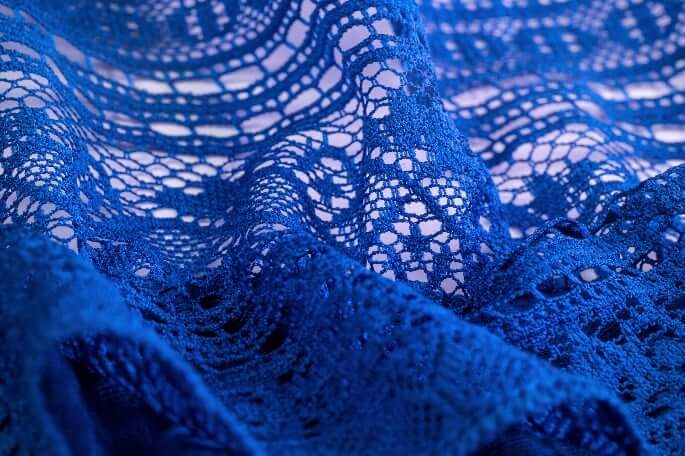
Negative Space & Airy Patterning
Transparency becomes an intentional design feature. Open areas enhance breathability, visual lightness, and tropical wearability.
Border & Placement Motifs
Lace engineered with defined borders simplifies pattern construction while delivering high visual impact at hems, sleeves, and necklines.
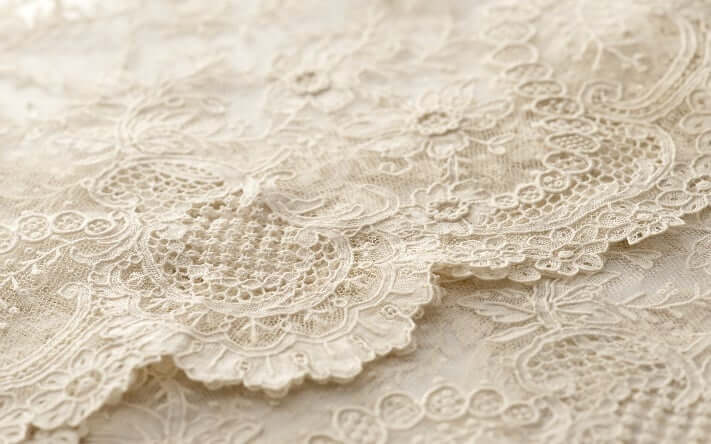
These motif directions align strongly with refined French aesthetics, where lace is expressive without being excessive. Brands interested in this balance can reference how French lace creates an elegant and luxurious fashion look
Texture & Drape: Where Price Perception Is Created
In couture lace embroidery styles, texture is the primary driver of perceived value—but only when balanced with comfort.
Key developments include:
Soft Grounds with Reinforced Embroidery
Fine net or tulle bases combined with controlled embroidery density create dimensional depth without weight.
Raised Motifs & Corded Effects
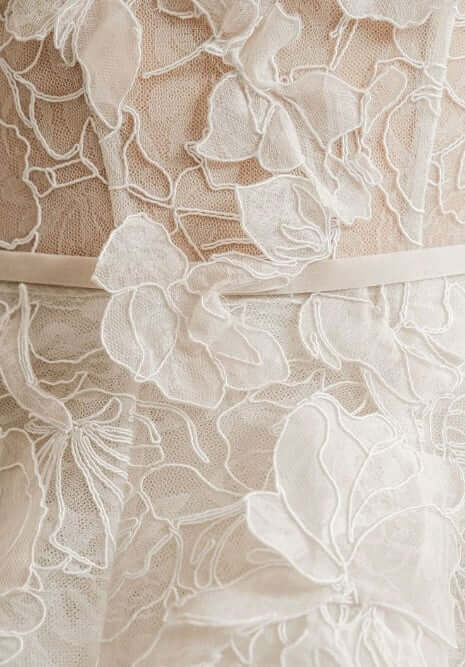
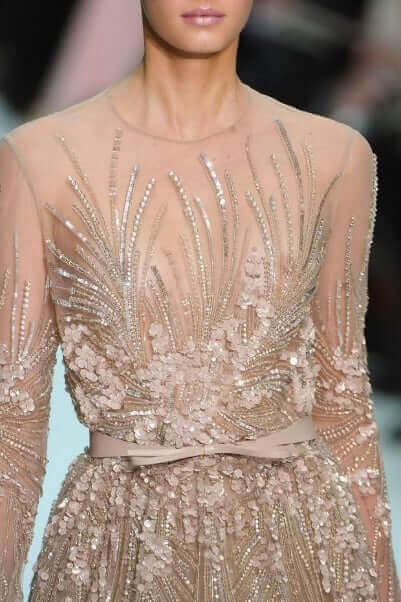
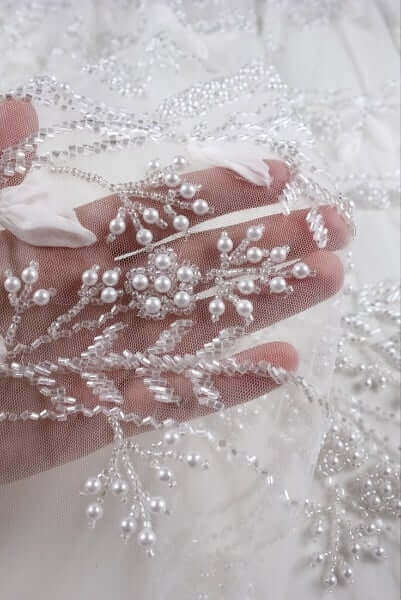
Three-dimensional embroidery adds tactile richness and elevates perceived value—ideal for eveningwear and bridal collections.
Structure Without Stiffness
Fabrics must hold form without rigidity, ensuring garments move naturally and flatter the body.
Layerable Sheerness
Controlled transparency enables sophisticated layering with satin, crepe, or lightweight linings.
Color Direction: Modern Luxury Tones
Color trends for lace in 2026 emphasize warm neutrals, muted metallics, dusty pastels, and soft black. These tones align naturally with the rising interest in sustainable fabrics that feel premium rather than technical.
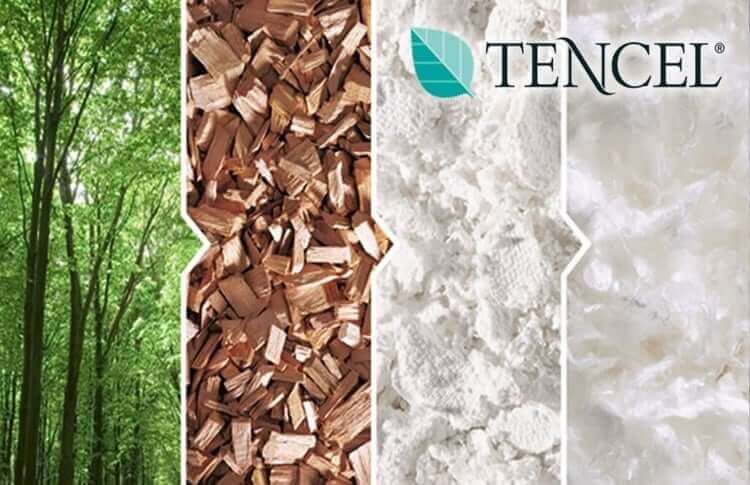
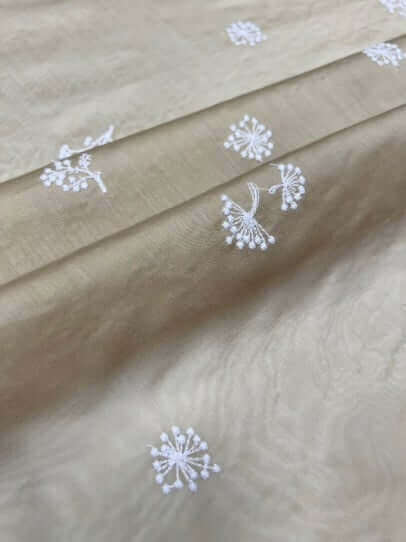
Designers exploring this direction often pair cotton lace or eco-friendly fibers with modern silhouettes. For deeper insight, see why eco-friendly lace fabric is becoming a strategic move for conscious fashion brands
Innovations such as TENCEL™ and next-generation eco fibers further support this trend, discussed in TENCEL™: the new eco-friendly textile innovation
How Thai Brands Can Apply These Trends Strategically
1. Build Collections Around 2–3 Core Lace Qualities
Instead of spreading across many lace types, successful brands focus on:
- One hero lace for premium styles
- One commercial lace for volume sellers
- One lightweight lace for layering
This strategy supports MOQ control, color consistency, and repeatability.
2. Source Fabrics for Beauty and Stability
In fabric sourcing for designers, beauty alone is no longer enough. Brands must evaluate:
- Pattern repeat accuracy
- Color consistency across production lots
- Motif scale stability
- Long-term stock availability
A visually stunning lace that cannot be reordered is a business risk—not an asset.
3. Develop Signature Lace and Long-Term Partnerships
As brands mature, investing in custom lace patterns for brands becomes a strategic advantage. This may include:
- Adjusting motif scale for brand recognition
- Designing exclusive border placements
- Selecting base structures optimized for Thai climate
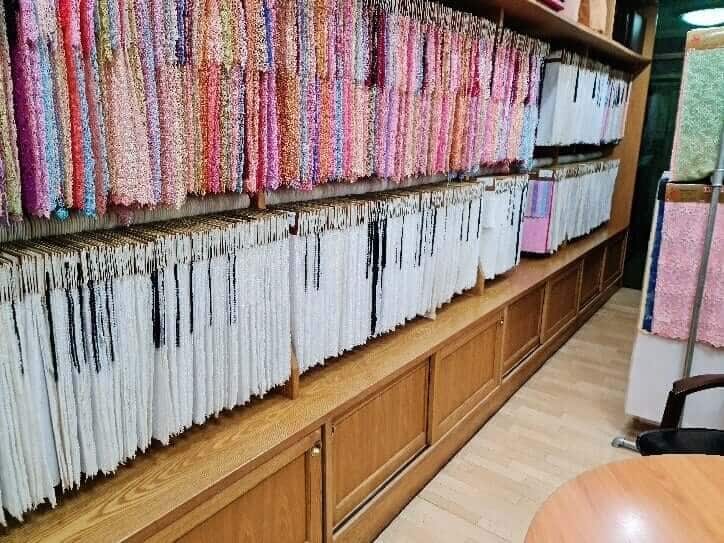
Signature lace builds brand memory and protects against market saturation. For brands and manufacturers ready to take this step, scheduling a direct consultation or showroom appointment with United Lace provides hands-on access to lace collections, technical guidance, and sourcing support
4. Design for Tropical Wearability
To ensure real-world comfort:
- Choose airy base structures
- Control embroidery density
- Use skin-tone or half linings
- Limit metallic threads to accent areas
Recommended Lace Types for 2026 Collections
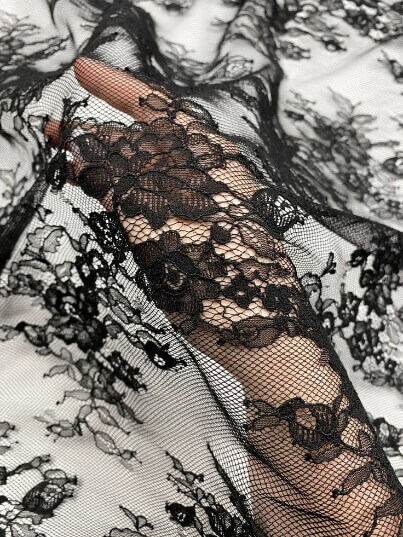
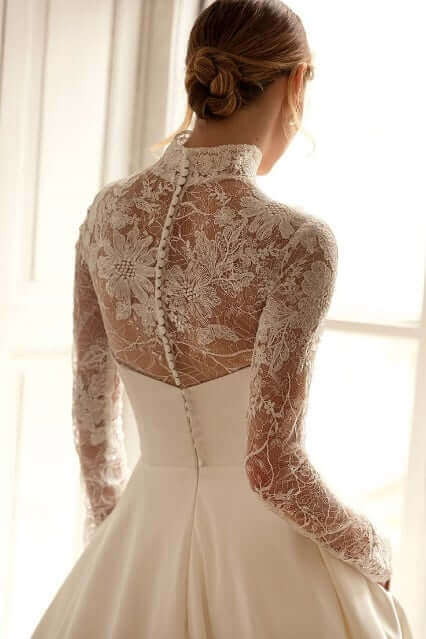
Chantilly Lace: Timeless, Soft, and Commercially Powerful
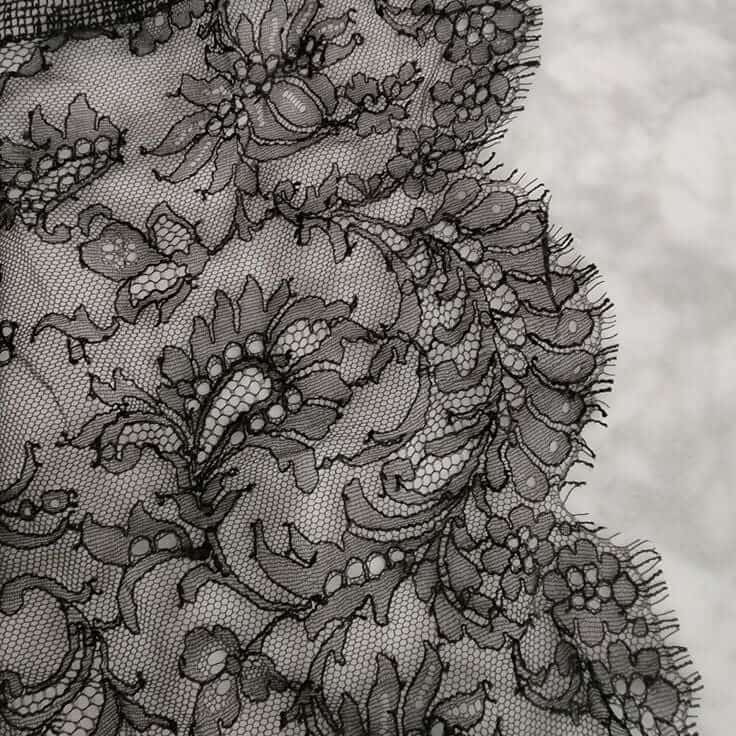
Chantilly lace remains essential due to its fine net ground, elegant motifs, and fluid drape. In 2026, modern Chantilly balances effortless luxury with repeatable production, making it ideal for long-term brand building
Guipure Lace: Structure That Elevates Price
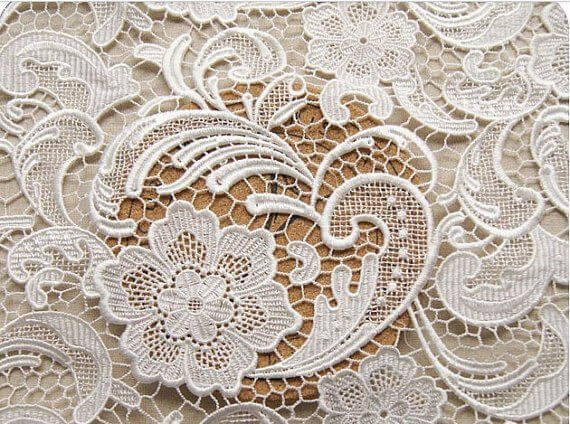
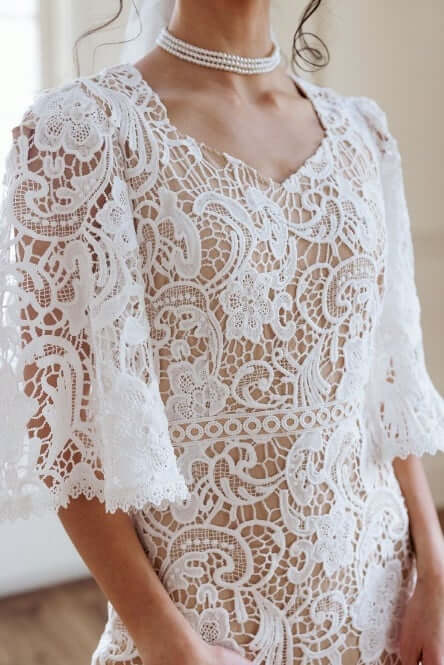
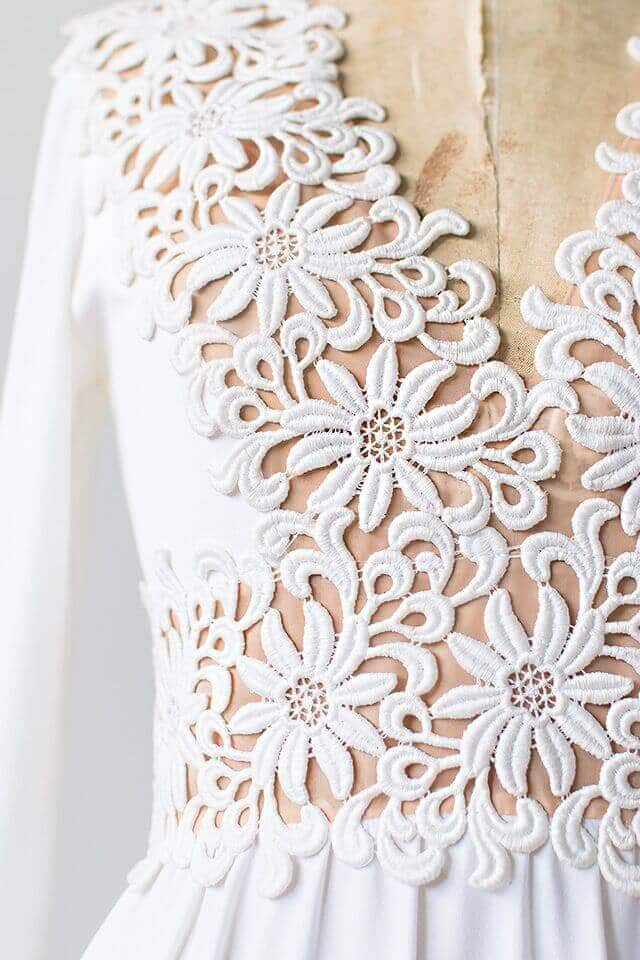
Guipure lace is defined by bold raised motifs and architectural presence. In 2026, it becomes a pricing accelerator, delivering instant premium perception without excessive design complexity.
French Lace: Couture-Level Brand Elevation
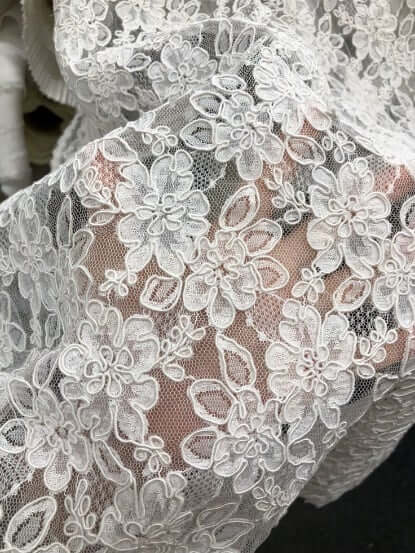
French-style lace offers fine detailing, refined transparency, and scalloped edges. It delivers layered value—luxury perception, detail-driven pricing, and quiet confidence—ideal for brands moving upmarket.
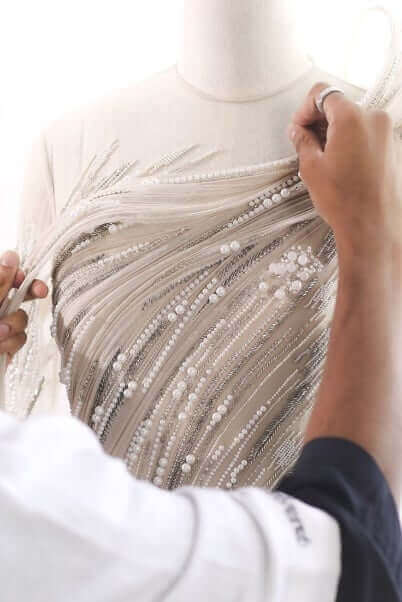
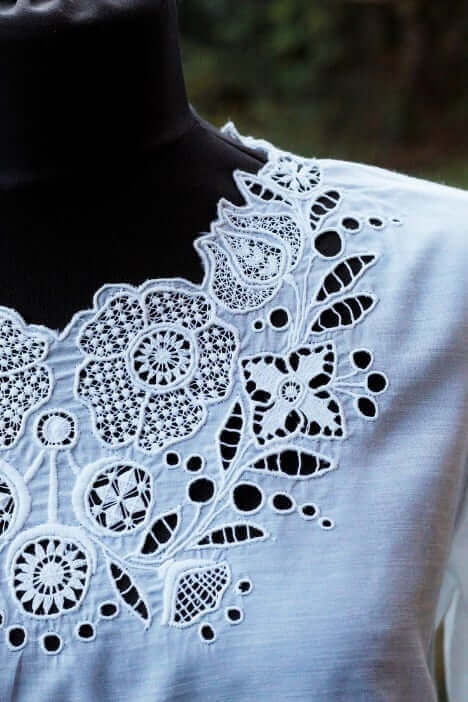
Embroidered Lace: Dimension, Value, Impact
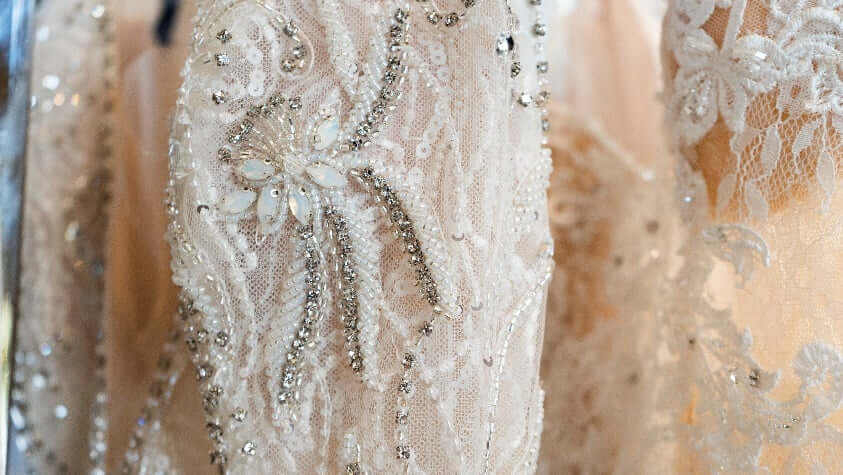
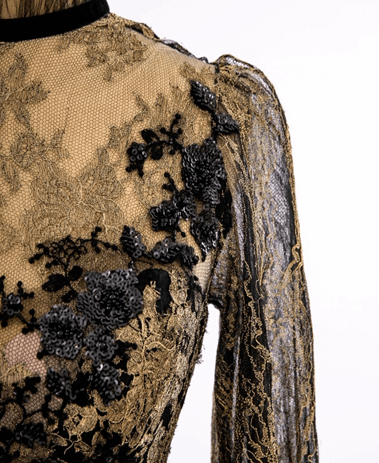
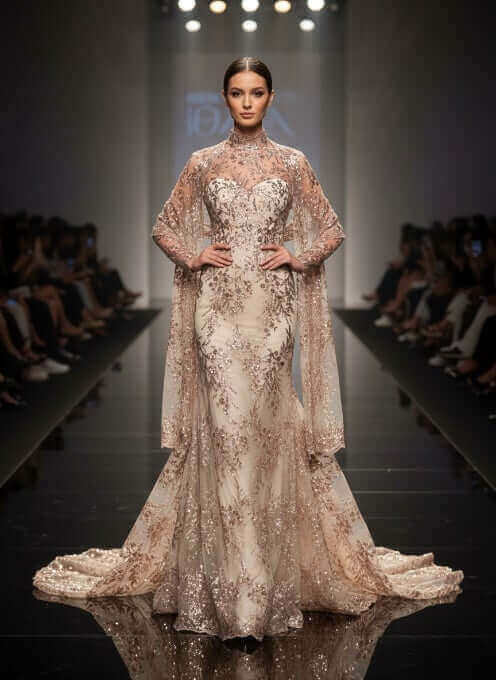
Embroidered lace offers flexibility in style and density. When balanced correctly, it becomes a hero material that combines visual drama with commercial viability.
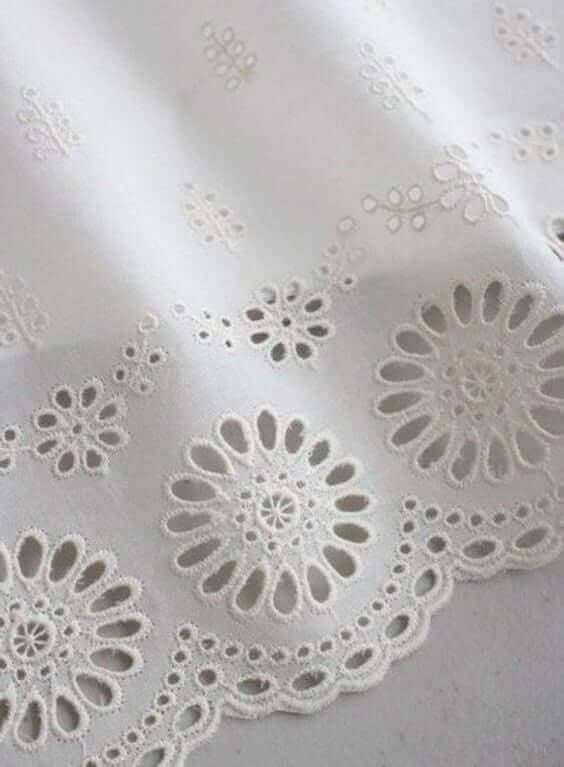
Cotton Lace: Breathable, Natural, Long-Term Seller
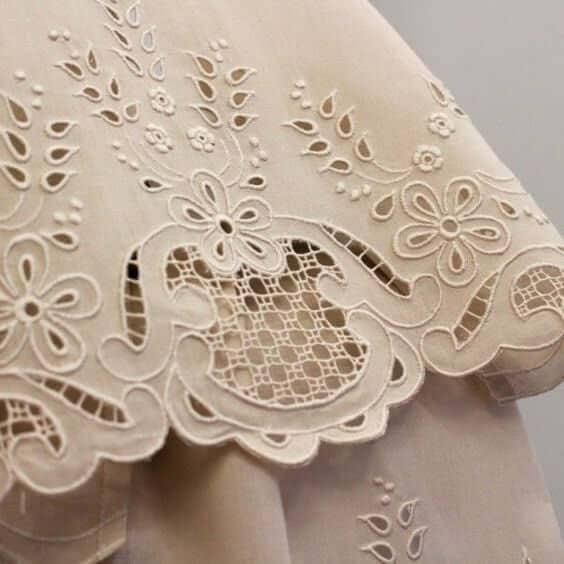
Cotton lace aligns strongly with sustainable fabrics and premium daywear. Matte texture, breathability, and repeatability make it a reliable revenue driver for Thai brands.
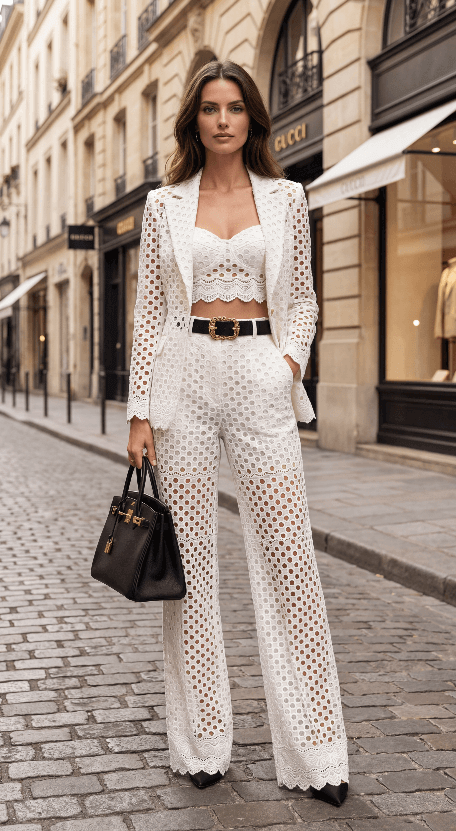
Tulle Lace: Lightweight Luxury with Illusion
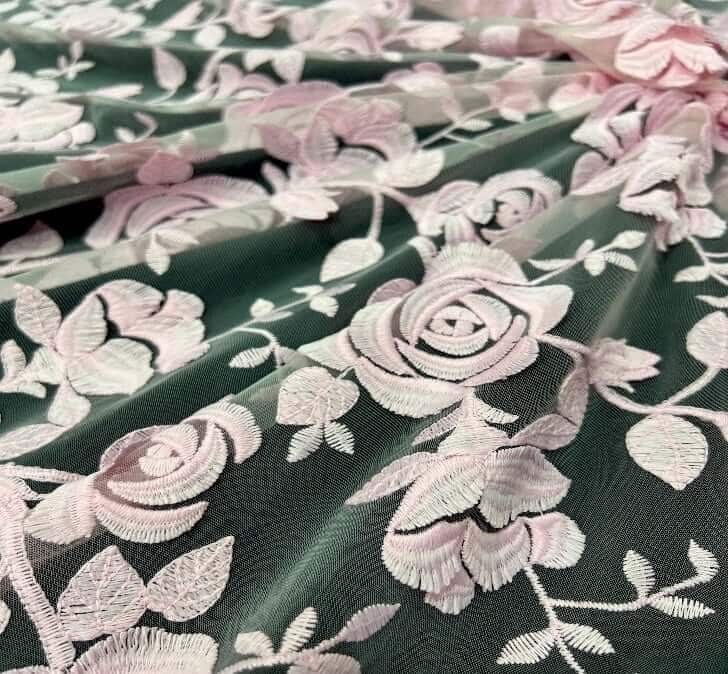
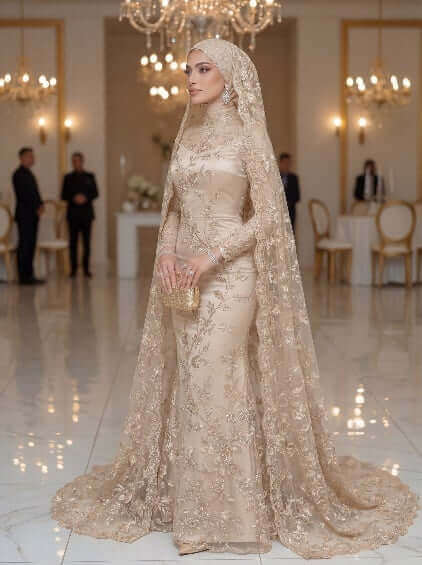
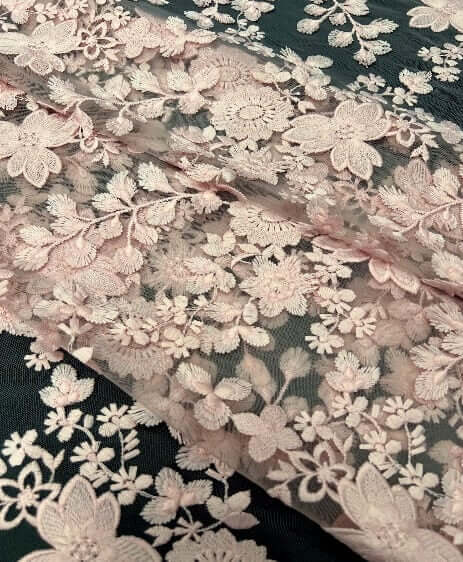
Tulle lace enables controlled transparency and refined layering. It remains essential across bridal, eveningwear, and occasionwear categories.
Conclusion: Lace as a Business Advantage in 2026
The fashion industry in 2026 does not reward excess—it rewards clarity, precision, and fabric intelligence.
Brands that succeed will be those that choose lace and fabrics that are:
- Structurally intelligent
- Comfortable in real climates
- Stable for repeat production
- Aligned with long-term brand strategy
When understood strategically, lace becomes more than a decorative textile—it becomes a scalable business advantage.
For designers, garment manufacturers, and brand owners preparing 2026 collections, working with a trusted premium lace supplier Bangkok ensures access not only to fabric, but to knowledge, continuity, and production confidence.
To explore premium lace and embroidery fabrics for your next collection, contact United Lace.
We support fashion brands and garment manufacturers across Thailand and global markets with expert sourcing, ready stock, and long-term partnership.
FAQs
What are the key fabric and lace trends for 2026?
A : The key fabric and lace trends for 2026 focus on production-ready luxury, emphasizing materials that are visually refined, structurally stable, and scalable for commercial manufacturing. Major trends include architectural lace motifs, controlled transparency, soft drape with dimensional embroidery, and color palettes such as warm ivory, muted metallics, dusty pastels, and soft black. Lace is increasingly used as a main structural fabric rather than decorative trim.
Why is lace becoming more important for fashion brands in 2026?
A : In 2026, lace is no longer just an embellishment—it has become a core fabric that defines brand identity. High-quality lace offers immediate value perception, enhances garment pricing, and creates differentiation that is difficult to replicate. For fashion brands, lace also provides versatility across categories such as eveningwear, bridal, resort-lux, and premium
Which lace fabrics are best for hot climates like Thailand?
A : The best lace fabrics for hot and humid climates include Chantilly lace, cotton lace, tulle lace, and lightweight Guipure lace. These lace types offer breathability, controlled transparency, and comfortable drape. When paired with appropriate lining strategies—such as skin-tone or half linings—they provide both comfort and luxury suitable for tropical wear.
What is the difference between Chantilly lace and Guipure lace?
A : Chantilly lace is characterized by a fine net ground, soft drape, and delicate motifs, making it ideal for fluid silhouettes and effortless luxury. Guipure lace, on the other hand, features bold, raised motifs connected by bars instead of a net base, offering a more structured, architectural appearance. Chantilly suits soft feminine designs, while Guipure is often used to elevate price positioning and create strong visual impact.
How can fashion brands use lace as a main fabric instead of decoration?
A : Fashion brands can use lace as a main fabric by selecting lace with structural integrity, controlling motif density, and engineering proper lining and pattern construction. Lace can form the entire body of dresses, tops, or skirts, or be used in large panels and overlays. This approach increases perceived value while maintaining design clarity and production feasibility.
What should designers consider when sourcing lace fabric in 2026?
A : When sourcing lace in 2026, designers should evaluate repeatability, color consistency, motif stability, sewing performance, and stock continuity. A beautiful lace that cannot be reordered consistently poses a commercial risk. Successful fabric sourcing prioritizes both aesthetics and long-term production reliability.
Are sustainable lace fabrics part of 2026 fashion trends ?
A : Yes. Sustainable fabrics play a growing role in 2026, particularly cotton lace, eco-friendly lace, and responsibly sourced embroidery bases. The focus is on sustainability that feels authentic and premium—not overly technical. Brands increasingly prefer natural textures, breathable structures, and materials that align with long-term wearability rather than fast-fashion cycles.
How does lace affect garment pricing and brand perception ?
A : High-quality lace significantly enhances perceived value and price positioning. Dimensional motifs, refined textures, and well-balanced transparency communicate craftsmanship and luxury. When used strategically, lace allows brands to raise retail prices without increasing design complexity, making it a powerful tool for both branding and profitability.
What lace colors will be popular in 2026 collections ?
A : Popular lace colors for 2026 include warm ivory, almond, stone, champagne, soft bronze, dusty blush, sage grey, powder blue, and off-black. These tones convey modern luxury, photograph beautifully, and are versatile across domestic and export markets.
How can Thai fashion brands stay competitive using lace in 2026 ?
A : Thai fashion brands can stay competitive by focusing on fabric intelligence—selecting lace that is breathable, production-ready, repeatable, and aligned with brand identity. Developing signature lace, limiting collections to a few core lace qualities, and working with a reliable premium lace supplier ensures long-term scalability and differentiation in both local and international markets.
Where can designers and manufacturers source premium lace for 2026 collections ?
A : Designers and garment manufacturers can source premium lace from experienced wholesale specialists that offer ready stock, consistent quality, and B2B-focused support. Working with a trusted premium lace supplier in Bangkok allows brands to access trend-aligned lace fabrics, ensure repeatability, and receive expert guidance for commercial production.