Table of Contents
- Why Eco-Friendly Lace Is a Key Trend for 2026
- Demand for Natural and Recycled Fibers Is Exploding
- Policy Pressure from Major Markets
- What Is Eco-Friendly Lace — and How Is It Different?
- The Leading Types of Eco-Friendly Lace for 2026
- Which Eco-Friendly Lace Fits Which B2B Segment?
- How Eco-Friendly Lace Is Used Across Fashion Segments in 2026
- Eco-friendly lace in kidswear:
- The Role of United Lace in the Era of Eco-Friendly Lace
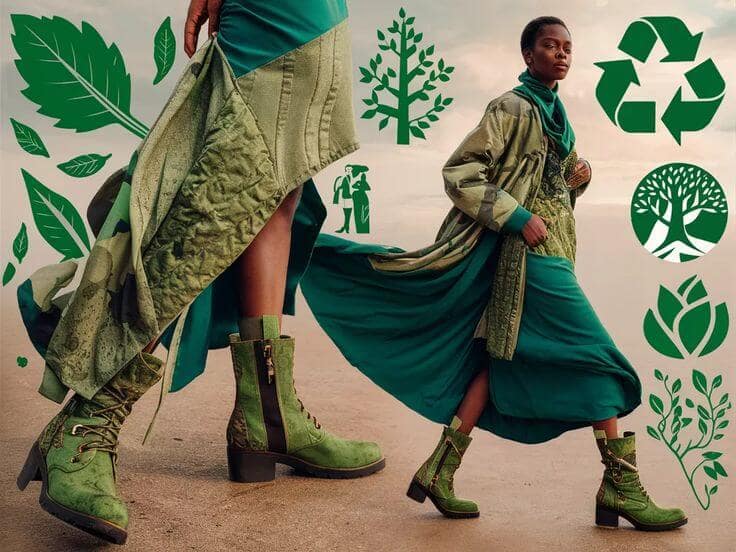
Over the past 3–5 years, the global fashion industry has been undergoing a major transformation driven by sustainability and the urgent need to use more eco-friendly materials. From luxury maisons to fast fashion giants, brands are setting clear targets to reduce carbon emissions, increase the use of recycled fibers, shift into sustainable raw materials, and actively support a circular fashion system.
Within this transformation, one fabric category is becoming especially important for 2026 and beyond: Eco-Friendly Lace. Sustainable lace is emerging as a key material for brands that want modern aesthetics, responsible sourcing, and a new definition of Responsible Luxury.
Between 2026–2030, the fashion world is entering an era where beautiful design and environmental responsibility must go hand in hand. For new-age brand owners, fashion designers, and garment manufacturers, eco-friendly lace fabric is no longer just a “nice to have” — it is quickly becoming a strategic advantage.
Why Eco-Friendly Lace Is a Key Trend for 2026
Sustainability Has Become the New Industry Standard
Traditionally, lace has been associated with craftsmanship, romance, and delicate beauty — especially in bridal, couture, and eveningwear. But in 2026, global brands are actively reframing the message: true luxury must also be sustainable.
New-generation consumers (especially Gen Y and Gen Z) increasingly choose to buy from brands that care about ethics, transparency, and environmental impact. Reports from global fashion and consumer trend studies show that the share of customers who check for sustainability claims, eco-labels, or ethical sourcing has risen significantly in just a few years, especially in Europe, the US, and advanced Asian markets.
As expectations rise, brands and manufacturers are under pressure to select fabrics with the lowest possible environmental footprint — including lace used in high-value categories like bridal, occasionwear, and premium ready-to-wear.
Demand for Natural and Recycled Fibers Is Exploding
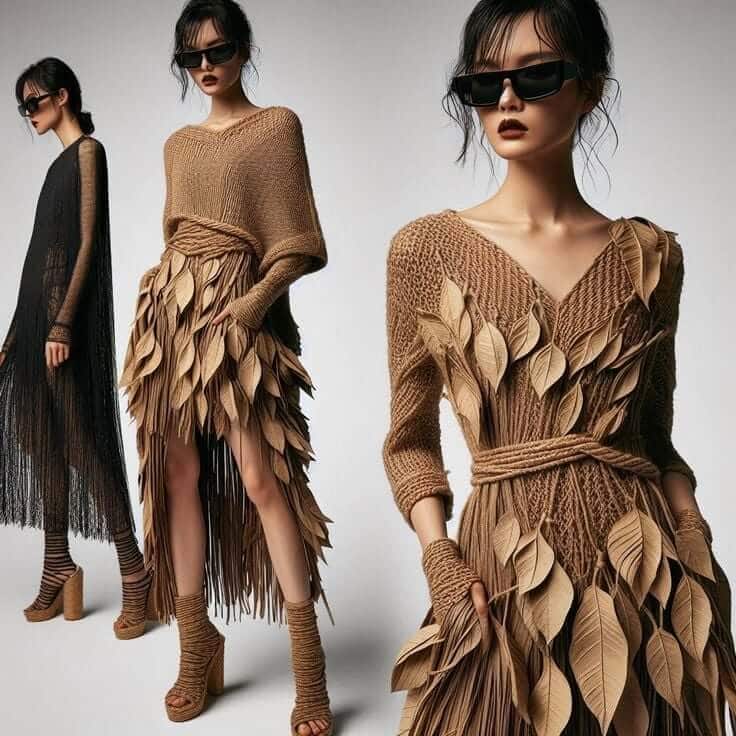
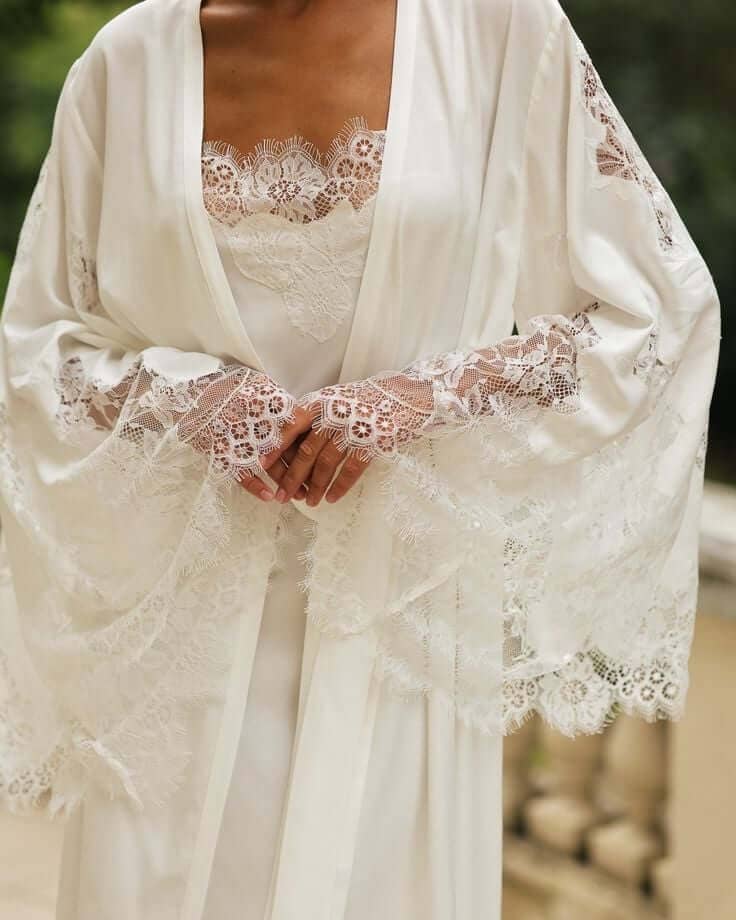
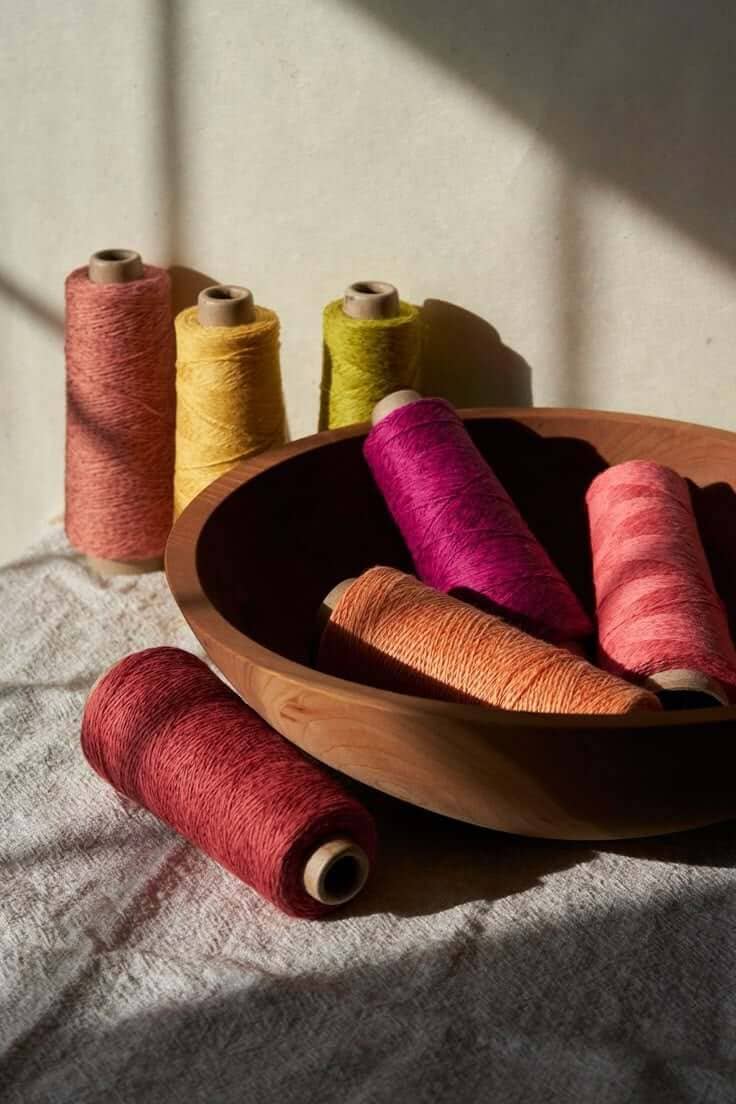
By 2026, the demand for natural, low-impact, and recycled fibers is no longer just a trend — it is rapidly becoming a baseline requirement in fashion business, from luxury and premium to more commercial brands that want to be perceived as “planet-conscious”.
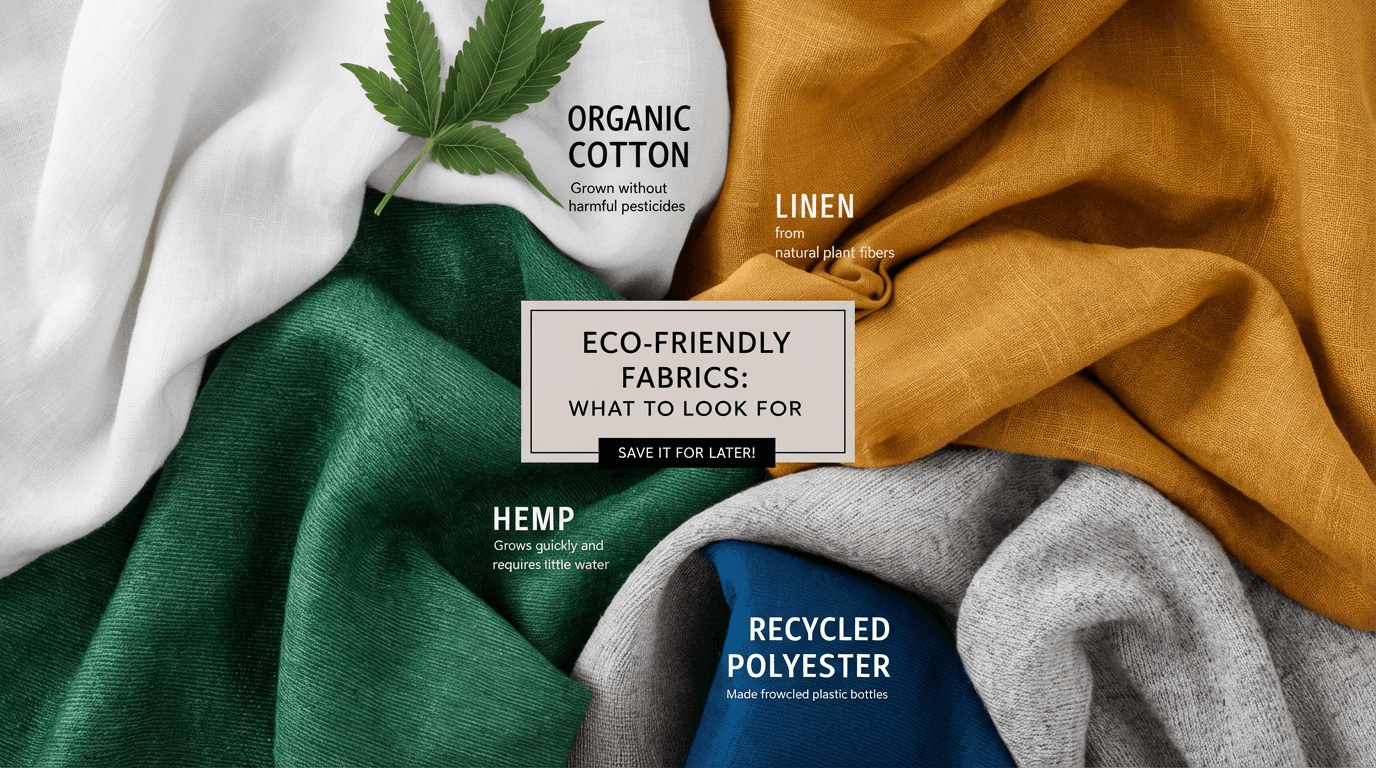
For eco-friendly lace fabric specifically, a few key fiber groups are leading the market conversation:
- Organic Cotton Lace
- Bamboo Fiber Lace
- Lyocell / Tencel Lace
- Recycled Polyester & Recycled Nylon Lace
These materials are recognised as “good for the planet and good for brand image”, especially when combined with credible certifications and traceability systems that track the fabric from mill to finished garment.
Policy Pressure from Major Markets
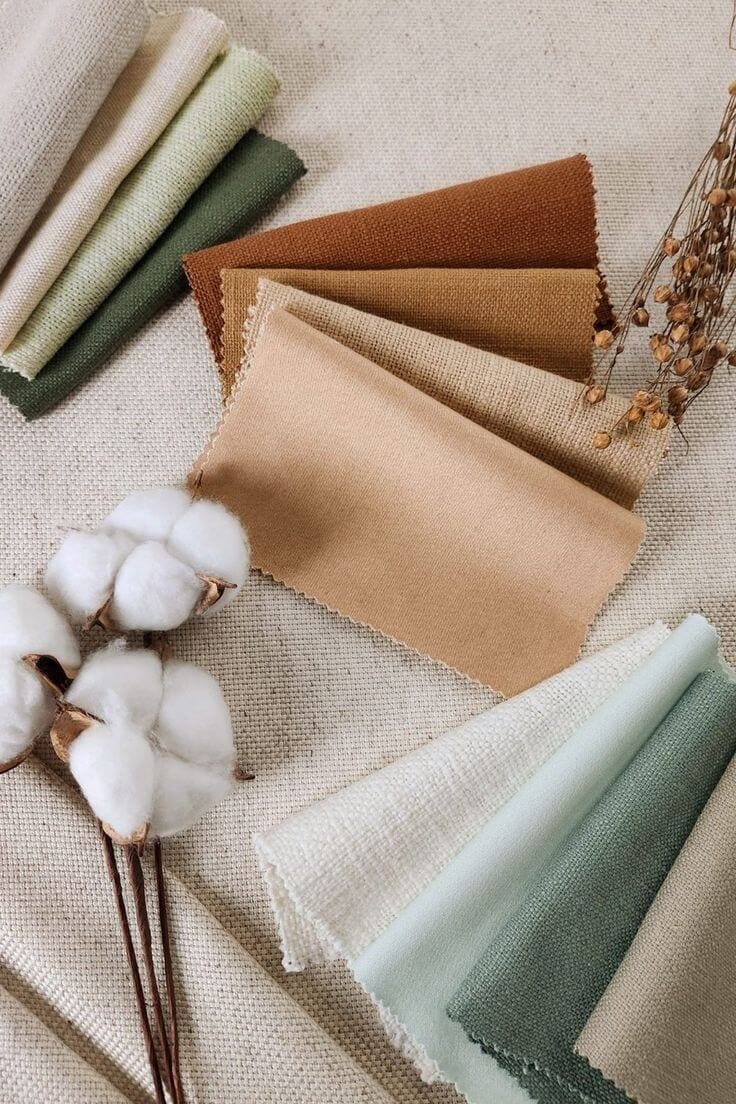
Large markets like the European Union, Korea, Japan, and the United States are introducing new rules for:
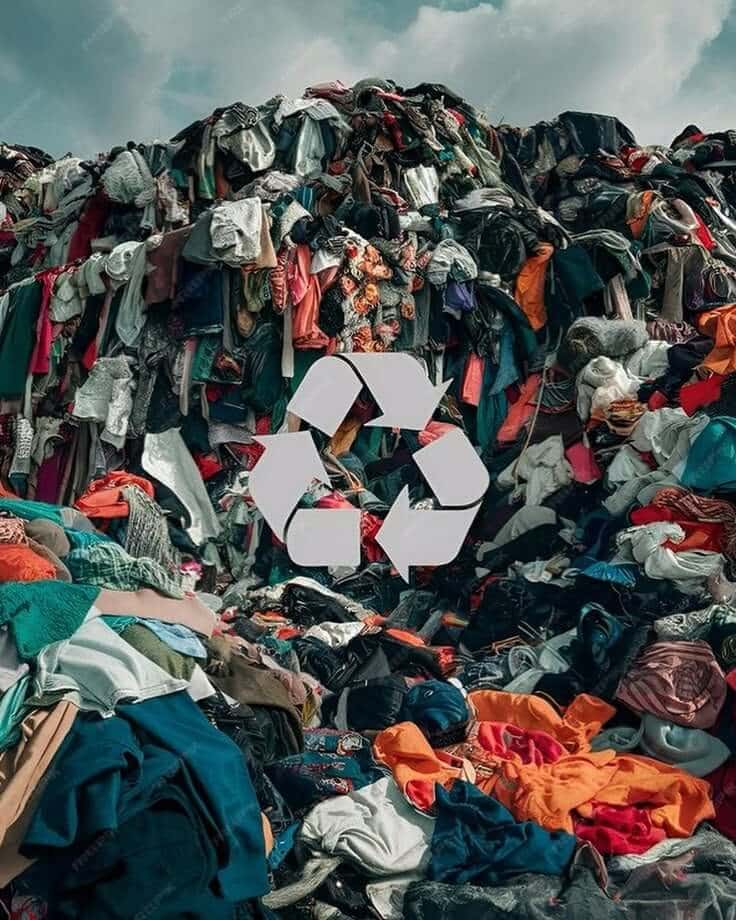
- Minimum percentages of recycled fibers in textiles
- Reduction of hazardous chemicals in dyeing and finishing
- Mandatory ESG reporting (Environmental–Social–Governance) for larger brands and manufacturers
For export-oriented factories and brands, this means lace fabrics must comply with stricter environmental standards. Using eco-friendly lace is therefore not only an ethical choice — it is also becoming a requirement for market access.
What Is Eco-Friendly Lace — and How Is It Different?
Eco-Friendly Lace refers to lace fabrics that are designed and produced with sustainability in mind: using low-impact materials, reducing energy and water consumption, limiting harmful chemicals, and enabling recyclability wherever possible.
Key characteristics include:
1. Use of Natural or Recycled Fibers
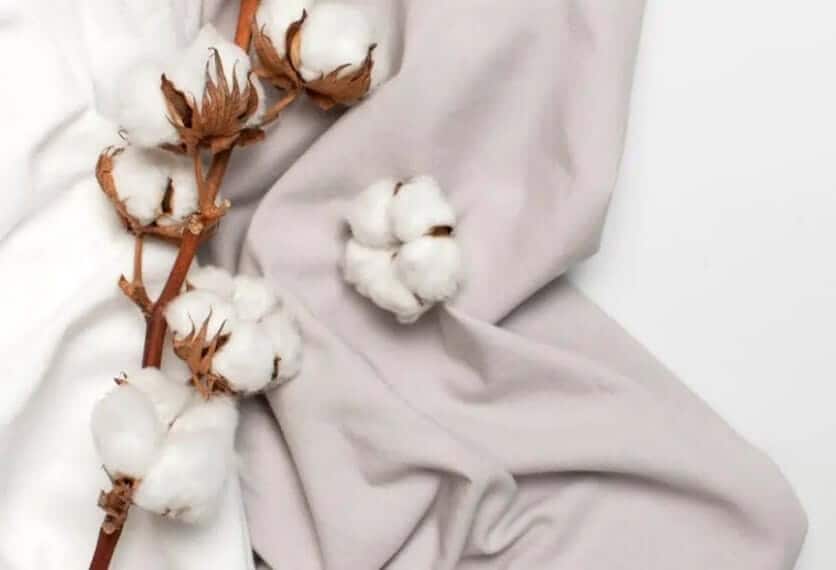
a) Organic Cotton
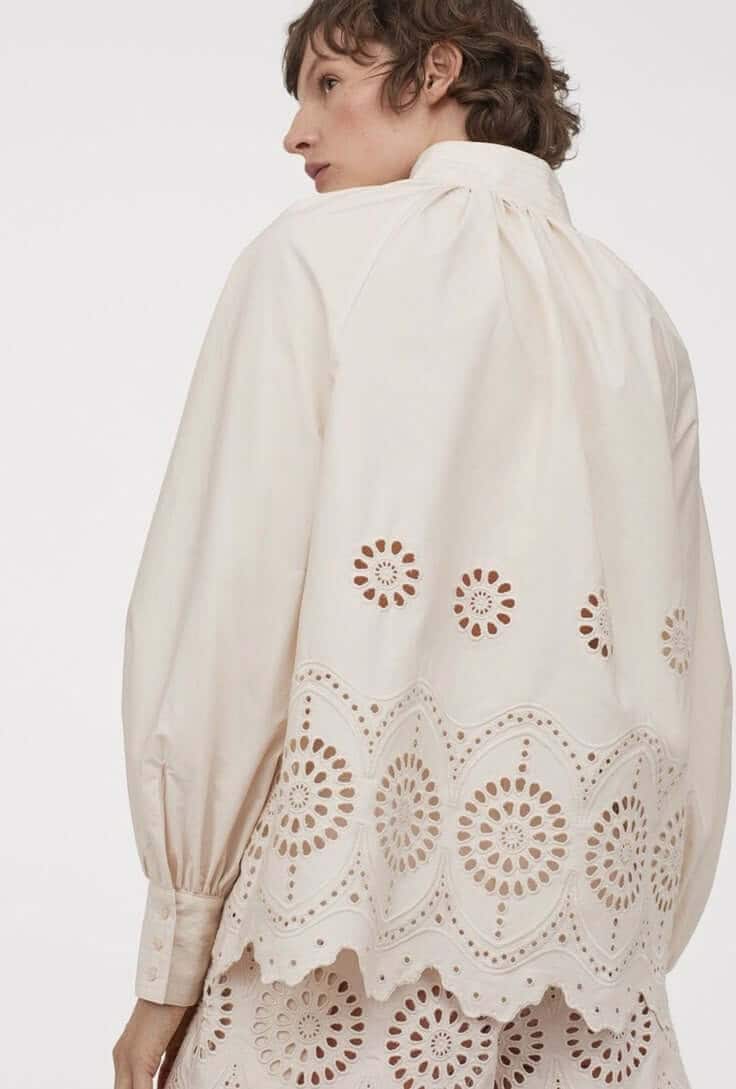
- Commonly used in cotton lace, eyelet lace, and cotton appliqué lace
- Offers a natural, breathable, soft-touch hand feel
- Performs exceptionally well in hot, humid climates like Thailand and ASEAN
- Ideal for:
- Resortwear and summer dresses
- Casual-luxe shirts and tops
- Muslim fashion that needs coverage yet breathability
- Everyday dresses and childrenswear
b) Recycled Polyester / Recycled Nylon
- Derived from post-consumer PET bottles, textile waste, or pre-consumer offcuts
- Perfect for lace base, tulle, Raschel lace, and fancy all-over lace
- Advantages:
- Sharp, crisp motifs with high detail
- Controlled stretch and recovery
- High durability, suitable for high-use garments
- Ideal for:
- Evening gowns and occasionwear
- Premium ready-to-wear dresses and blouses
- Muslim gowns, abayas, and kaftans
- Brands and factories that produce medium to high volume
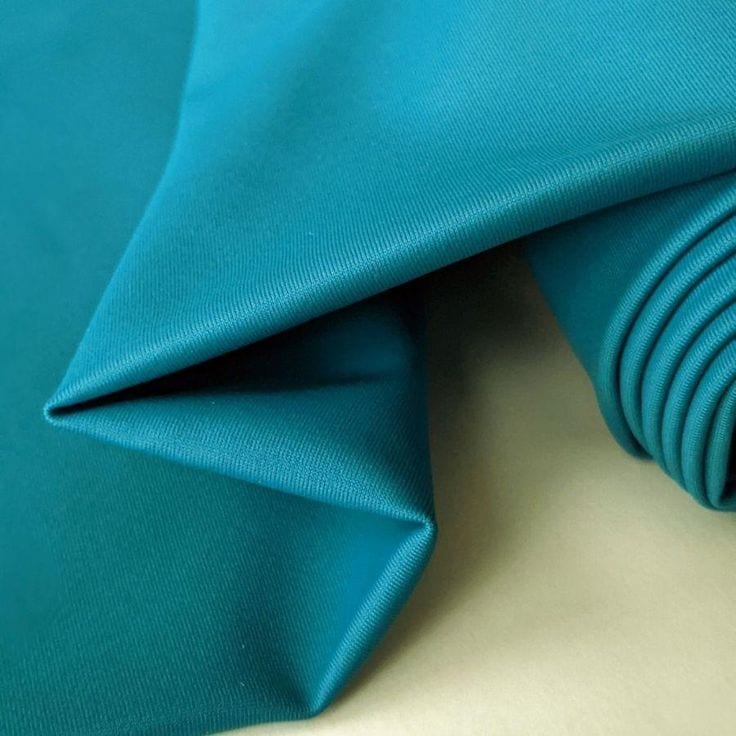
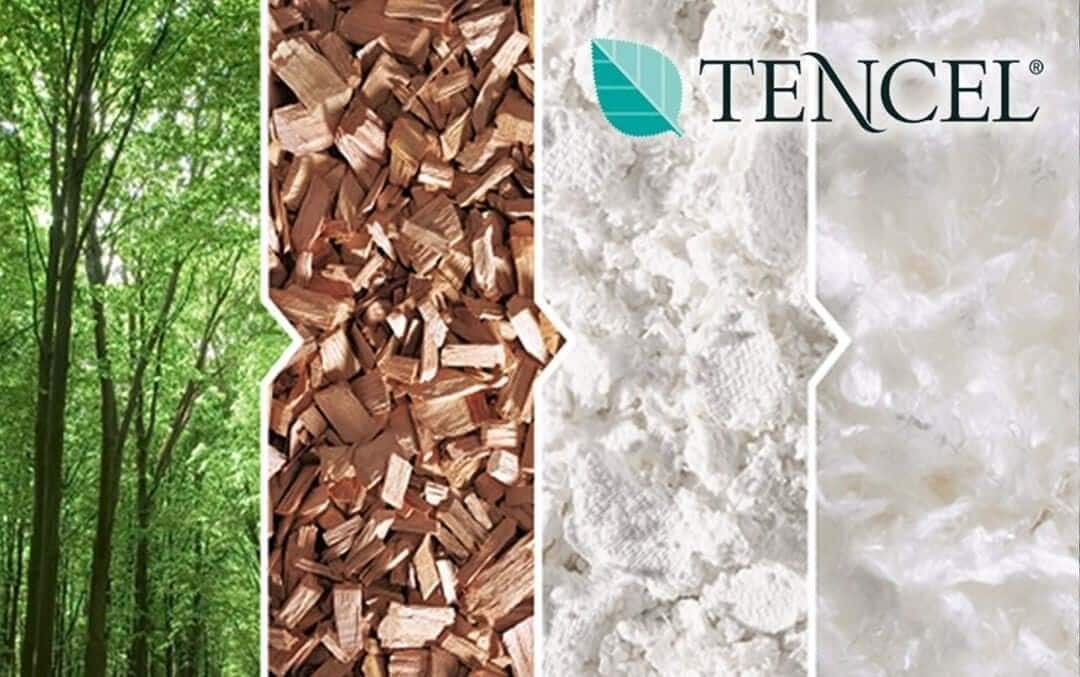
c) Bamboo, Lyocell (Tencel), Modal
- Used in base fabrics or blended with other fibers
- Characteristic hand feel:
- Ultra-soft, smooth touch
- Beautiful drape with a luxurious fall
- Ideal for brands with positioning such as:
- “Soft, gentle, natural”
- Wellness, loungewear, and comfort-driven fashion
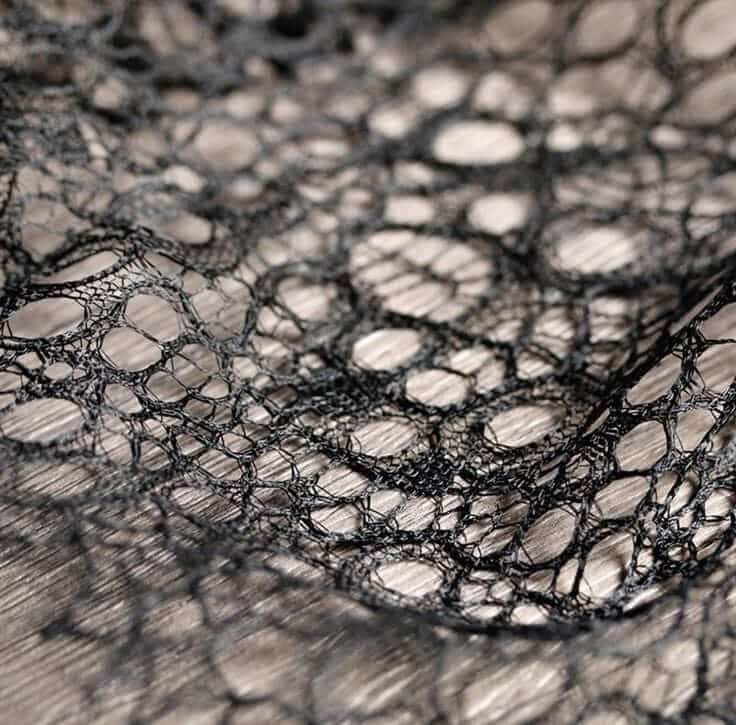
d) Next-Generation Plant-Based & Bio-Based Fibers
- Fibers derived from plants such as corn, sugarcane-based polyester, and other bio-based polymers
- Still emerging but increasingly popular in high-end and experimental fashion
- Offer strong storytelling for brands that want to be pioneers in sustainable material innovation
2. Reduced Water & Energy Use in Production
Mills that specialise in sustainable lace production often invest in:
- Energy-saving machinery
- Water-saving dyeing techniques
- Zero-waste or low-waste systems for managing textile offcuts and dye effluent
For eco-conscious brands and manufacturers, these improvements support better life-cycle impact across the entire value chain — from yarn spinning to finished garment.
3. Safer, Skin-Friendly Chemicals
For categories such as bridalwear, kidswear, lingerie, and premium ready-to-wear, skin safety is critical.
Eco-friendly lace aims to:
- Minimise use of harsh chemicals
- Reduce or eliminate toxic dyes and finishes
- Meet international safety standards for skin contact
This is especially important for:
- Brides wearing lace gowns and veils for long hours
- Children’s dresses and family look collections
- Modest fashion where garments cover a large area of the body
4. Supporting a Circular Textile Economy
Certain eco-friendly lace constructions can be:
- Recycled or down-cycled at the end of life
- Used as raw material for new fabrics
- Integrated into upcycling and reconstruction projects for capsule collections
This supports the vision of circular fashion, where lace is not just beautiful at first wear, but can continue its life in new forms.
The Leading Types of Eco-Friendly Lace for 2026
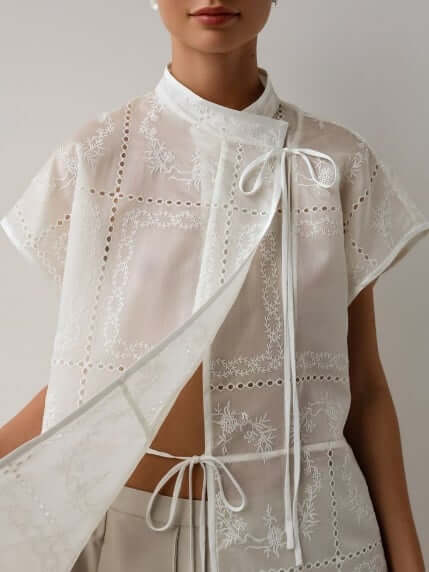
1. Organic Cotton Lace
This is lace knitted or woven from certified organic cotton, grown without synthetic pesticides or fertilisers.
Key features:
- Hand feel: Soft, non-irritating, ideal for sensitive skin
- Breathability: Excellent airflow — perfect for tropical climates
- Weight: Light to medium, depending on construction (eyelet, lace, appliqué)
- Brand impression: Conveys “natural, soft, breathable, relaxed luxury”
Best suited for:
- Resortwear and summer holiday collections
- Natural / minimal / earth-tone apparel lines
- Muslim fashion that combines coverage with comfort
- Kidswear and family looks where parents want safe, skin-friendly fabrics
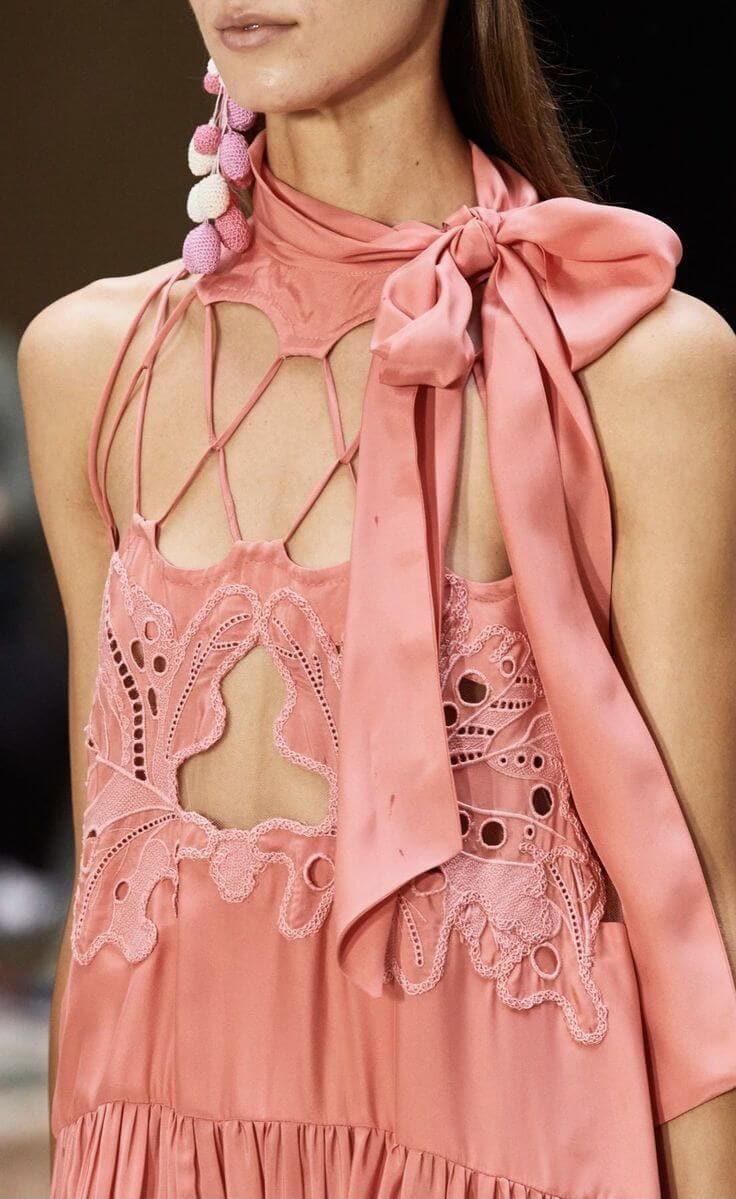
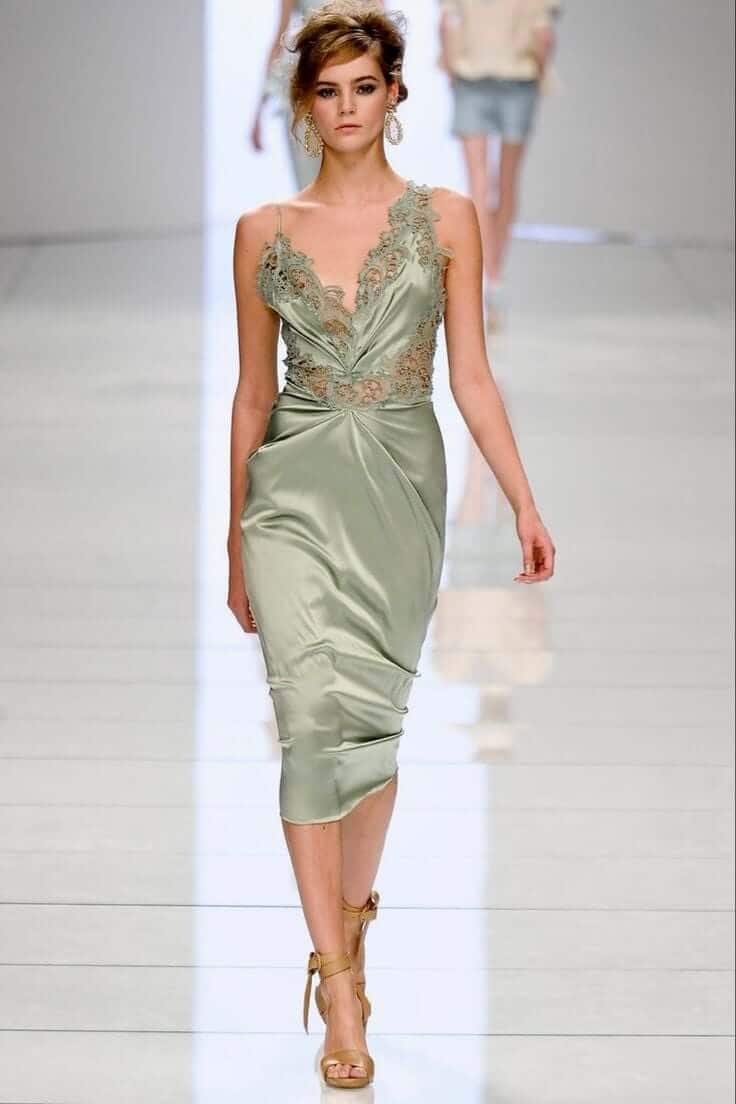
2. Recycled Polyester / Recycled Nylon Lace
This category is driving much of the eco-friendly lace conversation in eveningwear, RTW, and modest fashion.
Key features:
- Highly defined motifs — ideal for detailed florals and geometric patterns
- Excellent shape retention and durability
- Works beautifully in:
- Raschel lace
- Fancy lace
- Tulle and net bases
- All-over patterned lace
Best suited for:
- Red-carpet and special-occasion gowns
- Premium ready-to-wear dresses, skirts, and lace tops
- Muslim ceremonial gowns and abayas
- Brands that need scalable production and consistent quality across re-orders
3. Bamboo & Plant-Based Lace
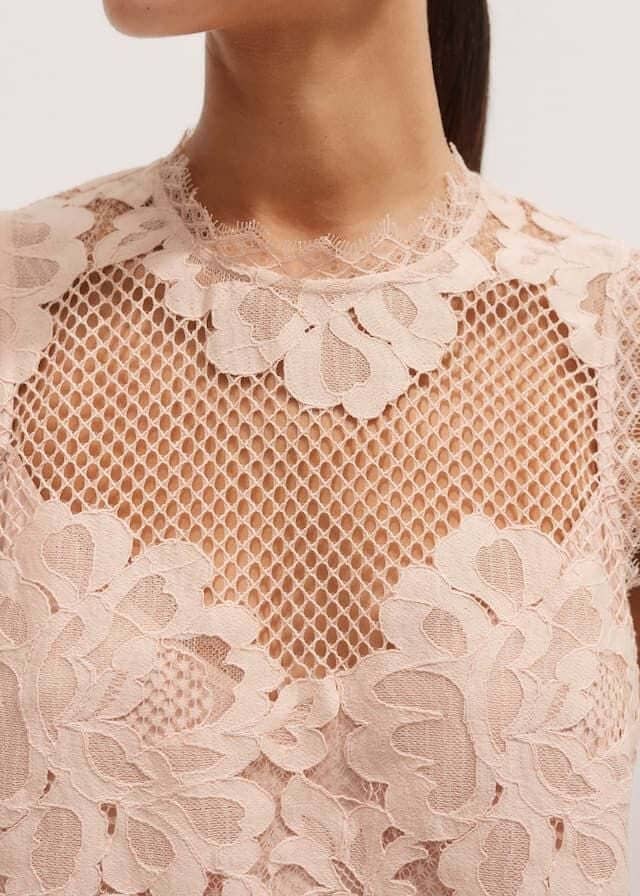
Lace made with bamboo or other fast-growing plant fibers offers a fresh, wellness-driven image.
Key features:
- Soft, smooth surface with a cool touch
- Good breathability
- Often has natural antibacterial properties (depending on process)
- Creates a mood of “clean, fresh, natural comfort”
Best suited for:
- Wellness and lifestyle brands
- Yoga and lounge collections that want to integrate lace details
- Resort and beach collections focusing on comfort + eco values

4. Tencel / Lyocell Lace
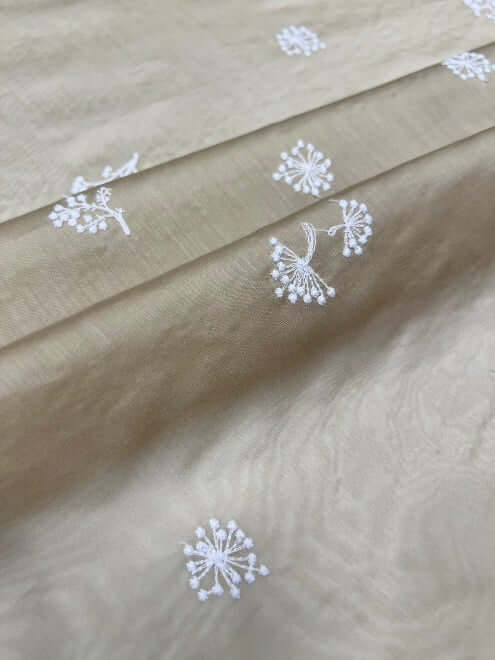
Lyocell (often branded as Tencel) is a new-generation cellulosic fiber gaining popularity in high-end sustainable lace.
Key features:
- Ultra-soft hand feel with a natural, subtle sheen
- Luxurious drape — perfect for gowns and long dresses
- Less “plastic shine” than conventional polyester
Best suited for:
- Lace bases and linings in bridal gowns
- Mother-of-the-bride dresses and evening ensembles
- Sophisticated ready-to-wear where “Soft Luxe” is the key message
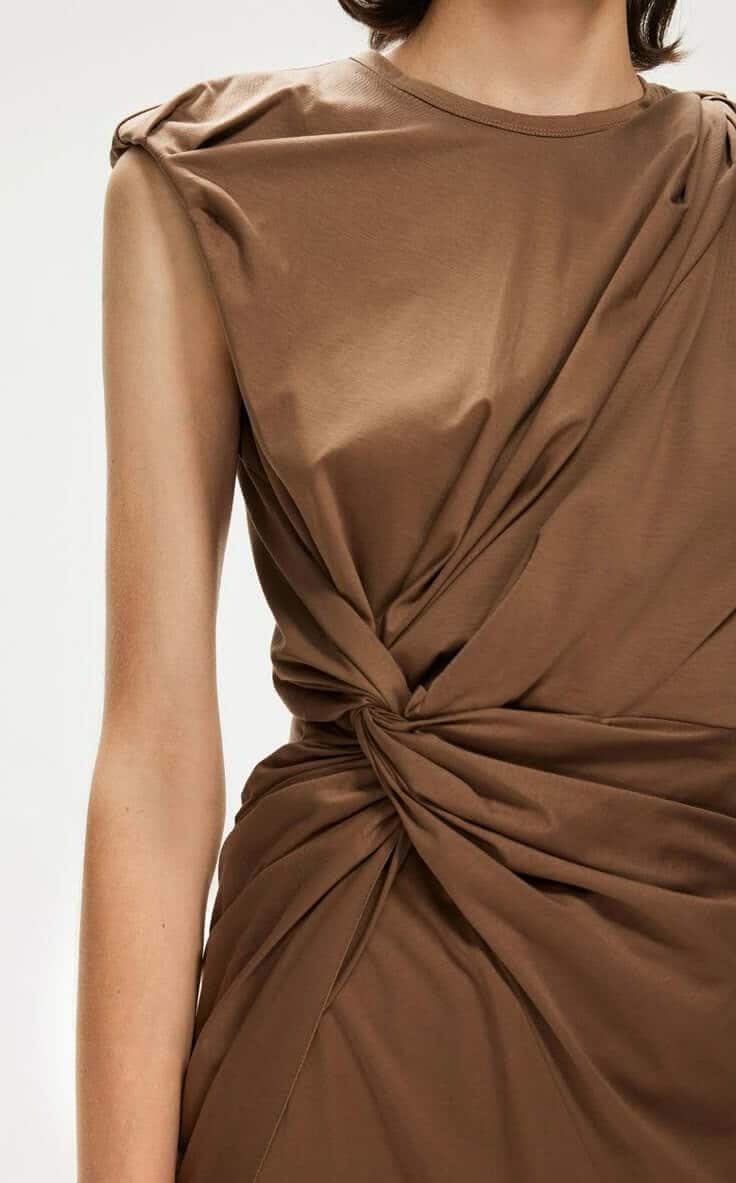
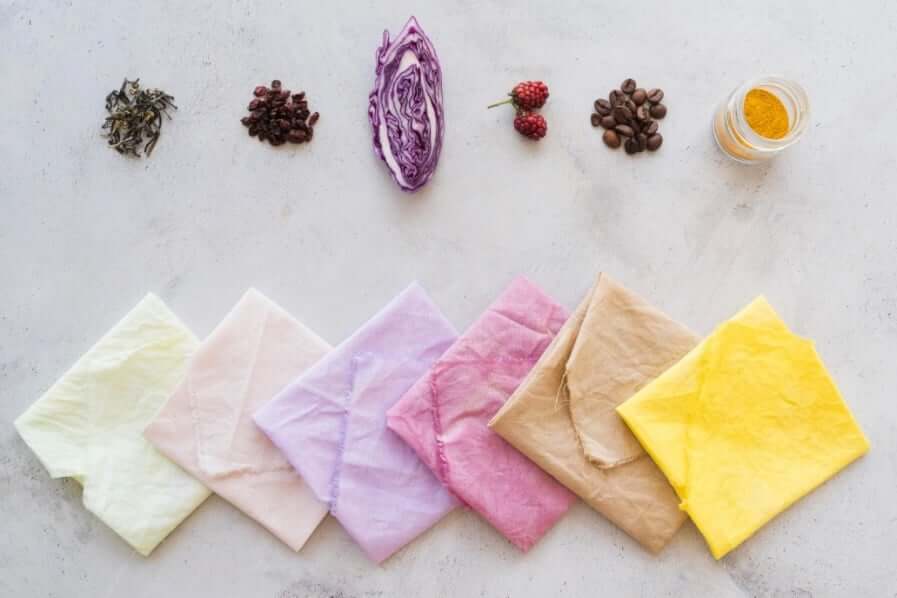
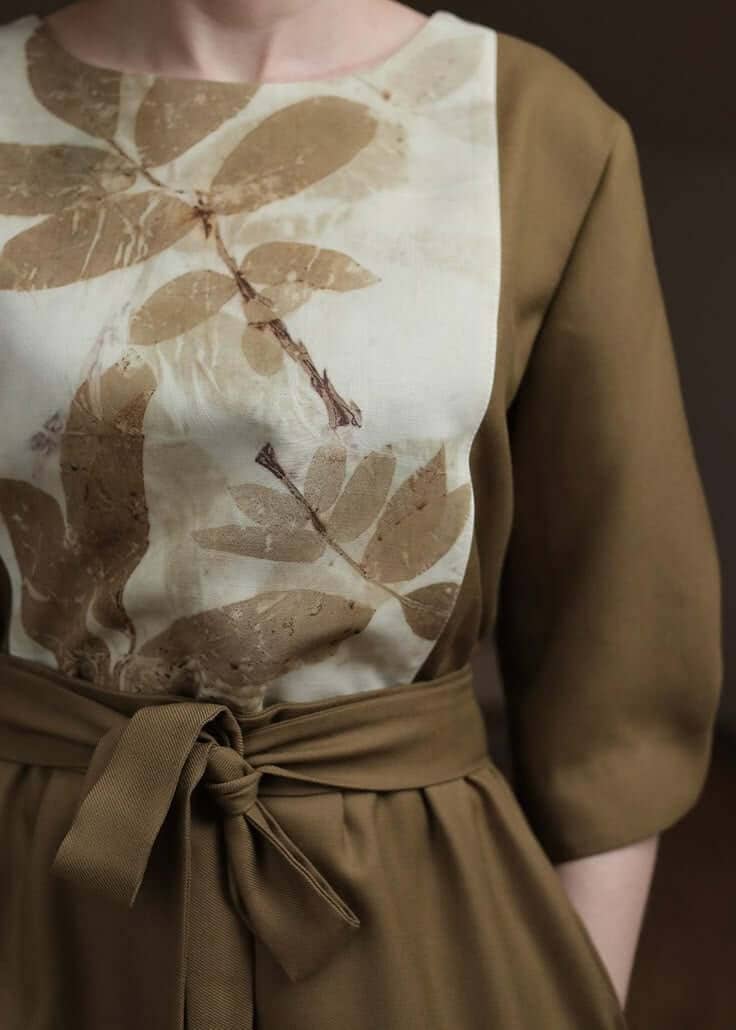
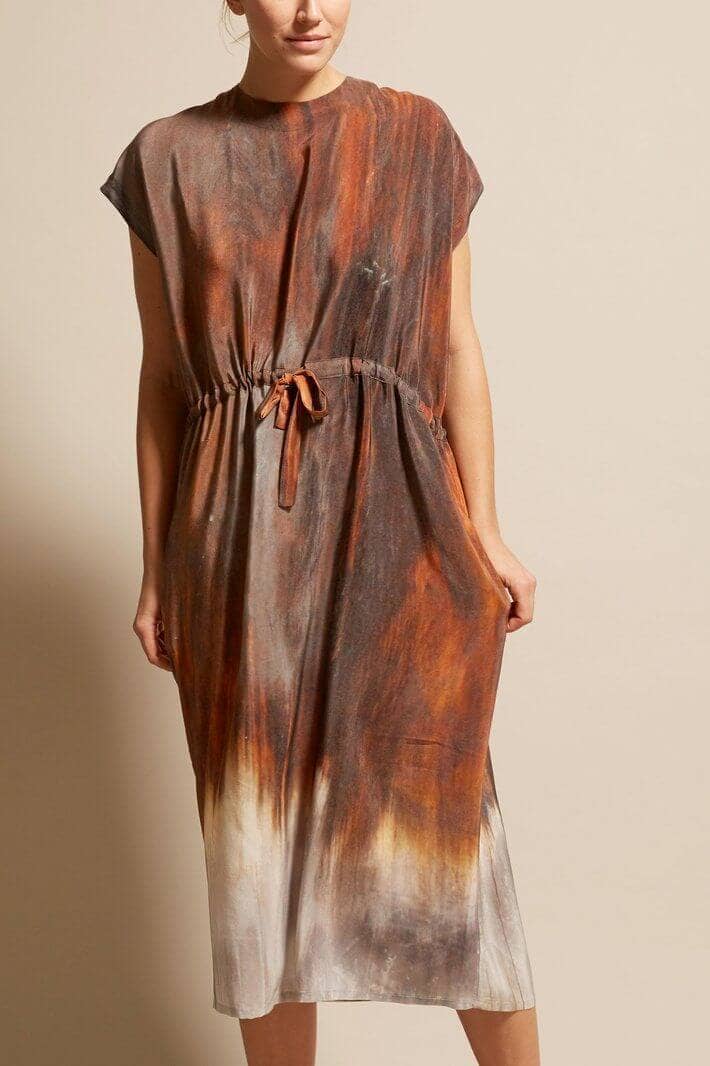
5. Natural-Dyed & Low-Impact Lace
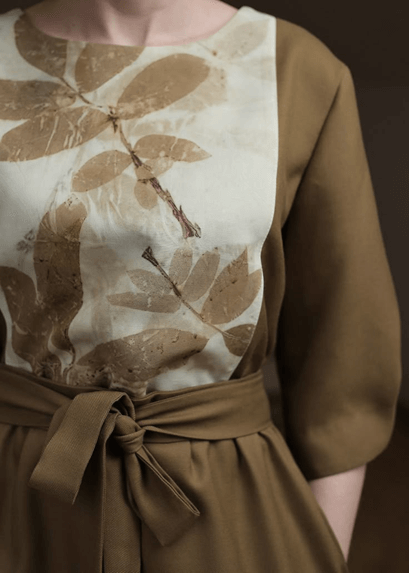
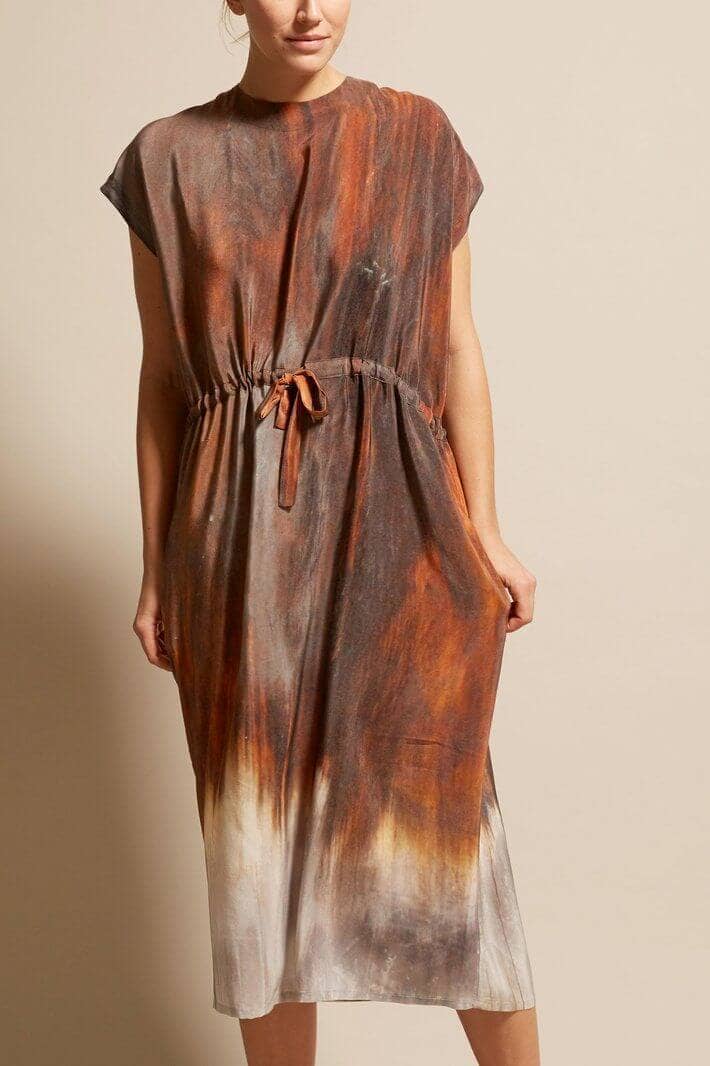
Color is a powerful story element — and natural dyes are becoming a strong niche trend for 2026–2027.
Key directions:
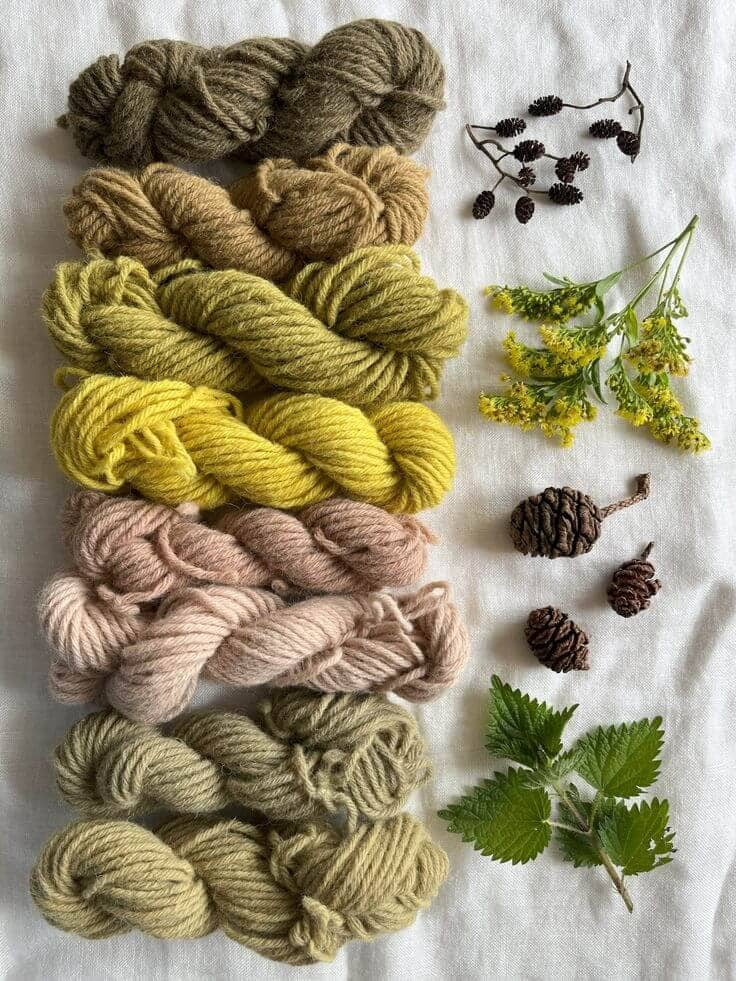
- Colors from plants and natural sources: indigo, bark, flowers, leaves, herbs
- Soft, earthy, muted tones: soft greens, browns, stone, sand, dusty blues
- Often used in small-batch, limited, or artisanal collections
Brand advantages:
- Rich storytelling:
- “This lace is dyed with natural indigo.”
- “We use water-saving low-impact dye techniques.”
- Perfect for:
- Eco bridal capsules
- Resort and holiday collections
- Conceptual designer line
Which Eco-Friendly Lace Fits Which B2B Segment?
Below is a simplified guide that many designers, retailers, and manufacturers can use in product planning:
- Organic Cotton Lace
- Key strength: Breathability, natural comfort
- Products: Resortwear, casual dresses, Muslim fashion, kidswear
- Best for: Natural-mood brands, summer-focused fabric shops, Thai factories
- Recycled Polyester / Nylon Lace
- Key strength: Sharp motifs, durability, volume-friendly
- Products: Eveningwear, premium RTW, Muslim gowns
- Best for: Export factories, brands with strong production volume
- Tencel / Lyocell Lace
- Key strength: Soft luxury, excellent drape
- Products: Bridal, mother-of-the-bride, luxury evening
- Best for: Bridal studios, luxury boutiques, designer labels
- Bamboo / Plant-Based Lace
- Key strength: Cool, comfortable, wellness positioning
- Products: Lounge, resort, lifestyle fashion
- Best for: Wellness brands, yoga & lifestyle collections
- Natural-Dyed / Low-Impact Lace
- Key strength: Strong story, earthy beauty
- Products: Capsule collections, limited drops, conceptual lines
- Best for: Story-driven designers and brands with a curated, artisanal vibe
How Eco-Friendly Lace Is Used Across Fashion Segments in 2026
In 2026, eco-friendly lace is no longer discussed only as a raw material. It is now integrated into full brand strategies — from silhouette and design language to marketing and ESG communication.
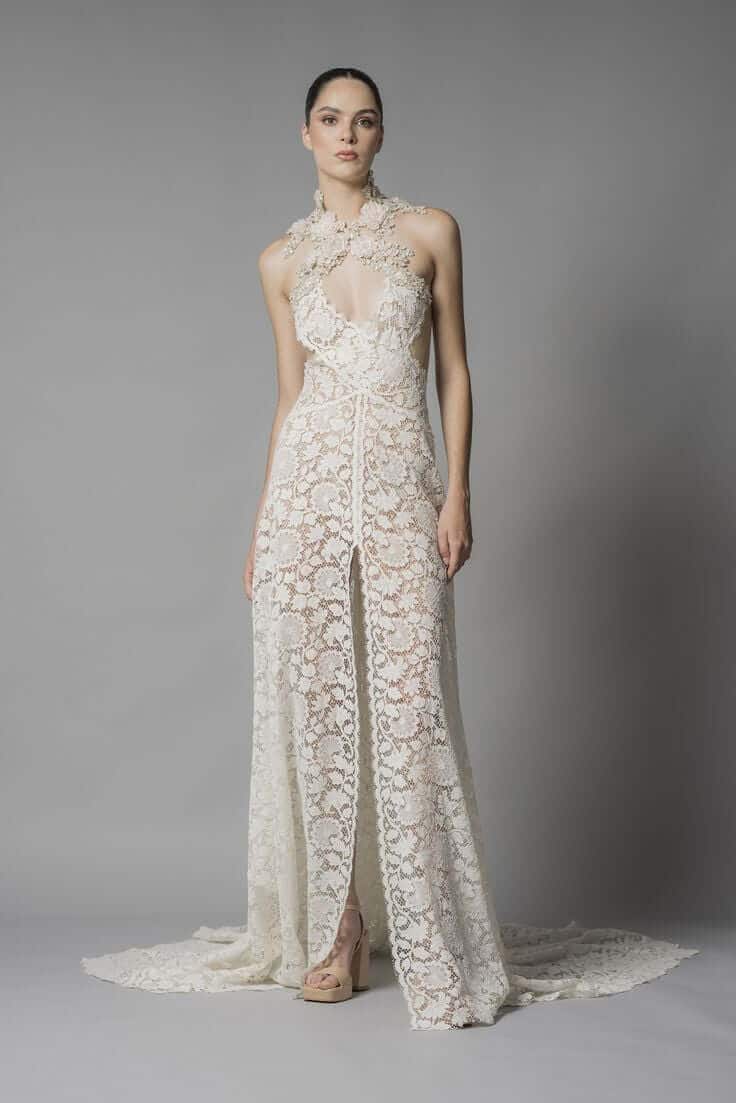
1. Bridal & Weddingwear: “Beautiful and Responsible”
In bridal, the shift is especially clear. Brides are increasingly asking for gowns that are:
- Visually stunning
- Comfortable for all-day wear
- Produced with ethical and eco-friendly materials
Key directions:
- Recycled lace on classic silhouettes
- Recycled lace or recycled poly-tulle as the base
- Combined with 3D floral motifs, corded lace, or thoughtfully used beading
- Organic & natural bridal looks
- Organic cotton lace overlays
- Sustainable silk paired with eco lace
- Soft, romantic colors: natural white, off-white, champagne, soft nude
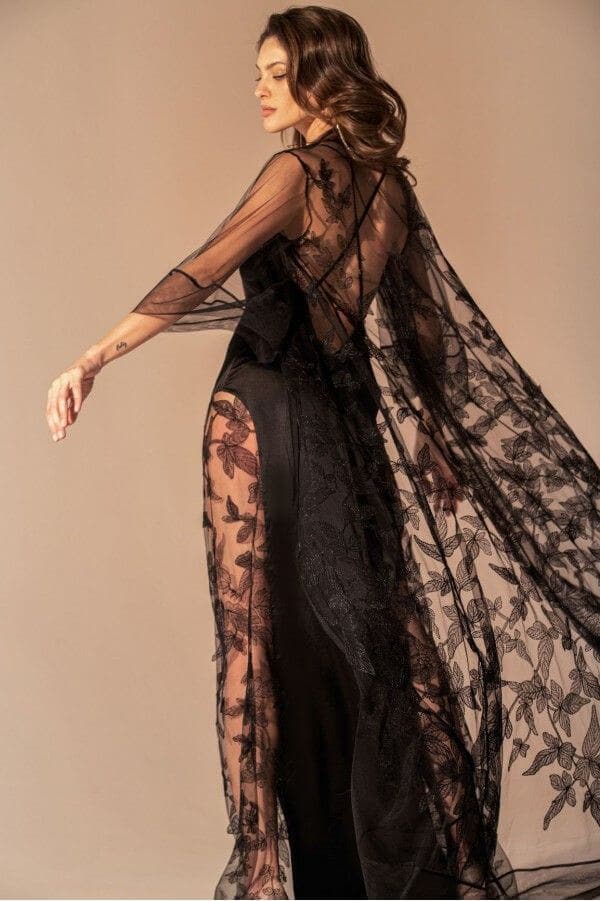
Designers and bridal ateliers that switch to eco-friendly lace fabric can position themselves as modern, conscious, and future-ready, especially for urban millennial and Gen-Z brides.
2. Ready-to-Wear & Streetwear: Lace in Everyday Life
Forecasts for fashion fabric trends 2026 show strong growth in lace usage in RTW:
- Lace maxi skirts
- Lace pants
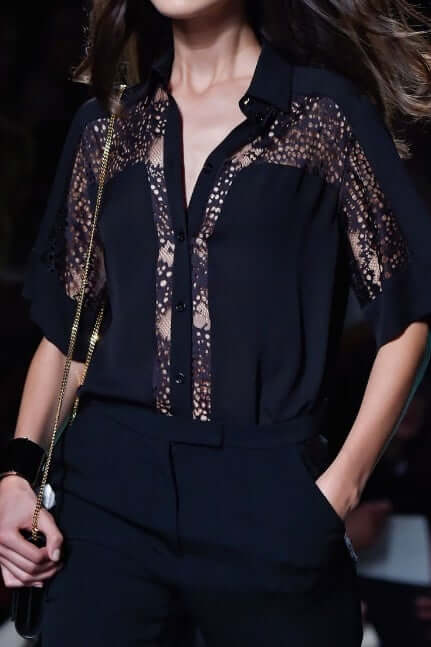
- Lace-trimmed dresses and tops
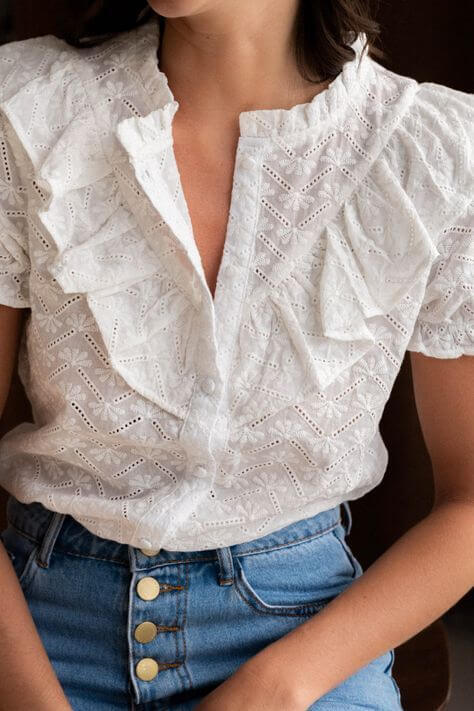
These pieces are often styled with cotton shirts, denim, utility jackets, and satin basics, blending romantic lace with streetwear and minimalist tailoring.
Eco-lace applications in RTW:
- Lace skirts & pants in recycled lace
- Recycled lace outer layer
- Paired with sustainable linings for comfort and opacity
- Lace trims on semi-street items
- T-shirts, shirts, and blouses with lace panels at cuffs, collars, or hems
- Often using organic cotton lace or recycled lace trims
- Feminine x Utility mixes
- Denim with organic lace overlays
- Bomber jackets featuring lace panels
For new-age brands, these combinations allow you to keep your street-inspired identity while still upgrading to eco-friendly lace fabric.
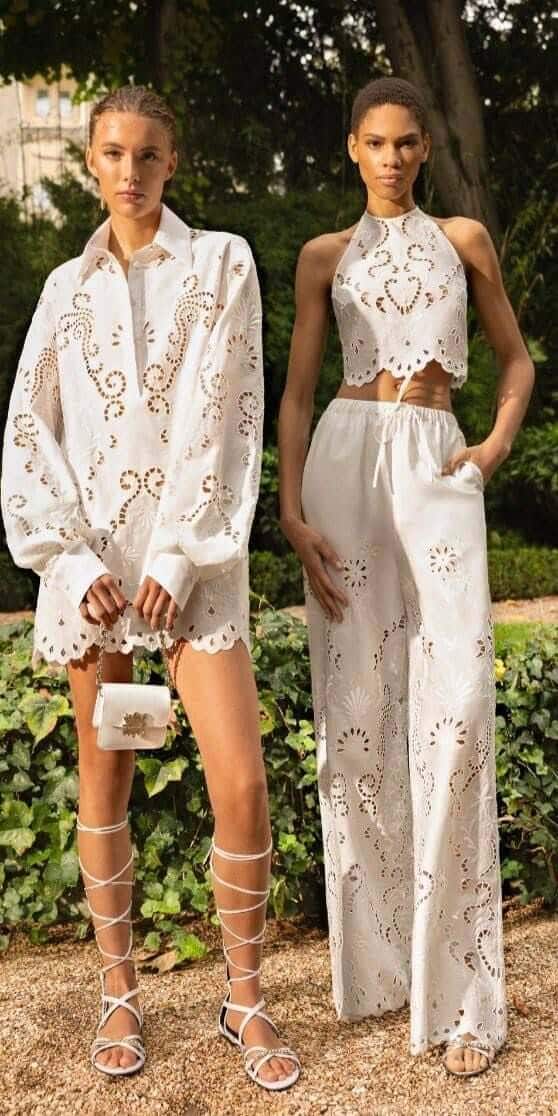
3. Resortwear, Vacation & Beachwear: Airy, Natural, and Light
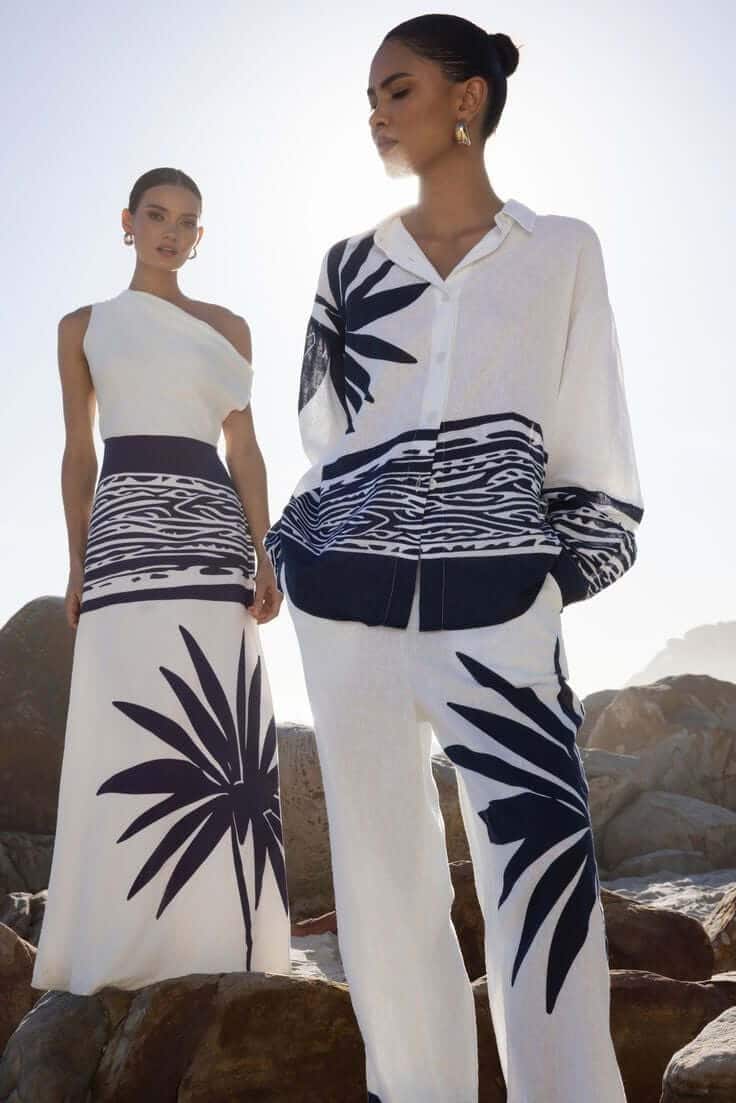
Global resort and vacation collections are increasingly shifting to lightweight, breathable, natural fabrics.
For lace, this translates into:
- Organic cotton lace cover-ups and kaftans
- Crochet-like lace with open structures
- Eyelet lace made from organic cotton or bamboo blends
Common product formats:
- Lace cover-up dresses over swimwear
- Coordinated sets (crop tops with lace skirts or shorts)
- Light lace blouses layered over bikinis or bralettes
Eco-friendly lace here becomes both a style element and a comfort benefit, especially in beach destinations with strong sun and humidity.
4. Muslim & Modest Fashion: Luxury, Coverage, and Ethics
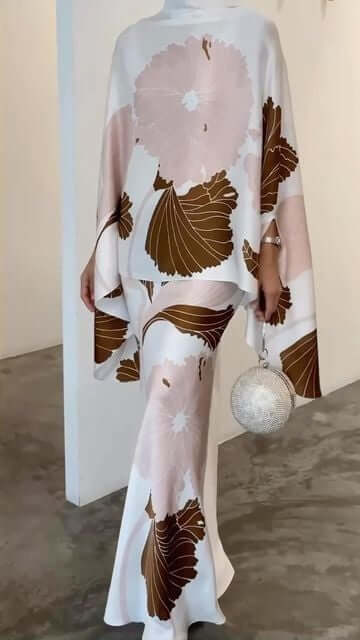
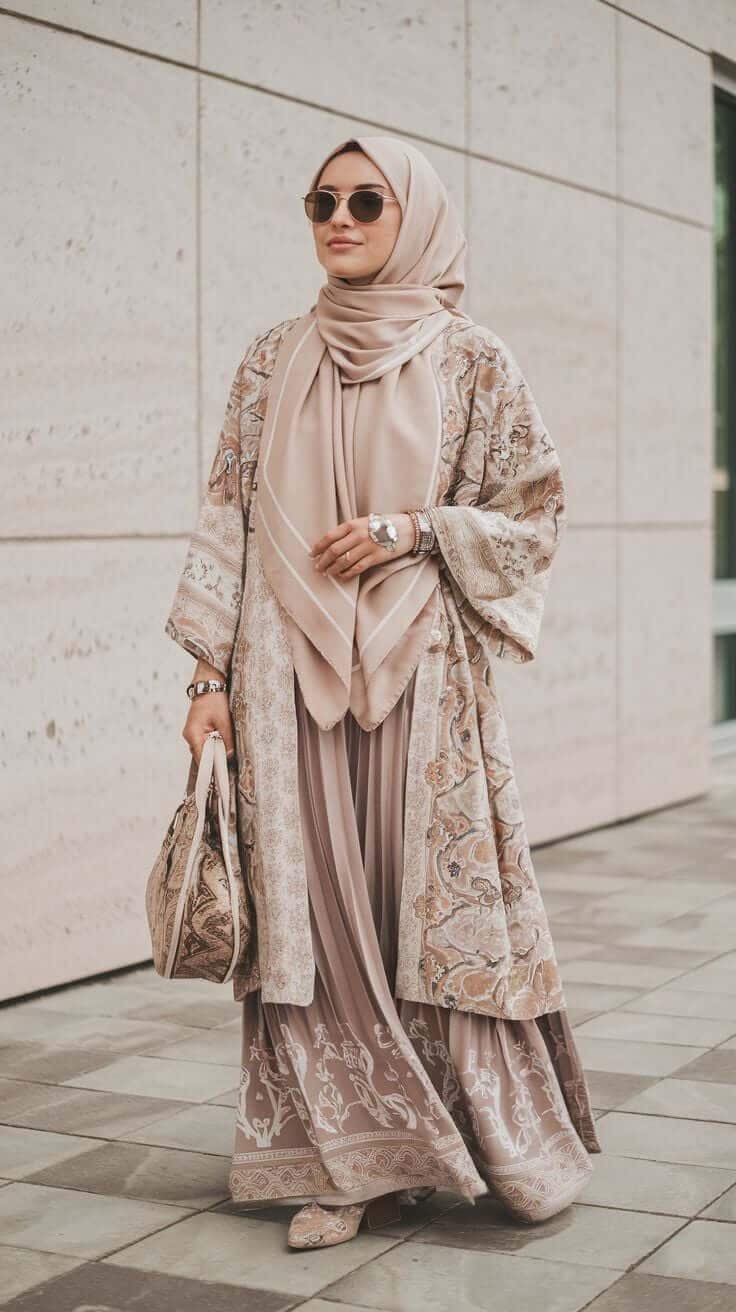
In markets like the Middle East, Malaysia, and Indonesia, lace has always been central to modest fashion — especially in abayas, kaftans, and ceremonial dresses.
Now, there is growing interest in:
- Ethical sourcing
- Eco-friendly materials
- Safer dyes and finishes
Eco-lace use in modest fashion:
- Abayas and kaftans with recycled lace panels on sleeves, hems, and bodice
- Engagement and wedding outfits using organic cotton lace or high-grade recycled lace
- Hijabs and khimars with eco lace trims that meet environmental standards
For modest fashion brands, upgrading to eco-friendly lace supports both values and visual luxury.
5. Kidswear & Family Looks: Safety First
Parents, especially in Europe and the US, are now highly informed about:
- Organic cotton
- Non-toxic dyes
- Hypoallergenic fabrics
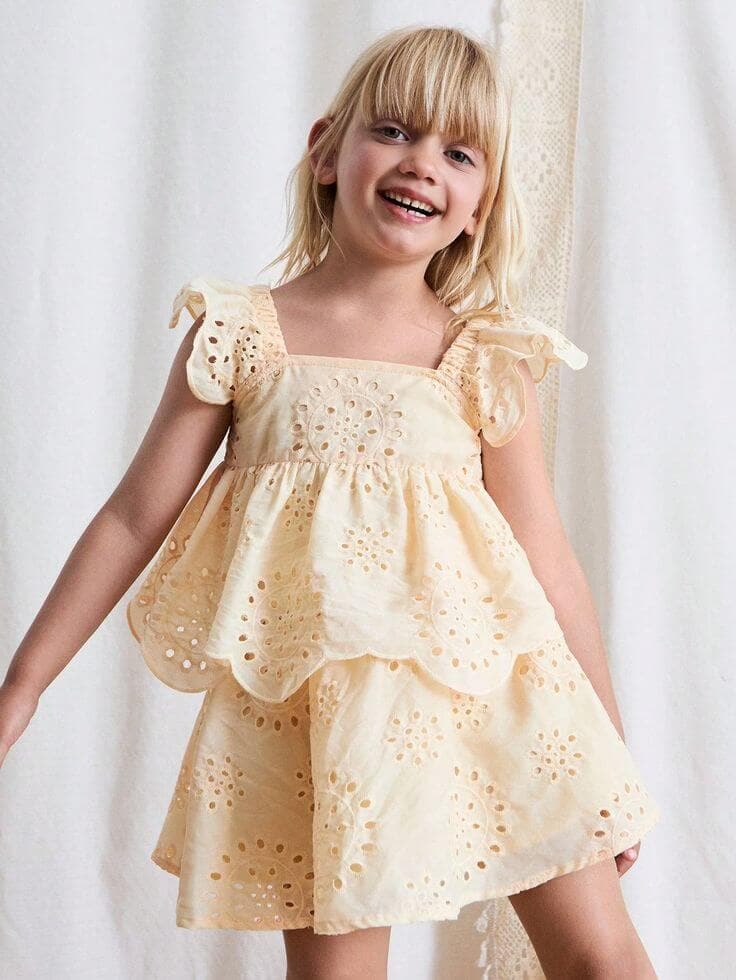
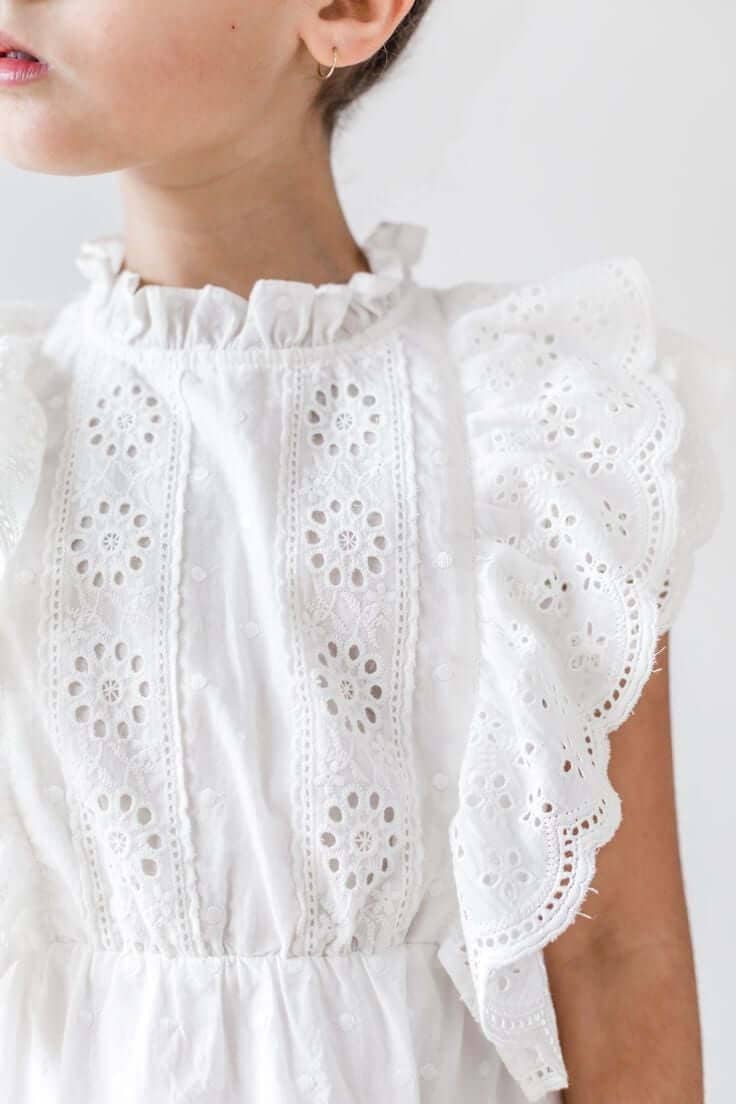
Eco-friendly lace in kidswear:
- Simple lace dresses using organic cotton and eyelet lace
- Mother-daughter matching sets, using the same sustainable lace base
- Small lace details at cuffs, collars, or hems that are soft and non-scratchy
For brands, positioning kidswear with eco lace is a strong trust signal to parents and a key differentiator on store racks and e-commerce platforms.
6. Workwear & Office Lace: Subtle Luxury with Meaning
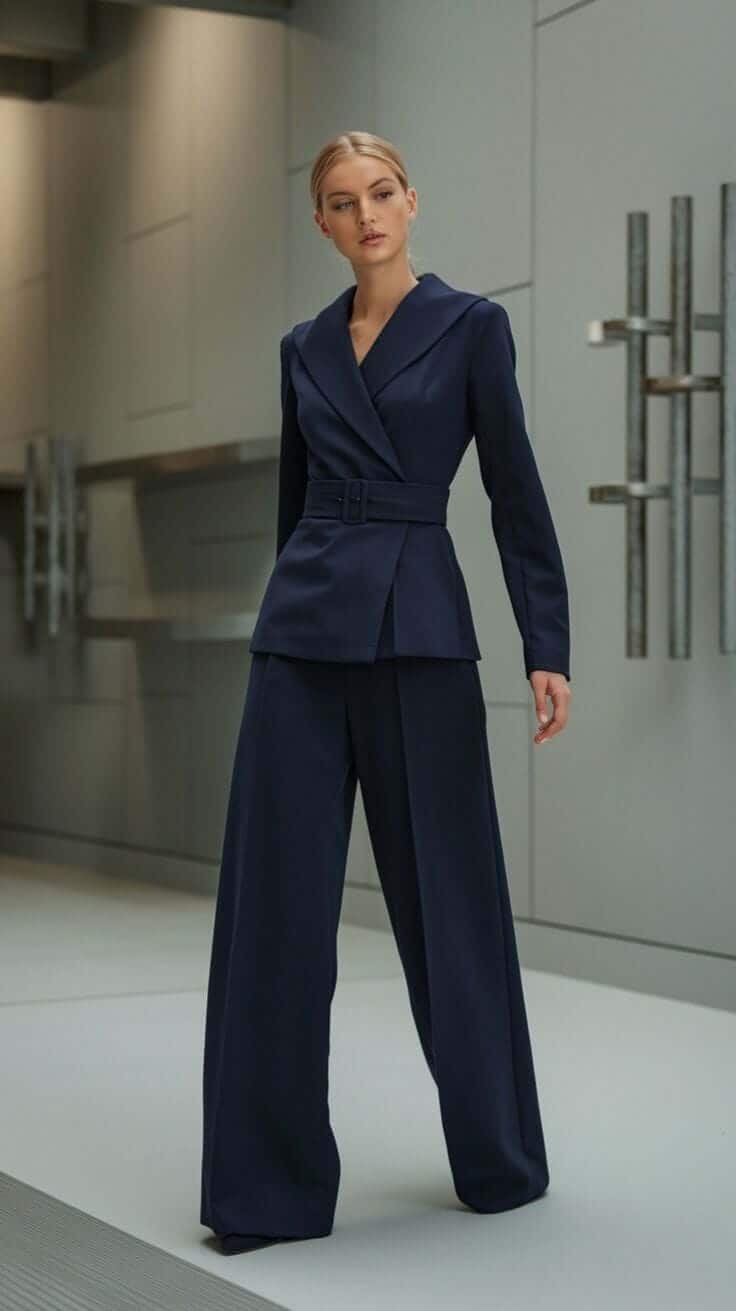
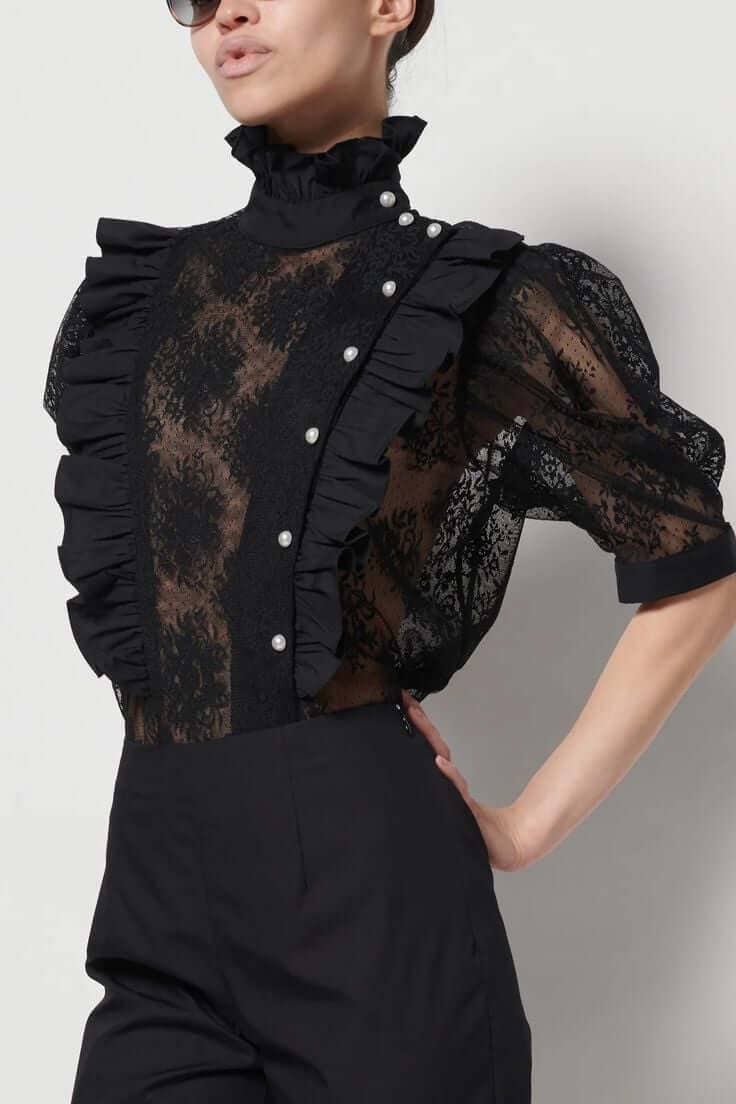
Workwear trends for 2026 indicate more romantic and textured fabrics — including lace — being integrated into structured office silhouettes.
Examples:
- Work tops with eco-friendly lace panels at the shoulder or sleeve
- Sheath and A-line dresses with recycled lace at the bodice or hem
- Blazers or jackets with lace insets or lace-back details
For conscious professionals, wearing eco-friendly lace to the office becomes more than a style choice — it becomes a way to signal values and taste at the same time.
The Role of United Lace in the Era of Eco-Friendly Lace
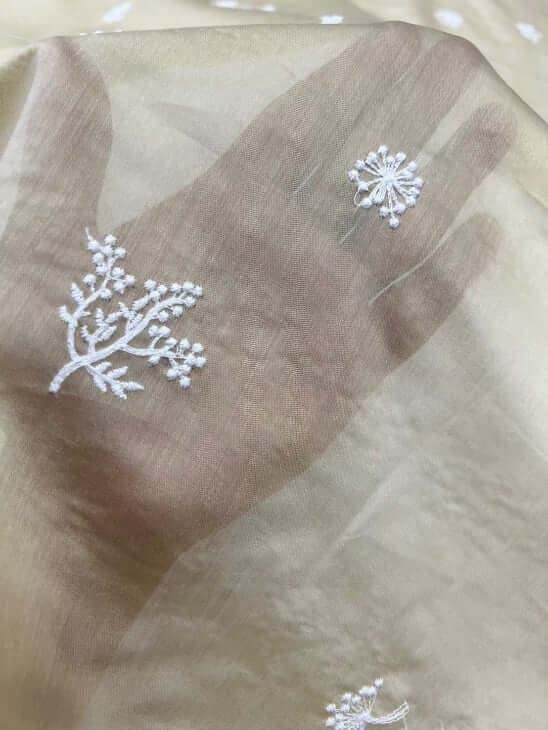
As a premium lace and embroidery specialist based in Bangkok with over 70 years of expertise, United Lace is ready to support brands, designers, and garment manufacturers in transitioning to more sustainable lace solutions.
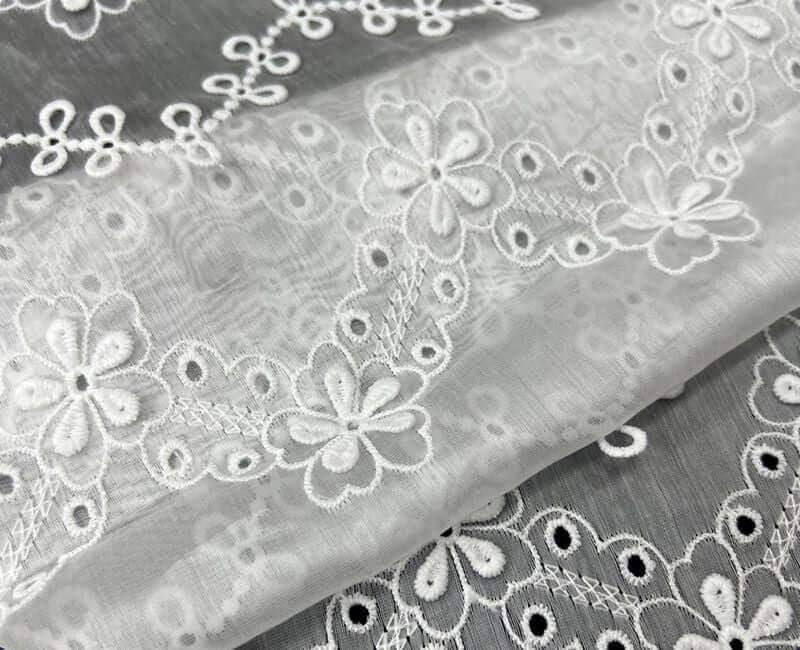
What we offer in the eco-friendly space:
- Curated Eco-Friendly Lace Collections
- Imported and locally produced options
- Suitable for bridal, Muslim fashion, ready-to-wear, kidswear, and workwear
- Design-Forward, Premium Motifs
- From delicate Chantilly-style patterns to bold Guipure-inspired structures
- Engineered with both aesthetic impact and production practicality in mind
- Fabric Strategy Consultation for B2B
- Guidance on selecting the right eco lace for your brand positioning
- Support in matching lace types to silhouettes, markets, and price points
- Advice on MOQ, repeatability, and stock planning for bulk orders
United Lace’s mission is to help you elevate your brand through lace — now with an even stronger emphasis on sustainable, future-ready materials.
Conclusion: Eco-Friendly Lace as a Building Block for 2026–2030 Fashion
Eco-friendly lace is no longer just a beautiful trend. It is becoming a core building block of the fashion industry for the coming decade — especially for brands that want to be both aesthetically strong and ethically aligned.
If you are:
- A new-age brand owner building a conscious label
- A fashion designer planning your next collection
- A garment manufacturer serving international markets
…then upgrading your fabric library to include eco-friendly lace fabric is a strategic move that can:
- Strengthen your brand story
- Future-proof your export capability
- Increase the perceived value of your garments
- Attract eco-conscious customers who stay loyal to responsible brands
Work With United Lace
If you are searching for high-quality eco-friendly lace and embroidery fabrics and want to develop collections that stand out in both design and sustainability, United Lace is ready to be your behind-the-scenes partner.
We are an importer and wholesaler of premium lace fabrics with more than 70 years of experience, serving fashion brands and garment manufacturers across Thailand and worldwide.
We would be honoured to support your next eco-conscious collection — from fabric selection to production strategy.
Wholesale & B2B Contact
Phone: 083-447-8965
LINE Official: @unitedlace (https://lin.ee/ki20rLF)
Instagram: @unitedlace
Website: www.unitedlace.com

 |  |  |  |  |
#unitedlace #lace #embroidery #cottonlace #drylace #frenchlace #eyelet #chantillylace #lacewholesale #fancylacefabric #lacewholesaleonline #multicolor #tencel #cotton #guipure #wholelacesupplier #lacesupplier #lacecharacteristic #laceproperties #innovation #ecofriendly