Table of Contents
- Why Lace Remains a Core Fashion Fabric in 2026
- Key Lace Types That Fashion Brands Actually Use in 2026
- Chantilly Lace: Lightweight Luxury That Still Sells
- Metallic Lace & Embellished Lace: Statement Value for Premium Markets
- Top Lace Color Groups for 2026
- Choosing Lace That Is Truly Production-Ready (B2B Guide)
- Quick B2B Decision Cheat Sheet
- Pre-Production Checklist (Critical)
- Conclusion: Lace as a Business Tool in 2026
- Design Reference & Apparel Inspiration
- FAQs
In the fashion landscape of 2026, beauty alone is no longer enough.
For fashion brands, garment manufacturers, and B2B buyers,Wholesale Lace fabric selection has become a strategic business decision rather than a purely aesthetic one.
Rising production costs, shorter fashion cycles, and more educated consumers have forced brands to rethink materials that can balance design impact, production feasibility, and sell-through performance. Lace fabric — once viewed as decorative or ceremonial — has been redefined as a strategic fabric for modern fashion brands.
In 2026, lace is no longer just decorative.
It is a strategic fabric.
A fabric that must simultaneously answer three critical questions:
- Does it elevate design and brand image?
- Can it be produced consistently and efficiently?
- Will it sell — repeatedly — across seasons and markets?
To understand how lace has evolved from a purely aesthetic element into a commercially viable textile, it is important to revisit how historical fashion influences are being reinterpreted for modern production systems, as explored in
the return of past fashion movements shaping modern fabric trends
This article offers an in-depth, B2B-focused analysis of:
- Which types of lace are truly suitable for modern fashion brands
- Lace trends 2026 that are proven, production-ready, and scalable
- How to select a professional lace supplier for long-term B2B success
Why Lace Remains a Core Fashion Fabric in 2026
Based on global fashion fabric trends 2026, lace continues to hold a powerful position in contemporary collections — not because of nostalgia, but because of strategic value.
1. Lace Instantly Elevates Brand Perception
Lace communicates:
- Luxury
- Craftsmanship
- Detail-oriented design
Even when applied to a simple silhouette, lace adds perceived value, allowing brands to position garments at higher price points without dramatically increasing construction complexity.
For brands competing in saturated markets, understanding how to evaluate lace quality correctly is essential before scaling production. A detailed guide on this can be found in how to tell the quality of lace fabric before production
2. Lace Is No Longer Limited to Bridal or Eveningwear
In 2026, lace is actively used across multiple commercial categories:
- Luxury Office Wear / Premium Workwear
- Premium Casual & Ready-to-Wear
- Muslim & Modest Fashion
- Export-focused Capsule Collections
3. Modern Lace Is Designed for Repeat Production
Advancements in weaving, embroidery, and laser technology now allow:
- Consistent pattern repetition
- Stable fabric width
- Reliable color reproduction across batches
For B2B buyers, this means reorder confidence — a non-negotiable requirement for brand scalability.
4. Lace Can Reduce Long-Term Production Costs
Strategic lace usage enables brands to:
- Apply lace as panels or placements rather than full garments
- Reduce total fabric consumption
- Simplify pattern construction while increasing visual impact
In short: lace, when used correctly, improves margins.
Key Lace Types That Fashion Brands Actually Use in 2026
Guipure Lace: Structural Lace for Modern Brands
(Guipure lace for brands)
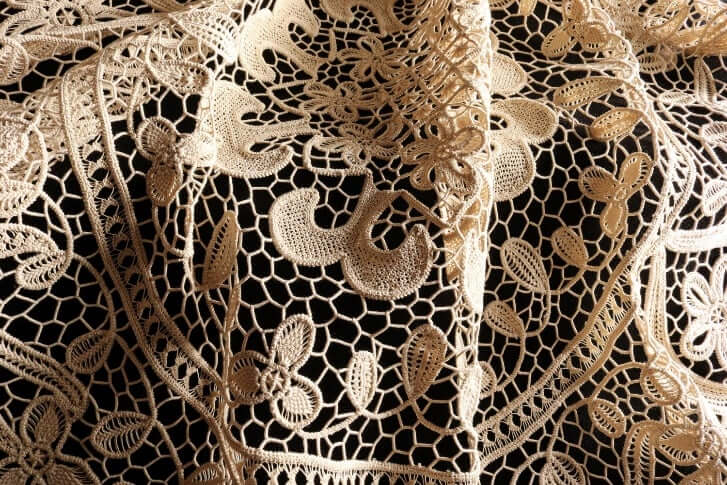
Brands seeking a deeper understanding of how Guipure lace functions in real production environments can explore a complete guide to Guipure lace for fashion designers and garment manufacturers
For inspiration on how Guipure lace is used in contemporary, minimalist luxury aesthetics, refer to quiet luxury lace designs using Guipure, cotton lace, and laser-cut lace
Key Characteristics
- Raised motifs with no mesh background
- Strong structure and shape retention
- Easy to cut, sew, and stabilize
Commercial Applications
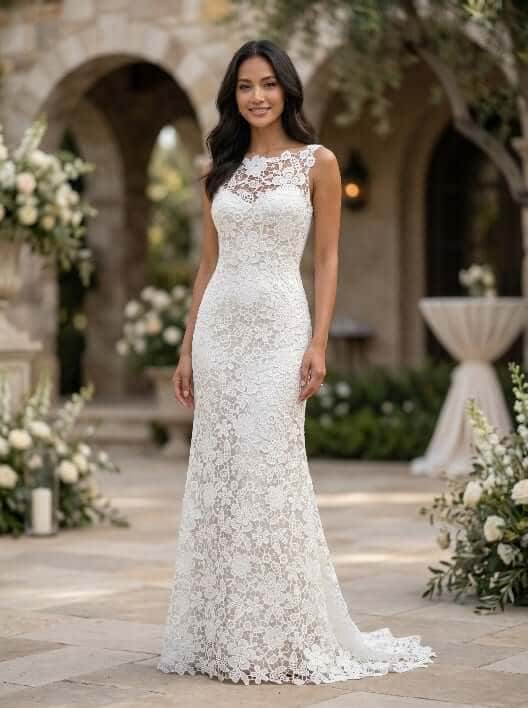
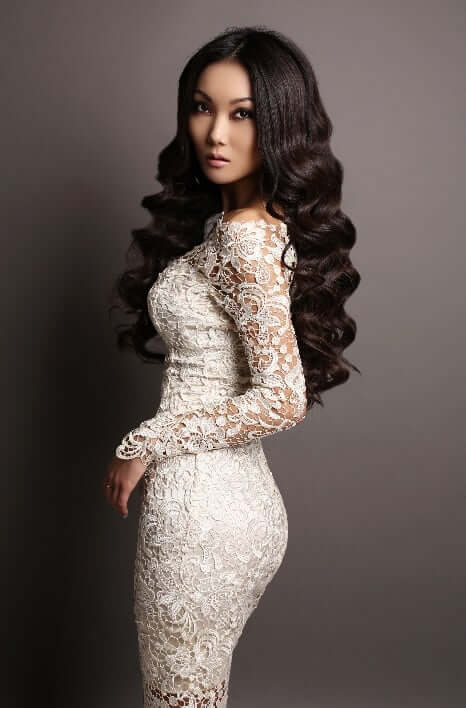
- Office dresses
- Premium blouses
- A-line and pencil skirts
B2B Advantages
- Cost control
- High repeatability across seasons
Strong performance in both Thai and export markets
Chantilly Lace: Lightweight Luxury That Still Sells
Chantilly Lace: Lightweight Luxury That Still Sells
(Chantilly lace fabric wholesale)
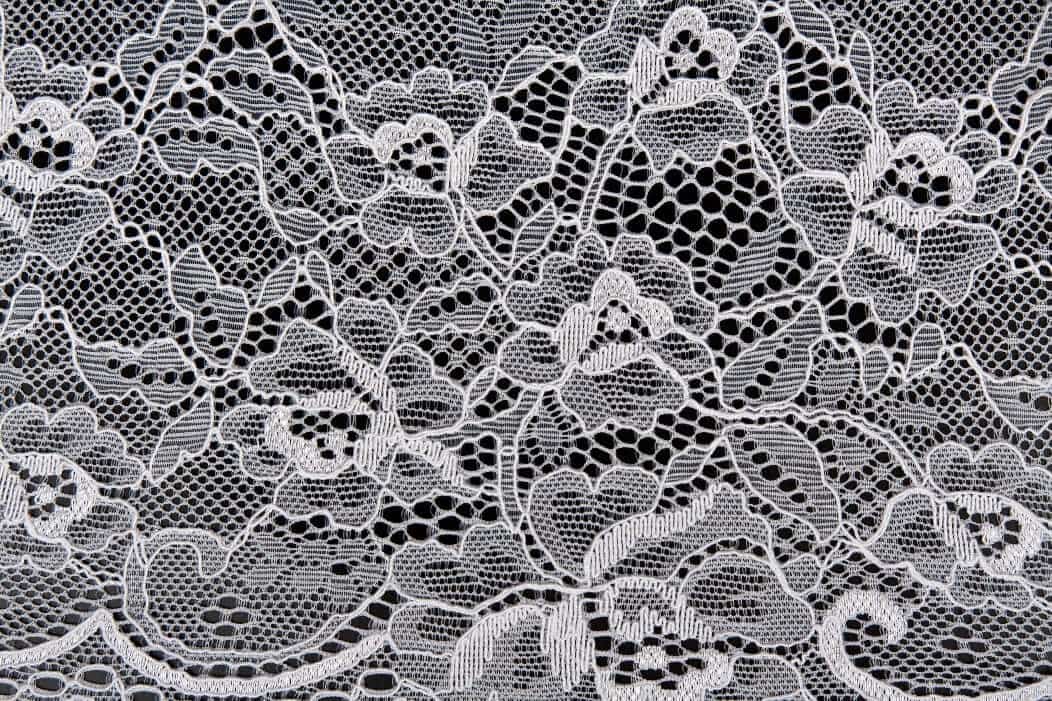
For brands looking to compare Chantilly lace with other European lace traditions, a useful reference is creating an elegant, luxurious look with French lace
Key Characteristics
- Delicate floral motifs
- Fine, sheer mesh
- Feminine and couture-inspired aesthetic
2026 Application Trends
- Panel construction rather than full-body usage
- Combined with satin, crepe, or plain fabrics
- Strategic placement for luxury impact without excessive cost
Best Suited For
- Evening dresses
- Bridal overlays
- Limited-edition collections
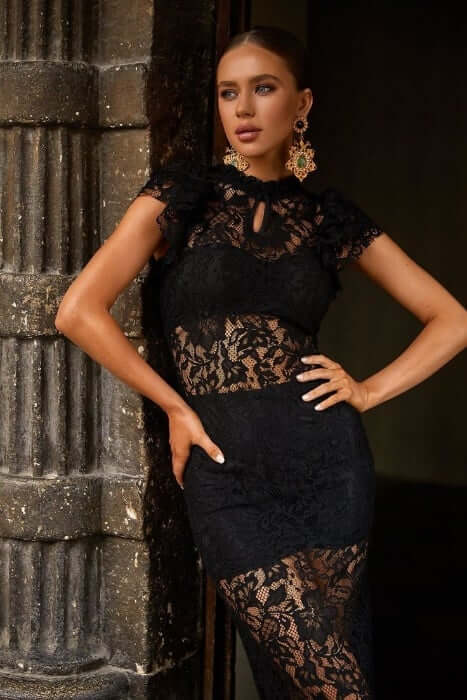
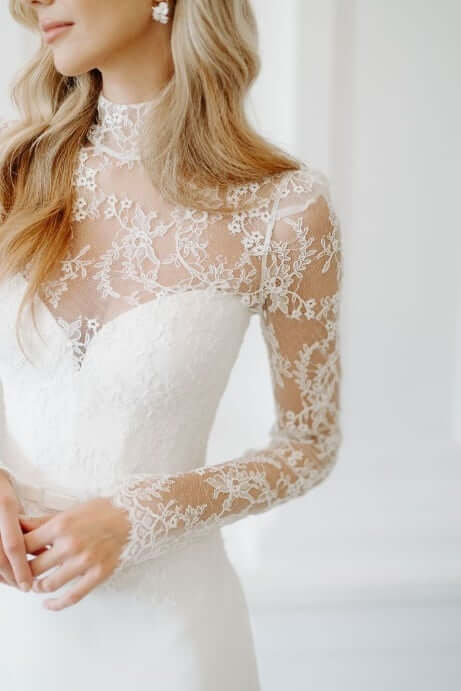
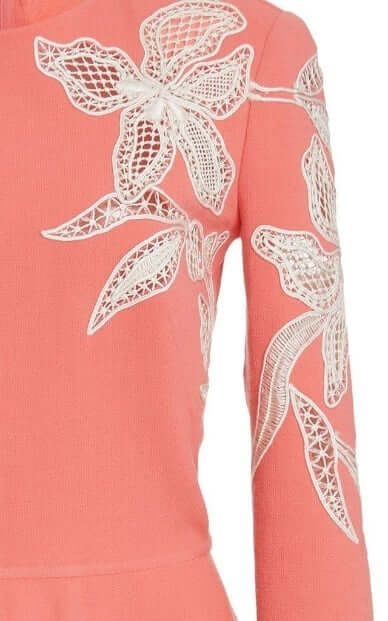
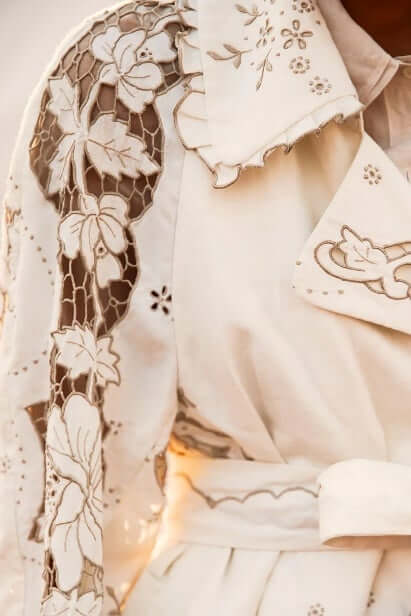
Laser-Cut Lace: Digital Precision for Modern & Commercial Brands
Laser-cut lace represents the convergence of technology, precision, and commercial scalability. With clean edges, symmetrical motifs, and excellent repeatability, laser-cut lace is particularly suitable for brands prioritizing speed-to-market and modern silhouettes.
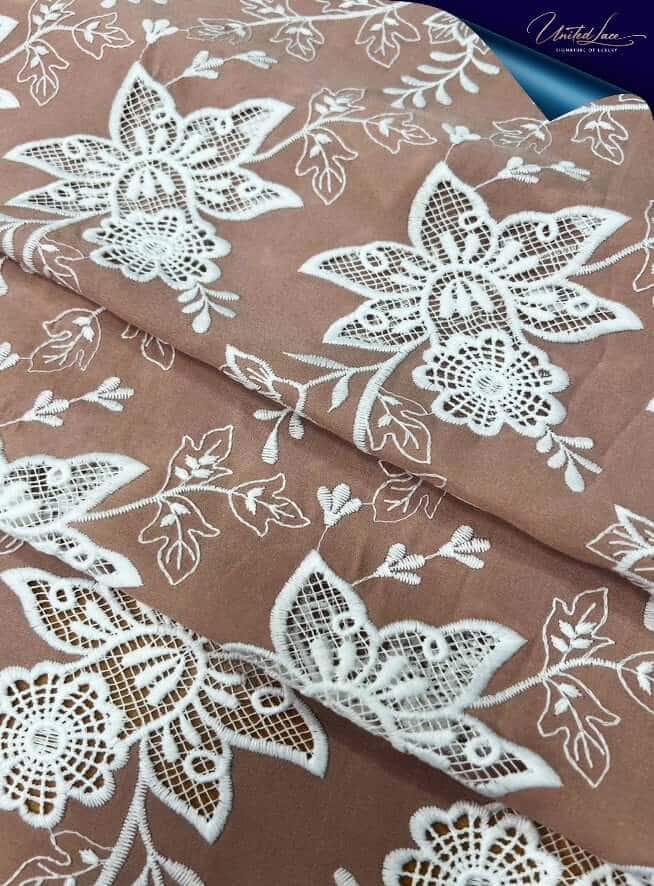
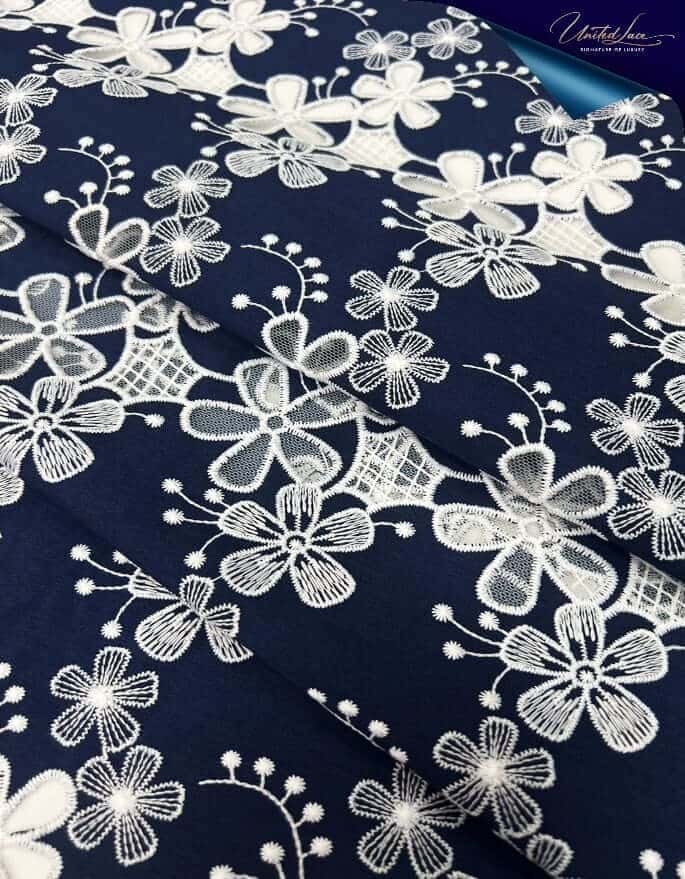
Its popularity has grown alongside Guipure lace in collections focused on minimal luxury, as highlighted in quiet luxury lace designs using Guipure, cotton lace, and laser-cut lace
Technical Advantages
- Extremely sharp, symmetrical patterns
- No fraying or loose threads
- Precise pattern repetition across batches
Production Benefits
- Reduced embroidery or weaving complexity
- Faster time-to-market
- Ideal for factories focused on speed and consistency
Popular Uses in 2026
- Minimal luxury dresses
- Premium office wear
- Resort and summer collections
Panel detailing for tops and skirts
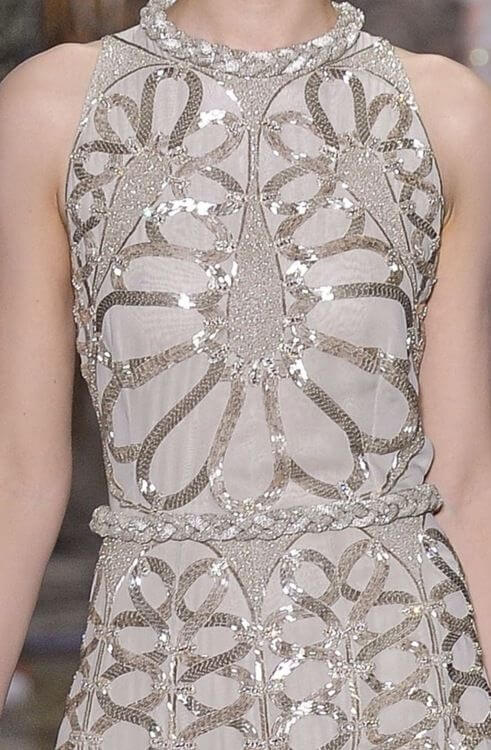
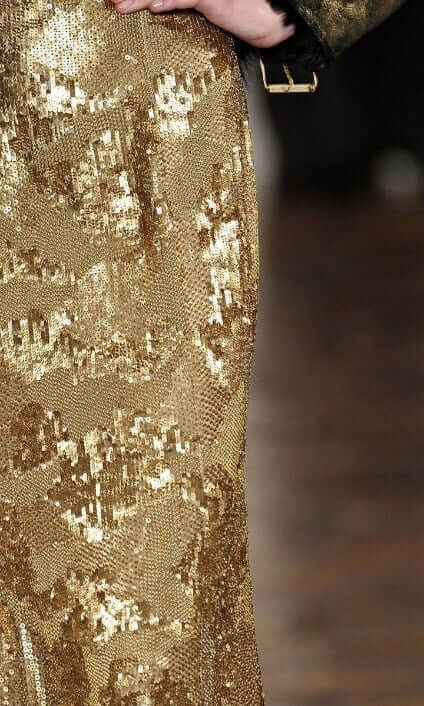
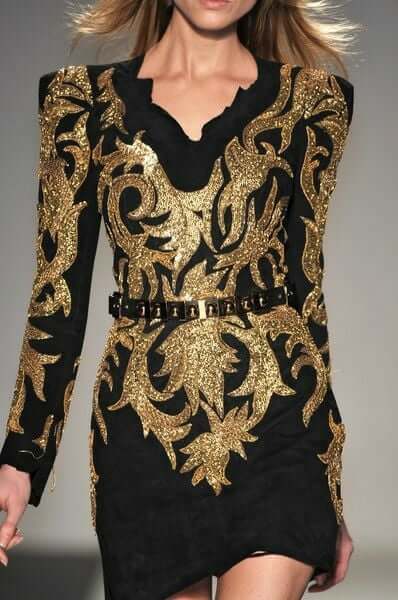
Metallic Lace & Embellished Lace: Statement Value for Premium Markets
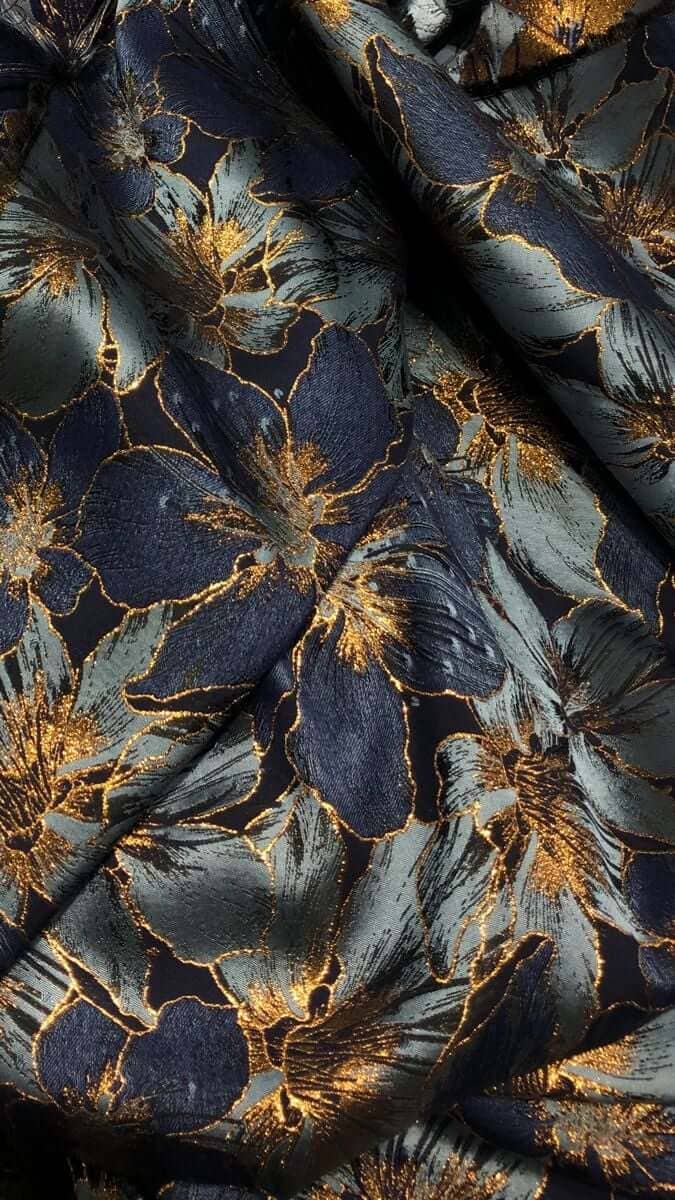
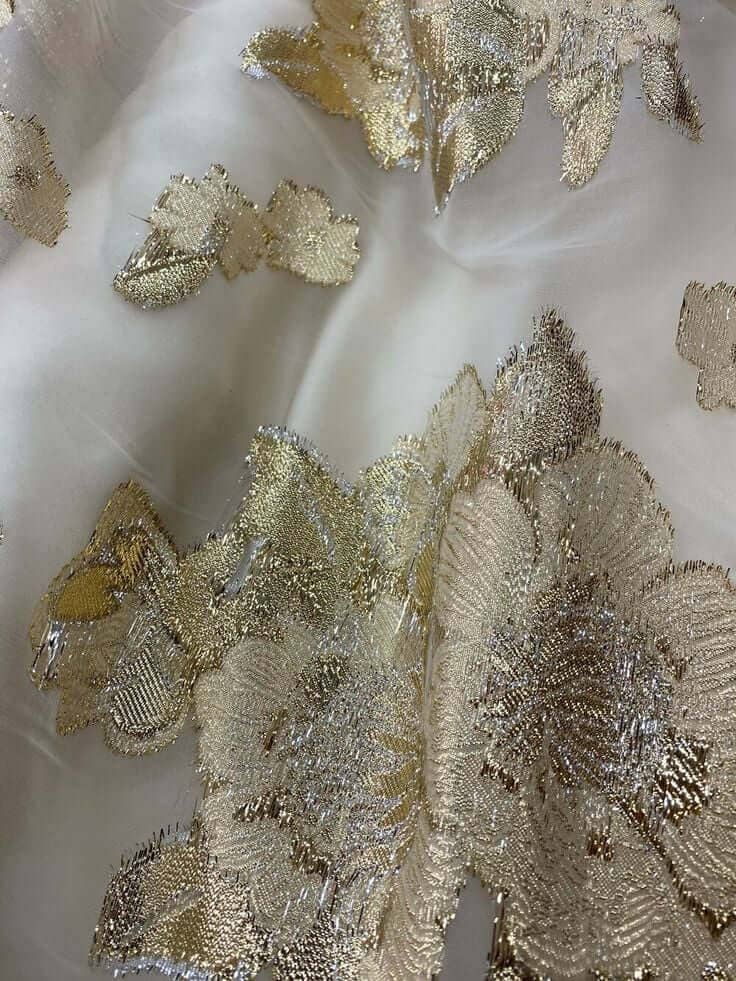
(Lace fabric for evening gowns)
For designers working with decorative lace surfaces, a deeper exploration is available in
embellished embroidery lace and its role in elevating fashion design
Key Characteristics
- Integrated metallic threads (gold, silver, bronze)
- Built-in light reflection
- High visual impact without heavy embellishment
2026 Direction
- Subtle shine rather than high-gloss
- Softer metallic tones:
- Soft Gold
- Champagne Silver
- Antique Bronze
Commercial Use
- Evening gowns
- Mother-of-the-bride collections
- Muslim eveningwear
- Couture-inspired capsule drops
Eco-Friendly Lace: Sustainability That Actually Sells
(Eco-friendly lace fabric)
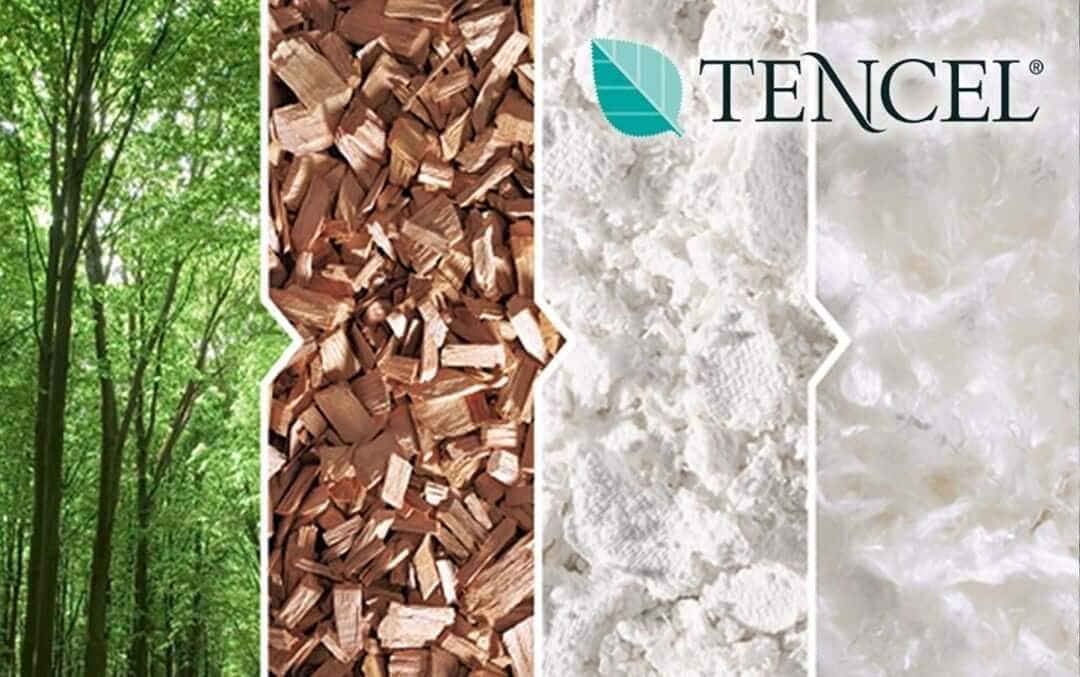
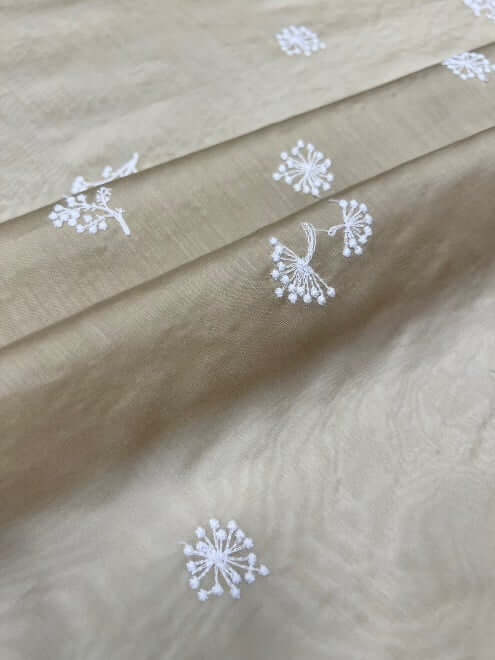
Eco-friendly lace has moved beyond trend status and is now a baseline expectation for brands with long-term growth ambitions. Especially in export markets, sustainability directly influences buyer confidence, compliance, and brand storytelling.
To understand why sustainability has become a commercial advantage rather than a limitation, read why eco-friendly lace fabric is the next power move for conscious fashion brands
Material innovation plays a key role here, particularly fibers such as TENCEL™, which combine softness, breathability, and environmental responsibility. More insights are available in
TENCEL™ as the new eco-friendly fabric innovation
Strategic Value for Brands
Eco lace connects:
- Sustainability
- Brand image
- Consumer trust
- Long-term reorderability
Common Eco Lace Materials
- TENCEL™ / Lyocell lace
- Recycled polyester lace
- Eco rayon / viscose lace
Best Applications
- Premium ready-to-wear
- Price-conscious sustainable brands
Thai brands targeting mid–high export markets
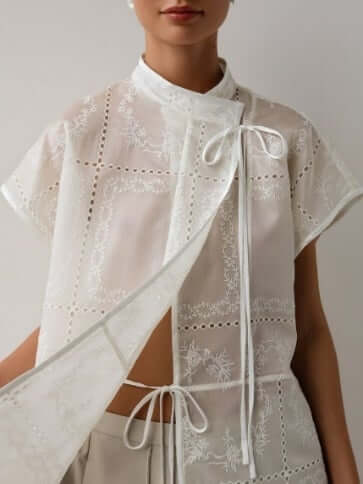
Lace Color & Texture Trends That Actually Move in 2026
In 2026, lace color direction directly impacts sell-through rates, reorder potential, and production efficiency. Neutral, seasonless tones dominate, supported by muted pastels and deep, premium shades.
- Sell-through speed
- Production efficiency
- Reorder rates
- Fabric wastage in factories
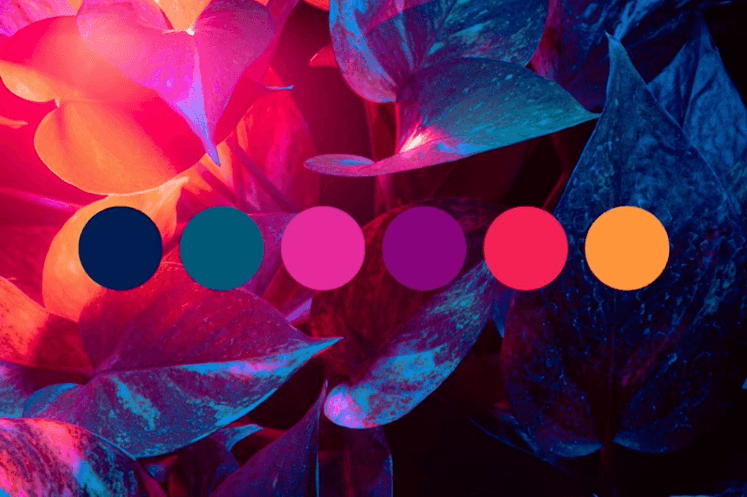 Top Lace Color Groups for 2026
A full breakdown of the most commercially relevant palettes can be found in
Color trends 2026: seven shades defining the future of fashion
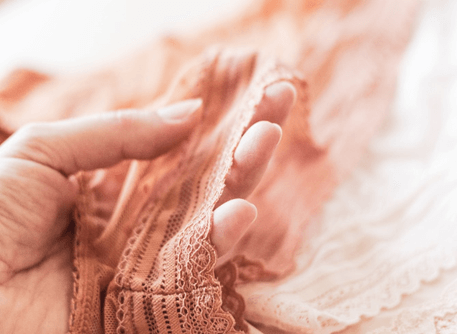
- Ivory / Soft White
The strongest-selling neutral across all categories - Nude Beige / Skin Tones
Highly wearable, versatile, and production-friendly - Champagne & Soft Gold
Premium without being seasonal - Navy & Midnight Blue
A key color for luxury workwear and export - Dusty Pastels
(Rose Dust, Sage, Mist Blue)
Ideal for capsule collections and fashion drops
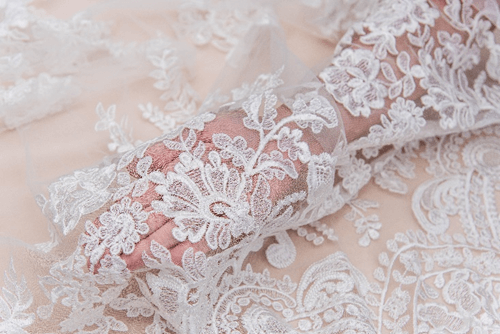
Production-Ready Lace Textures
- Matte finishes → Quiet luxury, mass appeal
- Raised motifs / corded effects → Added value without extra embroidery
- Airy openwork → Better breathability for tropical climates
- Subtle metallic sheen → Commercially wearable glamour
Choosing Lace That Is Truly Production-Ready (B2B Guide)
For B2B buyers, the key question remains:
“It looks beautiful — but can it actually be produced at scale?”
Production-ready lace must offer stable width, color consistency, manageable pattern placement, and predictable behavior after washing and pressing. These factors determine not only quality, but also cost control and factory efficiency.
Before selecting lace, define:
- Occasion of wear
- Production method
- Climate suitability
- Factory risk factors
Lace Recommendations by Product Category
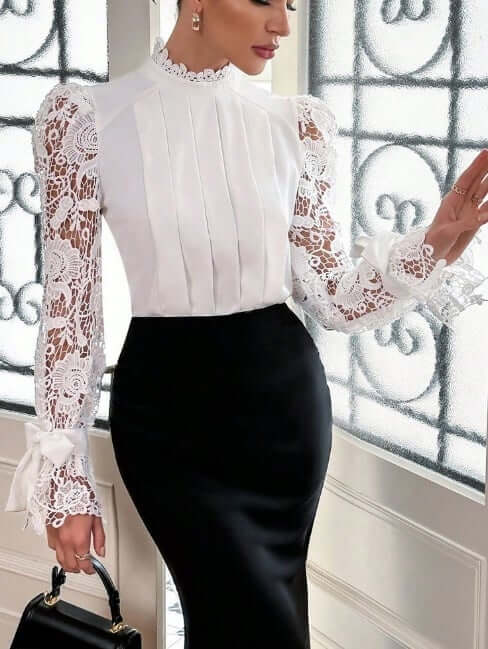
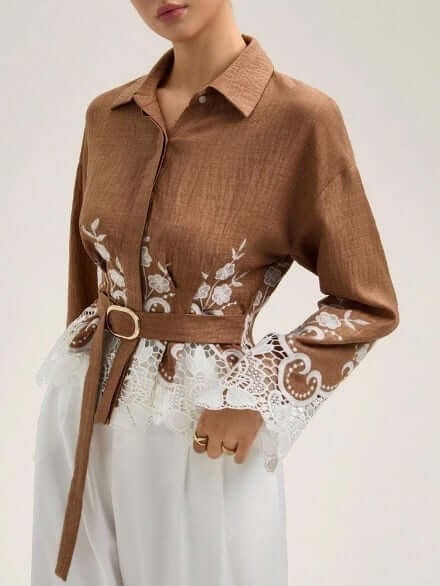
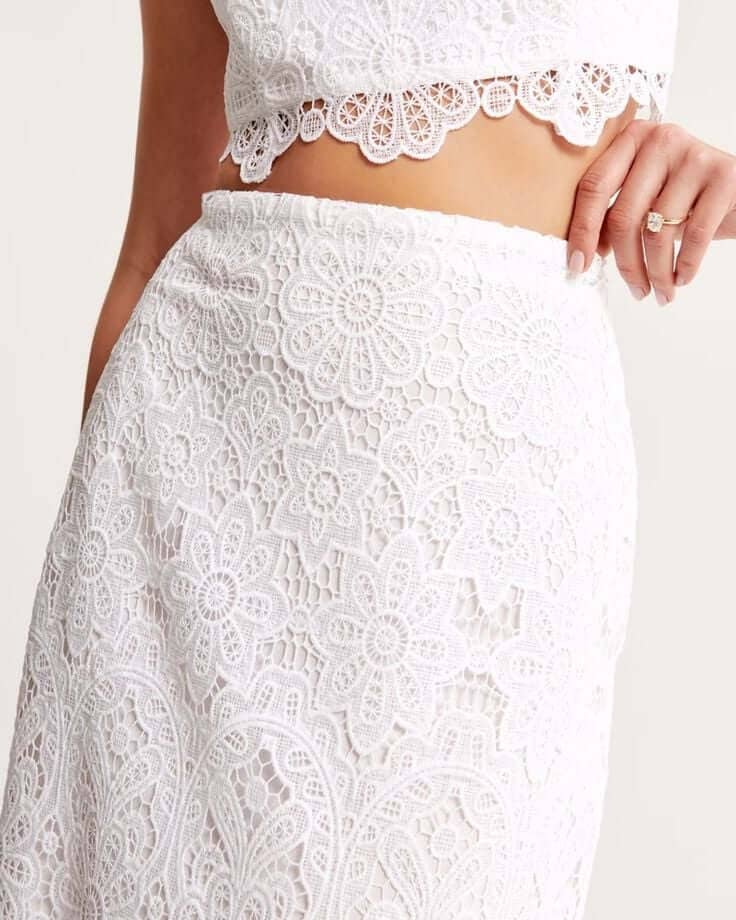
Luxury Office Wear / Premium Workwear
- Guipure lace (structured, easy sewing)
- Laser-cut lace (modern, cost-efficient)
- Cotton lace / eyelet (breathable, Thailand-friendly)
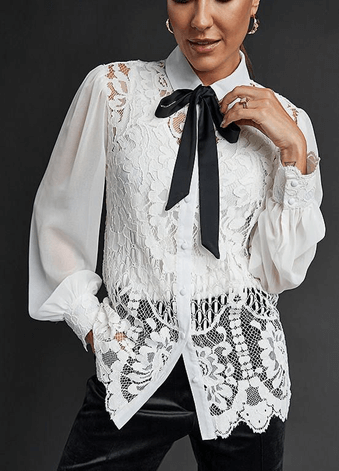
Premium Ready-to-Wear (Multi-Season)
- Guipure lace (strong commercial appeal)
- Eco-friendly lace (story + comfort)
- Laser-cut lace (modern price positioning)
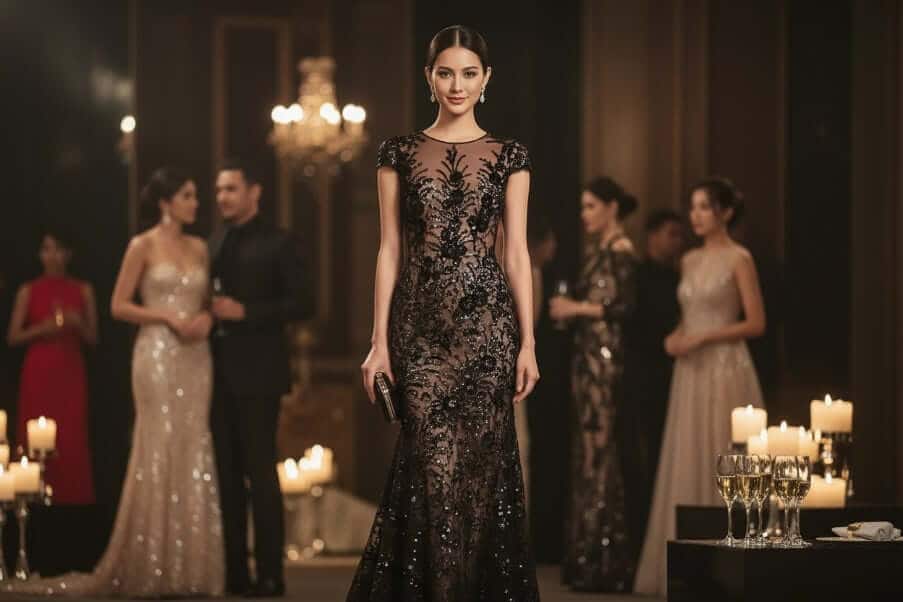
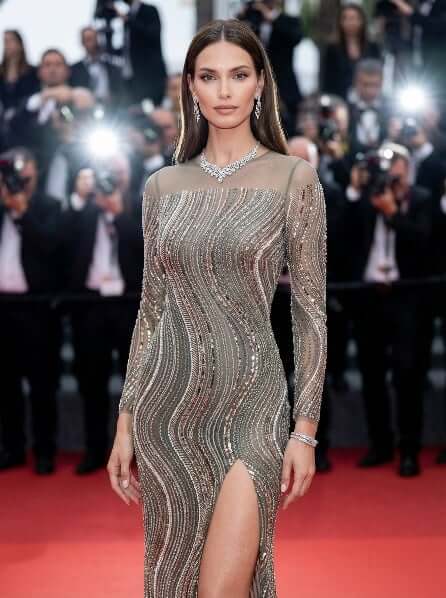
Eveningwear & Occasionwear
- Metallic lace (subtle shine)
- Chantilly lace (panels & overlays)
- Light beaded lace (statement pieces only)
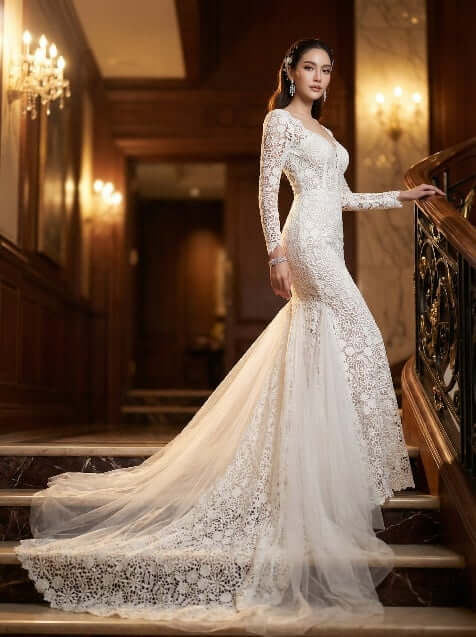
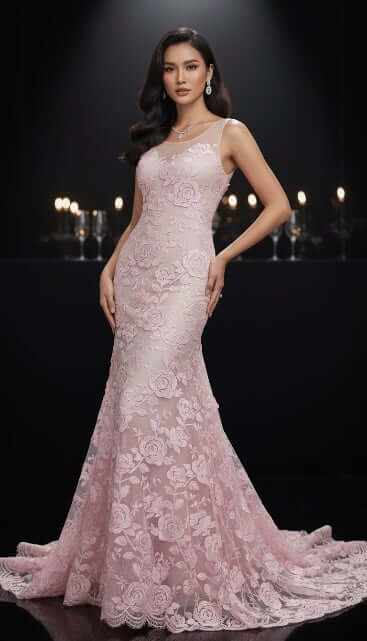
Bridal & Ceremony
- Chantilly lace (finest detail)
- French / Alençon-style lace (if applicable)
- Guipure lace (for bold, dimensional designs)
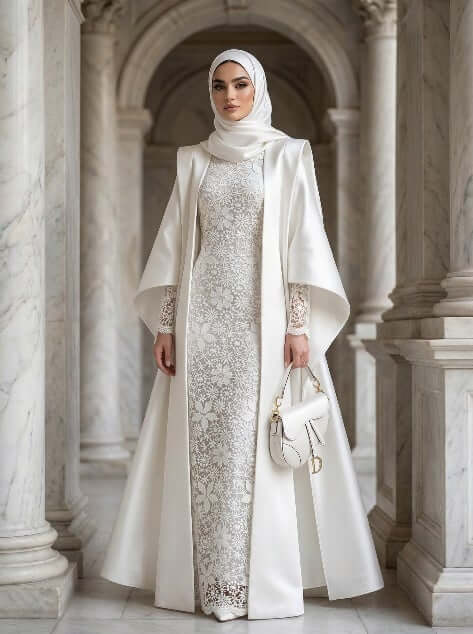
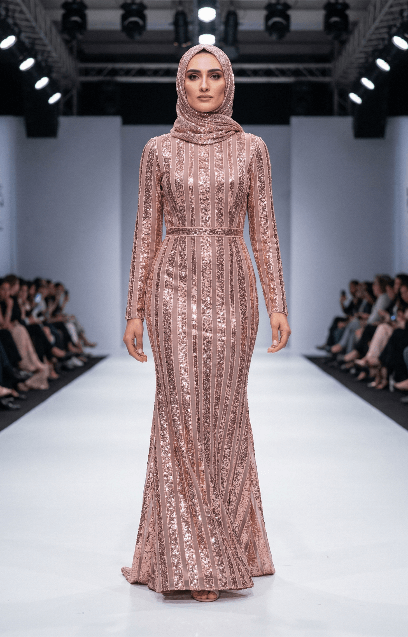
Muslim & Modest Fashion
- Cotton or eco lace (breathable)
- Guipure lace (defined but modest)
- Subtle metallic lace (used selectively)
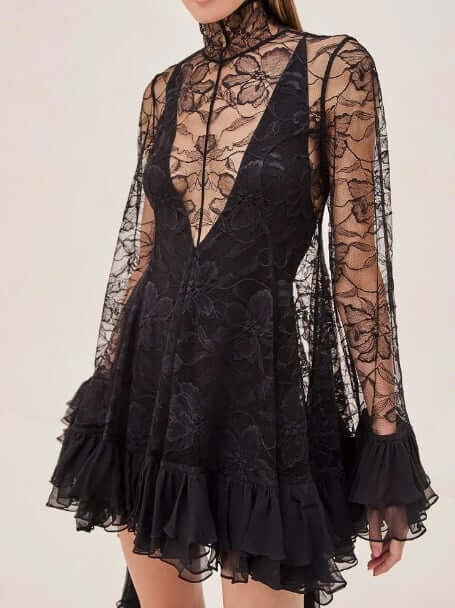
Resort & Summer Collections
- Cotton lace / eyelet
- Tulle lace (lightweight)
- Laser-cut lace (modern beach luxury)
Quick B2B Decision Cheat Sheet
- Easy production + repeat orders: Guipure / Laser-cut / Cotton lace
- Couture-level elegance: Chantilly (panel or overlay)
- High price positioning: Metallic lace (subtle shine)
- Export readiness & storytelling:Eco-friendly lace
Pre-Production Checklist (Critical)
Before locking any lace:
- Does it fray easily?
- Is the width consistent?
- Is color stability approved?
- Does it shrink or distort after pressing?
- Does pattern placement increase fabric consumption?
- What lining or interlining is required?
Each of these directly affects cost, lead time, and defect rates.
Conclusion: Lace as a Business Tool in 2026
In 2026, lace is no longer selected for beauty alone. It is a business tool — one that influences brand positioning, profit margins, and long-term scalability.
Brands that work with experienced suppliers gain access not only to fabric, but also to production insight, trend alignment, and commercial reliability. For brands, designers, and manufacturers seeking a dependable partner, United Lace offers wholesale lace collections with ready stock, repeatability, and professional B2B support.
Brands that select lace strategically gain:
- Stronger brand positioning
- Controlled production costs
- Higher reorder potential
- Sustainable long-term growth
For designers, brands, and manufacturers preparing collections for 2026 and beyond, working with a premium lace supplier Bangkok that understands design, production, and commercial reality is no longer optional — it is essential.
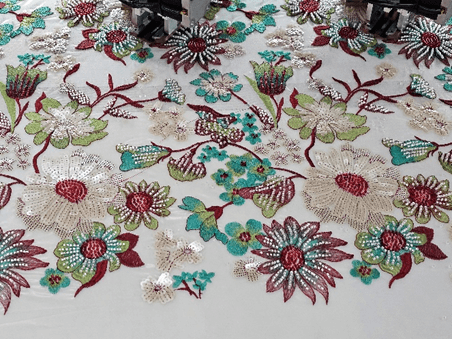
Design Reference & Apparel Inspiration
For real garment applications using United Lace fabrics, view
Parry Lace Studio — fashion and embroidery collections by United Lace
FAQs
What type of lace is best for fashion brands in 2026?
A : The best lace for fashion brands in 2026 is production-ready lace such as Guipure lace, laser-cut lace, and eco-friendly lace. These lace types offer strong structure, consistent repeatability, and controlled costs, making them ideal for ready-to-wear, workwear, and export-focused collections that require scalable production.
Is lace suitable for mass production and repeat orders?
A : Yes. Modern lace in 2026 is designed for repeatable production. Machine-made Guipure lace, laser-cut lace, and stabilized Chantilly lace provide consistent width, color accuracy, and pattern continuity, allowing brands and garment factories to reorder confidently across multiple seasons without quality deviation.
Why is lace still important in fashion trends for 2026?
A : Lace remains important in 2026 because it instantly elevates garment value while adapting to modern silhouettes. Unlike trend-driven fabrics, lace functions as a strategic material—enhancing brand positioning, supporting premium pricing, and working across categories such as workwear, modest fashion, eveningwear, and sustainable collections.
What lace fabrics are suitable for hot climates like Thailand?
A : For hot climates, breathable lace such as cotton lace, eyelet lace, Guipure lace, tulle lace, and eco-friendly lace is most suitable. These lace types offer better airflow, lighter weight, and improved comfort, making them ideal for Southeast Asian markets and tropical export destinations.
What is the difference between Guipure lace and Chantilly lace?
A : Guipure lace has raised motifs without a mesh background, giving it structure and ease of sewing, ideal for workwear and ready-to-wear. Chantilly lace is fine, lightweight, and mesh-based, offering a soft couture look, commonly used for eveningwear, bridal overlays, and premium statement pieces.
Is eco-friendly lace commercially viable for fashion brands?
A : Yes. Eco-friendly lace is commercially viable and increasingly essential in 2026. Lace made from TENCEL™, recycled polyester, or eco-viscose supports sustainability claims while remaining wearable, cost-efficient, and repeatable—making it especially valuable for premium brands and export-oriented fashion businesses.
How do fashion brands use lace without increasing production costs?
A : Fashion brands control costs by using lace strategically—such as panel construction, partial overlays, sleeves, borders, or placements—instead of full-lace garments. This approach reduces fabric consumption, simplifies patterns, and maintains a luxury appearance without significantly increasing production expenses.
What lace colors sell best for fashion brands in 2026?
A : Best-selling lace colors in 2026 include ivory, nude beige, champagne, navy, midnight blue, and dusty pastels. These colors are versatile, seasonless, and easier to match with linings and base fabrics, resulting in faster sell-through and higher reorder potential.
Is laser-cut lace considered a premium fabric?
A : Yes. Laser-cut lace is considered a modern premium fabric in 2026. Its clean edges, precise patterns, and consistent repeatability appeal to contemporary brands seeking architectural, minimalist aesthetics while maintaining production efficiency and strong commercial scalability.
What should brands check before ordering lace fabric in bulk?
A : Before ordering lace in bulk, brands should check fabric width consistency, color stability, shrinkage after washing, fraying risk, pattern placement requirements, and lining compatibility. These factors directly affect production yield, defect rates, and long-term cost control in factory environments.
Why is choosing the right lace supplier important for brands?
A : Choosing the right lace supplier ensures design consistency, stable supply, repeat orders, and professional B2B support. An experienced supplier like United Lace helps brands align lace selection with production realities, market trends, and long-term growth strategies.

 |  |  |  |  |
#unitedlace #lace #embroidery #cottonlace #drylace #frenchlace #eyelet #chantillylace #lacewholesale #fancylacefabric #lacewholesaleonline #multicolor #tencel #cotton #guipure #wholelacesupplier #lacesupplier #lacecharacteristic #laceproperties #innovation #ecofriendly
Lace Fabrics for Modern Fashion Brands 2026 | Wholesale Lace Fabric Thailand