Table of Contents
- We Own More Clothes Than Ever — So Why Do We Still Feel Like We Have “Nothing to Wear”?
- What Is a Smart Wardrobe?
- Capsule Wardrobe vs Smart Wardrobe
- Stop Asking Only “How Much Does It Cost?” Ask “How Often Will I Wear It?”
- The 7-Question Smart Wardrobe Check
- Fabric Quality Matters More Than Many Consumers Realize
- Which Fabrics Work Well in a Smart Wardrobe?
- “Timeless” Does Not Mean Boring
- Every Smart Wardrobe Needs Character Pieces
- Smart Wardrobes in Thailand Must Consider Climate
- Trends Are Not the Enemy
- Construction Matters as Much as Fabric
- Fit Matters More Than the Number on the Label
- A Smart Wardrobe Does Not End at Purchase
- Read the Care Label
- Repair Before Replace
- Do Not Let Unused Clothes Become “Dead Stock at Home”
- What Does a Smart Wardrobe Look Like for Someone Who Loves Fashion?
- What Fashion Brands Can Learn From Smart Wardrobe Thinking
- Sustainability Should Mean More Than a Word on a Hangtag
- What Is a Wardrobe Hero?
- Try the 30-Wear Thought Experiment
- Smart Wardrobe Does Not Mean Minimalism — It Means Maximum Use
- Conclusion: The Best Clothes Are Not Necessarily the Newest
- FAQs
We Own More Clothes Than Ever — So Why Do We Still Feel Like We Have “Nothing to Wear”?
Open your wardrobe on an ordinary morning.
The rail may be full. Shirts are packed closely together, trousers are stacked in several layers, dresses bought during sales are pushed toward the back, and there may even be garments that still have their price tags attached.
Yet after looking through everything, many people still arrive at the same conclusion:
“I have nothing to wear.”
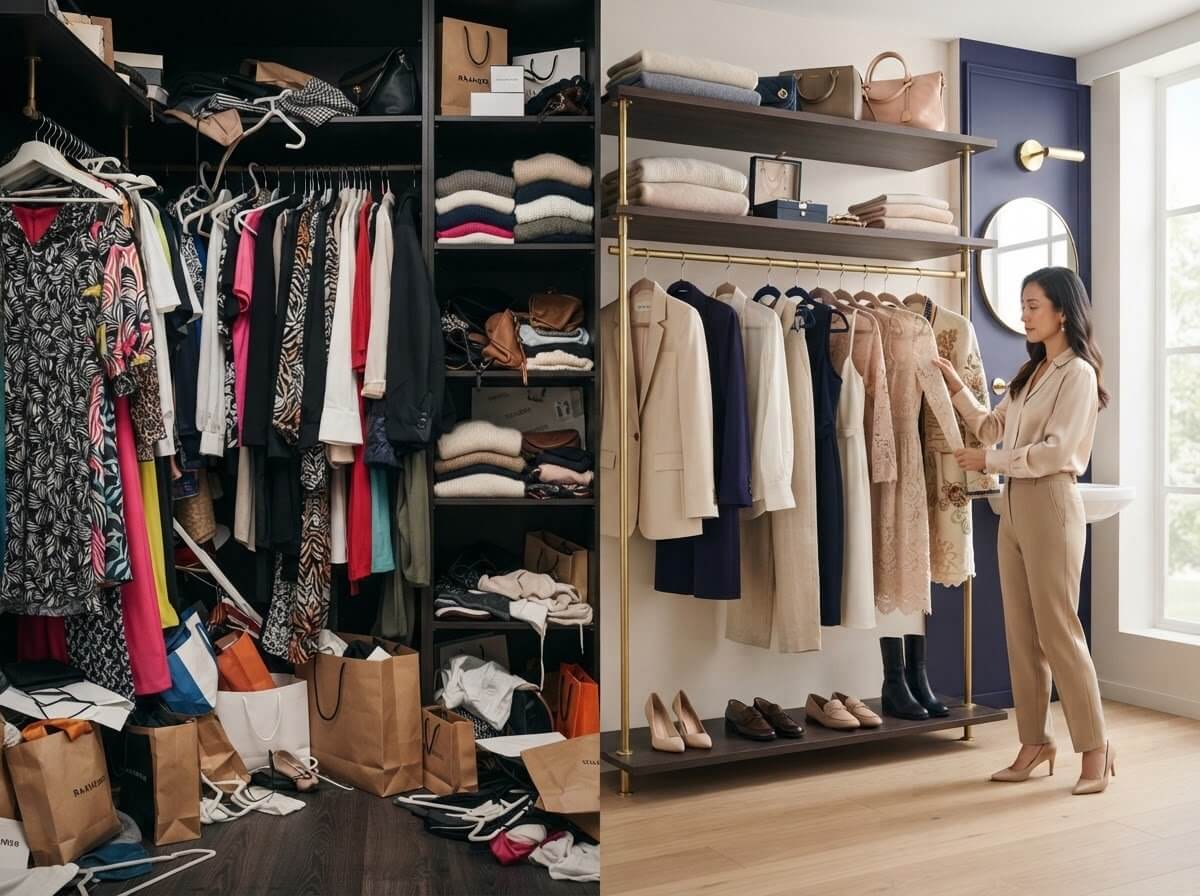
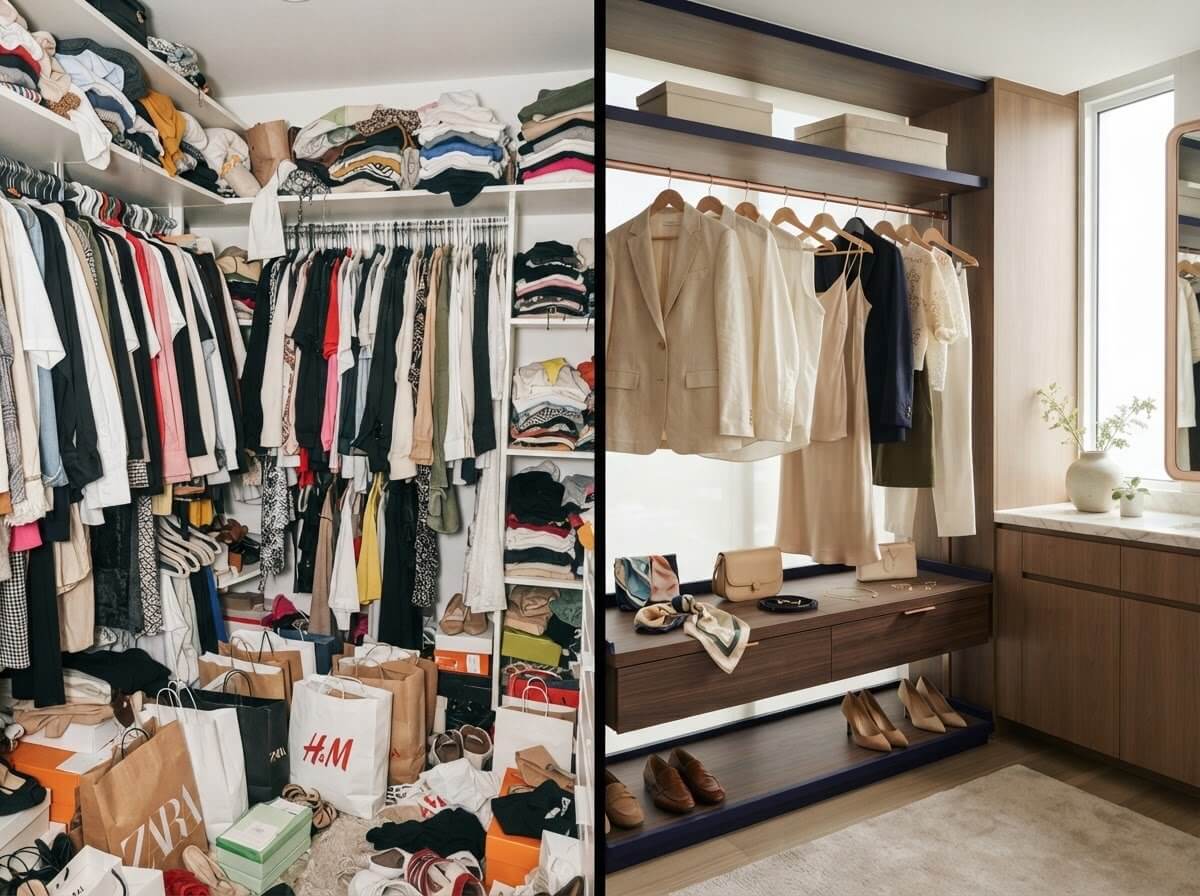
The problem may not be the number of clothes we own.
It may be the quality of the decisions we made when buying them.
Fast Fashion has made clothing more accessible, more trend-responsive and easier to purchase than ever before. New silhouettes, colors and styles move rapidly from runway and social media into the marketplace.
But this speed has also changed the way many consumers value clothing. “New” can become more important than “useful,” “trending” more important than “personal,” and “cheap” more important than “how often will I actually wear this?”
That is why a more useful question for modern consumers may be:
“Does this garment genuinely deserve a place in my wardrobe?”
This question leads to the concept of a Smart Wardrobe.
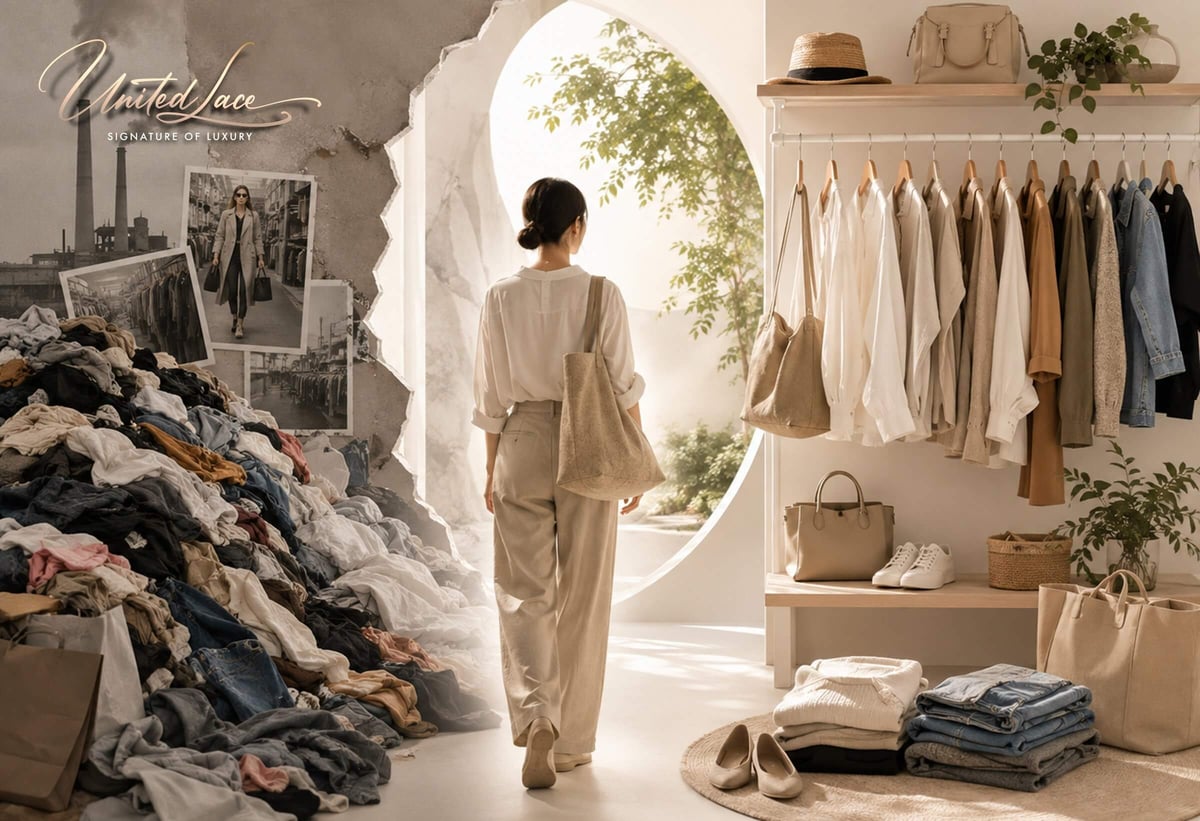
A Smart Wardrobe does not mean giving up fashion, avoiding trends or restricting yourself to neutral basics. It means building a wardrobe that is more considered, more versatile, better suited to your lifestyle and more representative of your identity.
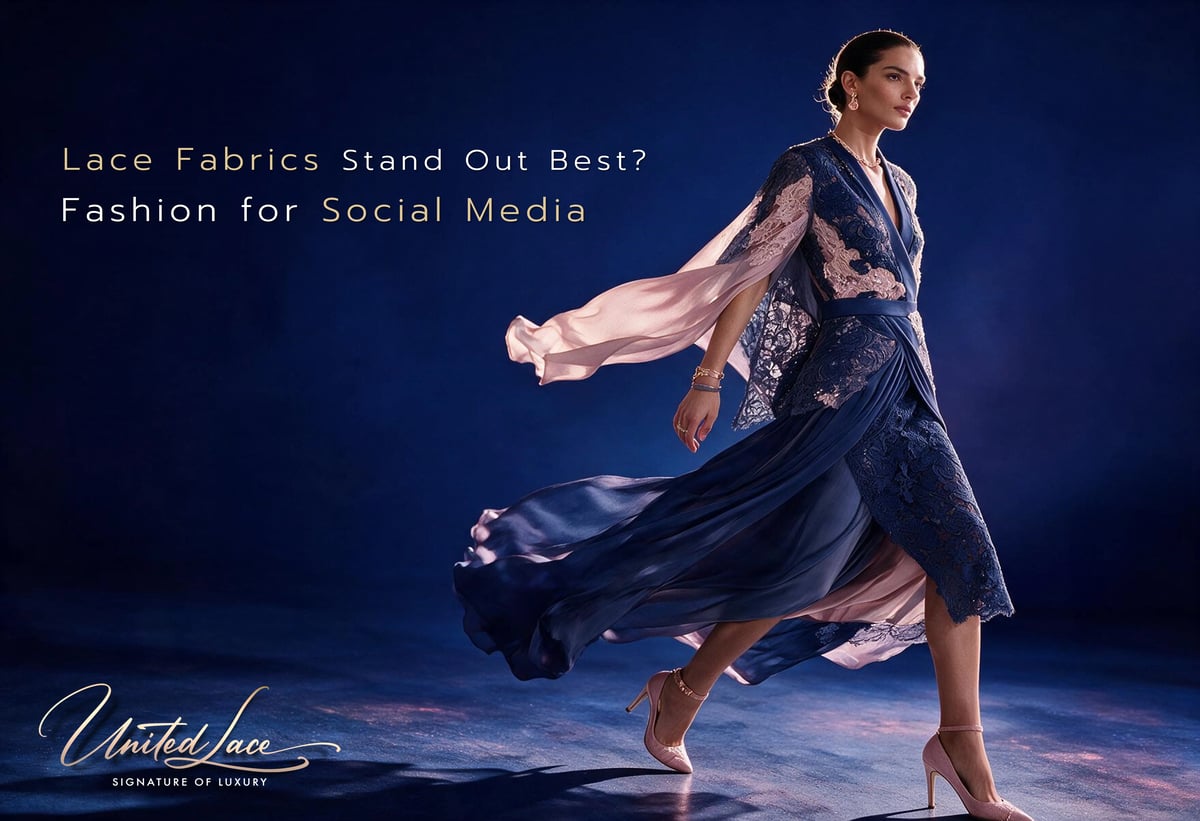
For United Lace, this way of thinking begins with fabric. Before a blouse becomes a signature piece or a dress becomes a wardrobe favorite, there is a material decision. Texture, drape, structure, breathability, durability and hand-feel all affect how a garment looks, performs and ages.
Understanding fabric therefore helps not only designers and garment manufacturers, but also consumers who want to buy clothes more intelligently.
What Is a Smart Wardrobe?
A Smart Wardrobe is a collection of clothing in which each garment has a clear purpose.
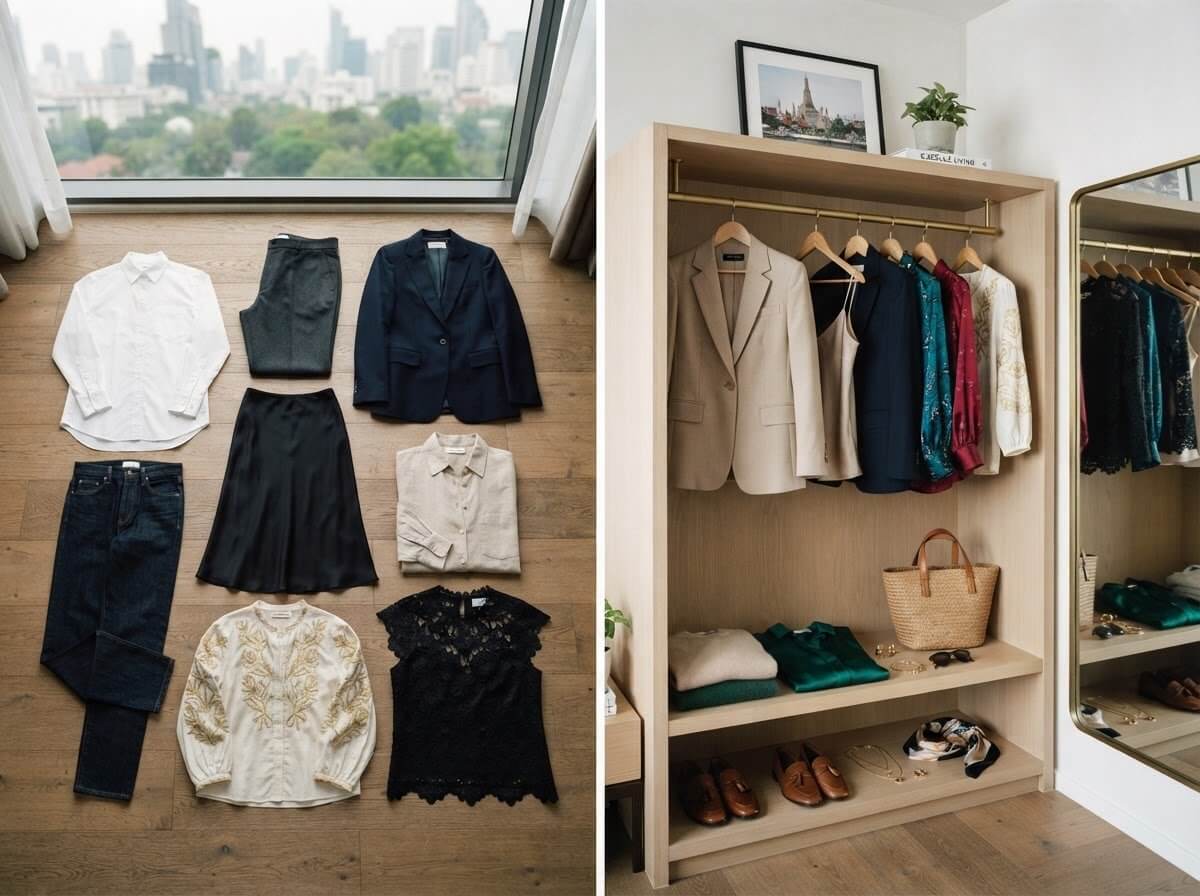
One piece may be a shirt you wear twice a week. Another may be a lace dress worn only several times per year, but each time it creates a strong and distinctive image. Another may be a quality blazer that works for meetings, dinners and travel.
A Smart Wardrobe should therefore not be measured primarily by quantity.
It is better understood through three principles:
Utility + Quality + Identity
The garments should work together, but they should also work for you.
Your wardrobe should support your lifestyle rather than forcing you to keep buying additional items simply because the clothes you already own are difficult to combine.
Capsule Wardrobe vs Smart Wardrobe
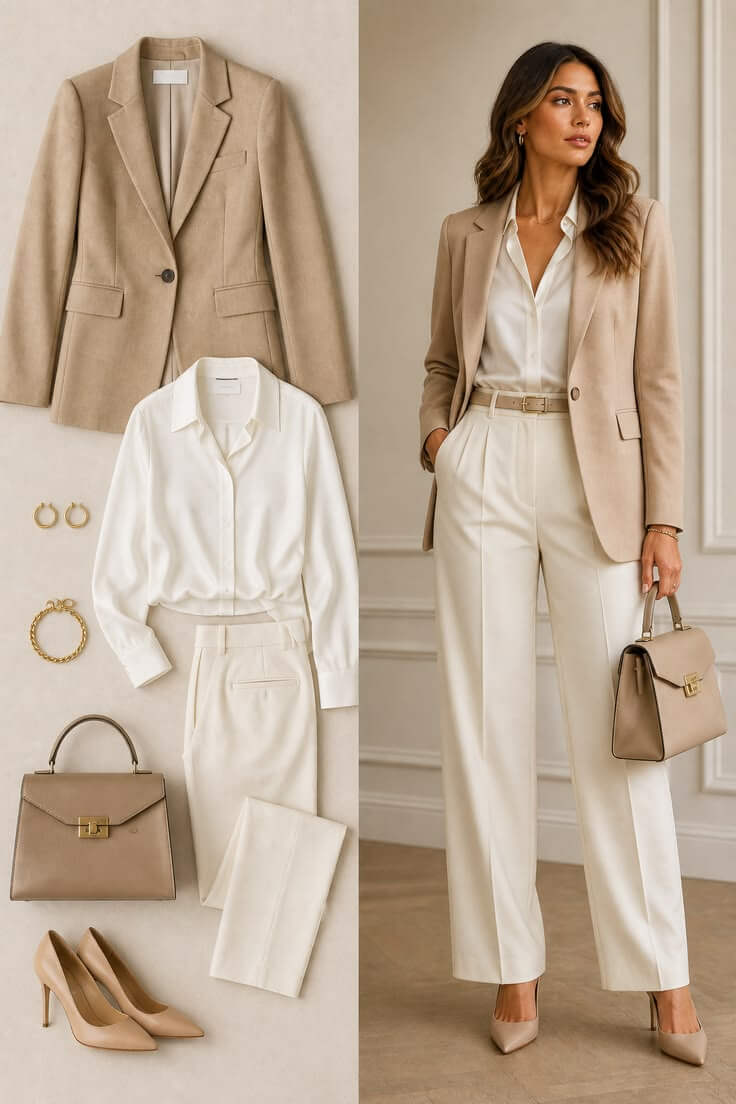
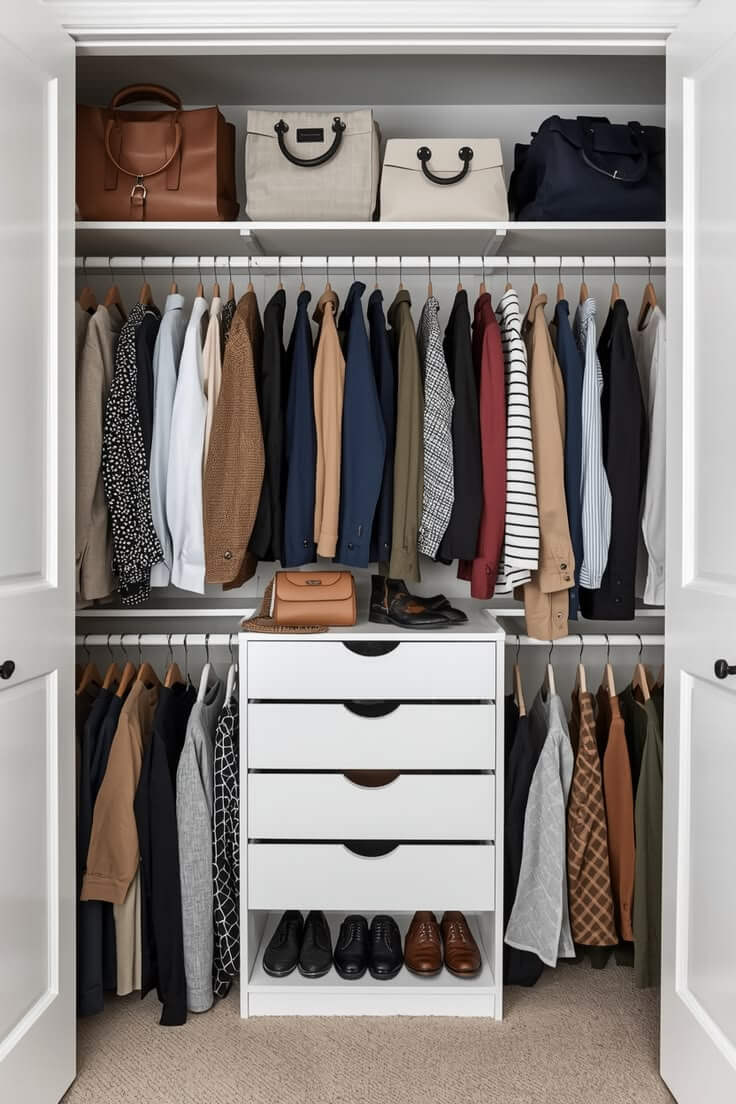
A Capsule Wardrobe usually focuses on a limited number of highly interchangeable pieces such as shirts, trousers, jackets, skirts and simple tops.
A Smart Wardrobe can be more expressive.
Someone who loves embroidery, dramatic textures, prints, color or lace can still build an intelligent wardrobe.
You do not need to turn your wardrobe into a collection of beige basics.
The real principles are:
- know what you actually wear;
- understand your lifestyle;
- choose fabrics appropriately;
- recognize quality;
- and purchase with intent rather than impulse.
Stop Asking Only “How Much Does It Cost?” Ask “How Often Will I Wear It?”
This is one of the simplest ways to improve clothing decisions.
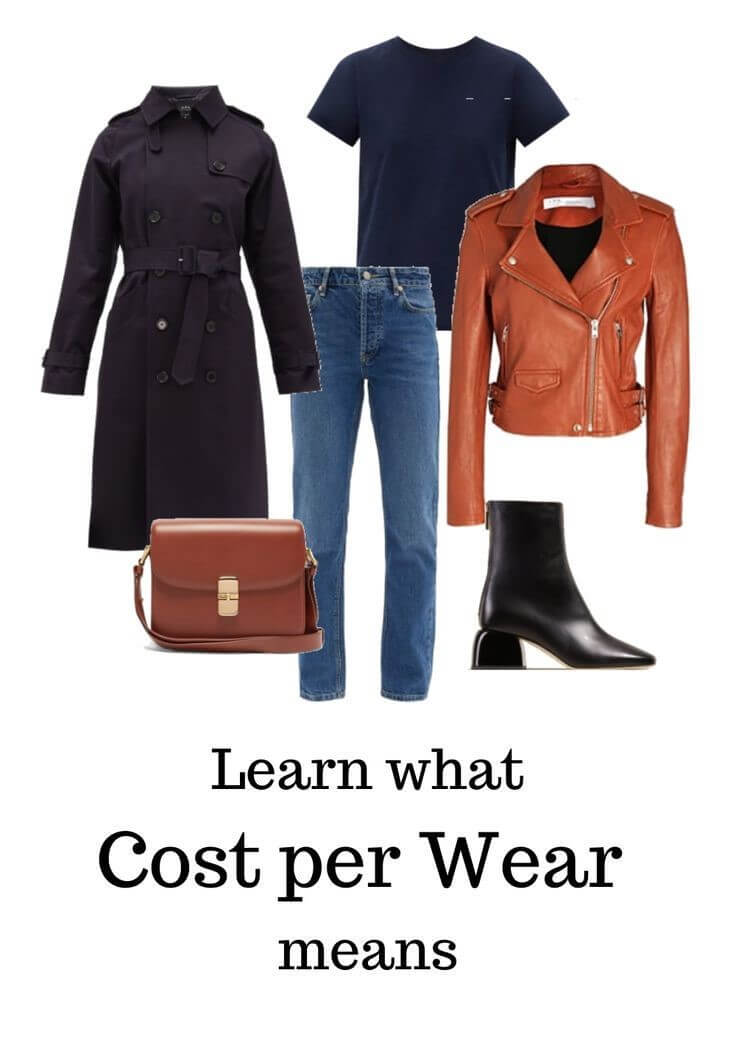
Imagine two blouses.
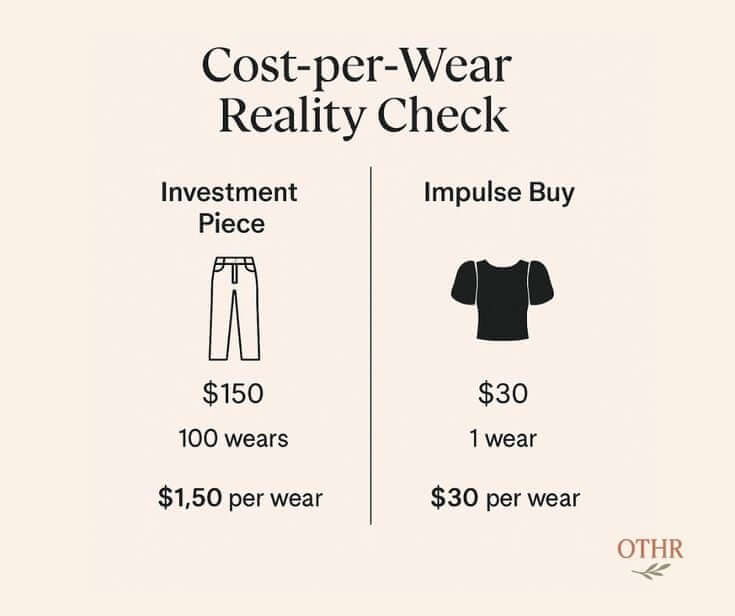 Blouse A
Price: 790 baht
You buy it because it is discounted. You wear it twice. After several washes, the shape changes and the blouse ends up at the back of the wardrobe.
Cost per Wear: 395 baht
Blouse B
Price: 3,500 baht
The color works with your wardrobe. The fabric feels good, the construction is strong and the blouse can be worn for work, meetings and dinner.
You wear it 70 times.
Cost per Wear: 50 baht
The lesson is simple:
“Expensive” and “good value” are not the same thing.
Equally, inexpensive clothing can offer excellent value if it is well chosen and used repeatedly.
The objective is not automatically to spend more.
It is to buy more accurately.
The 7-Question Smart Wardrobe Check
Before buying a new garment, ask yourself:
- Will I realistically wear this within the next 30 days?
- Can I combine it with at least three garments I already own?
- Is the fabric suitable for my climate and lifestyle?
- Do I genuinely like the garment, or mainly how the model styled it?
- Do the seams, lining, buttons, zipper and stress points appear well made?
- Can I realistically follow the care instructions?
- If this garment were not on sale, would I still want it?
That final question can be especially revealing.
Sometimes the attraction is not the garment itself. It is the feeling of getting a bargain.
Fabric Quality Matters More Than Many Consumers Realize
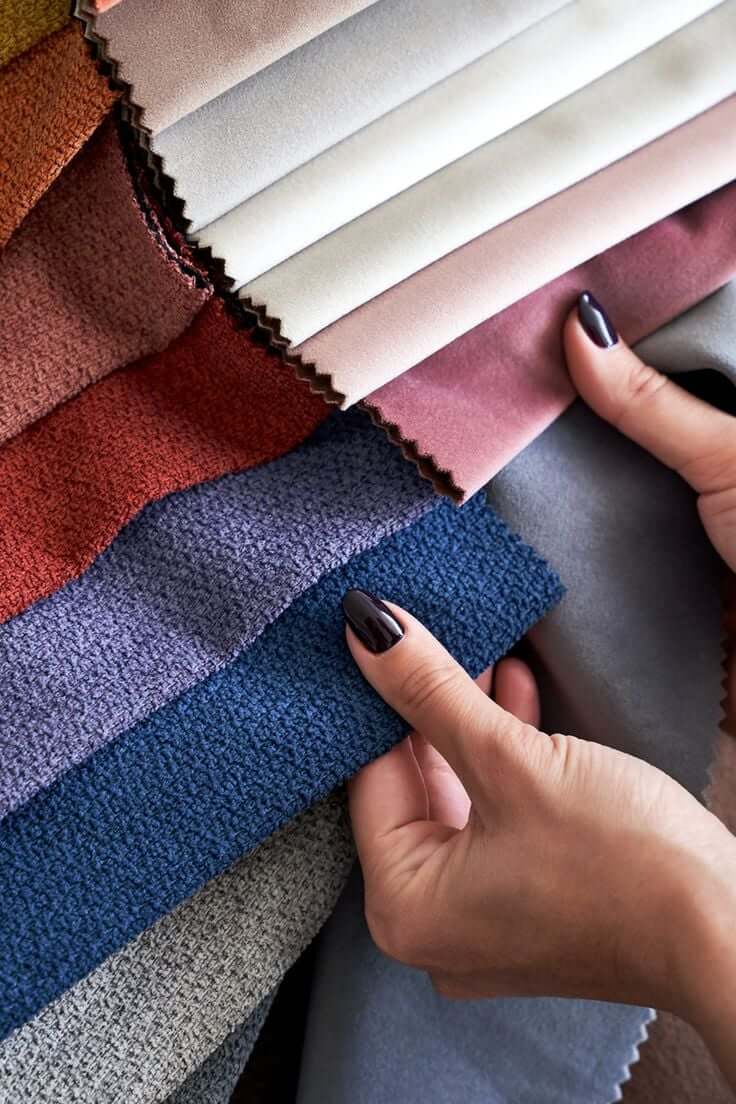 Most consumers initially judge clothing by:
Color.
Design.
Price.
But fashion professionals usually ask another question very early:
What is the fabric?
Fabric influences:
- comfort
- drape
- structure
- recovery
- wrinkling
- shrinkage
- breathability
- durability
- care
- silhouette
- perceived quality
A garment that looks excellent in a fitting room may not perform equally well after repeated washing and wear.
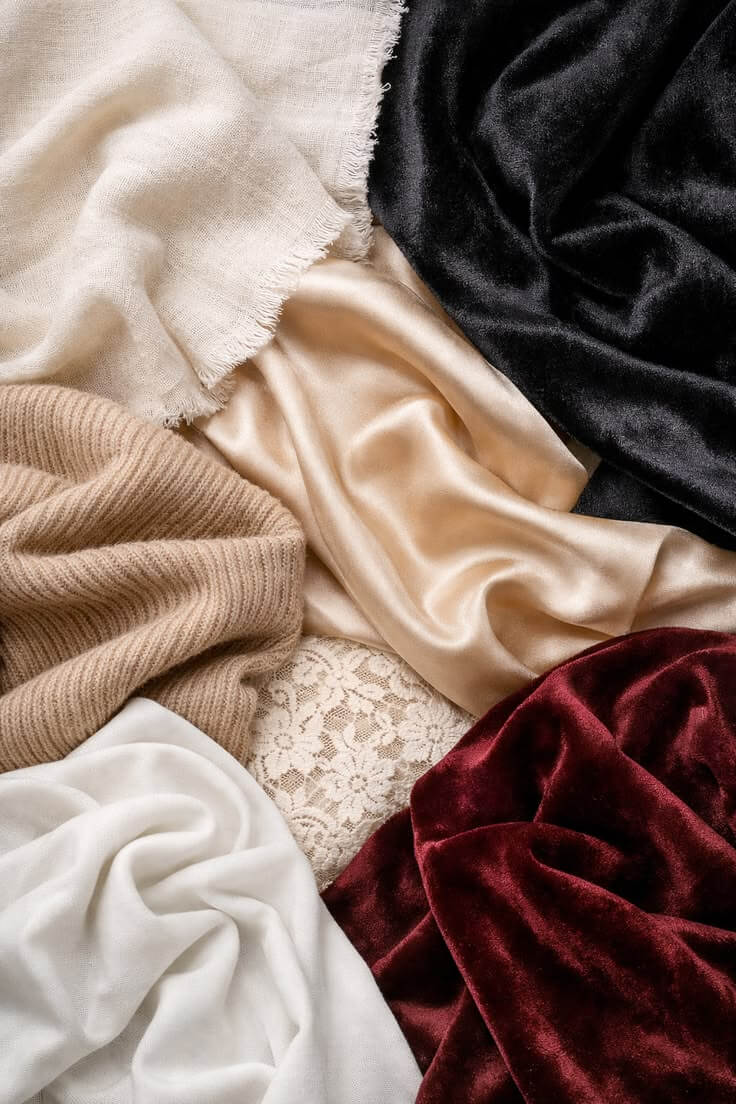
That is why a Smart Wardrobe requires more than choosing an attractive design. It requires learning how to read fabric.
For designers and fashion brands, United Lace explores this in greater depth in Fabric Sourcing for Professional Designers, where fabric selection is connected to brand positioning, production consistency and perceived value.
Which Fabrics Work Well in a Smart Wardrobe?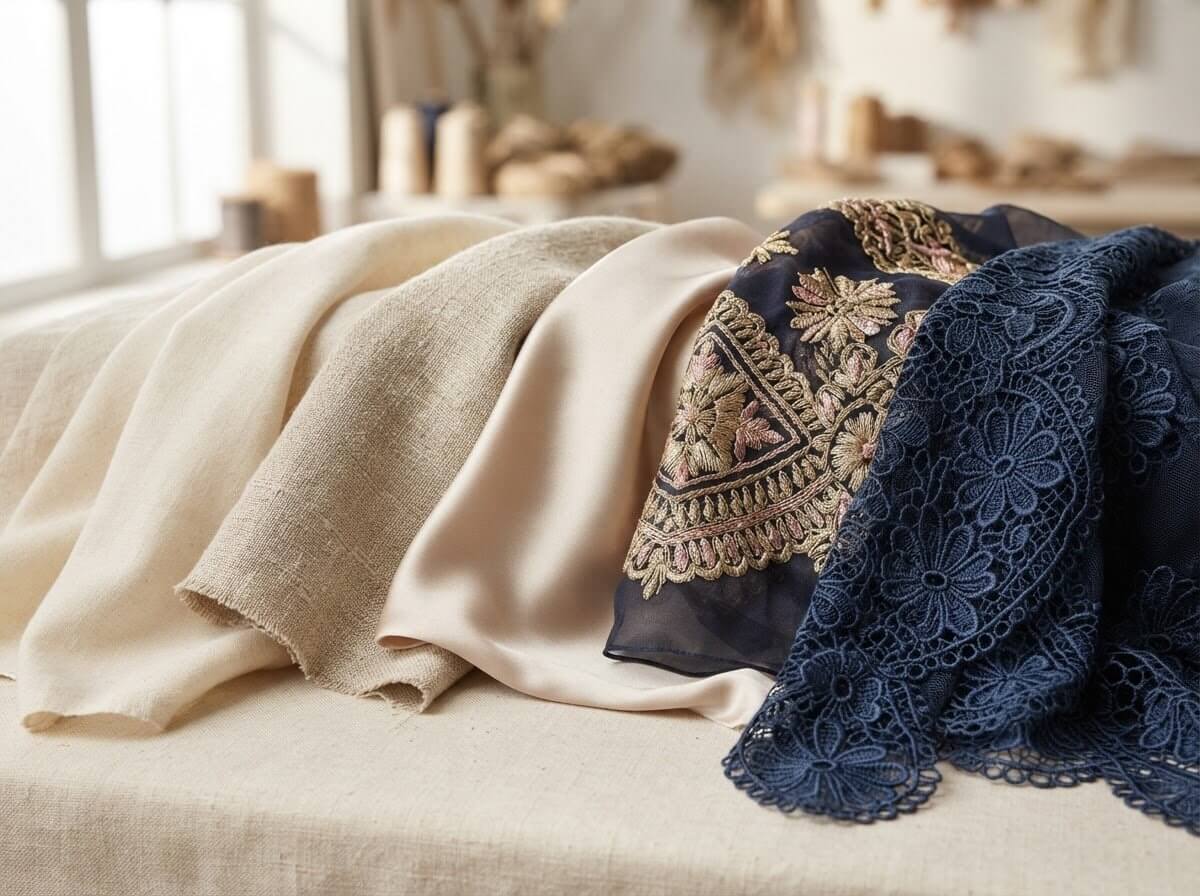
There is no universal formula because lifestyle and climate matter.
A wardrobe in Bangkok is different from one in London. Someone who works in a formal office has different needs from someone working in a creative studio.
The best approach is to evaluate fabric performance in relation to your real life.
Cotton — Everyday Foundation
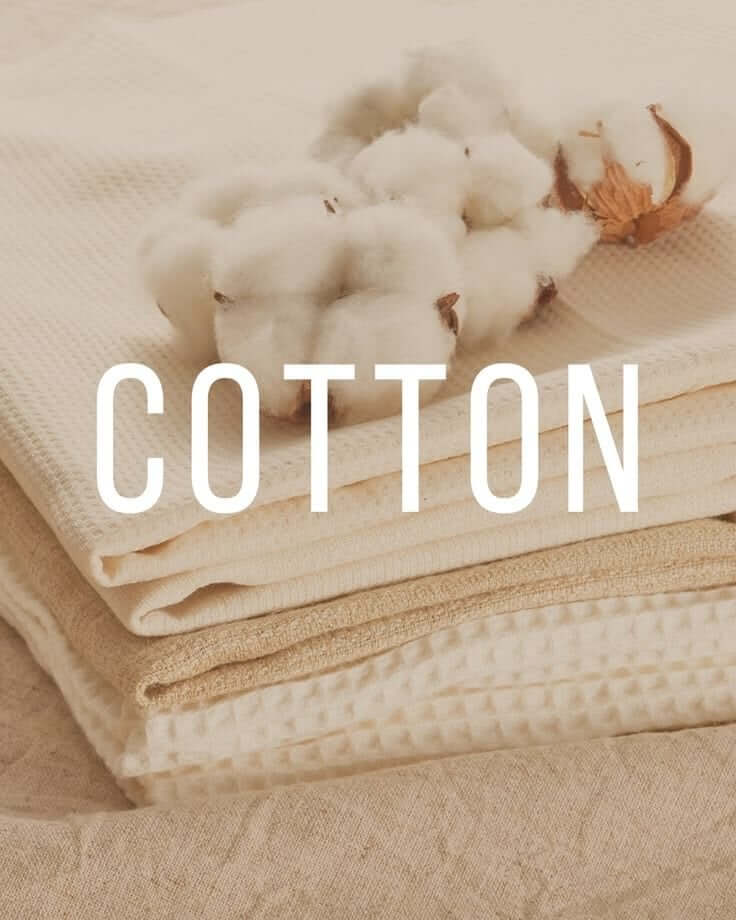
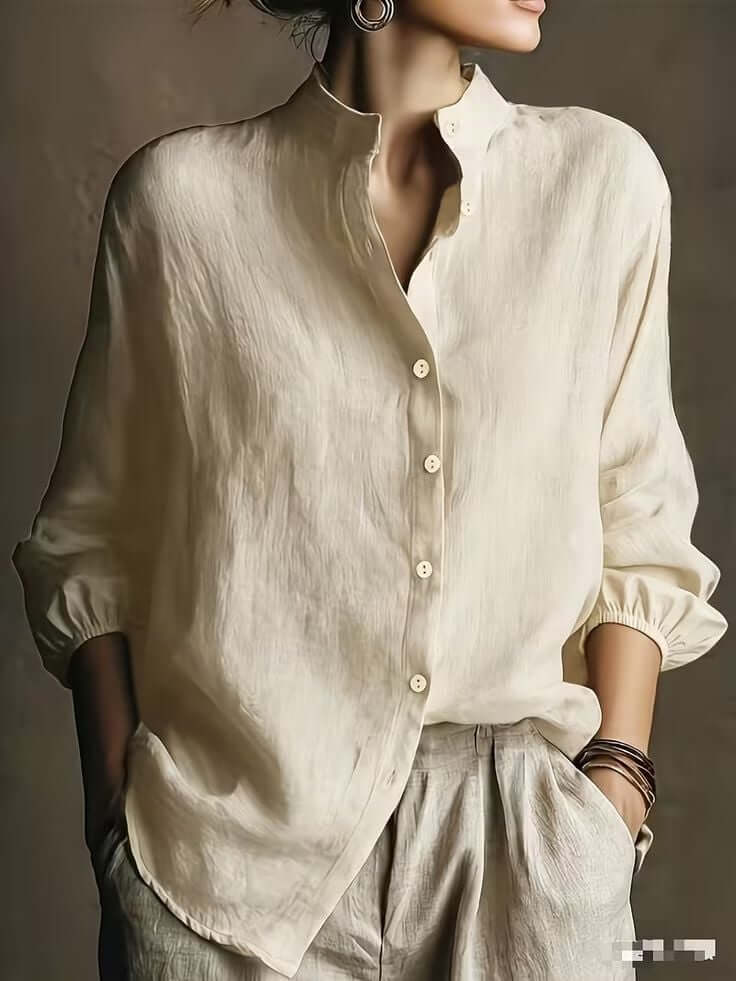
Cotton is extremely useful for hot-weather wardrobes and can work well in shirts, blouses, dresses and daywear.
However, the word “cotton” alone does not guarantee quality. Density, yarn, construction, finishing and dimensional stability all matter.
Linen — Natural Character
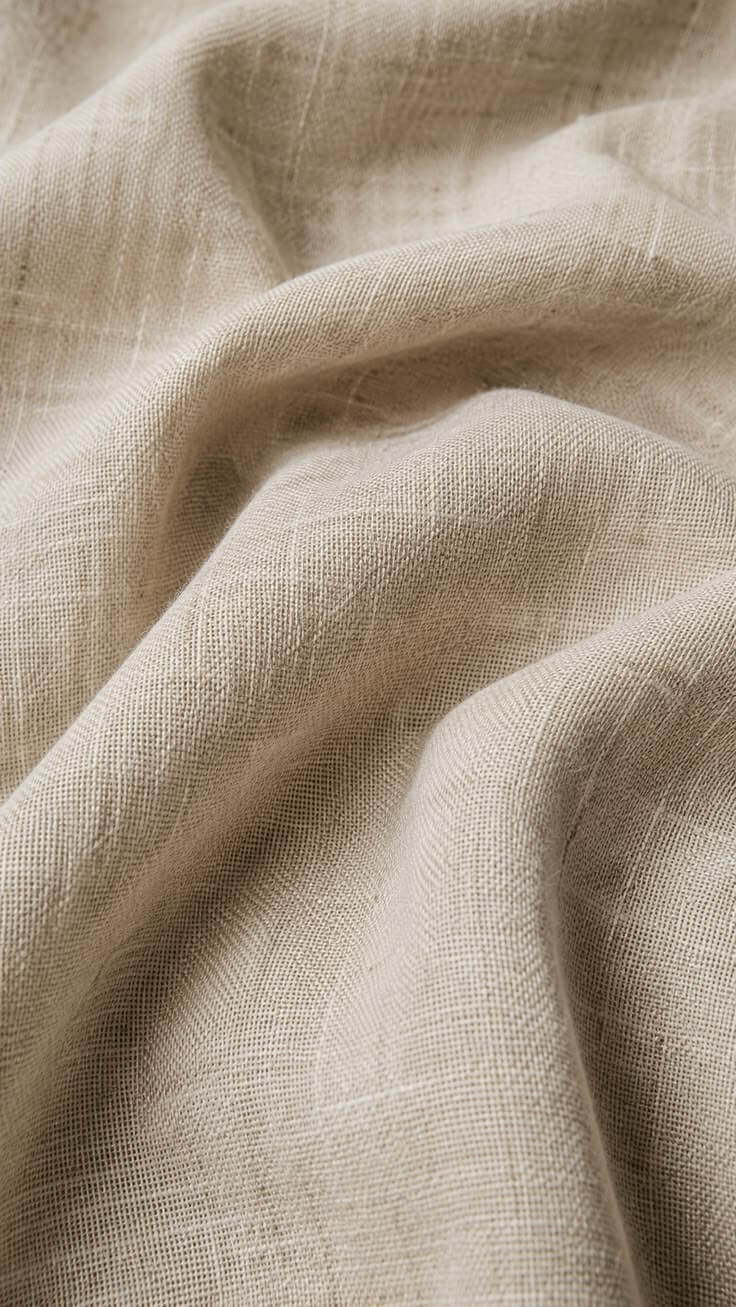
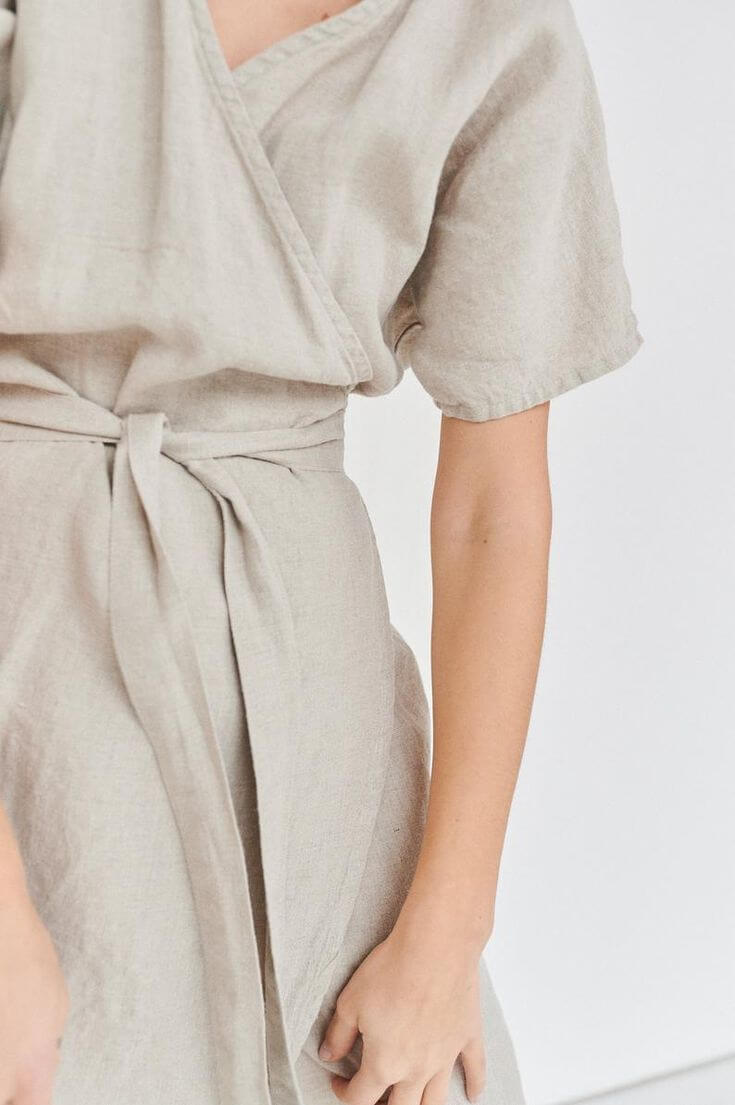
Linen works beautifully for resortwear, relaxed tailoring and natural luxury.
Its characteristic texture and wrinkling can become part of the aesthetic rather than automatically being seen as a flaw.
Wool and Wool Blends — Structure and Longevity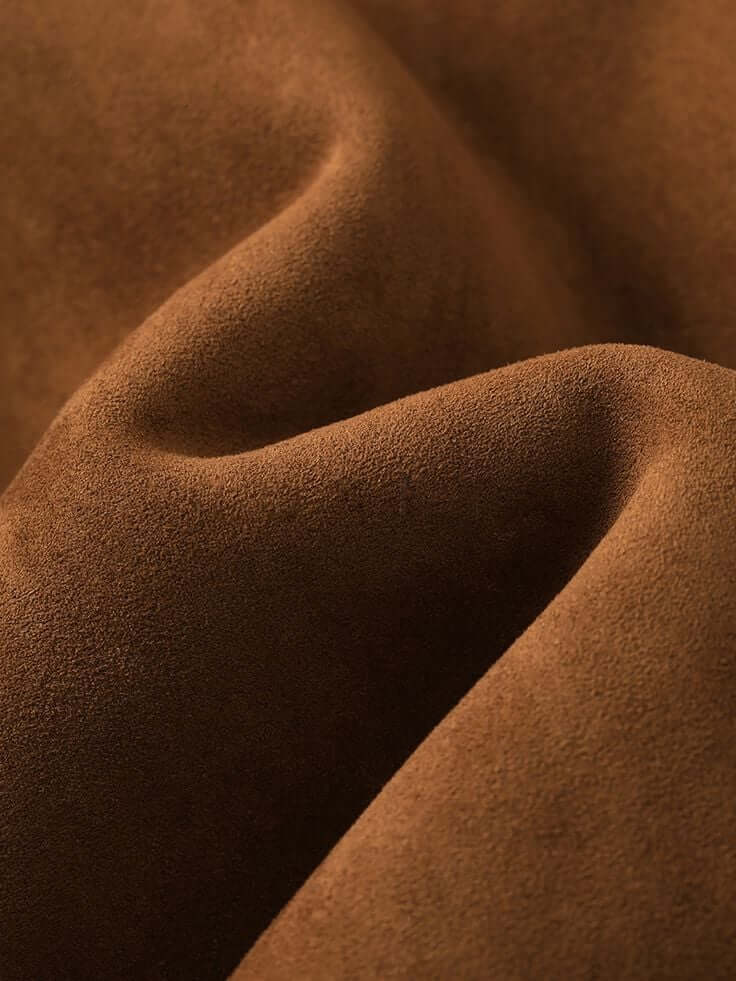
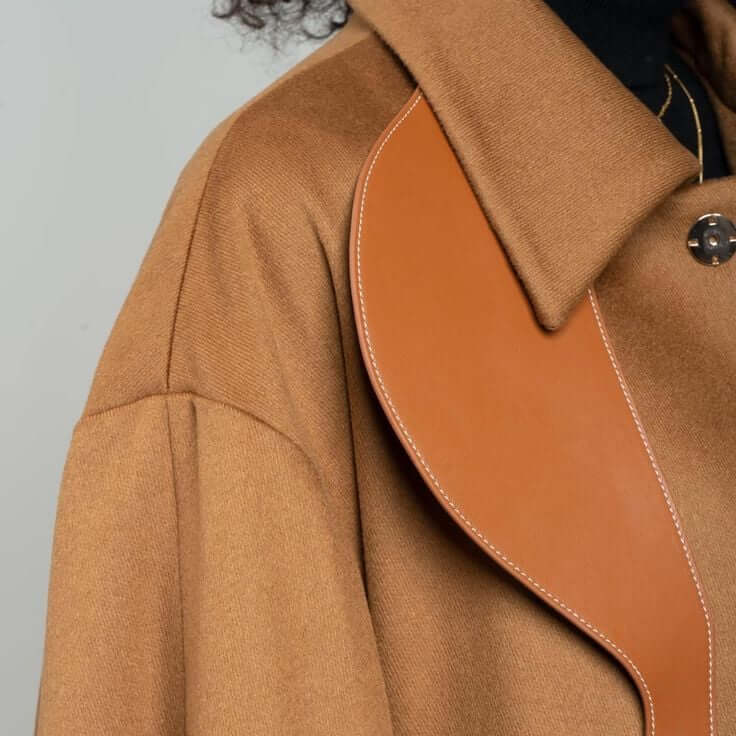
Wool can provide excellent structure for tailoring and outerwear, but in Thailand, weight and climate compatibility become essential.
A luxurious jacket that is too warm to wear has limited practical value.
Rayon and Viscose — Fluidity and Drape
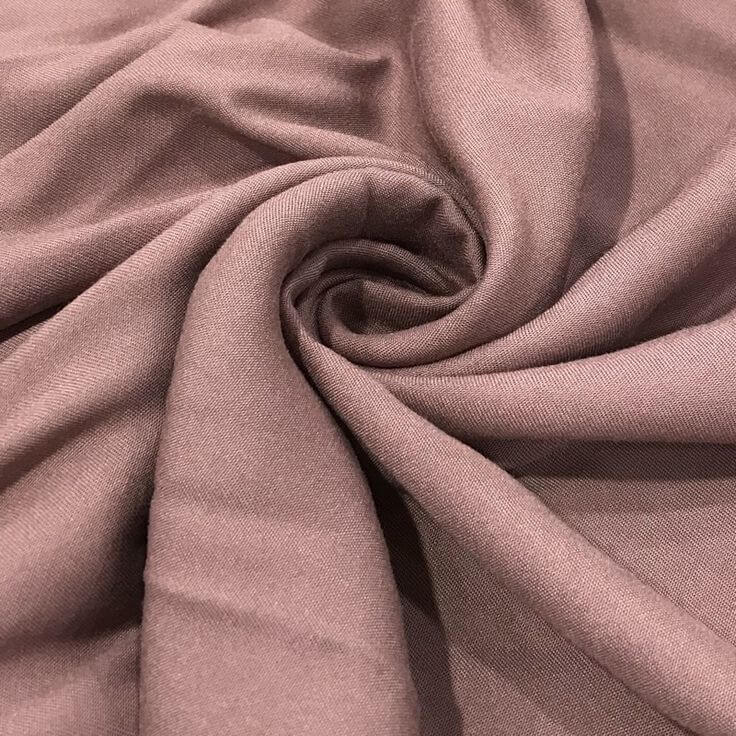
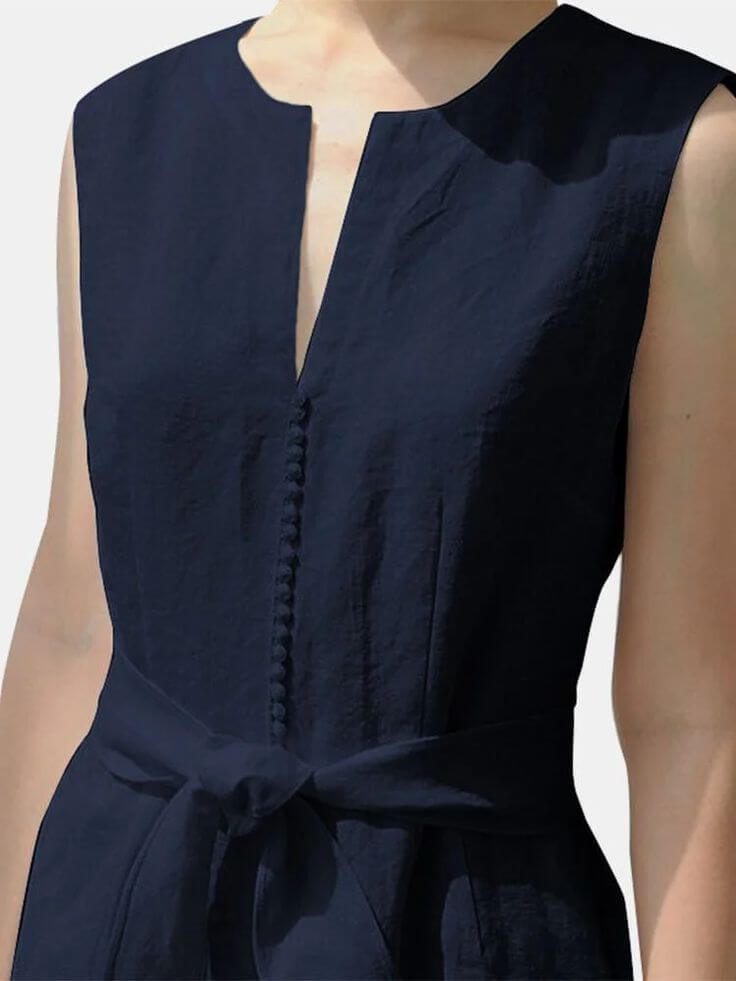
These fabrics can provide soft, flowing movement in blouses, dresses and skirts.
However, care requirements vary, making the care label important.
“Timeless” Does Not Mean Boring
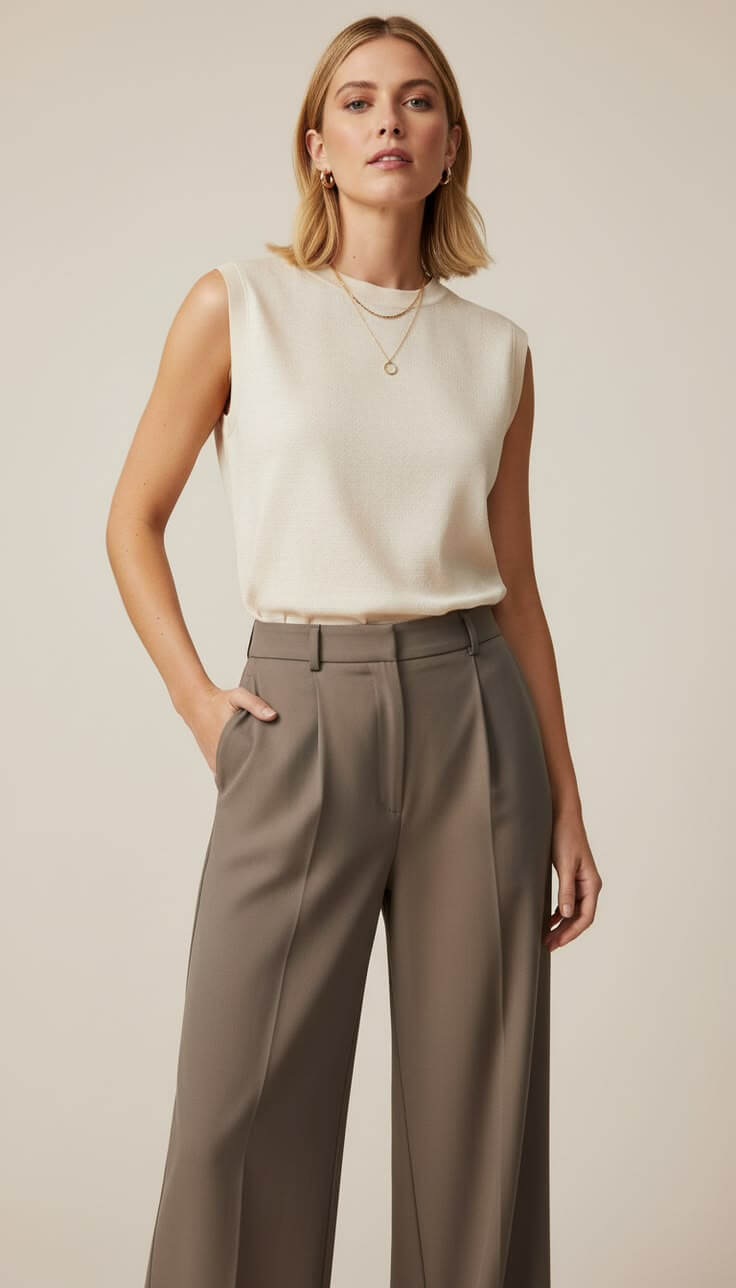
Discussions about timeless fashion often produce the same list:
- white shirt,
- black trousers,
- navy blazer,
- beige coat.
These garments can be useful, but timelessness should not require everyone to look the same.
A better definition is:
A timeless piece is something that still feels like you after the trend around it has changed.
For one person, this may be a white shirt.
For another, it may be:
- a black Guipure blouse;
- an embroidered jacket;
- a burgundy dress;
- a metallic skirt;
- a distinctive French Lace top.
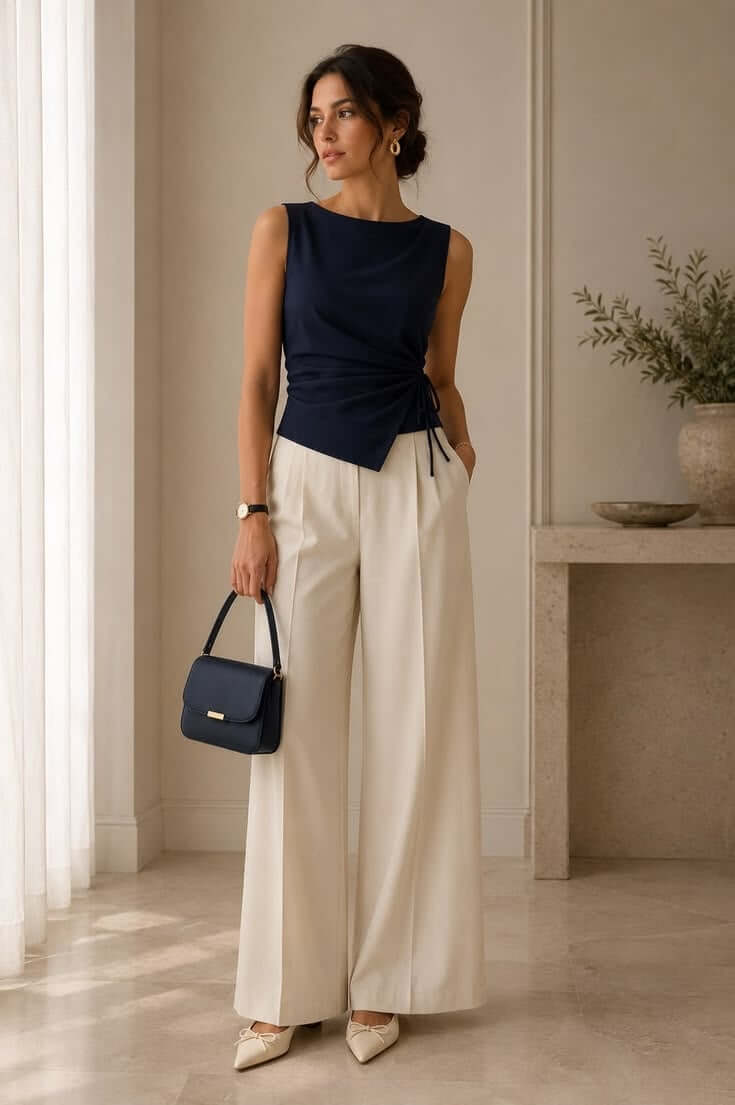
If you continue to wear it because it reflects your personal identity, it can be timeless for you.
United Lace discusses this material-led approach in Luxury Doesn't Come From “More”: Why Quiet Luxury Lace Looks “Still—Yet Expensive”.
Quiet Luxury demonstrates that premium value can come from controlled texture, fit, proportion and material quality rather than excessive decoration.
Every Smart Wardrobe Needs Character Pieces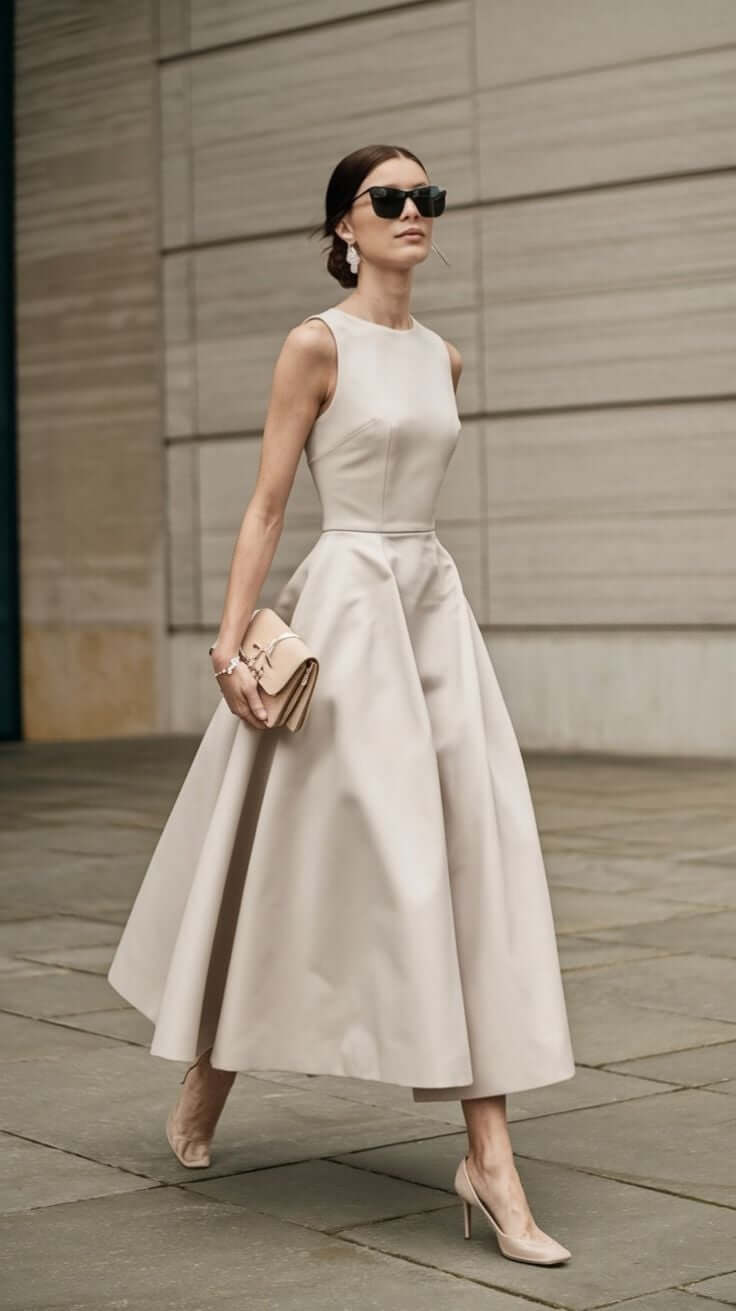
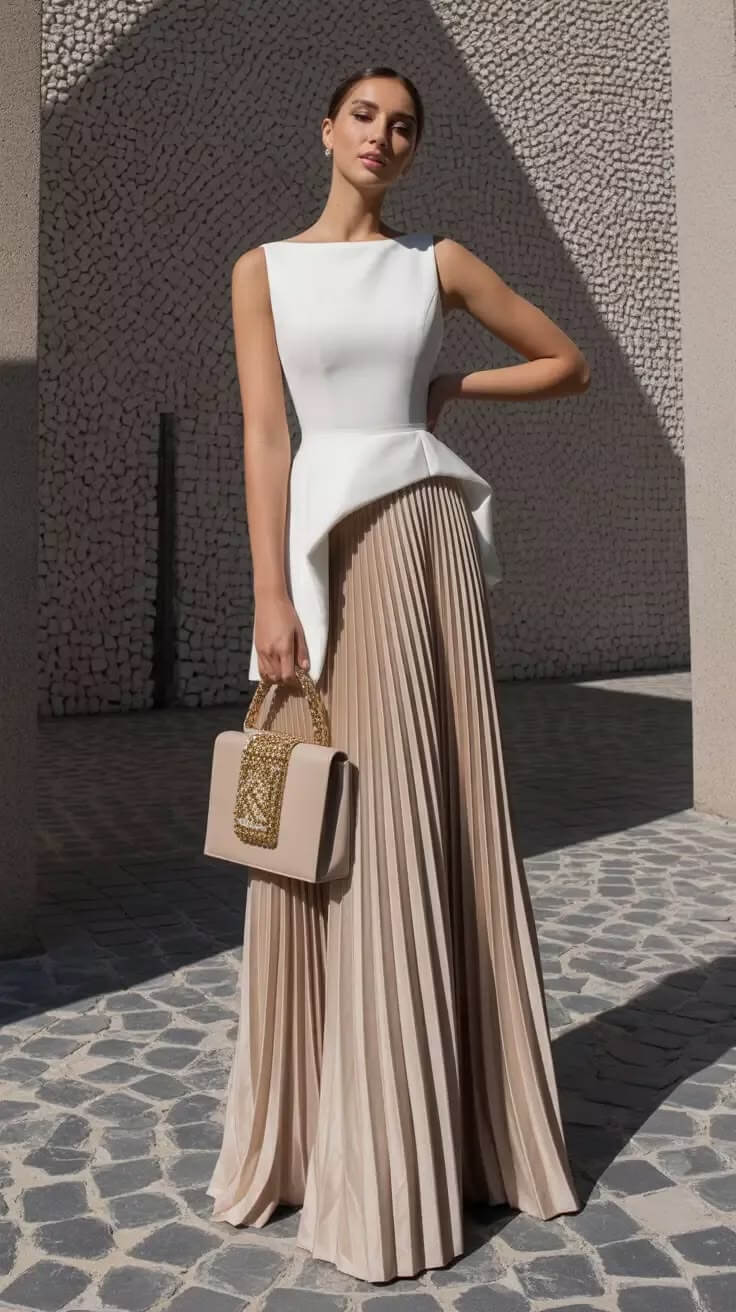
If everything in a wardrobe is basic, another problem can appear:
Everything is easy to wear, but nothing feels distinctive.
That is where Character Pieces become valuable.
Examples include:
- a lace blouse with a strong motif;
- a textured skirt;
- an embroidered jacket;
- a sculptural shirt;
- a statement dress.
Character Pieces help basic garments create new outfits.
The same pair of black trousers can look completely different when worn with a white cotton shirt compared with a structured Guipure blouse.
This demonstrates an important principle:
Variety does not always come from quantity. It can come from texture, proportion and styling.
Smart Wardrobes in Thailand Must Consider Climate
One problem with fashion inspiration on social media is that beautiful images often come from climates very different from Thailand.

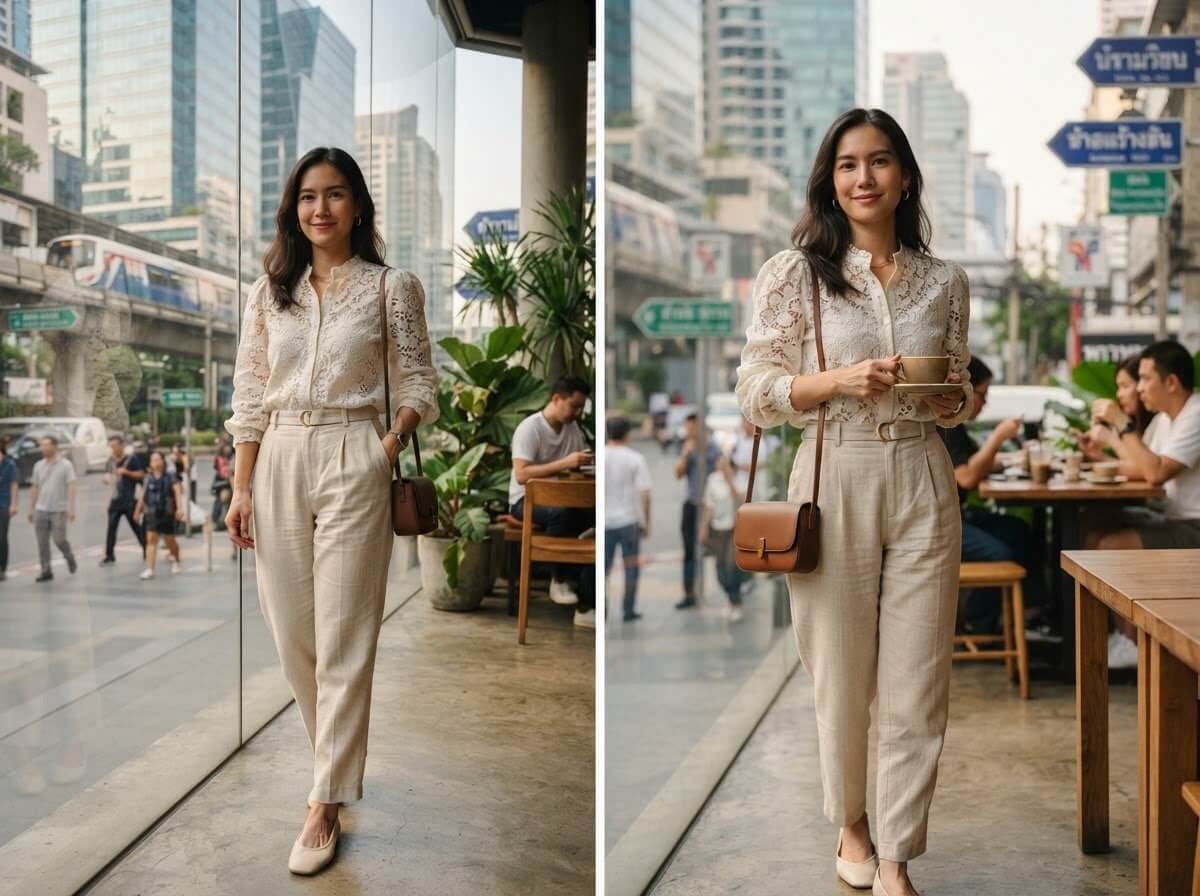
Layering may look sophisticated in Seoul.
Heavy knitwear may look luxurious in Paris.
Coats may look effortless in Copenhagen.
But Bangkok is hot and humid.
A genuinely Smart Wardrobe must therefore include climate compatibility.
Consumers should consider:
- fabric weight;
- breathability;
- lining;
- airflow;
- moisture;
- number of layers;
- how the material feels against the skin.
United Lace explores this balance in Summer Fashion Trends 2026: Stylish Design Ideas for Hot-Weather Clothing.
For professional wardrobes, Lace for Workwear: The Rise of Luxury Office Lace in 2026 looks at lightweight Cotton Lace, French Lace and Guipure for office fashion in warmer climates.
Trends Are Not the Enemy
A Smart Wardrobe does not require you to stop enjoying fashion trends.
The better question is:
“Which trends can naturally become part of my existing personal style?”
Suppose burgundy becomes a major trend.
If you already wear burgundy and it combines easily with your wardrobe, adding one piece may strengthen your collection.
But if you suddenly buy burgundy shoes, a burgundy skirt, a bag and two tops even though the color has never suited your style before, you may create a Wardrobe Island—a group of garments that does not connect with anything else.
The best trend is often not the loudest.
It is the trend that can be absorbed into your Style DNA.
Designers and fashion brands can explore broader material direction in Fabric & Lace Trends 2026 for Thai Fashion Brands and Lace Fabric Trends in 2026: The New Luxury for Fashion Brands.
Construction Matters as Much as Fabric
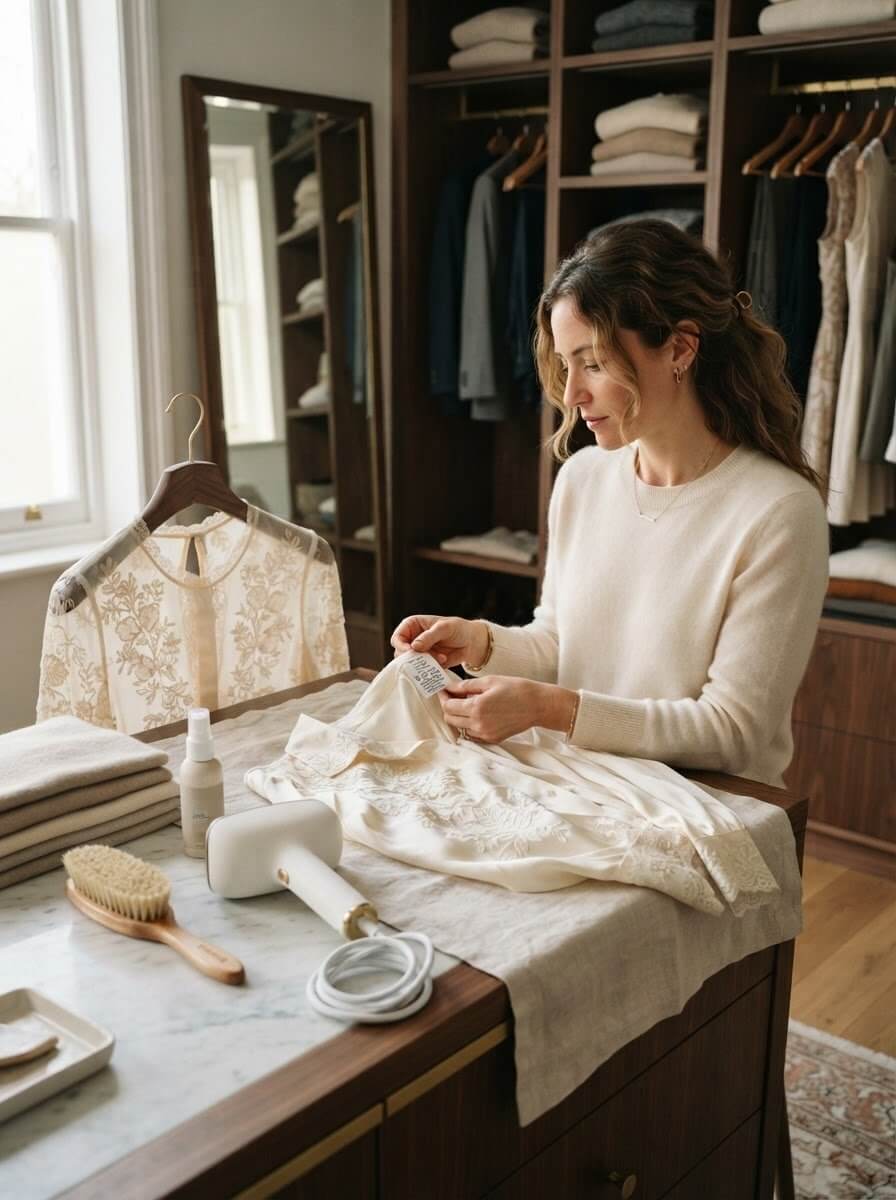
Good fabric alone does not guarantee a good garment.
Turn the garment inside out and look at:
- seams;
- overlocking;
- hems;
- lining;
- zippers;
- buttons;
- armholes;
- stress points;
- pattern matching;
- motif placement.
This becomes especially important with lace and embroidery.
A beautiful floral lace can look poorly executed if the motif is cut awkwardly across the center front, neckline or sleeve.
An expensive fabric with weak construction may perform worse than a moderately priced fabric that has been handled intelligently.
Quality is therefore the result of:
Fabric + Design + Pattern Cutting + Construction + Finishing
For garment manufacturers, United Lace's Easy-to-Sew Lace Fabrics for Fashion Garment Manufacturers explains why production behavior matters alongside visual appeal.
Fit Matters More Than the Number on the Label
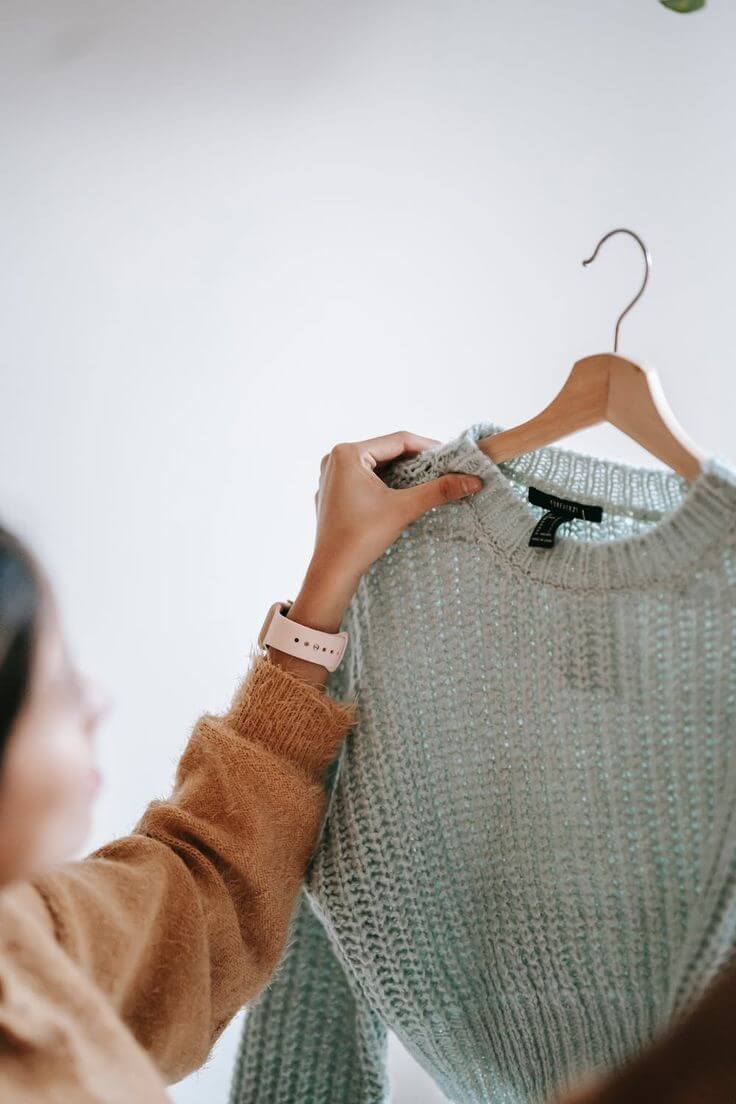 A beautifully made garment can remain unworn if the fit does not work.
Instead of asking only: “What size am I?”
look at:
- shoulder position;
- bust tension;
- waist placement;
- armhole mobility;
- garment length;
- overall proportion.
Sometimes a small alteration can create more value than buying something entirely new.
That leads to another Smart Wardrobe principle:
Repair, alter and reuse before automatically replacing.
A Smart Wardrobe Does Not End at Purchase
You can buy an excellent garment, but incorrect care can shorten its life quickly.
Poor washing, excessive heat, incorrect storage or inappropriate ironing can damage fabric and construction.
Clothing therefore involves two decisions:
Purchase Decision and Ownership Decision
The first determines what enters your wardrobe.
The second determines how long it remains useful.
Read the Care Label
Before washing a new garment, check the care instructions.
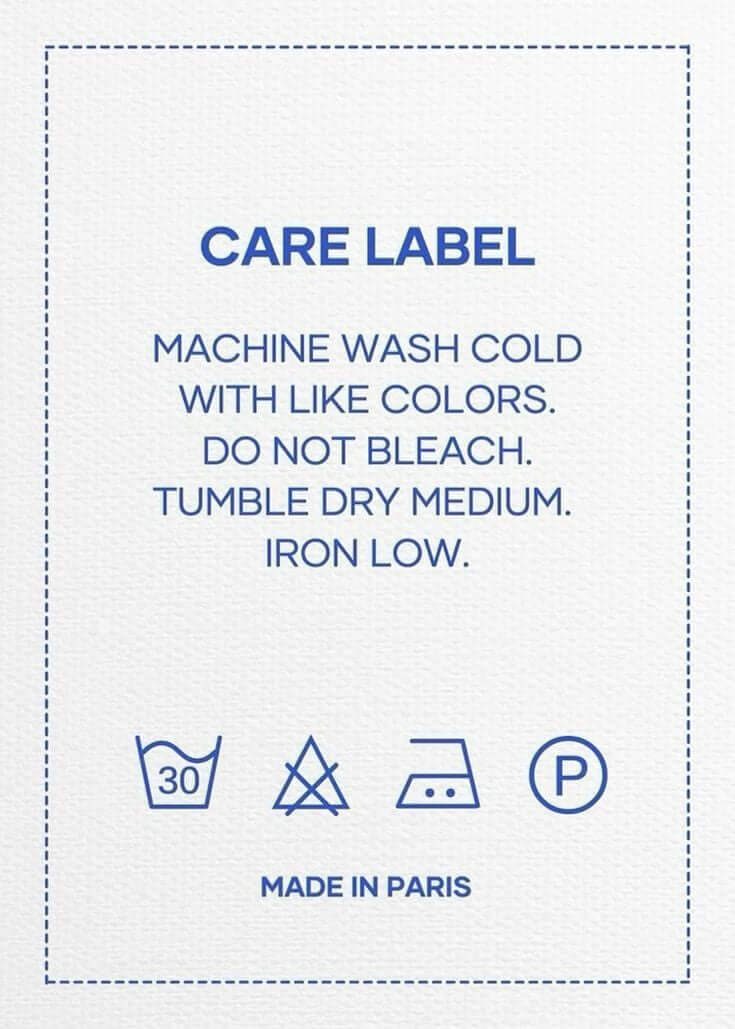
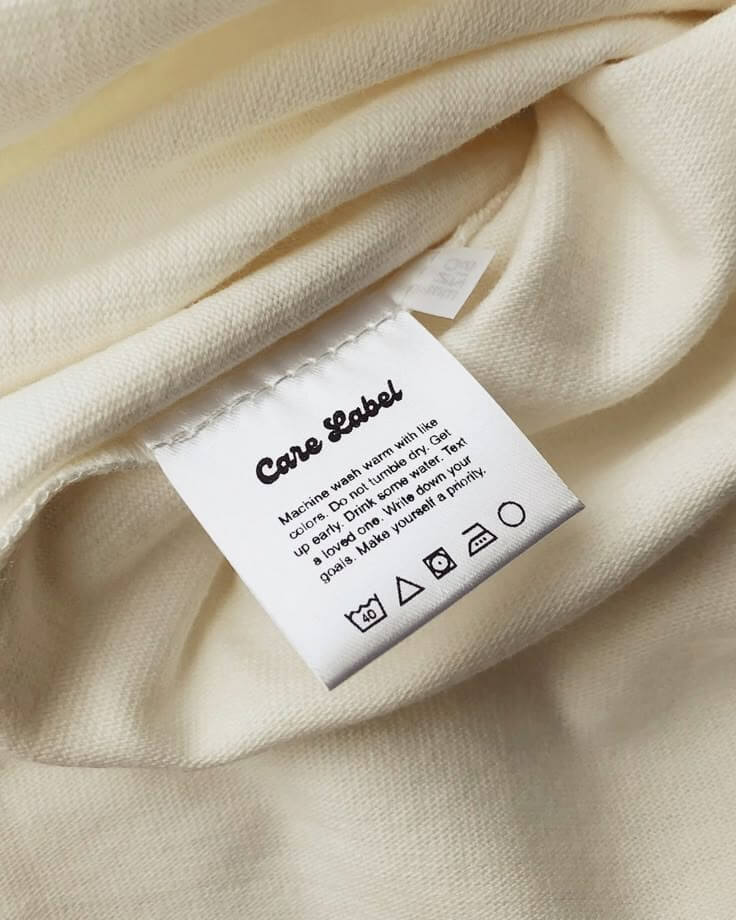
A garment may include:
- outer fabric;
- lining;
- interfacing;
- embroidery thread;
- beads;
- sequins;
- lace;
- adhesive;
- trims.
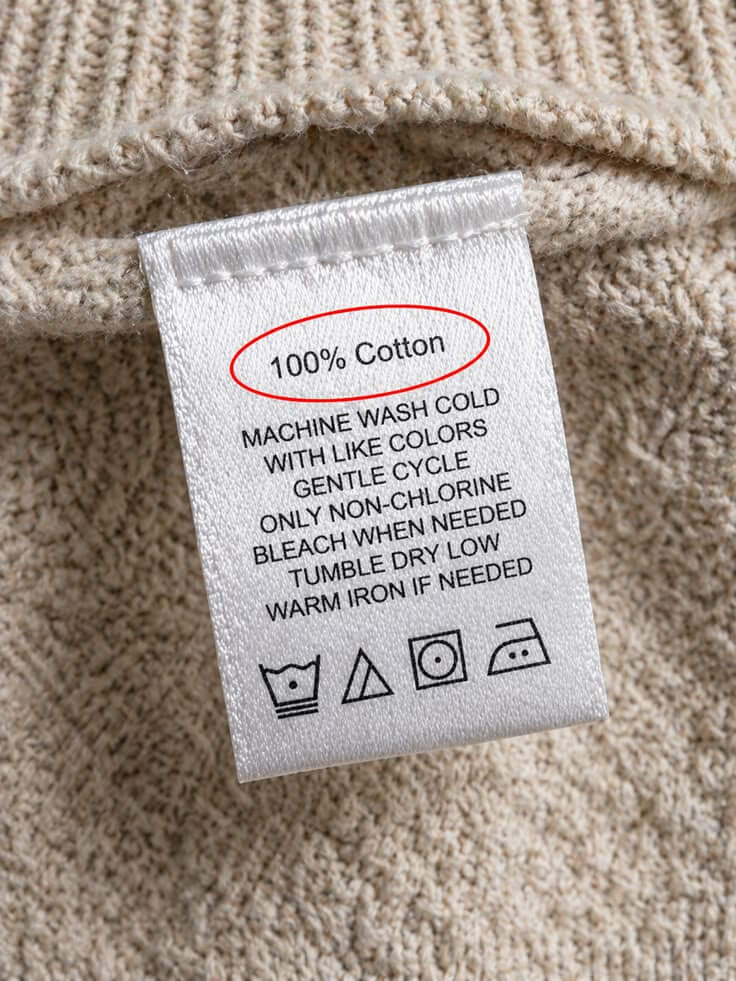
This means cleaning should consider the entire garment, not just the main fiber.
For delicate lace, United Lace provides detailed guidance in Lace Fabrics: Pros and Cons, Properties and How to Care.
The important principle is simple:
Do not assume every garment should be washed in the same way.
Repair Before Replace
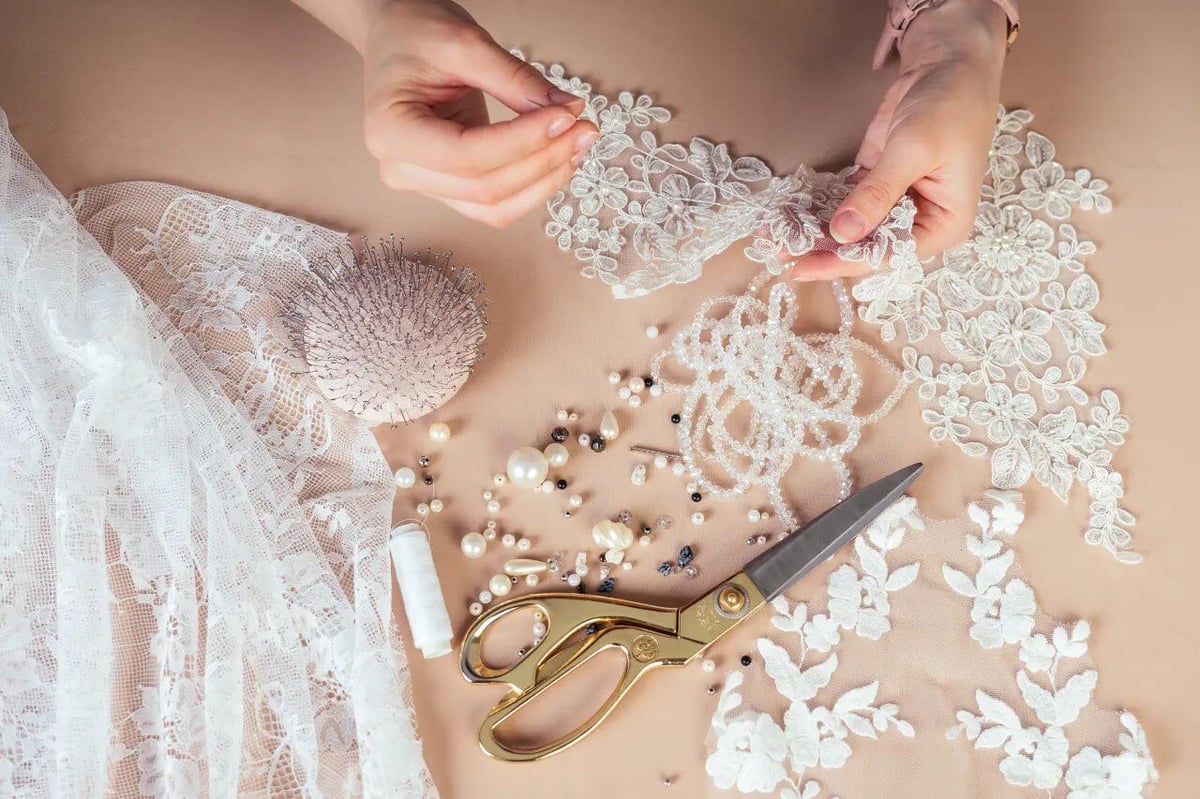
A missing button does not mean a shirt is finished.
A loose hem does not mean trousers must be discarded.
A damaged zipper may be repairable.
A garment that no longer fits perfectly may be alterable.
Before replacing something, ask:
Can it be repaired?
Can it be altered?
Can it be styled differently?
Can it be passed on?
That small change in thinking can extend clothing life significantly.
Do Not Let Unused Clothes Become “Dead Stock at Home”
Many wardrobes contain large amounts of inactive inventory.
Garments not worn for years continue occupying space and make it more difficult to see what is actually useful.
Try dividing clothing into four groups:
Keep
Still worn and suitable.
Repair / Alter
Good garment but requires intervention.
Resell / Donate
Still wearable but no longer right for you.
Recycle / Responsible Disposal
Truly at the end of its useful wearable life.
One warning:
Decluttering should not become permission to refill the wardrobe immediately.
Otherwise, the same cycle simply restarts.
What Does a Smart Wardrobe Look Like for Someone Who Loves Fashion?
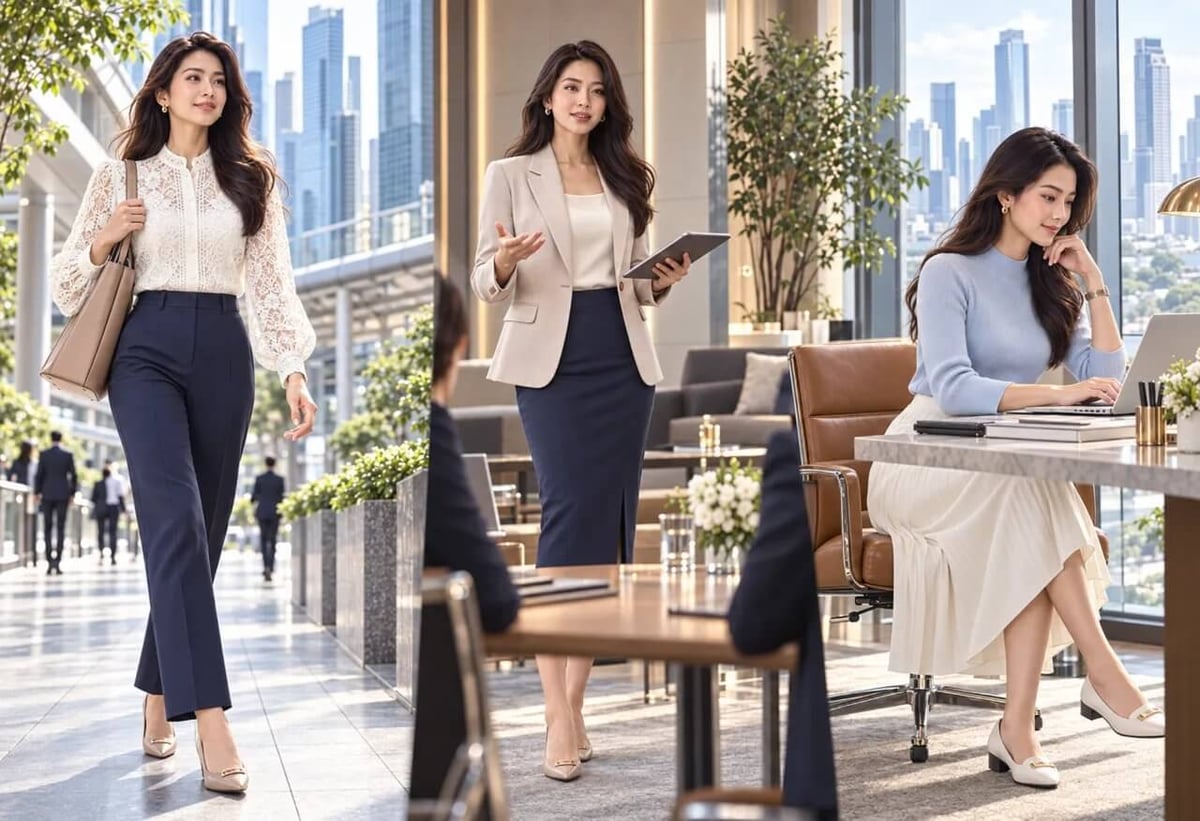
Suppose someone works in an office but also attends dinners and social events.
Instead of owning dozens of tops that can each be worn only one way, the wardrobe might contain:
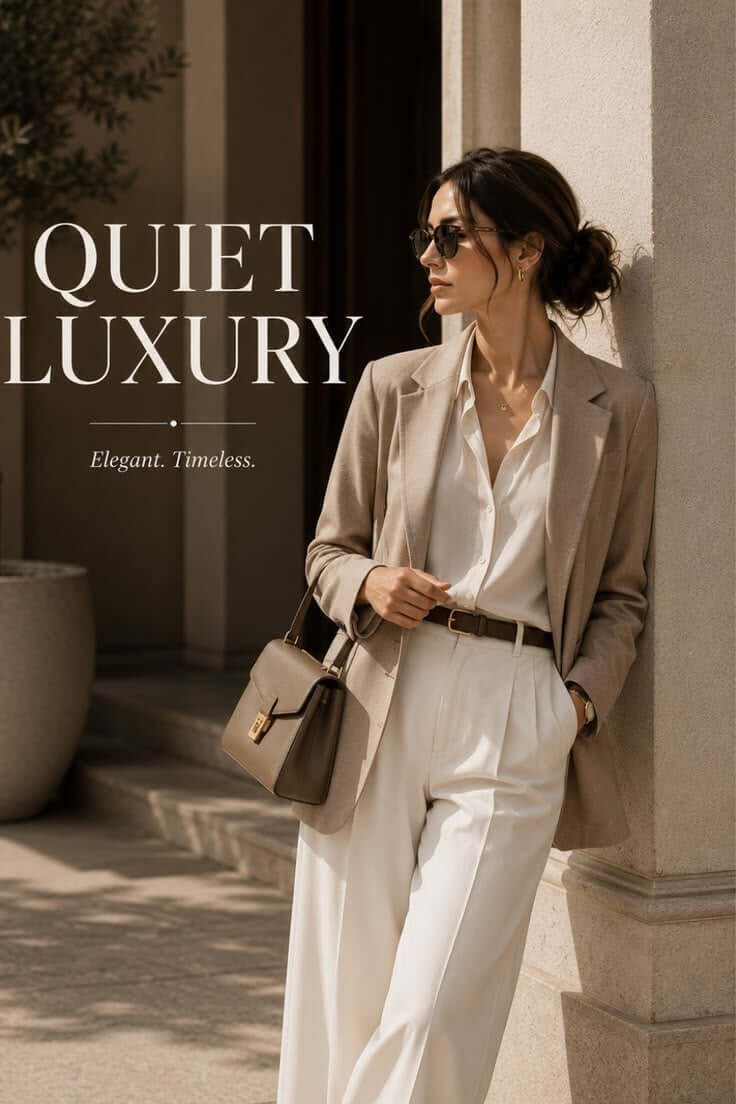
- strong tailored bottoms;
- dependable everyday tops;
- several Character Blouses;
- one or two excellent jackets;
- a statement skirt;
- a versatile dress;
- accessories that change the mood.
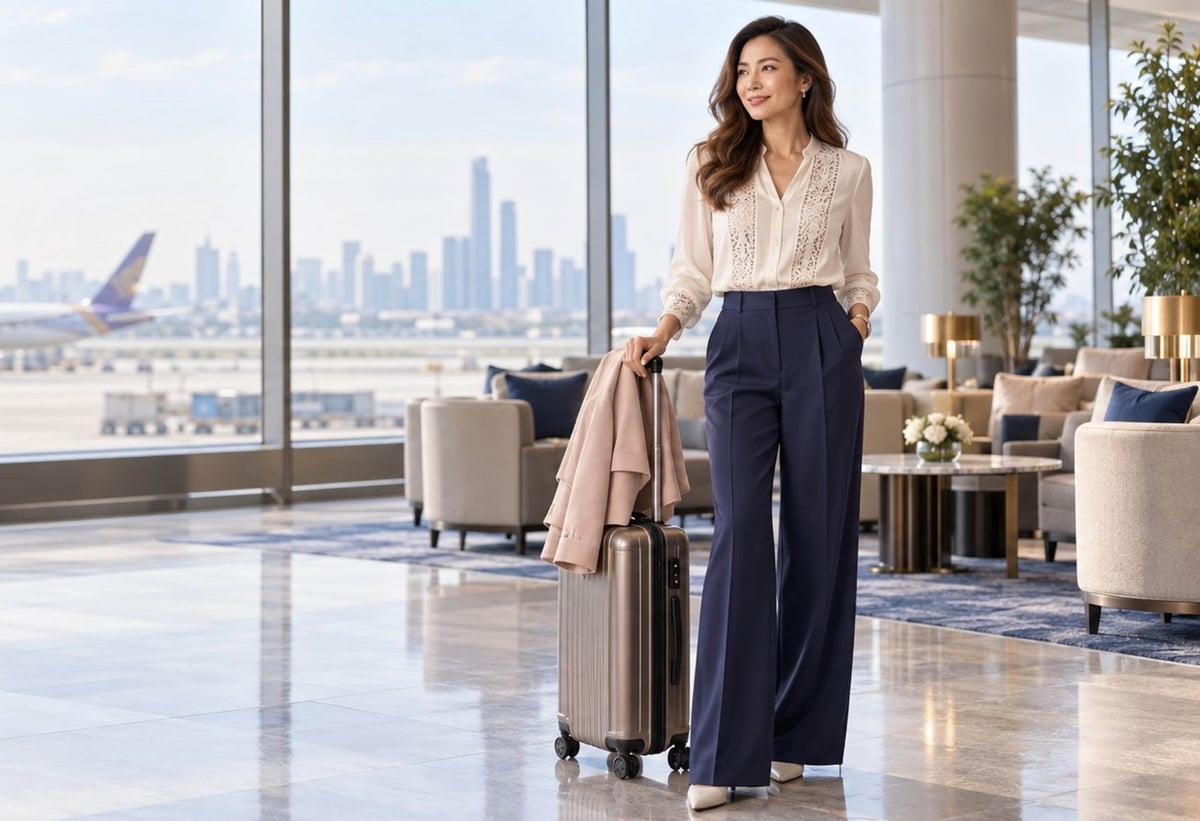
Consider an Ivory Cotton Lace Blouse.
Work
Tailored trousers + loafers
Weekend
Denim + flats
Evening
Satin midi skirt + heels
The same blouse moves from:
Work → Casual → Occasion
That is a garment with high Wardrobe Intelligence.
For more inspiration, see Lace for Workwear: The Rise of Luxury Office Lace in 2026.
What Fashion Brands Can Learn From Smart Wardrobe Thinking
Smart Wardrobe thinking is not relevant only to consumers.
As consumers begin asking:
Can I wear this in several ways?
Will it last?
Is it difficult to care for?
Is the fabric good?
brands may need to change their own questions.
Instead of asking only:
“How can we release more products?”
a stronger question may be:
“How can we create garments customers genuinely want to keep?”
That has implications for:
- fabric selection;
- color;
- durability;
- fit;
- construction;
- repeatability;
- supply consistency.
For B2B fashion businesses, the conversation also includes:
- MOQ;
- lot consistency;
- repeat-order capability;
- production compatibility;
- fabric stability.
United Lace works with designers, garment manufacturers and fabric retailers across categories including Guipure Lace, Chantilly Lace, French Lace, Cotton Lace, Tulle Lace, Eyelet and embellished materials.
For a deeper B2B discussion, see Fabric Sourcing for Professional Designers.
Sustainability Should Mean More Than a Word on a Hangtag
A garment made with an eco-focused fiber but worn only once does not solve the sustainability problem by itself.
Conversely, a well-made garment that is worn repeatedly, repaired, altered and eventually passed to another wearer can create significant long-term value.
Sustainability should therefore be considered across the garment life cycle:
Before Purchase
Do I need it?
Is the material appropriate?
Is the quality sufficient?
During Ownership
Do I wear it?
Can I care for it properly?
Can it be repaired?
After Ownership
Can it be resold, donated, repurposed or recycled responsibly?
For a material-focused perspective, see Why Eco-Friendly Lace Fabric Is the Next Power Move for Conscious Fashion Brands.
The Five Levels of a Smart Purchase
A useful decision framework is:
1. Need
Is there a real gap in my wardrobe?
2. Fit
Does the garment suit my body and lifestyle?
3. Fabric
Does the material perform appropriately?
4. Versatility
Can it work with clothes I already own?
5. Longevity
Will I still want it after the current trend passes?
A garment that passes all five has a much greater chance of becoming a Wardrobe Hero.
What Is a Wardrobe Hero?
A Wardrobe Hero is a garment you repeatedly reach for without becoming bored.
It could be:
- the perfectly fitted shirt;
- black trousers that always work;
- premium denim;
- a blazer that instantly sharpens an outfit;
- or a lace blouse that makes simple trousers look distinctive.
Interestingly, a Wardrobe Hero is often not the garment that created the most excitement when you bought it.
It is usually the garment that understands your life best.
That is the difference between:
shopping for dopamine and shopping for identity.
Try the 30-Wear Thought Experiment
Before buying, imagine that you had to wear the garment 30 times.
The idea is not to impose a strict rule.
Simply ask:
“If I had to wear this 30 times, would I still enjoy it?”
Garments that receive an immediate “yes” often have:
- good fit;
- appropriate fabric;
- comfort;
- versatility;
- a strong relationship with personal style.
If your instinct is:
“I think I would be tired of this after three wears,”
that is valuable information before you buy.
Smart Wardrobe Does Not Mean Minimalism — It Means Maximum Use
This distinction is essential.
Smart Wardrobe ≠ Owning as little as possible
A Smart Wardrobe means:
Using what you own as effectively as possible.
Someone with 80 garments who genuinely uses most of them may have a smarter wardrobe than someone with 25 pieces who replaces five every month.
Fashion should not become a competition over who owns the fewest clothes.
The objective is to build a healthier, more intentional relationship with what we choose to own.
Conclusion: The Best Clothes Are Not Necessarily the Newest
Fast Fashion encourages us to ask:
“What's new?”
Smart Wardrobe thinking encourages a better question:
“What genuinely works for me?”
A garment that fits well, uses the right fabric, works for several situations, can be cared for properly and remains relevant for years may contribute more to your wardrobe than several pieces bought simply because they were inexpensive or fashionable for a moment.
Smart Wardrobe thinking is therefore not only about sustainability.
It is also about knowing yourself.
Knowing what you actually wear.
Knowing which fabrics feel right.
Knowing which silhouettes give you confidence.
Knowing which trends genuinely belong to your style.
And knowing when not buying anything is the smartest fashion decision.
For United Lace, this principle connects directly to material expertise.
The right fabric should not only look attractive when new. It should support the garment's structure, drape, texture, comfort and identity.
From Cotton Lace for refined daytime dressing, to Guipure Lace for structure, Chantilly Lace for delicacy, Tulle Lace for layering, Eyelet for warm-weather fashion, and Embellished or Metallic Lace for statement pieces, each material can serve a different wardrobe function.
A successful garment should therefore do more than make a consumer say:
“I want to buy this.”
It should be good enough that, years later, the owner can still say:
“This is still one of my favorite pieces.”
That may be one of the strongest definitions of a Smart Wardrobe—and one of the most relevant directions for the future of fashion.
FAQs
How Many Clothes Should a Smart Wardrobe Have?
There is no ideal number. Lifestyle, climate, work requirements, social life and laundry frequency all matter.
The percentage of garments genuinely used is more important than the total number.
Can Trendy Clothing Be Part of a Smart Wardrobe?
Yes. A trend can be a smart purchase when it fits naturally with your personal style and continues to work after the trend loses momentum.
Are Expensive Clothes Automatically Better?
No. Price alone does not determine value. Fabric, construction, fit, care and frequency of use all matter.
Can Lace Be Part of an Everyday Smart Wardrobe?
Absolutely.
Cotton Lace can work for daywear, Guipure can create structured blouses and jackets, Chantilly can add soft detail, and Eyelet can work beautifully for warm-weather fashion.
What Is the Best Way to Start?
Stop buying temporarily and examine what you already own.
Look for:
- garments you wear repeatedly;
- duplicate categories;
- unused purchases;
- fabrics you enjoy;
- silhouettes that consistently work;
- items that need repair or alteration.
Your current wardrobe already contains useful data about your real preferences.