Table of Contents
- Good Workwear Should Help the Wearer, Not Add Another Problem
- Choose fabric according to the activities the garment must support—not according to beauty alone.
- Start with the Workday: Activity Mapping Before Fabric Selection
- Seven Fabric Properties to Check Before Approval
- Match the Fabric to the Activity
- How Different Fabric Families Perform at Work
- Lace and Embroidery: A Modern Workwear Material
- The Three-Layer System for Bangkok Workdays
- Test the Fabric Before Bulk Production
- B2B Perspective: Better Fabric Decisions Create Better Repeat Sales
- 10-Point Workwear Fabric Approval Checklist
- Conclusion: Choose Fabric That Works with Real Life
- FAQs
Good Workwear Should Help the Wearer, Not Add Another Problem
When getting dressed for work, the first question is often, “Does this outfit look good?”
Yet the moment the wearer leaves home, clothing has to perform far beyond appearance.
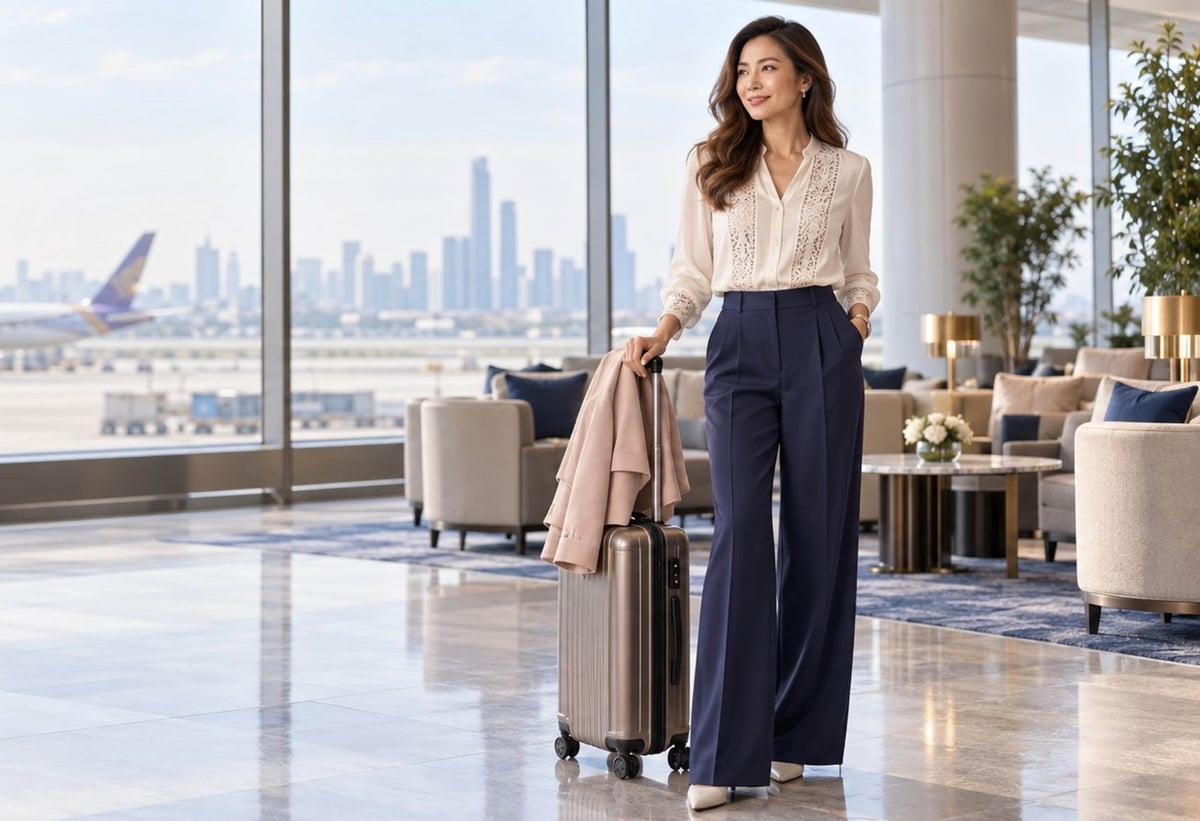
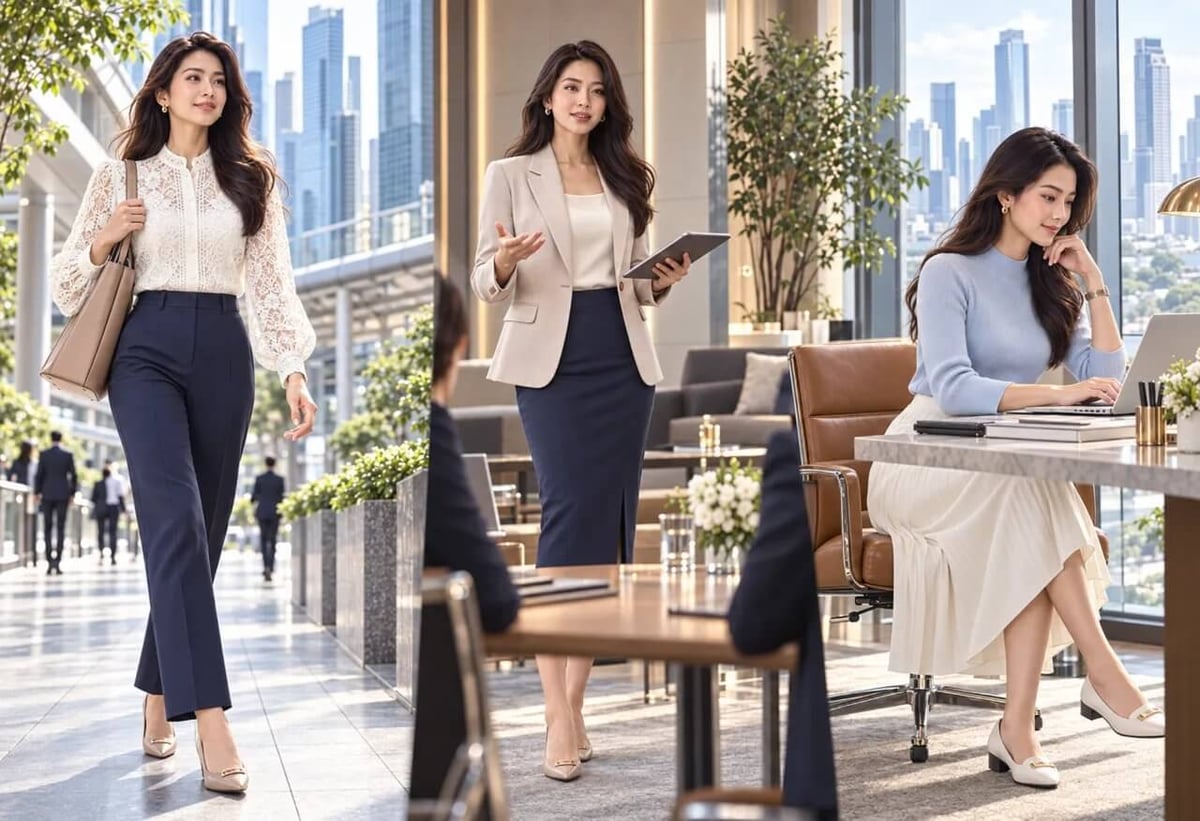
A normal working day may include walking outdoors, commuting by train or car, sitting at a desk for several hours, moving between Bangkok's heat and heavily air-conditioned interiors, presenting to clients, visiting a showroom or factory, and continuing directly to dinner.
A garment that looks perfect on a hanger can become inconvenient if the wearer spends the day adjusting the hem, worrying about wrinkles, feeling overheated or discovering that the fabric restricts movement.
This leads to a more useful principle for designers and fashion brands:
Choose fabric according to the activities the garment must support—not according to beauty alone.
Fiber composition is only one part of the decision. Fabric structure, density, weight, elasticity, recovery, moisture behaviour, surface texture, drape and maintenance all influence how clothing performs in real life.
For fashion businesses, this is also a commercial issue. Customers may initially buy because of color, silhouette or an attractive motif, but comfort, dependable fit and ease of care strongly influence whether they wear the garment repeatedly and return to the brand.
The goal is therefore to move from “beautiful when viewed” to “beautiful when lived in.”
This philosophy is particularly relevant to the emergence of lace for workwear and Luxury Office Lace, where lace is being used beyond bridal and eveningwear in tailored blouses, structured dresses, sleeves, cuffs and strategically placed panels. (United Lace)
Start with the Workday: Activity Mapping Before Fabric Selection
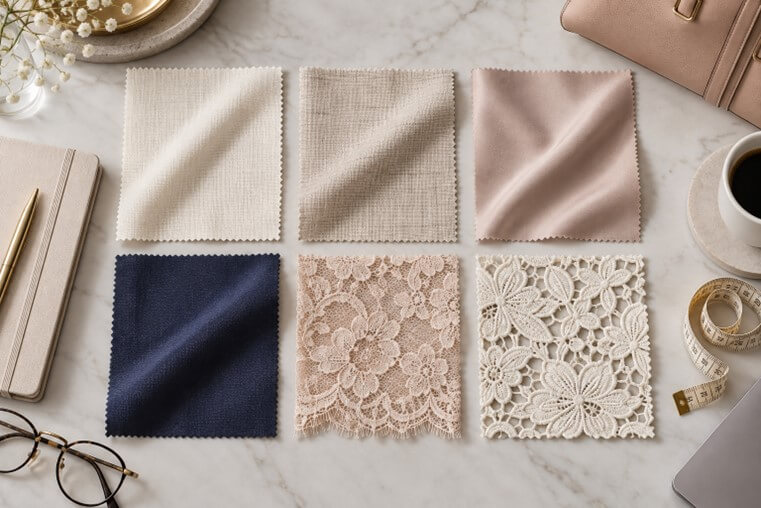
Before deciding between cotton, linen, stretch woven, knit or lace, designers should map the wearer's typical day.
This Activity Mapping approach treats clothing as a working system rather than an isolated fashion object.
A commuter needs lightness, airflow and a surface that will not cling excessively in humid conditions. Someone sitting for long periods needs sufficient ease and recovery around the shoulders, waist, hips and knees. A presenter needs a fabric that maintains a clean silhouette under close observation and on camera. A wearer visiting a production site may need more abrasion resistance, stronger seams and greater freedom of movement.
A garment designed to continue into an evening engagement needs another balance: professional enough for daytime, but distinctive enough to transition beyond the office.
Even laundering matters. If a piece will be worn every week, brands must consider shrinkage, color stability, pilling, drying time and ironing requirements.
These requirements sometimes conflict. Lightweight fabrics may feel cooler but become too transparent. Structured textiles create authority but may restrict mobility. Fluid fabrics drape attractively yet show creases more easily.
There is therefore no universal “best fabric.”
The correct strategy is to identify the garment's primary activity and prioritize fabric properties accordingly, using pattern cutting, lining, panel construction and material combinations to compensate for limitations.
Seven Fabric Properties to Check Before Approval
1. Breathability and Moisture Behaviour
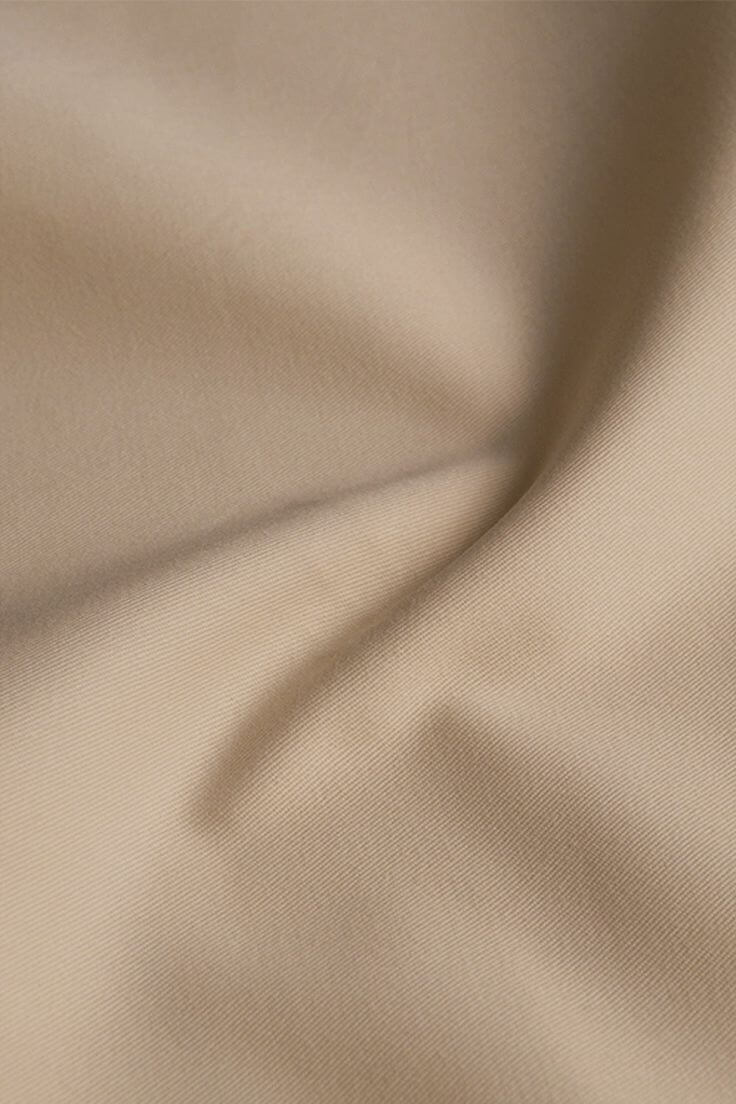
“Thin” does not automatically mean “cool.”
Thermal comfort depends on the openness of the fabric structure, moisture transfer, fiber characteristics, surface contact with the skin and the number of garment layers.
A thin, tightly woven or heavily coated textile can sometimes feel less breathable than a slightly heavier fabric with an open construction.
This is especially relevant to Thailand. Fabric should ideally be evaluated both outdoors and in air-conditioned conditions rather than judged only from a swatch in a cool showroom.
Cotton feels familiar and absorbs moisture well, but it can retain water and dry slowly when heavily dampened. Lyocell and selected regenerated cellulose fabrics can provide softer hand-feel and elegant drape. However, the final fabric construction matters as much as the fiber name.
For a broader climate-focused reference, United Lace's guide to breathable fabrics for hot weather examines cotton, linen, lyocell, lace and lightweight embroidery from both comfort and commercial perspectives. (United Lace)
2. Weight and Where the Weight Is Concentrated
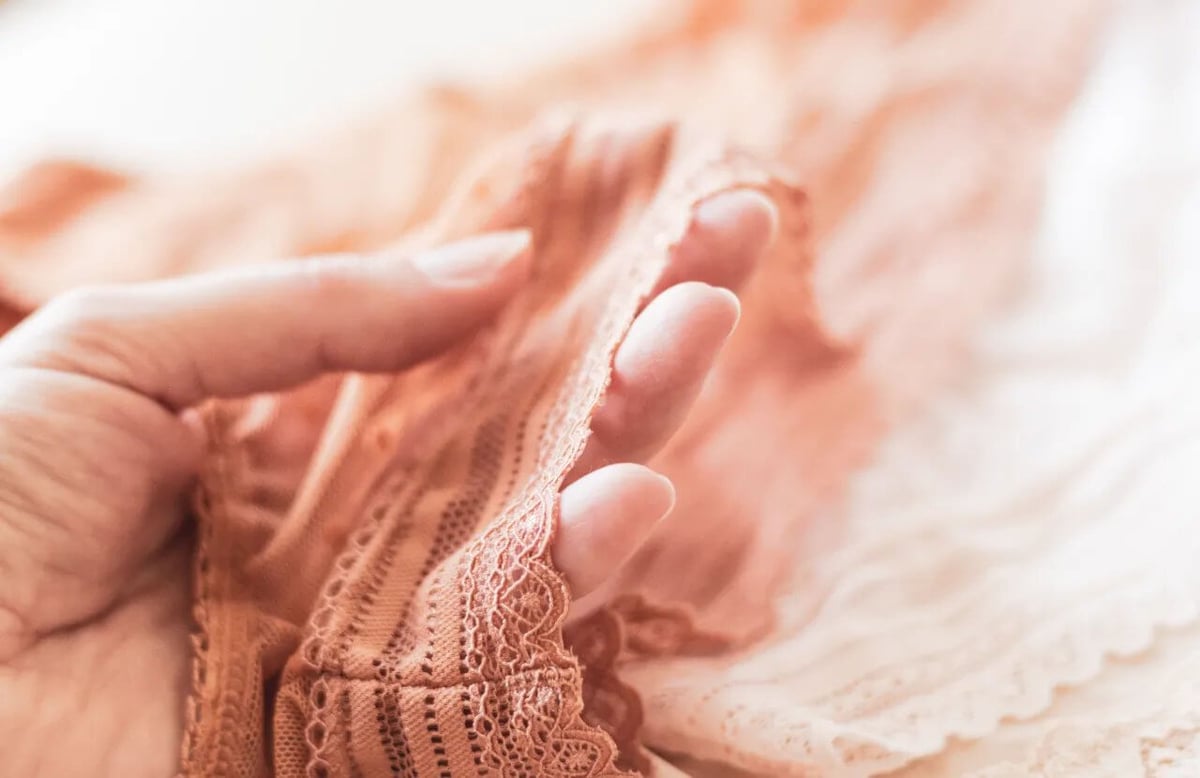
Garments do not feel heavy simply because of GSM. Weight distribution also matters.
Dense Guipure Lace, beading and dimensional embroidery can produce strong premium impact, but full-garment application may concentrate weight around the shoulders, neckline or waist.
A smarter workwear solution is strategic placement.
Using decorative fabric on a collar, cuff, yoke, sleeve or center-front panel preserves visual value without making the entire garment heavy.
For commercial collections, this can also reduce fabric consumption while maintaining perceived luxury.
3. Stretch and Recovery
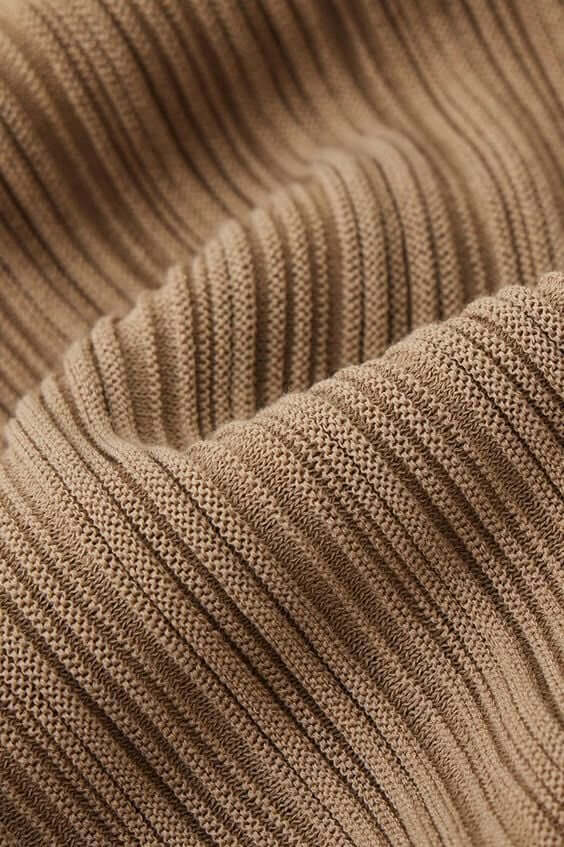
Stretch allows movement; recovery keeps the garment looking correct afterward.
A textile may stretch comfortably but bag at the elbows, knees, hips or seat after several hours.
This matters particularly for tailored trousers, pencil skirts, fitted dresses and blazers. Brands should test not only how far a fabric stretches but whether it returns to its original shape after repeated sitting and movement.
4. Wrinkle Behaviour
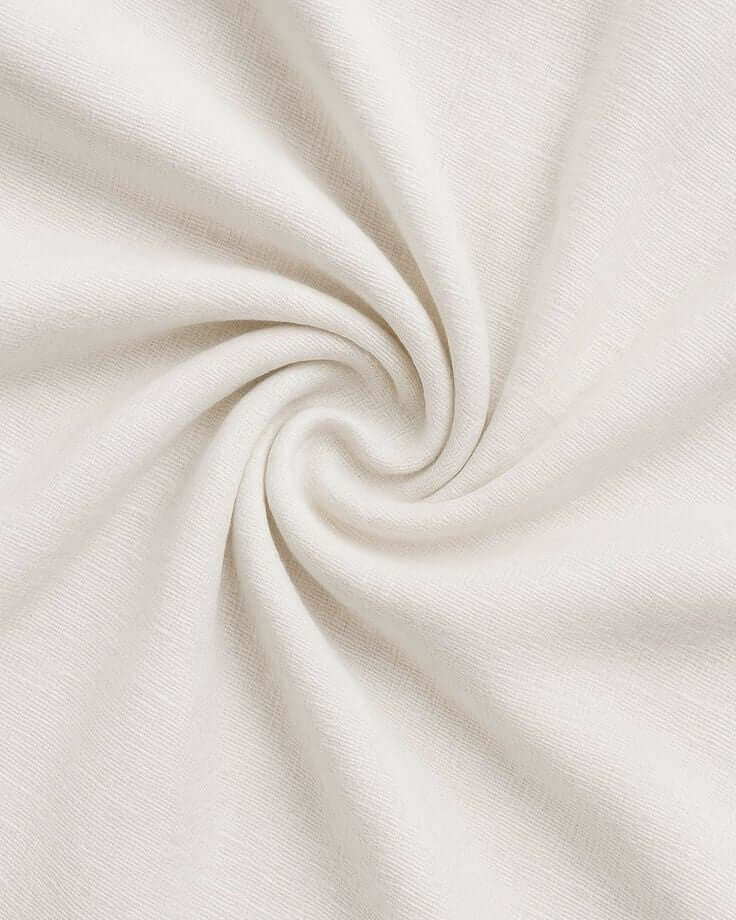
Wrinkle resistance is not limited to synthetic fabrics.
Yarn twist, weave construction, finishing, fiber blends and fabric weight all affect creasing.
Linen illustrates the issue well. Its wrinkles can communicate natural, relaxed luxury, yet may be unsuitable for a highly formal client-facing role. Linen blends can offer a more practical compromise.
Fine twill, crepe, poplin and appropriate stretch wovens can also support a polished workwear appearance.
The more useful question is not simply, “Does it wrinkle?” but “Does its wrinkle behaviour suit the brand and intended use?”
5. Hand-Feel and Friction
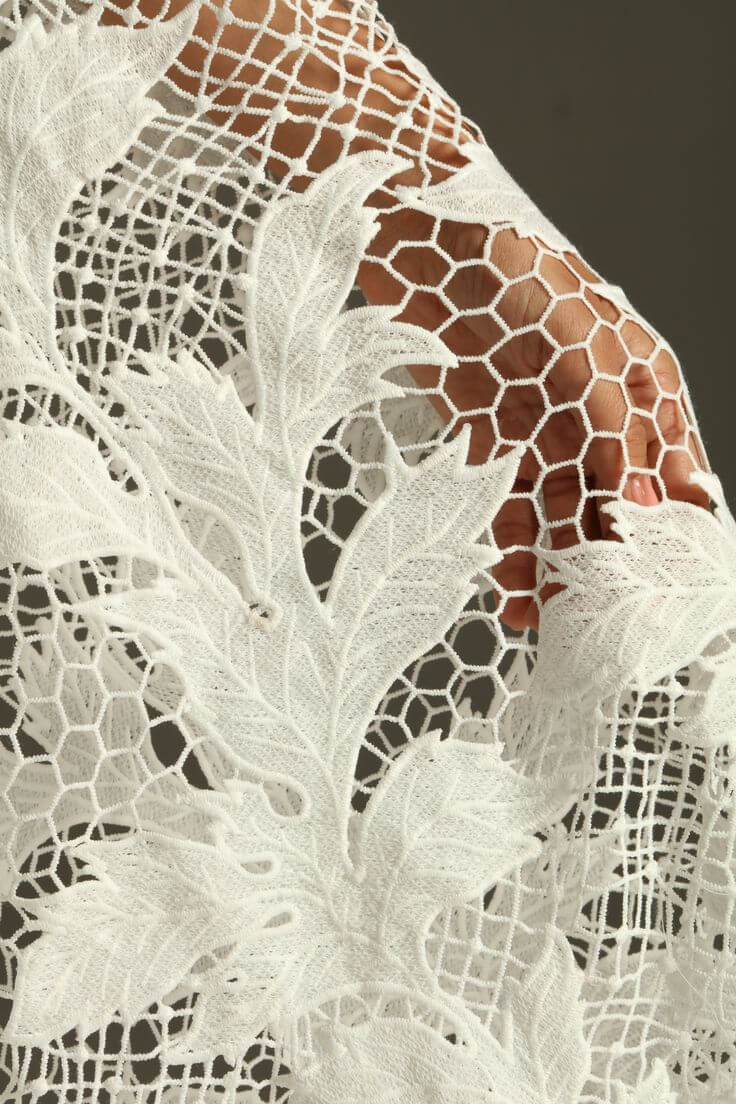
What touches the skin is as important as what the customer sees.
Hard seams, metallic yarn, beads, embroidery backs and raised lace edges can create friction around the neck, underarm, wrist or waist.
Short fittings rarely reveal these issues. Brands should conduct longer wear tests and position dense motifs away from high-flexion areas where possible.
With lace, expertise therefore means understanding motif scale, density, base structure and hand-feel, rather than selecting a pattern purely because it looks attractive.
6. Drape and Silhouette
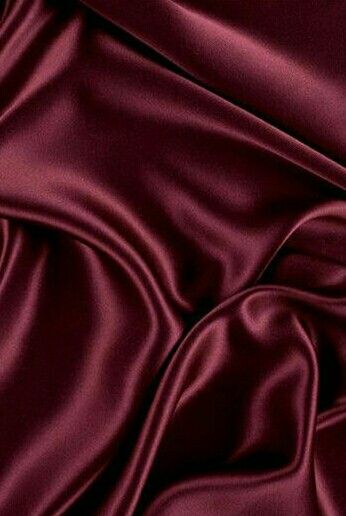
Drape describes how a textile behaves under gravity and during movement.
Fluid fabrics suit wide-leg trousers, soft dresses and blouses, while textiles with more body support collars, shoulders and structured skirts.
Designers should evaluate larger fabric pieces whenever possible. A small swatch can reveal surface texture but often fails to communicate how the material will behave across an entire garment.
This becomes even more important when combining plain fabrics and lace. Both materials should support the same intended silhouette.
7. Care, Durability and Lifetime Cost
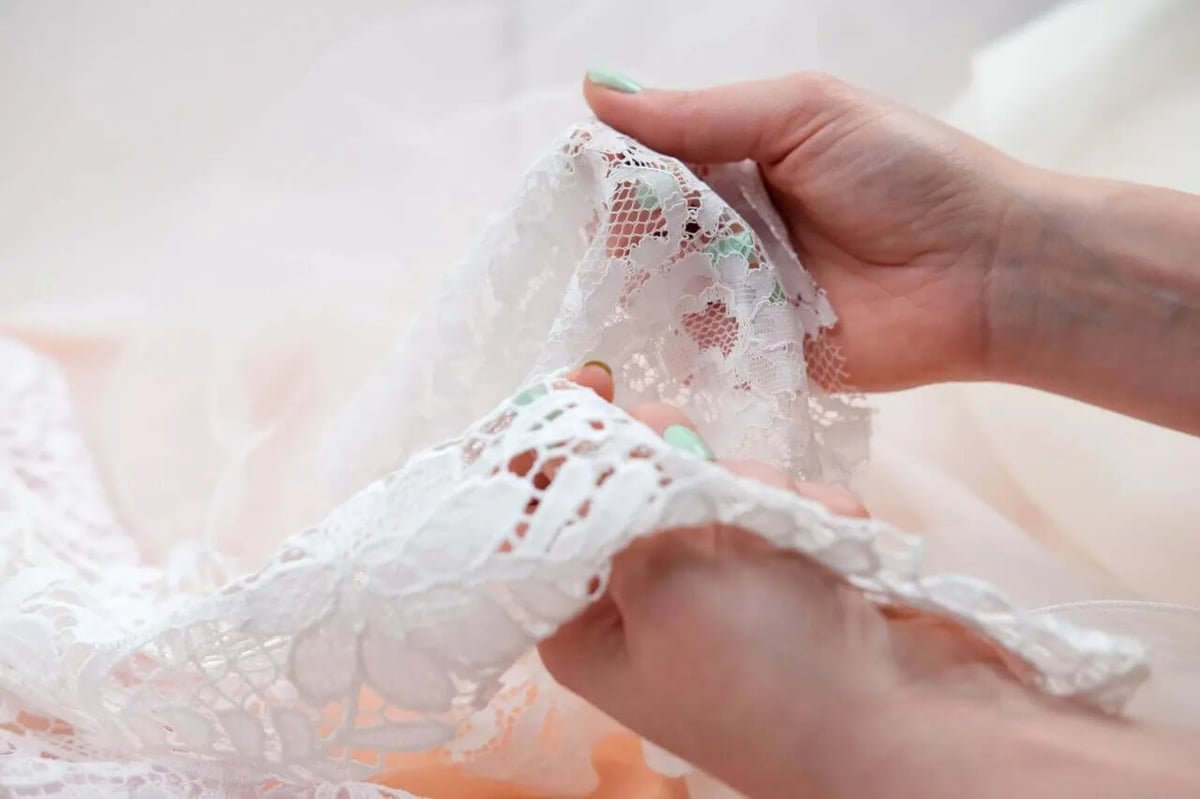
For frequently worn workwear, the real cost extends beyond price per meter.
Shrinkage, fading, pilling, seam twisting, ironing, drying time and compatibility between shell fabric, lining and trims all influence customer satisfaction.
If a washable main fabric is combined with a decorative component requiring specialist care, the garment may become unnecessarily difficult to maintain.
Wash testing before bulk production is therefore a commercial safeguard, not merely a technical exercise.
Match the Fabric to the Activity
For outdoor commuting, prioritize breathability, low weight and reduced cling. Lightweight cotton, cotton-linen blends, lyocell blends and carefully lined openwork fabrics can work well.
For long periods at a desk, stretch and recovery become more important. Stretch woven, tropical twill, suitable ponte and compact knits deserve consideration.
For presentations and client meetings, prioritize shape retention and a controlled surface. Fine twill, crepe, structured cotton and selective lace or embroidery panels can provide a professional finish without appearing generic.
For site visits or active work, abrasion resistance, seam strength and movement allowance become essential.
For office-to-evening dressing, designers can use crepe, matte satin or restrained Chantilly, Tulle Appliqué or metallic detailing to add dimension without excessive weight.
For business travel, fabrics should be tested for packability and recovery after folding.
This approach reflects a wider shift in modern collections toward what United Lace describes as production-ready luxury in its analysis of Fabric & Lace Trends 2026 for Thai fashion brands. (United Lace)
How Different Fabric Families Perform at Work
Cotton and Cotton Poplin
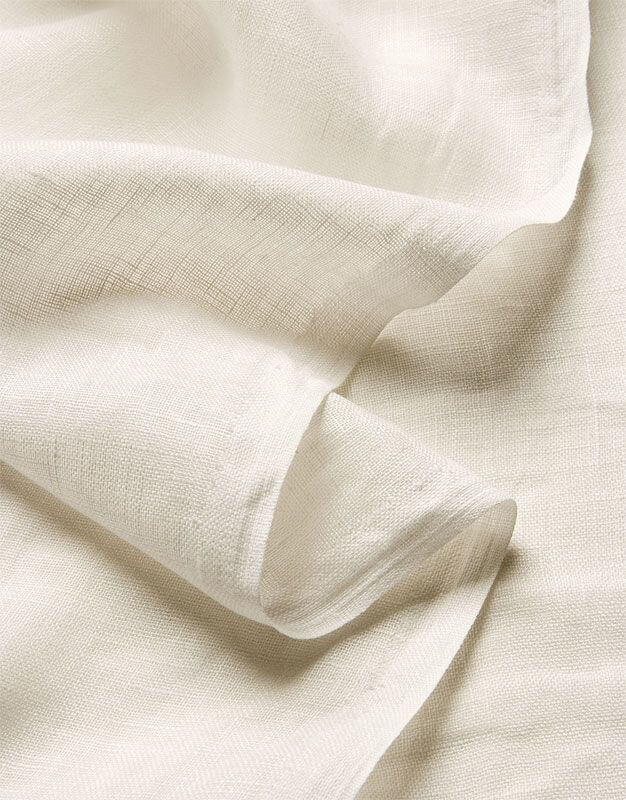
Cotton offers a familiar natural hand-feel and works well for shirts, blouses and daytime dresses. Poplin provides a cleaner, crisper surface suitable for professional dressing.
Its limitations include moisture retention and wrinkling, so brands should evaluate weight, density, finishing and post-wash shrinkage before production.
Linen and Linen Blends
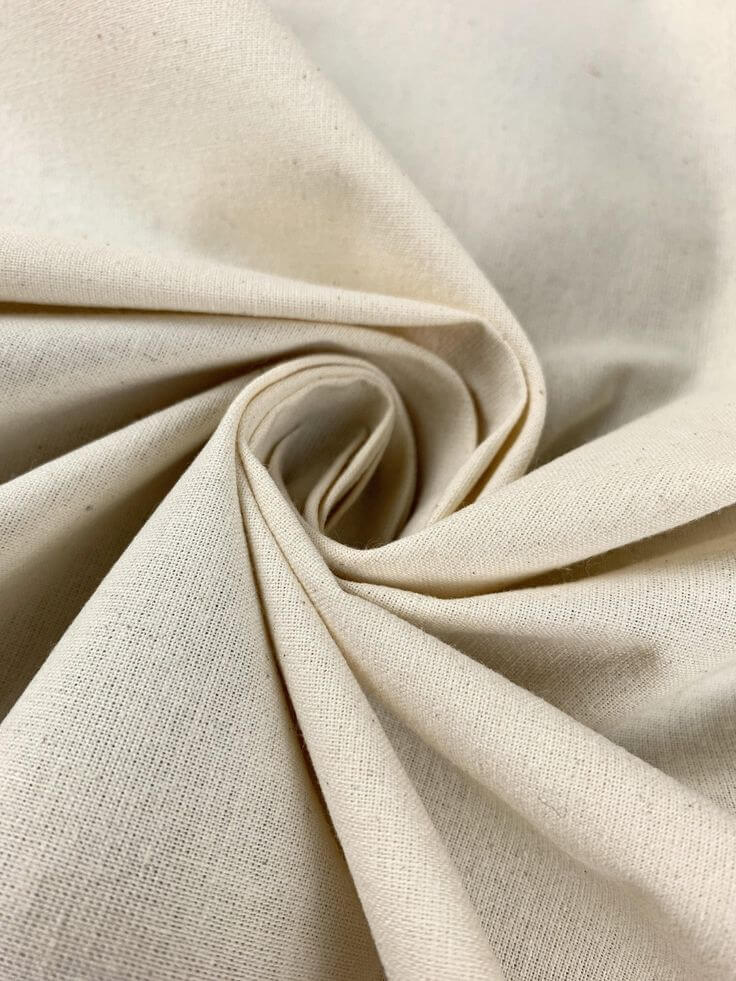
Linen creates an effortless premium appearance and can perform effectively in warm climates when the construction remains breathable.
Its natural creasing may be desirable in relaxed collections but less appropriate in formal corporate wardrobes. Blending linen with cotton, lyocell, viscose or selected synthetic fibers can improve drape and recovery.
Lyocell, Modal and Viscose
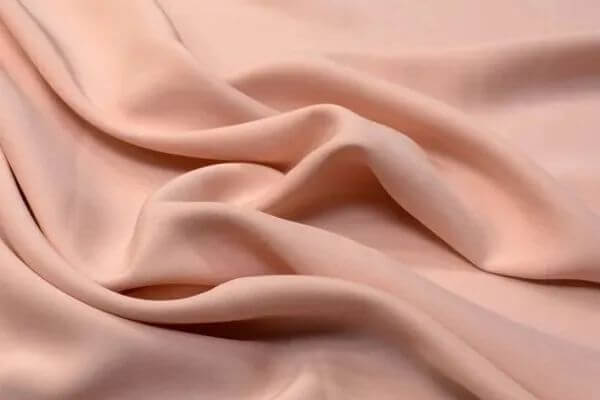
These regenerated cellulose materials are often chosen for softness and fluid drape. They work particularly well for blouses, dresses and relaxed trousers.
Brands should still evaluate shrinkage, water marking and crease behaviour because performance varies considerably between constructions.
Polyester and Performance Blends
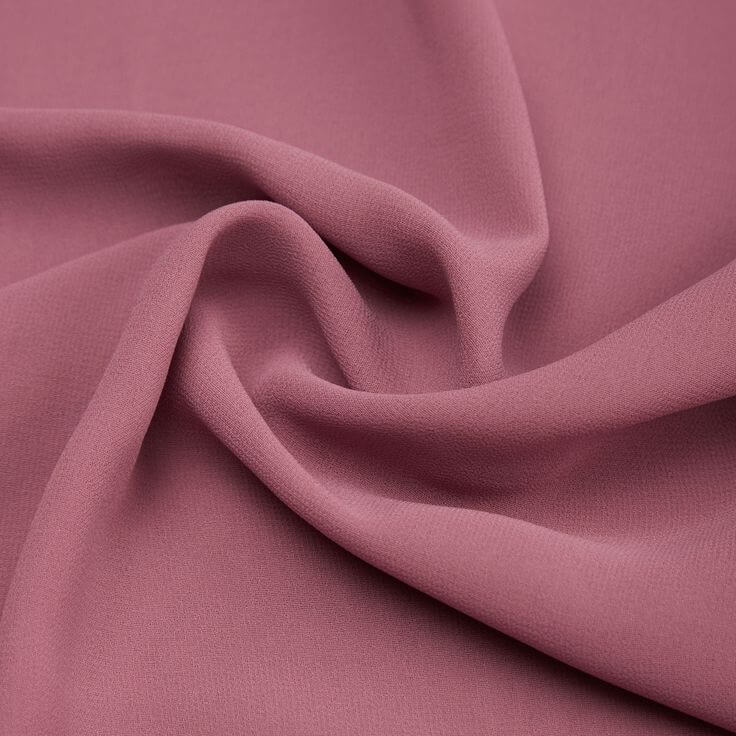
Polyester offers dimensional stability, faster drying and easier maintenance, which explains its continued importance in workwear and uniforms.
The challenge is thermal comfort. Dense constructions can feel warm, making weave structure and moisture management important.
Compact Knits
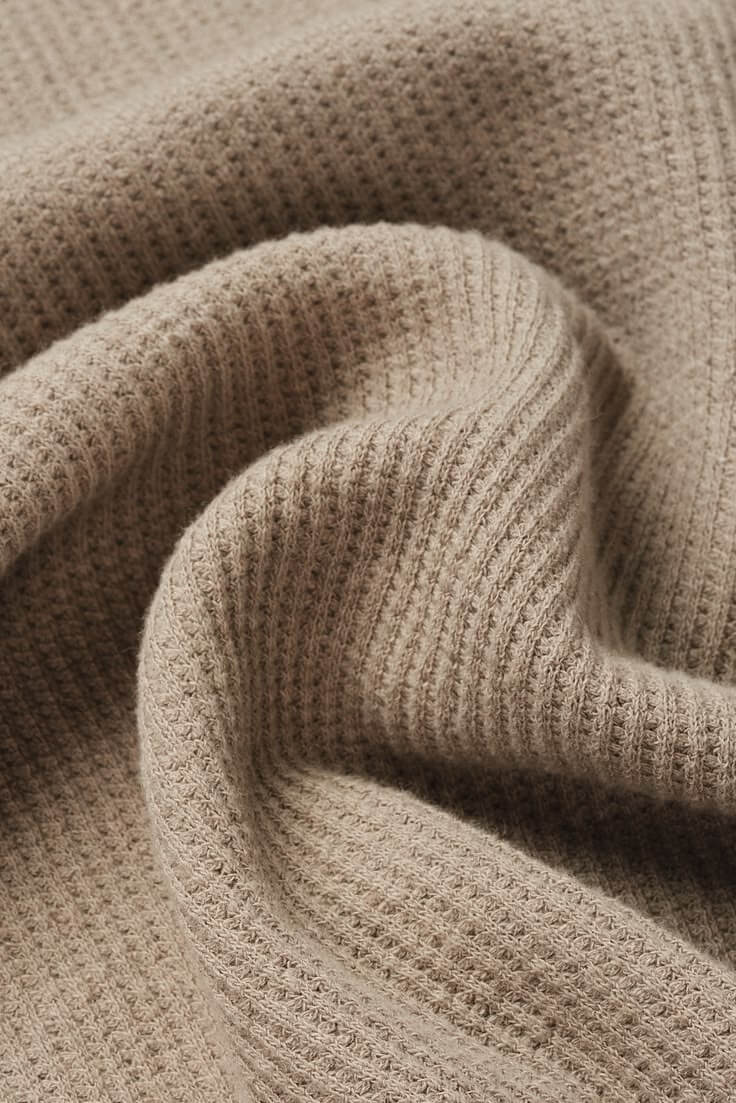
Ponte and compact knits combine stretch with greater visual structure than lightweight jersey. They can be useful for long desk days, although designers should monitor weight, heat retention and pilling at friction points.
Lace and Embroidery: A Modern Workwear Material
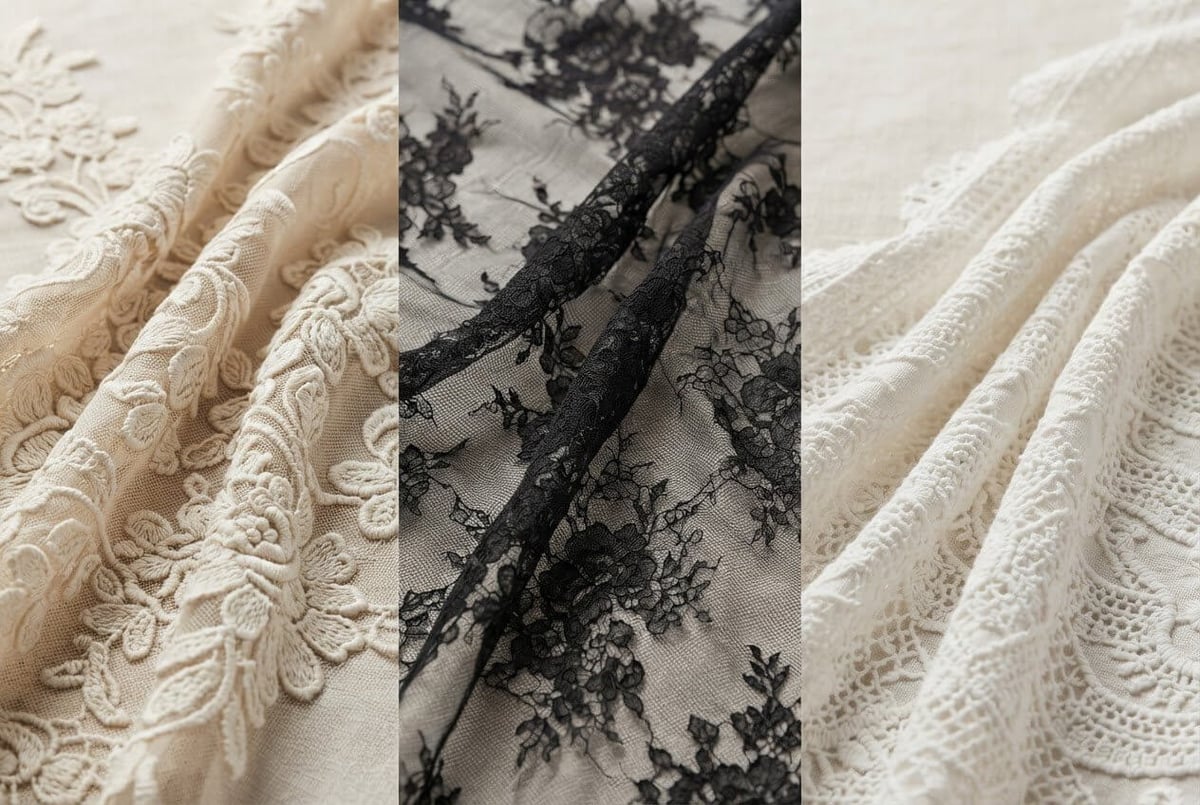
Lace and embroidery no longer need to be restricted to bridalwear or evening gowns.
Used selectively, they can create a focal point and increase perceived garment value without compromising practicality.
The key variables are motif scale, density, transparency and placement.
United Lace's guide to lace fabrics for modern fashion brands highlights how lace now extends into premium workwear, ready-to-wear and modern fashion rather than remaining a special-occasion textile. (United Lace)
Chantilly Lace
Chantilly offers delicate motifs, a fine ground and softer drape. In office garments, it works particularly well for sleeves, yokes and lightweight overlay sections.
Tone-on-tone combinations and selective lining help maintain professional modesty.
Guipure Lace
Guipure provides bolder, raised motifs and greater structural presence.
Instead of using dense Guipure across an entire work dress, designers can concentrate it on collars, cuffs, center panels or statement sections. This preserves the visual impact while reducing weight.
United Lace's guide to choosing the right lace for a fashion brand explains how Chantilly, Guipure and embroidered tulle create very different silhouettes and brand personalities. (United Lace)
Cotton Lace and Eyelet
Cotton Lace and Eyelet generally create a softer, more natural and matte impression. They are particularly suitable for smart-casual workwear and tropical collections, provided transparency and shrinkage are controlled.
Tulle Lace and Tulle Appliqué
These fabrics create detail with relatively low visual weight. Sleeves, shoulder sections and yokes can use their transparency effectively without dominating the garment.
Metallic and Embellished Lace
Metallic or beaded constructions are better applied as accents in daytime workwear. They become especially relevant to office-to-evening designs, where controlled shimmer can transform the character of a piece after work.
Designers can review United Lace's broader lace and embroidery fabric collection, including Chantilly, French Lace, Guipure, Cotton, Tulle, Tulle Appliqué, Eyelet, multicolor and embellished categories. (United Lace)
For brands developing a distinctive aesthetic rather than treating lace merely as decoration, the article on selecting fabric that defines brand image provides a useful connection between textile structure and brand DNA. (United Lace)
The Three-Layer System for Bangkok Workdays
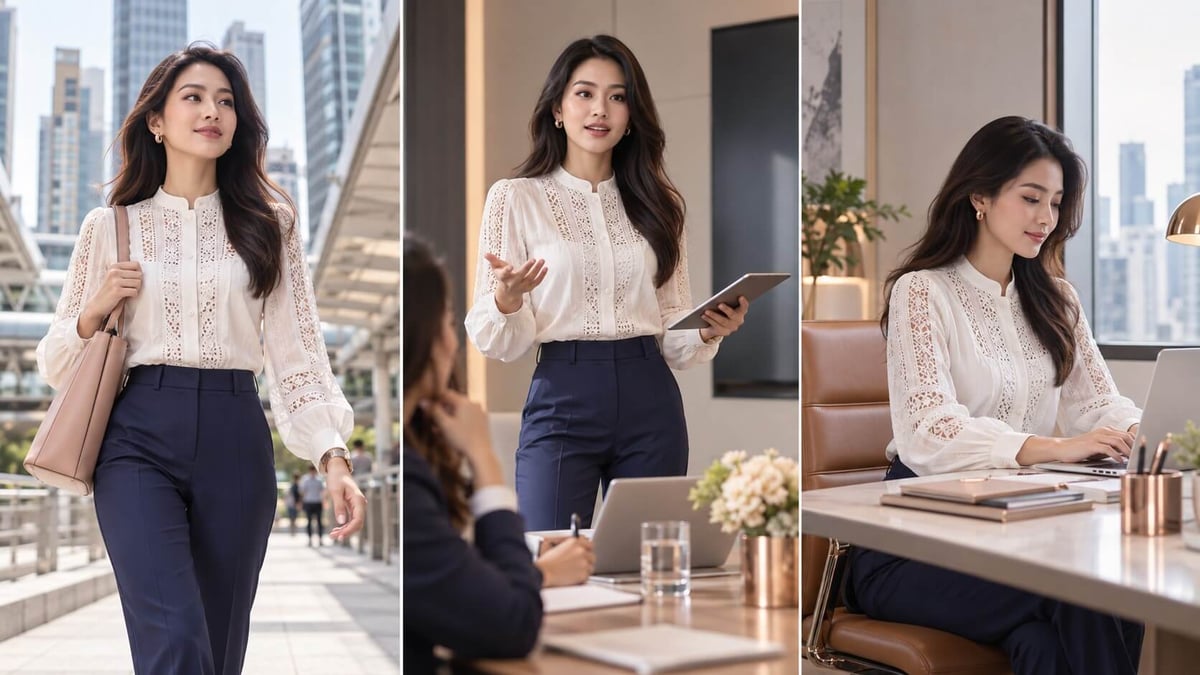
Bangkok presents a particular design challenge: intense outdoor heat combined with heavily air-conditioned interiors.
Instead of asking one garment to solve both conditions, a three-layer system is more practical.
The first layer should be soft, breathable and comfortable against the skin. The second creates the principal silhouette—a blouse, dress, skirt or top. The third is removable, such as a lightweight blazer, fine cardigan or jacket.
For lace garments, avoid making the lining unnecessarily heavy. Doing so can eliminate the airflow benefit of an open textile structure.
Designers should experiment with lining color, panel position and transparency. Modular details such as removable overlays, collars or sleeves can also increase styling possibilities.
For additional warm-climate inspiration, see United Lace's editorial on Summer Fashion Trends 2026, which connects fabric behaviour with light tailoring, natural textures and modern lace applications. (United Lace)
United Lace's own fashion label, Parry Lace Studio, also demonstrates how lace can move beyond traditional occasionwear into modern, wearable garments designed around contemporary styling. (United Lace)
Test the Fabric Before Bulk Production
For designers, manufacturers and sourcing teams, visual approval should never be the final step.
A practical fabric approval process should include a hand and drape test, followed by a 30–60 minute sitting test to check creasing and bagging. The prototype should then undergo realistic movement—reaching, walking quickly, climbing stairs and carrying a bag.
Transparency should be evaluated under natural light, office lighting and photography because open lace structures can behave differently in each environment.
Wash testing should check shrinkage, color, seam distortion, pilling and overall recovery. Lace should also be evaluated for abrasion and snagging, particularly when it may contact handbags, desks, chairs or seat belts.
Finally, brands should test compatibility among the shell fabric, lining, interfacing, thread, zippers and decorative components.
For repeat production, these findings should be recorded in a fabric approval sheet containing lot reference, width, weight, shade, shrinkage, care instructions and post-wash observations.
B2B Perspective: Better Fabric Decisions Create Better Repeat Sales
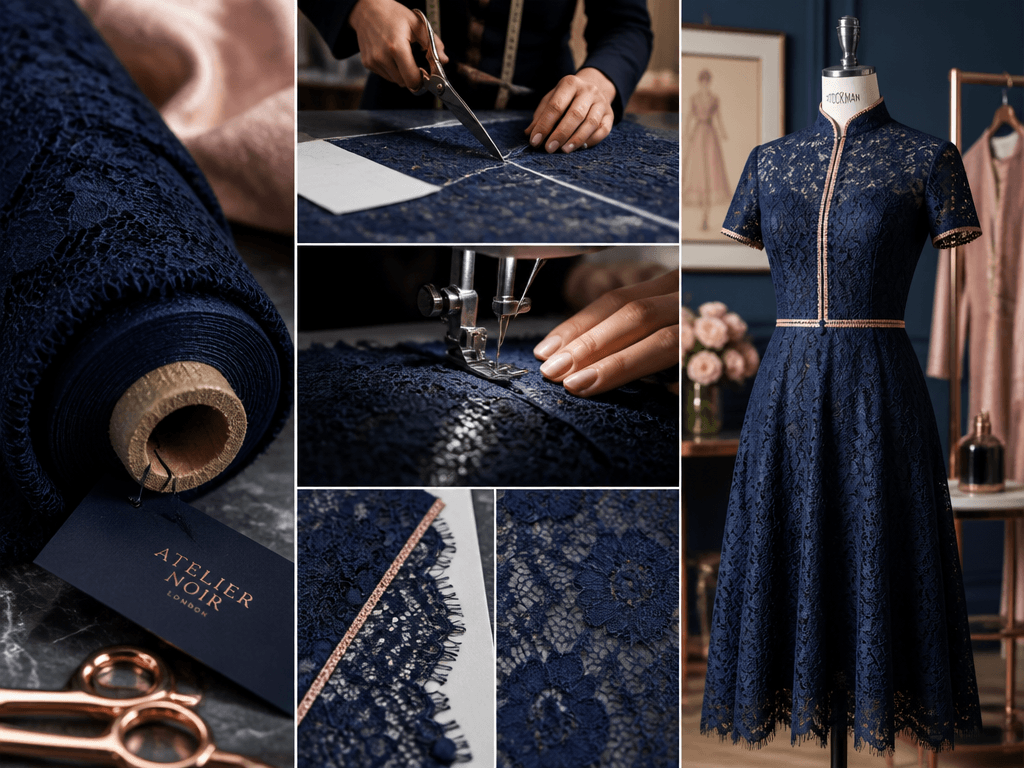
Comfort is sometimes treated as an invisible benefit, but brands can translate it into meaningful product language.
Instead of saying “comfortable blouse,” explain that the sleeve construction allows reaching without pulling the hem.
Instead of simply describing a fabric as “premium,” explain that it drapes cleanly but retains its silhouette after prolonged sitting.
Instead of saying “luxury lace,” explain that the lace is strategically positioned to create texture without unnecessary garment weight.
This type of communication helps customers understand why a product deserves its price.
Manufacturers should also consider total production cost rather than fabric cost alone. A cheaper textile with unstable width, frequent defects or poor repeatability may ultimately cost more.
Lace adds specific considerations because scalloped edges, motif direction and motif matching can significantly influence marker efficiency and fabric consumption.
For B2B buyers, a reliable supplier therefore needs to support more than aesthetic selection. MOQ, stock stability, repeat orders, consistent lots and technical suitability all matter.
United Lace works with fashion brands, garment manufacturers, fabric retailers and other B2B buyers using a wholesale, roll-based model. Its sourcing approach emphasizes both design value and production practicality. This positioning is consistent with United Lace's broader view of 2026 lace as a strategic fashion material rather than simply a decorative textile. (United Lace)
10-Point Workwear Fabric Approval Checklist
- What activity occupies most of the wearer's working day?
- How dramatically do temperature and humidity change?
- Where does the fabric contact the skin, and could it create friction?
- How much stretch is required, and does the fabric recover effectively?
- Does its wrinkle behaviour suit the brand image?
- How transparent is it under daylight, office lighting and photography?
- Can customers realistically follow the required washing, ironing or dry-cleaning routine?
- Are the shell, lining and decorative components compatible?
- How do fabric width, motif direction and matching affect consumption?
- Can the supplier support MOQ, consistency, stock and repeat orders?
Conclusion: Choose Fabric That Works with Real Life
Workwear that genuinely makes the day easier does not come from one fiber or one trend.
It comes from understanding the wearer's real activities and translating them into textile requirements: airflow, weight, stretch, recovery, hand-feel, drape, durability and maintenance.
Starting with function does not reduce creativity. It gives beauty a stronger purpose.
For fashion brands, carefully combining practical base fabrics with Chantilly Lace, Guipure Lace, Cotton Lace, Eyelet or Tulle Appliqué can transform ordinary office clothing into a distinctive premium product without sacrificing comfort or production feasibility.
That is where United Lace's role as a lace and embroidery specialist becomes relevant: not simply supplying attractive materials, but helping B2B customers connect motif, density, drape, silhouette, production requirements and commercial positioning. United Lace's brand positioning specifically serves designers, manufacturers and retailers seeking premium lace and embroidery with consistent B2B sourcing support.
Explore the United Lace lace and embroidery collections, discover finished-garment inspiration through Parry Lace Studio, or continue exploring the United Lace English textile and fashion knowledge hub. (United Lace)
To explore premium lace and embroidery fabrics for your next collection, contact United Lace.
We supply fashion brands and garment manufacturers across Thailand and worldwide.
LINE Official: @unitedlace | Instagram: @unitedlace | Bangkok Showroom: By Appointment

 |  |  |  |  |
#unitedlace #lace #embroidery #cottonlace #drylace #frenchlace #eyelet #chantillylace #lacewholesale #fancylacefabric #lacewholesaleonline #multicolor #tencel #cotton #guipure #wholelacesupplier #lacesupplier #lacecharacteristic #laceproperties #innovation #ecofriendly
FAQs
What are the best fabrics for workwear in hot weather?
The best choice depends on activity and garment construction. Lightweight cotton poplin, linen blends, lyocell blends and breathable open-structure fabrics are strong options. Weight, airflow, moisture behaviour and lining should be evaluated together.
Is thin fabric always more breathable?
No. A thin but tightly woven or heavily finished fabric may breathe less effectively than a somewhat heavier textile with a more open construction.
Can lace be used for office clothing?
Yes. Modern lace for workwear works particularly well on sleeves, collars, cuffs, yokes and inset panels. Professional results depend on controlling transparency, motif density, lining and placement.
Which is better for workwear: Chantilly or Guipure Lace?
Chantilly is softer, lighter and suitable for delicate sleeves, yokes and overlays. Guipure is more structural and visually defined, making it suitable for collars, cuffs, panels and statement sections. The correct choice depends on the intended silhouette.
Is lace suitable for Thailand's hot climate?
Selected lace can work well because open structures can reduce visual and physical heaviness. Cotton Lace, Eyelet, lighter Chantilly and Tulle structures are particularly relevant when paired with appropriate linings.
What should fashion brands test before ordering fabric in bulk?
Test drape, sitting comfort, movement, recovery, transparency, shrinkage, colorfastness, pilling, snagging, washing and compatibility with lining and trims. Record the results by lot for repeat production.
Does cheaper fabric always reduce manufacturing cost?
No. Total cost also includes usable width, defects, pattern matching, fabric waste, sewing difficulty, care requirements and the ability to reorder consistent material.
Why is fabric recovery important in workwear?
A textile may stretch comfortably yet lose its shape after several hours of sitting. Good recovery helps knees, elbows, hips and seat areas return closer to their intended silhouette.
What should B2B buyers ask a fabric supplier?
Ask about MOQ, width, stock availability, lot consistency, care requirements, motif direction, repeat-order capability and suitability for the garment being produced.
Why source lace from a specialist such as United Lace?
A specialist can help evaluate more than pattern appearance. Motif scale, density, drape, transparency, garment construction, fabric consumption, stock consistency and repeatability all affect whether a lace is commercially suitable for a collection.