Table of Contents
- When Your Suitcase Becomes a Temporary Wardrobe
- Why Fabrics Wrinkle
- 8 Characteristics of Good Travel-Friendly Fabrics
- Which Fabrics Work Best for Travel?
- Choosing Fabrics by Garment Type
- Fold, Roll or Use a Garment Bag?
- How to Make Clothing Ready to Wear After Arrival
- Building a 3–5 Day Travel Capsule Wardrobe
- Using Lace and Embroidery Without Making Travel Clothing Fragile
- United Lace: B2B Textile Expertise Beyond Appearance
- Fabric Testing Before Bulk Production
- Common Mistakes in Travel Clothing Development
- Why Travel-Friendly Design Has Commercial Value
- Travel Fabric Approval Checklist
- Conclusion: Good Clothing Should Travel With Your Life
- FAQs
When Your Suitcase Becomes a Temporary Wardrobe
For frequent travelers, Travel-Friendly Clothing has to do considerably more than simply look polished on a hanger.
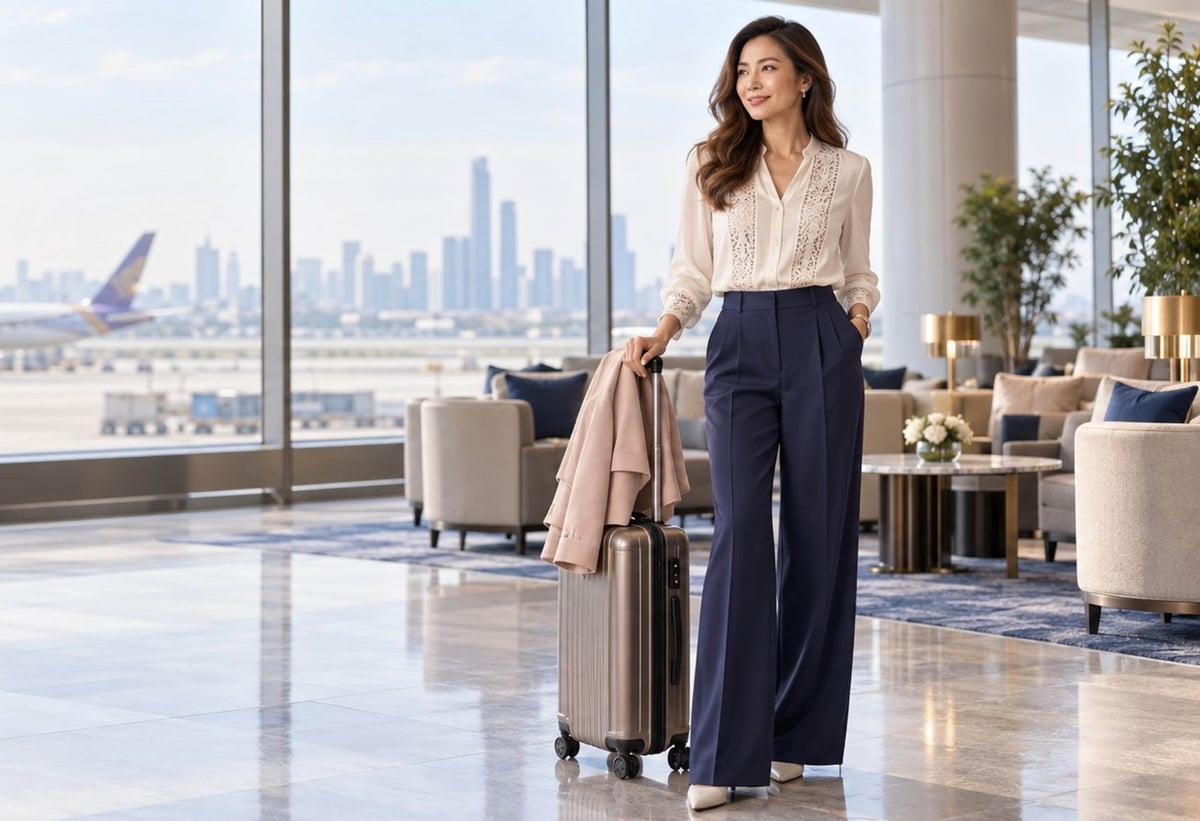
For Travel-Friendly Clothing, garments may spend hours compressed inside luggage, followed by extended periods of sitting on an aircraft or train. The wearer then moves between different environments—outdoor heat, air-conditioned terminals, aircraft cabins, hotels, client meetings and evening appointments—sometimes without enough time to iron, steam or change clothes.
This changes the definition of a good travel wardrobe.
A blouse that looks refined in the showroom but creases severely after two hours in a suitcase creates inconvenience. A blazer that loses its shoulder shape, a dress that traps heat, or an embroidered surface that catches against luggage hardware may become more work than it is worth.
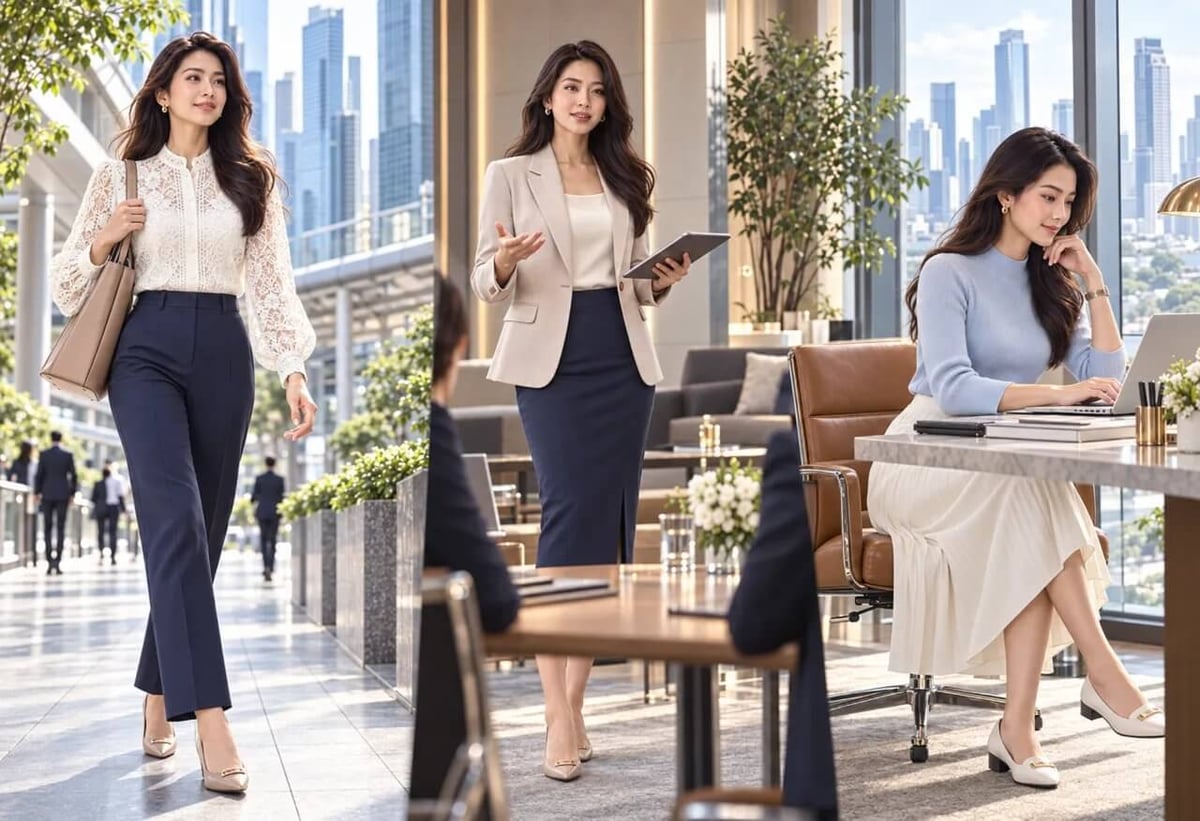
A well-designed travel wardrobe therefore needs to balance four objectives: efficient packing, good wrinkle recovery, comfort across changing temperatures and enough visual versatility to work in several settings.
“Ready to wear” does not mean that a garment will never crease. Almost every textile can develop fold marks under sufficient pressure, humidity and time. A more useful measure is wrinkle recovery—how well the fabric returns toward its original shape after unpacking, hanging or light steaming.
For fashion brands and garment manufacturers, this is more than a technical consideration. It is a product opportunity.
Customers who travel frequently appreciate Travel-Friendly Clothing that reduces luggage volume, simplifies packing and remains presentable when they need to move directly from transport to meetings or social appointments. This creates a value proposition that goes beyond color or seasonal trends.
For brands exploring a more elevated professional wardrobe, United Lace's guide to lace for premium workwear and office fashion provides a useful companion perspective on how lace can be adapted to polished, contemporary business clothing.
Why Fabrics Wrinkle
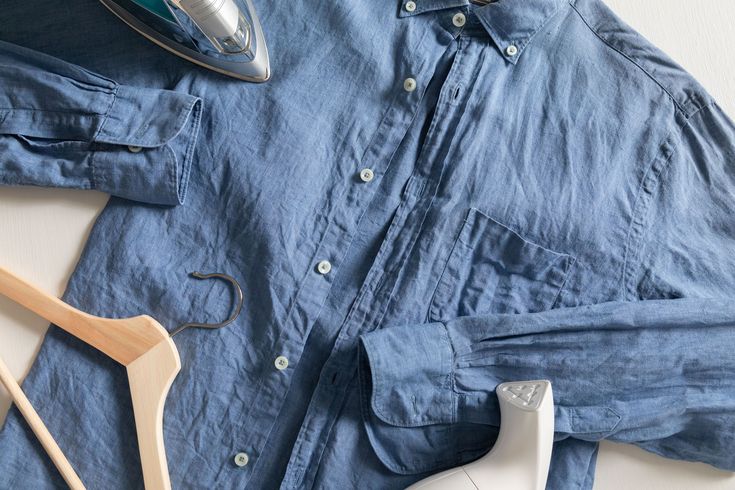
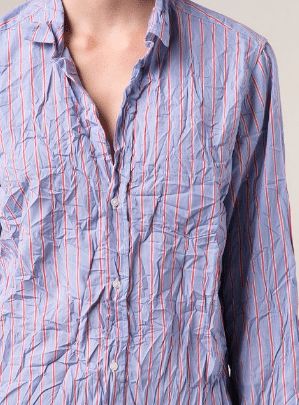
Wrinkles occur when fibers and yarns are folded, compressed or distorted and cannot fully return to their original position.
Fiber content certainly matters, but it is only one part of the equation. Weave or knit density, yarn twist, fabric weight, finishing treatment, temperature, humidity, interfacing, lining and garment construction all influence how a finished garment behaves.
This is why two fabrics with the same fiber label may perform very differently.
A tightly constructed cotton-blend poplin may recover much better than an open cotton gauze. A matte polyester crepe may retain a polished appearance after travel, whereas a dense, shiny polyester may reveal every crease while also feeling warmer.
Cellulosic fibers such as cotton, linen and viscose absorb moisture well. Under pressure in humid conditions, that moisture can encourage creases to set more visibly. Polyester generally offers stronger shape retention, but a poorly engineered polyester construction may trap heat or moisture.
The correct question is therefore not simply, “What fiber is this?”
Designers should evaluate the balance between wrinkle recovery, breathability, moisture management and hand feel.
For Travel-Friendly Clothing, blended fabrics are particularly useful. Cotton-polyester can improve dimensional stability and drying speed, while wool-polyester or wool-elastane can create resilient travel tailoring. Lyocell-polyester or lyocell-nylon can preserve fluidity while increasing strength.
However, composition percentages alone cannot guarantee performance. The finished fabric—and preferably the finished garment—must be tested.
That production-oriented approach also underpins United Lace's guide to lace fabrics for modern fashion brands and B2B production, where repeatability, construction stability and commercial scalability are considered alongside appearance.
8 Characteristics of Good Travel-Friendly Fabrics
1. Wrinkle Recovery
For Travel-Friendly Clothing, when fabric is crushed, folded or compressed and then released, it should visibly relax within a reasonable period.
This matters more than marketing labels such as “wrinkle free” or “non-iron.” Under enough pressure, nearly every garment can crease. The relevant question is how severe the crease becomes and whether the fabric can recover through hanging or light steaming.
2. Appropriate Weight
Lighter fabrics reduce luggage weight, but extremely light material may become transparent, cling to the body or lose structure.
Blouses need lightness without excessive transparency. Trousers need enough body to maintain a clean leg line. Blazers should eliminate unnecessary bulk without appearing shapeless.
The best travel garment is not necessarily the lightest; it is the garment that delivers the highest function for its weight.
3. Drape and Shape Retention
Fluid drape can make minor creasing appear part of the garment's movement rather than an obvious defect.
At the same time, collars, shoulders, waistbands, plackets and seams need stability. Interfacing and lining therefore matter almost as much as the shell fabric.
4. Breathability and Moisture Management
Travelers repeatedly move between hot and cool environments.
For Travel-Friendly Clothing, a fabric that traps heat or sticks to damp skin may quickly become uncomfortable. Designers should evaluate airflow, absorption, moisture transfer and drying speed together to ensure comfort across changing travel environments.
This is particularly important for travel collections developed for Southeast Asia. United Lace's guide to breathable fabrics for hot weather and summer clothing examines cotton, linen, lyocell, lace and other lightweight materials from this climate-performance perspective.
5. Stretch and Recovery
Stretch improves comfort during long periods of sitting, walking through airports and lifting luggage.
But stretch without recovery creates bagging at knees, elbows, hips and seat areas. For tailored trousers and blazers, moderate mechanical or elastane-assisted stretch is often enough when the garment pattern is well engineered.
6. Abrasion and Snag Resistance
Travel exposes clothing to shoulder straps, seat belts, suitcase zippers, chair surfaces, desk edges and repeated friction.
Open mesh, loose embroidery and delicate lace should therefore be positioned carefully. A textile may be suitable as a protected panel but unsuitable directly beneath a shoulder bag.
7. Drying and Care During the Trip
A garment that can be washed and dried overnight allows the customer to pack fewer pieces.
However, fast drying should not come at the expense of comfort, odor control, seam stability or colorfastness.
Brands should test drying time together with shrinkage, twisting, surface changes and hand feel.
8. Visual Versatility
Travel garments create more value when they can move between occasions.
A fabric with restrained sheen, refined texture and an easy-to-coordinate color can transition from airport to meeting to dinner with only small styling changes.
This is where lace becomes especially effective in Travel-Friendly Clothing. A controlled Chantilly panel, Cotton Lace cuff, Eyelet insert or Guipure motif can elevate a simple travel piece without turning the entire garment into delicate occasionwear.
Which Fabrics Work Best for Travel?
| Fabric Group | Strengths | Considerations | Best Uses |
| Performance Polyester / Blends | Lightweight, fast drying, strong shape retention | Poor versions may feel hot or overly shiny | Trousers, dresses, jackets |
| Tropical Wool / Wool Blends | Excellent wrinkle recovery, premium appearance | Higher price and care requirements | Business trousers, suits, blazers |
| Cotton Blends | Natural hand, polished appearance | Can still wrinkle; test shrinkage | Shirts, blouses, smart-casual dresses |
| Linen Blends | Breathable, natural texture | Creasing remains visible | Resort-business wear |
| Lyocell / Modal Blends | Soft, fluid, good moisture performance | Some constructions may distort or show water marks | Blouses, dresses, fluid trousers |
| Crepe | Texture disguises creasing; elegant drape | Performance varies by fiber and weight | Dresses, blouses, trousers |
| Compact Knit / Ponte | Stretch, recovery, low ironing requirement | Can be warmer or heavier | Trousers, dresses, soft jackets |
| Stretch Lace / Lace Panels | Adds premium character with limited weight | Requires snag and transparency testing | Yokes, sleeves, collars, panels |
There is no universally superior travel fabric. The correct choice depends on the garment, destination, climate, expected activity, price positioning and maintenance requirements.
Choosing Fabrics by Garment Type
Shirts and Blouses

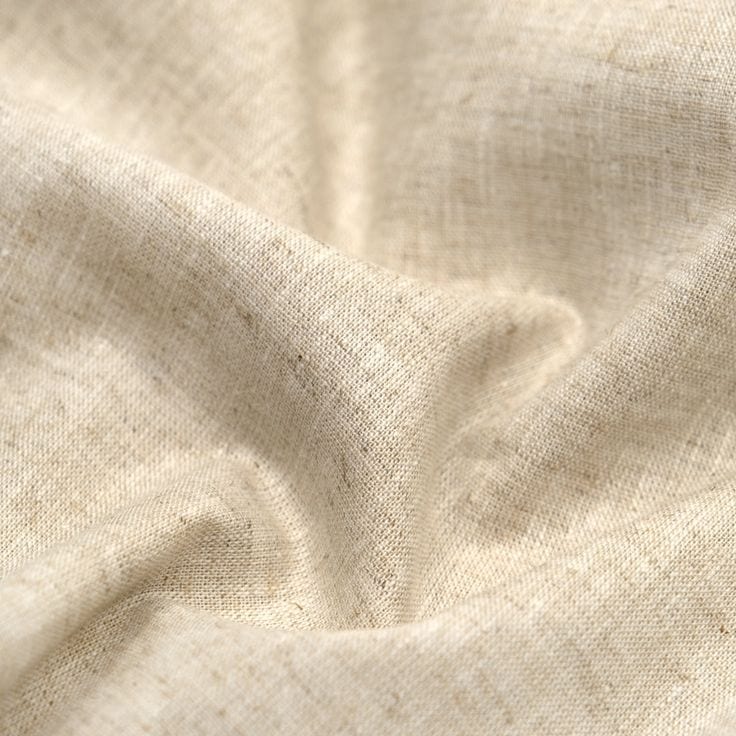
For Travel-Friendly Clothing, upper-body garments appear prominently during meetings, presentations and photographs, so they need to remain smooth and professional. Cotton-blend poplin, lightweight crepe, lyocell blends and high-quality matte polyester are useful options.
For premium differentiation, designers can introduce Chantilly Lace, Cotton Lace or Eyelet through front panels, shoulders, collars or cuffs.
A vertical Chantilly insert, for example, adds texture and elongation while leaving the majority of the blouse in a more wrinkle-resistant base fabric.
The broader evolution of lace from occasionwear into professional dressing is explored in United Lace's Luxury Office Lace 2026 guide.
Trousers and Skirts
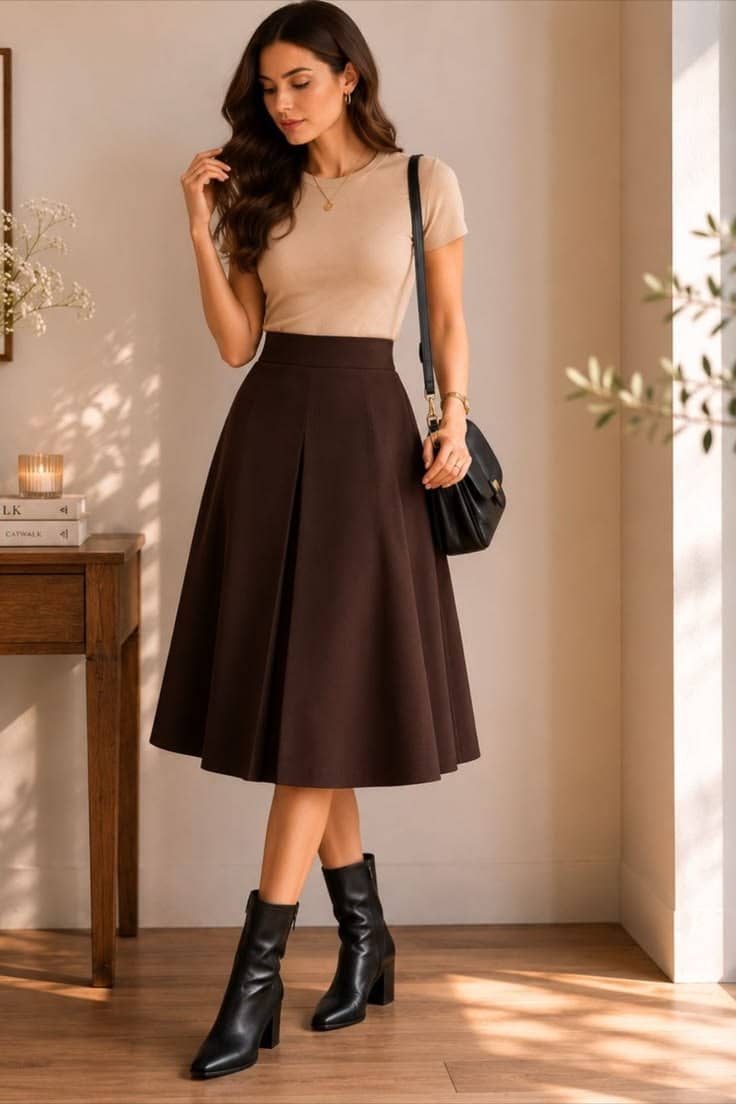
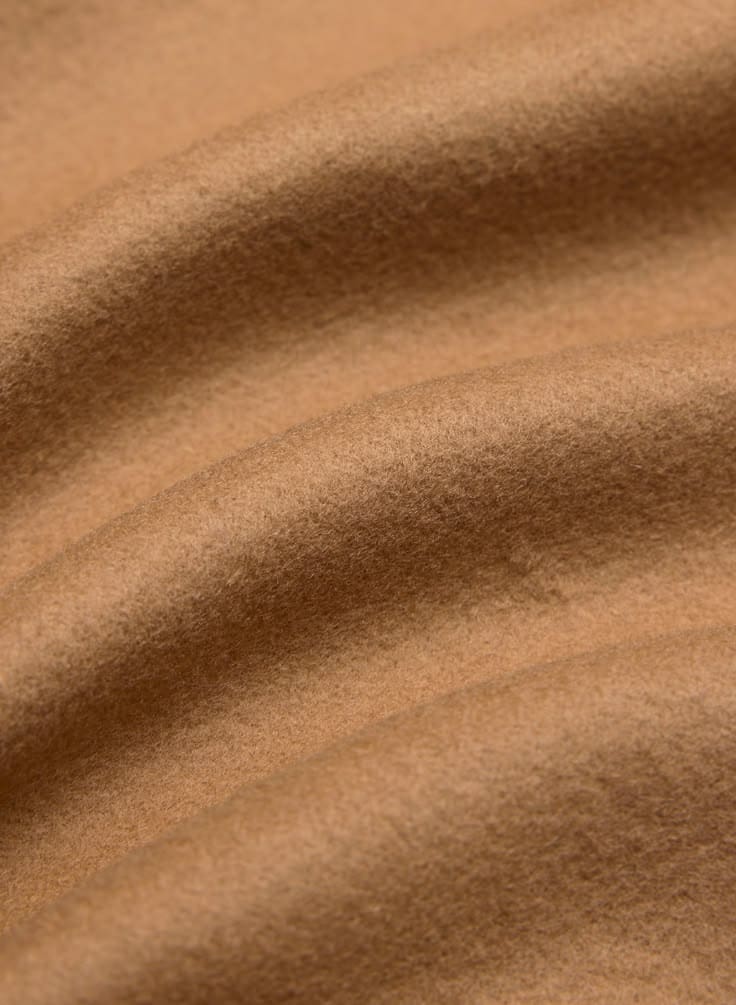
The waist, hips, seat and knees experience the highest pressure while sitting.
Look for fabrics with controlled stretch and strong recovery: tropical wool, fine twill, travel suiting or medium-weight compact knits.
Extremely thin materials tend to reveal pressure lines, while very thick fabrics occupy more luggage space and dry slowly.
Straight and moderately wide-leg trousers usually tolerate sitting creases better than silhouettes tightly fitted around the knee.
Dresses and Jumpsuits
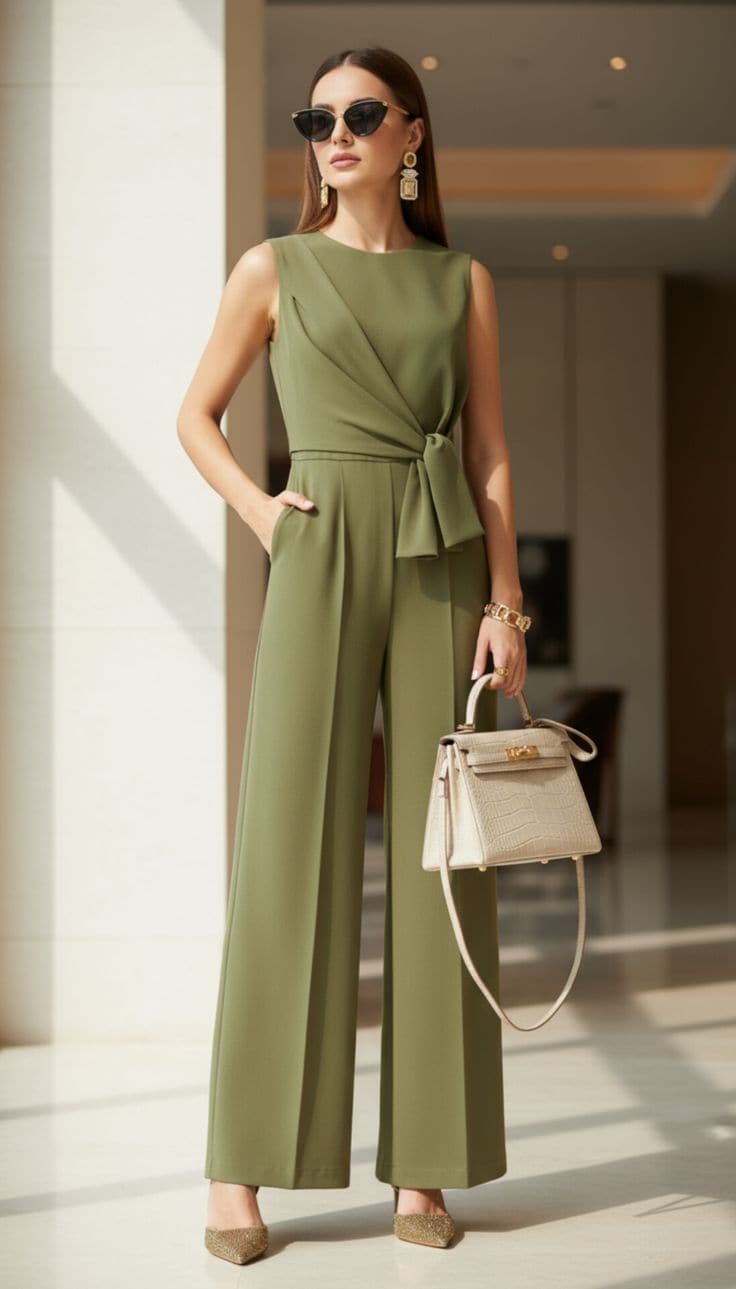
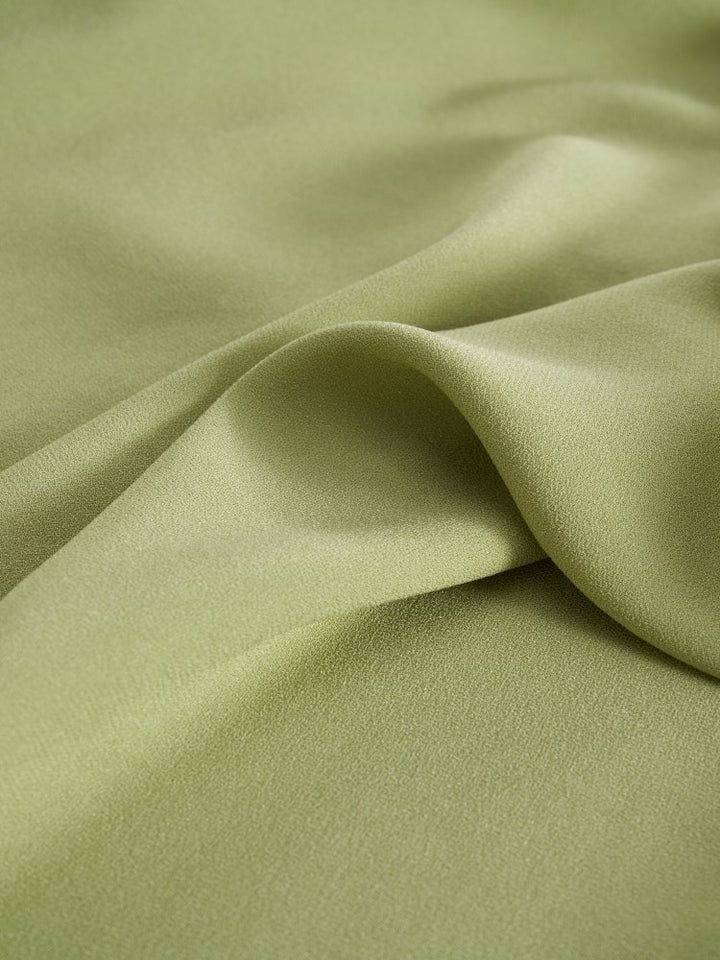
One dress can replace several separates in a suitcase, making it highly efficient for travel.
Crepe, ponte, lyocell blends and medium-weight stretch wovens can maintain shape without requiring heavy lining.
Lace positioned at the neckline, sleeve or hem can add identity without complicating packing.
Designers should also test whether the garment remains comfortable while sitting, layering and moving—not simply how it looks when standing.
Blazers
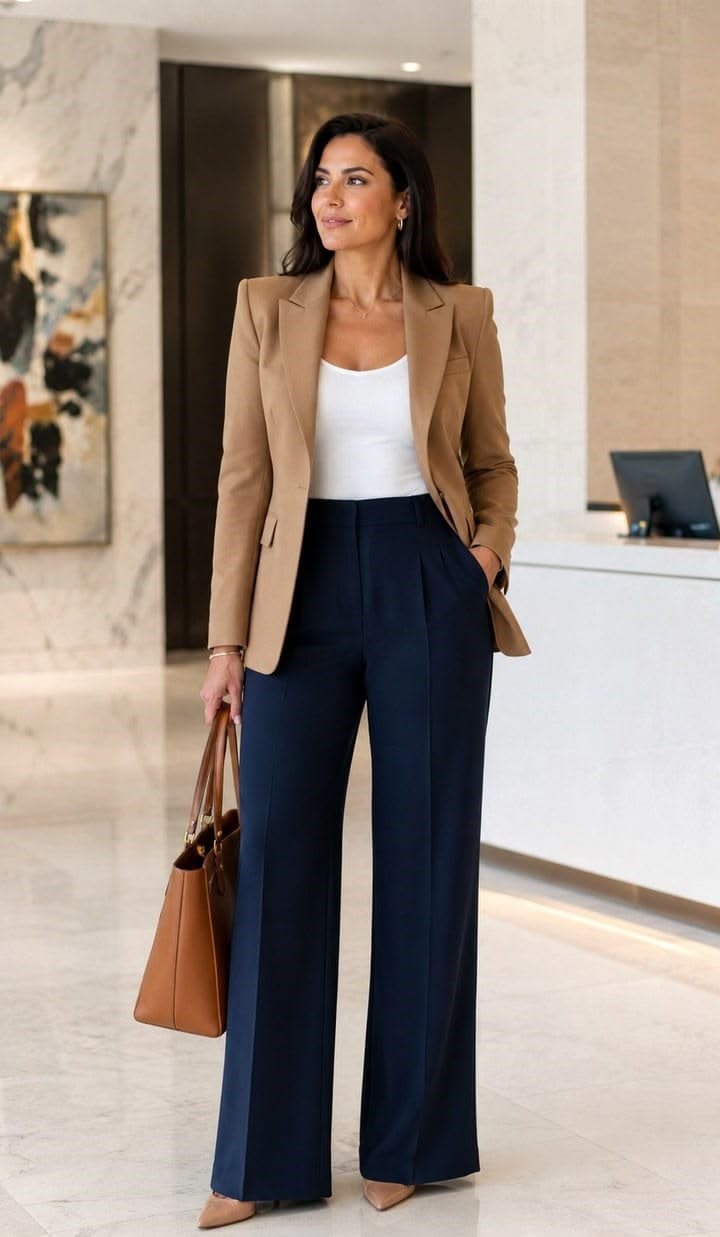
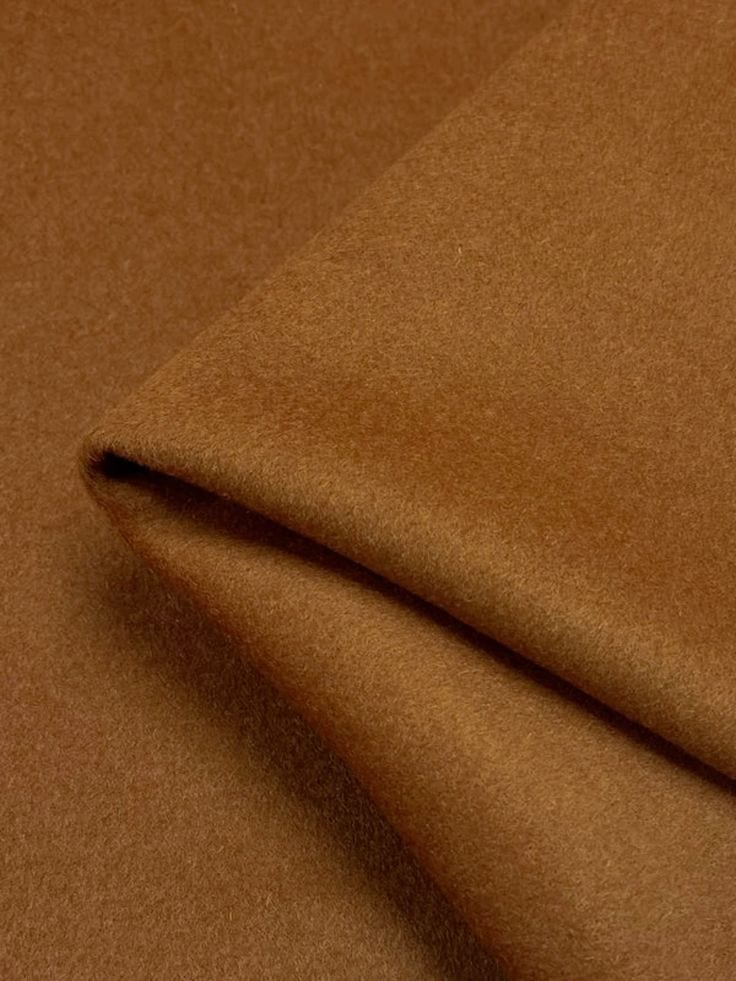
Travel blazers should contain only as much internal structure as necessary.
Soft shoulders, light lining and fabrics with reliable recovery generally pack better than traditional fully structured tailoring.
Tropical wool blends, wool-polyester blends and stretch crepe can work particularly well for unstructured business jackets.
Lightweight Layers
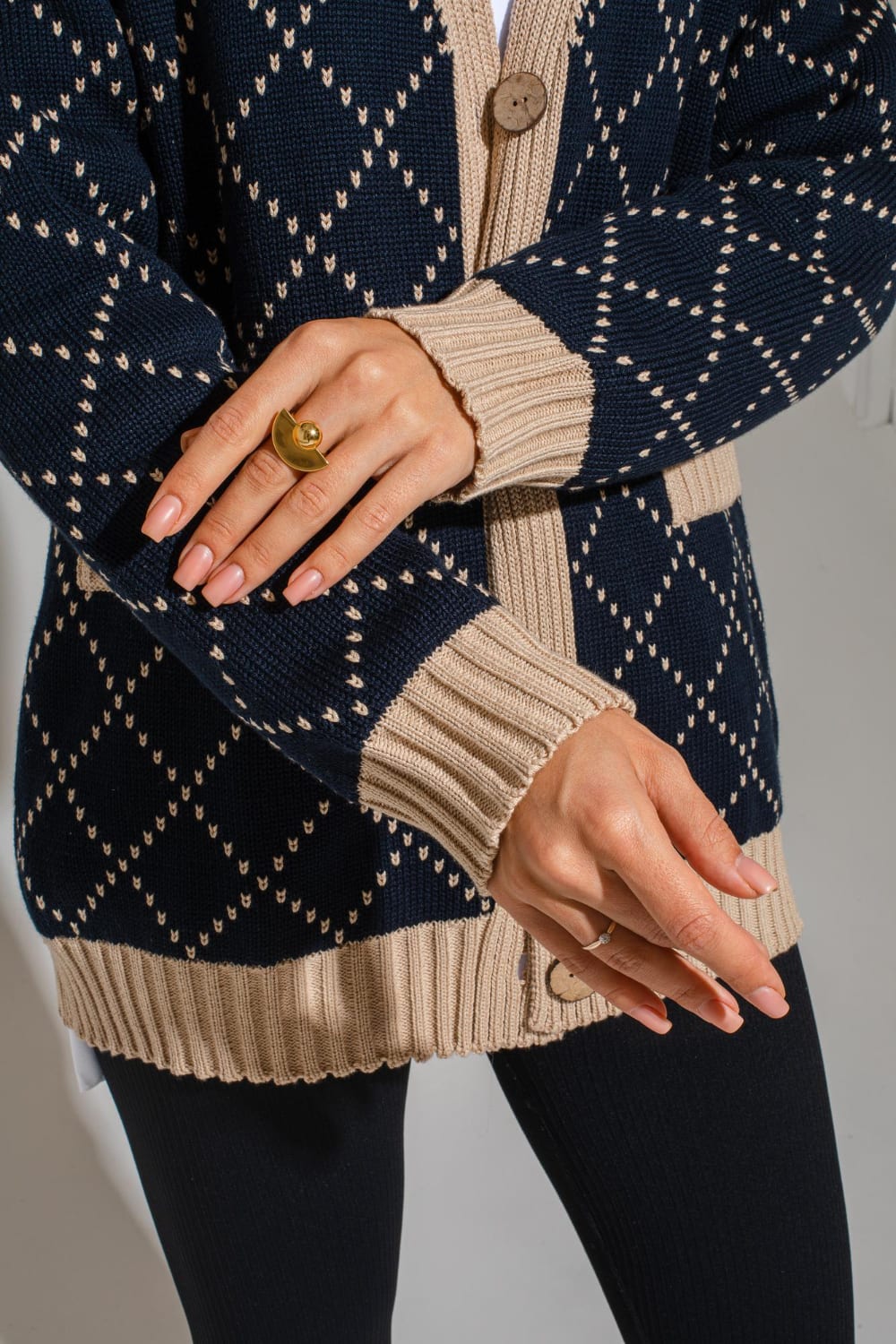
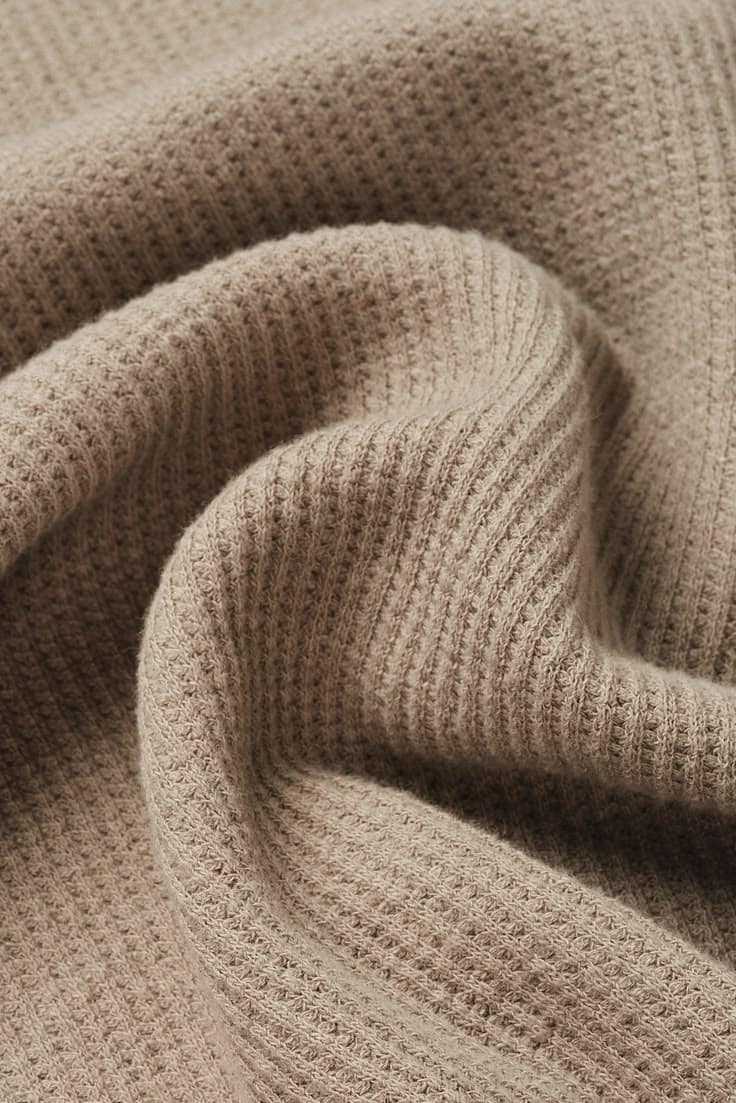
Fine-gauge cardigans and compact-knit outer layers help travelers manage cold aircraft cabins and air-conditioned meeting rooms without consuming excessive suitcase space.
Navy, beige, ivory, black and warm grey remain especially useful because they coordinate easily and conceal minor travel marks.
Fold, Roll or Use a Garment Bag?
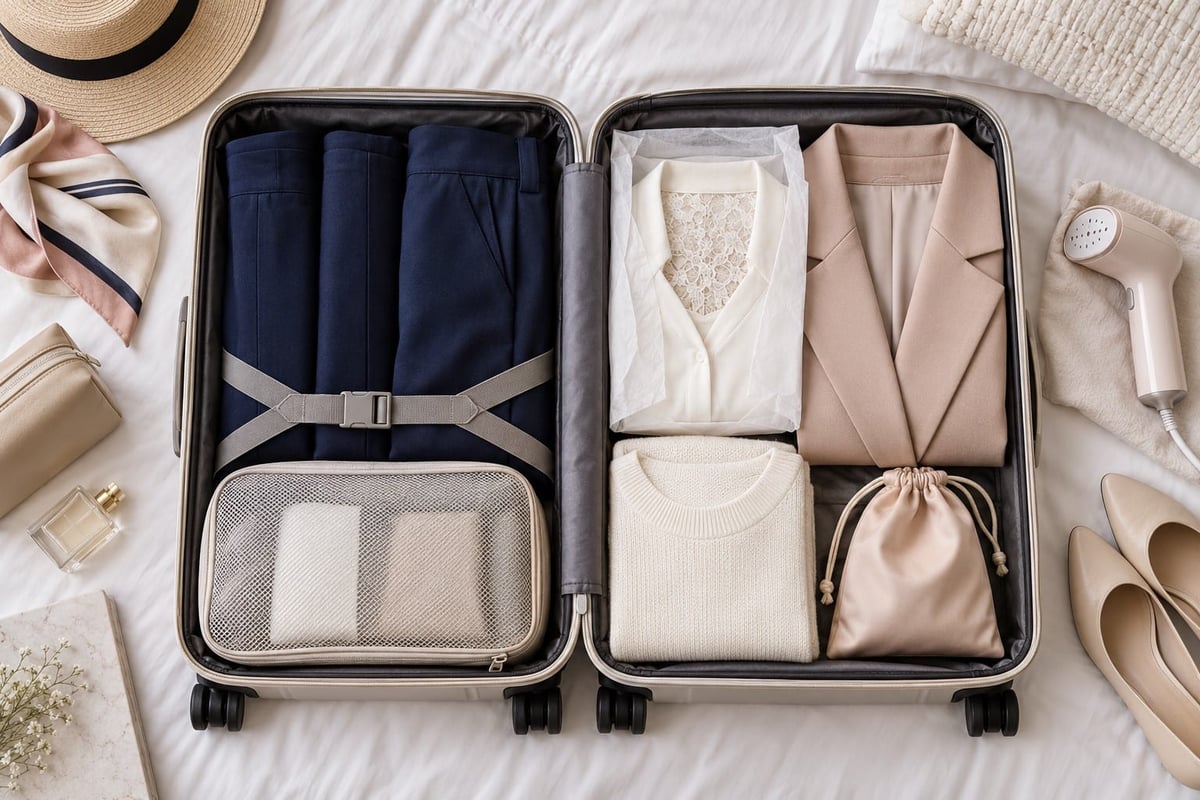
Packing technique should follow textile structure.
Soft knits, jersey and unstructured garments usually respond well to rolling because it avoids sharp fold lines. Shirts, tailored trousers and dresses generally benefit from broad, controlled folding that respects seam direction.
Blazers require more care around the shoulder and lapel area. Nesting the shoulders or using a garment folder can help preserve shape.
Lace requires an additional level of protection.
When packing Travel-Friendly Clothing, fine net lace, Chantilly, embroidered tulle, beaded fabrics and metallic yarns should not be compressed directly against zippers, hooks or footwear. Place a soft protective layer between delicate surfaces and harder items.
Thicker Guipure motifs should not sit beneath shoes or heavy accessories because prolonged pressure can flatten raised areas.
Packing cubes are useful, but overfilling them may create deeper creases than ordinary folding.
Upon arrival, structured garments, blouses, dresses and lace pieces should be removed and hung immediately
How to Make Clothing Ready to Wear After Arrival
The first step is simple: hang garments as soon as possible, open buttons and allow collars, seams and hems to return to their natural position.
A handheld steamer can help, but heat-sensitive components require care. Test an inconspicuous area first, particularly with metallic-thread lace, beads, adhesives and coated textiles.
If a steamer is unavailable, light ambient humidity from a bathroom may help some fabrics relax. Avoid soaking the garment or exposing it directly to concentrated steam.
For small creases, gently touching the area with a barely damp clean cloth may help. Do not rub delicate fabrics aggressively.
A compact garment-care kit containing a lint roller, garment brush, needle, thread and spare buttons can solve many last-minute problems.
Whenever possible, allow clothing to rest overnight between wears. Moisture and odor can dissipate while certain fibers gradually recover.
For delicate lace, the United Lace English editorial library includes dedicated fabric-care guidance alongside design and sourcing articles. Explore the United Lace English blog library
Building a 3–5 Day Travel Capsule Wardrobe
A travel capsule succeeds because every piece works hard—not because the total number of garments is reduced to an unrealistic minimum.
For Travel-Friendly Clothing, a practical business capsule might use navy and beige as base colors, ivory as a light neutral, and burgundy or Pink Gold as an accent.
Around 7–9 core garments can create a strong wardrobe: two tops, two bottoms, one dress or jumpsuit, one unstructured blazer, one lightweight layer and one signature detail piece.
Texture keeps such a capsule from becoming visually flat.
A fine-twill trouser can be paired with a crepe blouse featuring a Chantilly panel. A matte blazer works with both. A compact-knit dress adds a one-piece option, while a lace-detail blouse creates a more memorable look for an important meeting or dinner.
The important rule is that every garment should ideally coordinate with at least three others.
This principle also benefits fashion brands. Collections designed around cross-merchandising encourage customers to buy coordinated pieces rather than isolated garments.
The commercial evolution of lace into wider ready-to-wear categories is covered further in Lace Fabrics for Modern Fashion Brands 2026.
Using Lace and Embroidery Without Making Travel Clothing Fragile
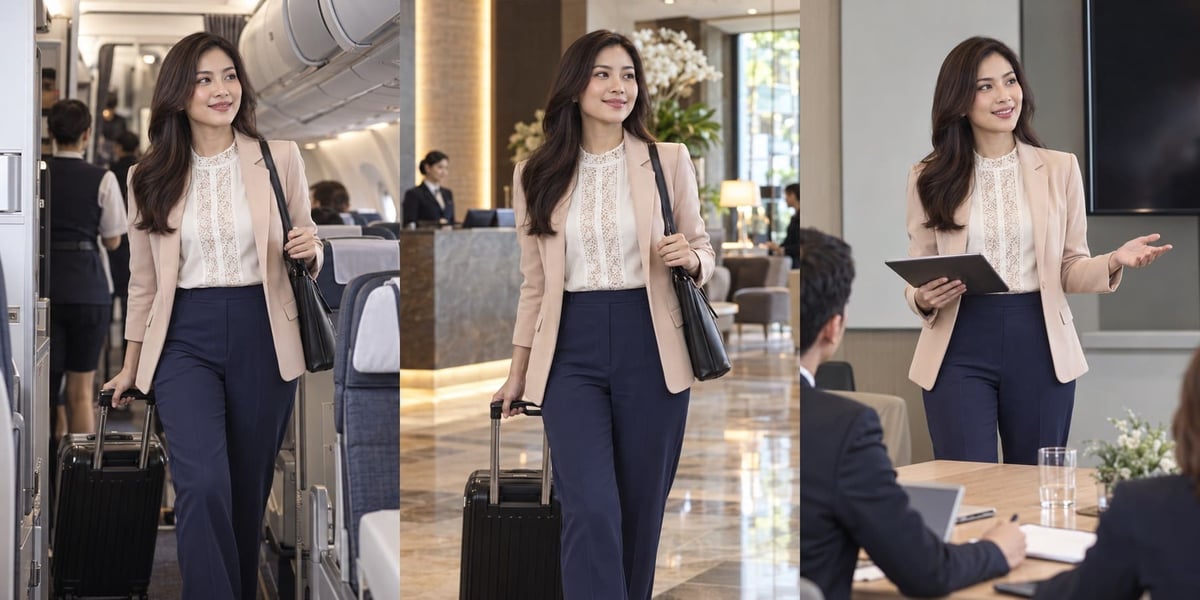
Lace can prevent functional travel clothing from looking generic.
The most practical strategy is often lace applied to a stable base fabric, rather than delicate lace across the entire garment.
A Chantilly panel can refine a crepe blouse. Cotton Lace on collars or cuffs creates a natural, tactile character. Tulle Appliqué across the shoulder provides lightweight dimension. Small Guipure motifs can become recognisable accents on sleeves, pockets or hems.
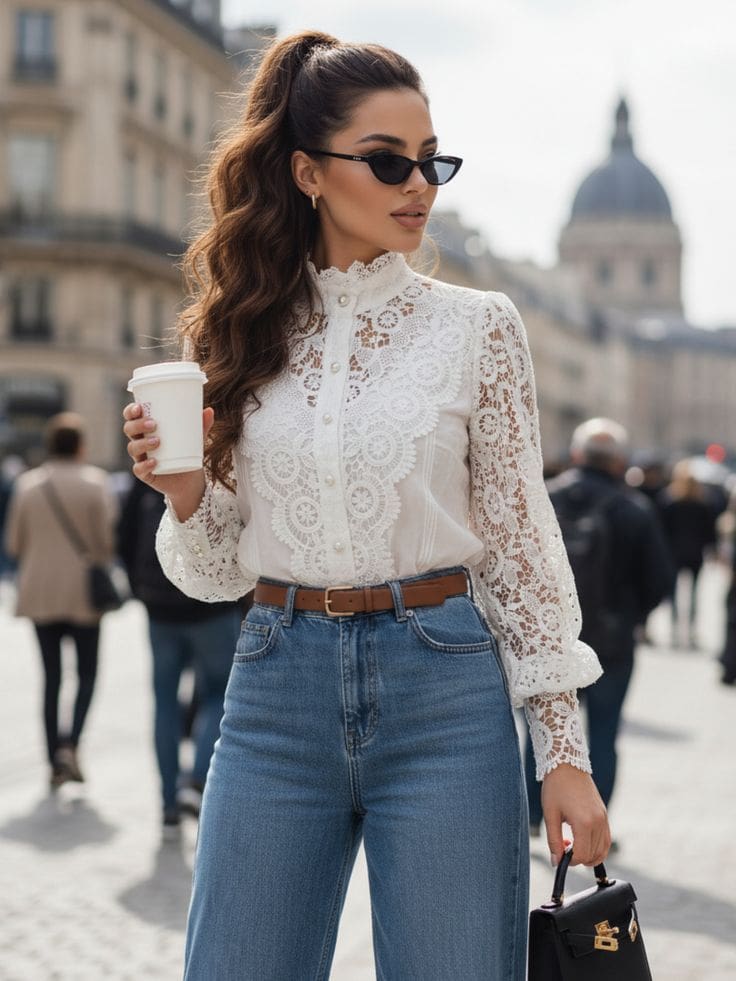
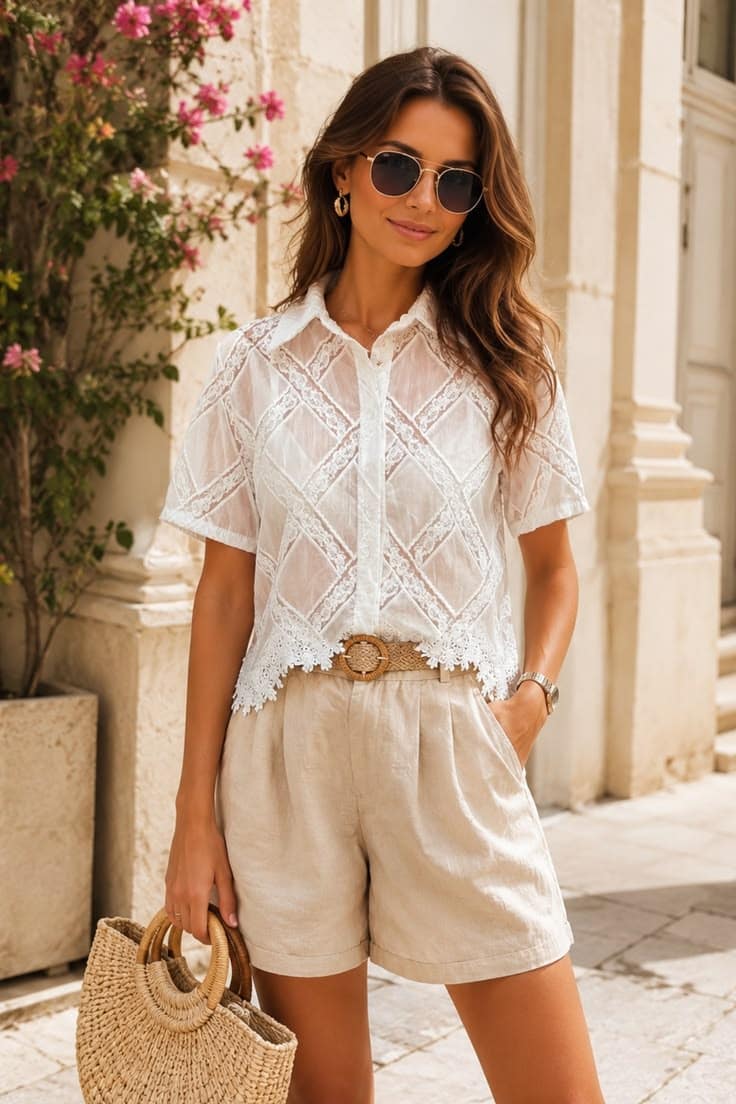
Placement is critical.
Avoid heavy motifs directly at elbows, waistbands, hips or positions under bag straps, where repeated bending and compression may damage the textile or create discomfort.
For larger lace surfaces, more stable constructions such as Stretch Lace or selected Raschel Lace can work effectively, provided the design has been tested for snagging, transparency, lining compatibility and folding behavior.
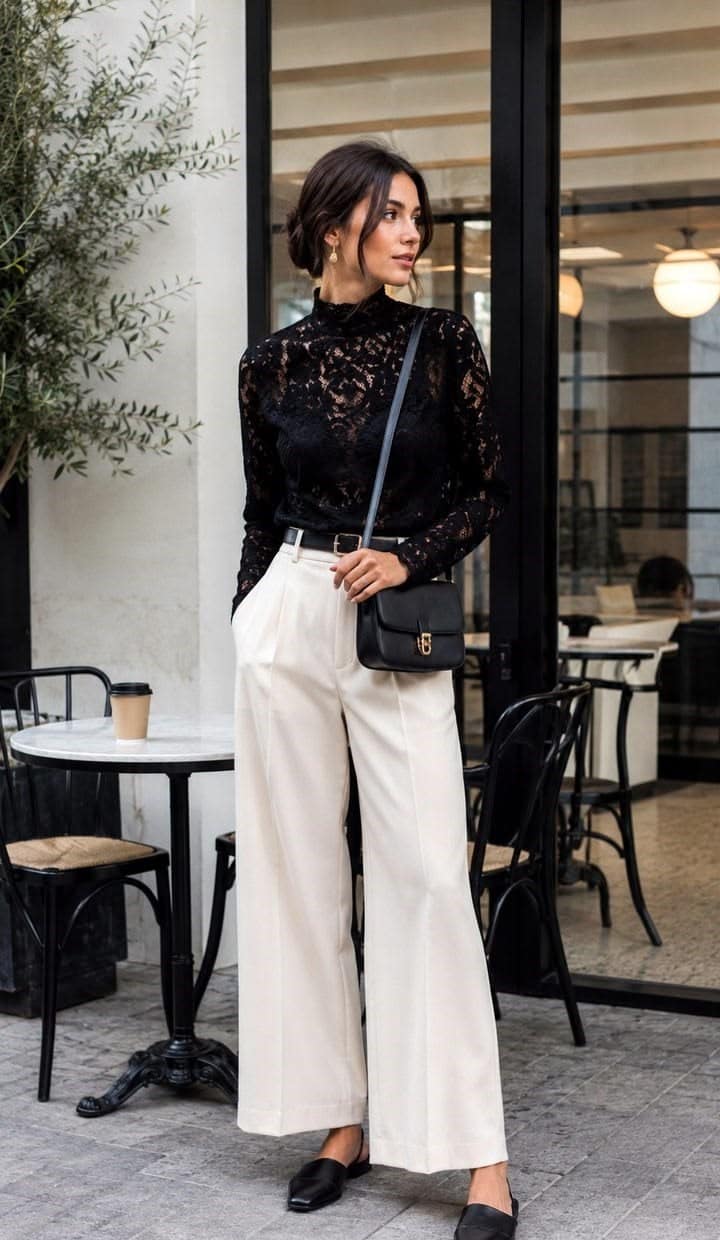
United Lace works across categories including Chantilly Lace, Guipure Lace, French Lace, Cotton Lace, Tulle Lace, Tulle Appliqué, Eyelet, Raschel, Multicolor Lace, embellished and metallic constructions, each with different motif scale, density, drape and hand feel.
Fashion businesses can explore United Lace's lace and embroidery products, while designers interested in seeing how premium lace translates into finished clothing can also explore Parry Lace Studio by United Lace.
United Lace: B2B Textile Expertise Beyond Appearance
United Lace has built its positioning around lace and embroidery expertise, serving fashion brands, garment manufacturers, fabric retailers and other professional buyers. The company's B2B approach considers not only visual design but also sourcing consistency, motif scale, drape, density, stock availability, MOQ and repeatability.
These factors matter enormously in travel collections.
When designing Travel-Friendly Clothing, a designer should ask not only whether the lace is attractive, but whether the motif can be placed efficiently, whether scalloped edges increase consumption, whether the fabric can be reordered, whether the lining behaves compatibly, and whether the lace can withstand normal travel pressure.
United Lace's broader analysis of Fabric & Lace Trends 2026 for Thai Fashion Brands similarly emphasizes production-ready luxury, repeatability, climate compatibility and commercially scalable fabric selection.
For garment manufacturers and brand owners, this is the difference between selecting an attractive sample and developing a textile that can support a successful product line.
Fabric Testing Before Bulk Production
Travel-friendly claims should be proved through garment testing, not assumed from fabric composition.
A professional development process should include a crush test, recording creasing immediately after compression and again after the fabric has rested; a packing simulation, where the finished garment remains folded under luggage pressure for 8–12 hours; and a seat test, examining the waist, hips, knees, elbows and back after at least an hour of sitting.
A wash-and-dry test should evaluate shrinkage, seam twist, color change, pilling, drying time and recovery.
For lace and embroidery, a snag and abrasion test should simulate shoulder straps, zippers, seat belts and chair surfaces.
A layering test is also important. The garment should be tried over its intended underwear or under a blazer to assess transparency, static, clinging and thermal comfort.
Finally, inspect the garment under several lighting conditions. Airport lighting, hotel lighting, daylight and smartphone cameras may reveal sheen or transparency that was not obvious in the fabric showroom.
Test results should be documented in a Fabric Approval Sheet containing fabric code, lot, width, weight, fiber composition, shade, shrinkage, care requirements and before-and-after photographs.
That documentation aligns design, purchasing, QC and production around the same measurable standard.
Common Mistakes in Travel Clothing Development
The first mistake is believing “non-iron” automatically means suitcase-proof. Always perform a real packing simulation.
Another is selecting the lightest possible fabric. An excessively thin textile may require additional lining, making the finished garment heavier rather than lighter.
Polyester should never be approved on fiber name alone. Its comfort and appearance depend heavily on construction and finishing.
Lining and interfacing can also undermine performance. A stiff or static-prone lining can make an otherwise good shell uncomfortable and harder to pack.
Delicate lace should not be positioned at high-friction points without testing.
Finally, Travel-Friendly Clothing should avoid complicated care instructions that are unrealistic during travel. A technically luxurious garment loses functional value if the customer cannot easily maintain it away from home.
Why Travel-Friendly Design Has Commercial Value
“Travel-friendly” gives fashion brands a clear product story.
Instead of saying that a garment is simply comfortable or premium, a brand can communicate measurable benefits: designed to recover after carry-on packing, lightweight enough for business travel, suitable for overnight hand washing, or engineered with strategically positioned lace that creates distinction without unnecessary bulk.
Such messages connect product features directly to customer problems.
Production costing should also extend beyond price per meter.
A fabric with consistent width, low defect rates and predictable repeat orders may be more economical than a cheaper textile with significant variability.
With lace, manufacturers must also calculate motif matching, direction, scalloped borders, marker efficiency and sewing time.
These factors influence both fabric consumption and labor.
For brands building a long-term textile strategy, United Lace's 2026 fabric and lace trend analysis provides additional guidance on aligning material innovation with production practicality.
Travel Fabric Approval Checklist
Before approving Travel-Friendly Clothing, evaluate whether the fabric recovers after crushing; whether knees, elbows and the seat remain presentable after prolonged sitting; whether garment weight is justified by styling versatility; whether the textile breathes in humid conditions; whether it coordinates with several other pieces; whether realistic washing, drying or steaming is possible; whether shell, lining and decorative components share compatible care requirements; whether lace, beads, hooks or embroidery may snag; whether motif direction and matching have been included in manufacturing cost; and whether the supplier can support MOQ, lot consistency, stock availability and repeat orders.
For professional lace sourcing, designers and manufacturers can browse the United Lace product collection or explore the wider United Lace English textile knowledge library.
Conclusion: Good Clothing Should Travel With Your Life
Successful Travel-Friendly Clothing is not defined simply by lightweight fabric or wrinkle resistance.
The strongest garments balance wrinkle recovery, breathability, moisture control, stretch, shape retention, abrasion resistance, packability and realistic care.
For designers and manufacturers, the opportunity becomes even more interesting when functionality is combined with a distinctive textile identity.
For Travel-Friendly Clothing, a resilient base fabric paired intelligently with Chantilly Lace, Cotton Lace, Guipure, Eyelet, Raschel or Tulle Appliqué can deliver both practicality and a recognisable design language.
This is where United Lace's specialist position becomes relevant to Travel-Friendly Clothing. Its lace and embroidery portfolio allows B2B customers to evaluate materials not simply by appearance but by motif, density, drape, hand feel, commercial suitability and repeatability.
In modern travel fashion, textile intelligence becomes part of the brand promise.
To explore premium lace and embroidery fabrics for your next collection, contact United Lace. We supply fashion brands and garment manufacturers across Thailand and worldwide.
LINE Official: @unitedlace | Instagram: @unitedlace | Bangkok Showroom: By Appointment
Explore United Lace lace and embroidery fabrics or see how lace can be translated into finished fashion through Parry Lace Studio.
FAQs
What fabric is most wrinkle-resistant for travel?
Performance polyester, wool blends, tropical wool, stretch crepe and compact knits generally offer good wrinkle recovery. However, construction, weight, finishing and garment engineering matter as much as fiber composition.
What are the best fabrics for frequent travelers?
Strong options include tropical wool, performance polyester blends, cotton blends, crepe, lyocell blends, ponte and compact knits. The best choice depends on climate, garment type and maintenance requirements.
For tropical destinations, compare these materials with United Lace's guide to the best breathable fabrics for hot weather.
Is cotton suitable for travel clothing?
Yes. Cotton blends and structured poplins can work particularly well. Pure cotton may feel breathable and comfortable but often wrinkles more and dries more slowly, so the finished fabric should be tested.
Is linen too wrinkly for travel?
Pure linen wrinkles easily, but linen blends and relaxed garment silhouettes can make those creases part of the intended aesthetic. Linen is particularly appropriate for resort-business and warm-climate travel.
Should clothes be rolled or folded?
Rolling generally suits knits and soft, unstructured garments. Broad folding is better for shirts, dresses and tailored trousers. Blazers require careful folding around the shoulder structure, while delicate lace should be protected against compression and hardware.
Can you use a steamer on lace?
Many lace garments can be lightly steamed, but always check care instructions first. Keep heat away from beads, adhesives, metallic yarns and other sensitive embellishments.
Which lace types work best in a travel wardrobe?
Stretch Lace, stable Raschel Lace, Cotton Lace and carefully positioned Chantilly Lace can all work well. Selected Guipure and Eyelet can also be effective when snagging, motif placement, transparency and folding behavior have been tested.
Is lace suitable for business travel?
Yes. Lace works especially well when used strategically rather than excessively. Panels, sleeves, cuffs, collars and yokes can give business clothing a premium identity while leaving the main garment in a more resilient base fabric.
For more examples, see United Lace's guide to lace for professional workwear.
How many garments should a 3–5 day travel capsule include?
Around seven to nine core garments can be sufficient when colors coordinate and each piece creates several combinations. The exact number depends on climate, activities, access to laundry and dress code.
What should fashion brands test before producing a travel collection?
Brands should test packing, sitting, washing, drying, snagging, abrasion, layering, lighting, wrinkle recovery and care compatibility before approving bulk production.
Where can designers source premium lace in Thailand?
United Lace specializes in wholesale lace and embroidery for B2B buyers, including fashion brands, designers, garment manufacturers, fabric retailers and other professional customers. Its collections include Chantilly, Guipure, French Lace, Cotton Lace, Tulle Lace, Eyelet, Raschel and multiple decorative and embroidered categories.
Designers can review United Lace's wholesale lace collection and continue their research through the United Lace English blog ecosystem.

 |  |  |  |  |
#unitedlace #lace #embroidery #cottonlace #drylace #frenchlace #eyelet #chantillylace #lacewholesale #fancylacefabric #lacewholesaleonline #multicolor #tencel #cotton #guipure #wholelacesupplier #lacesupplier #lacecharacteristic #laceproperties #innovation #ecofriendly