Table of Contents
- Introduction: Lace Care Is Not Just Cleaning — It Is Luxury Preservation
- Why Lace Fabric Needs More Care Than Ordinary Fabric
- The Common Misunderstanding: “Expensive Dress = Always Dry Clean”
- Hand Washing vs Dry Cleaning: What Is the Difference?
- What Is Hand Washing?
- What Is Dry Cleaning?
- Which Lace Fabrics Can Usually Be Hand Washed?
- 1. Chantilly Lace: Best for Gentle Hand Washing When Unembellished
- 2. Cotton Lace: Suitable for Hand Washing and Tropical Fashion
- Which Lace Fabrics Should Usually Be Dry Cleaned?
- 1. Guipure Lace: Best Preserved Through Dry Cleaning
- Why Guipure Lace Should Usually Be Dry Cleaned
- 2. Sequined Lace and Beaded Lace: Dry Clean Only
- 3. Metallic Lace: Professional Care Recommended
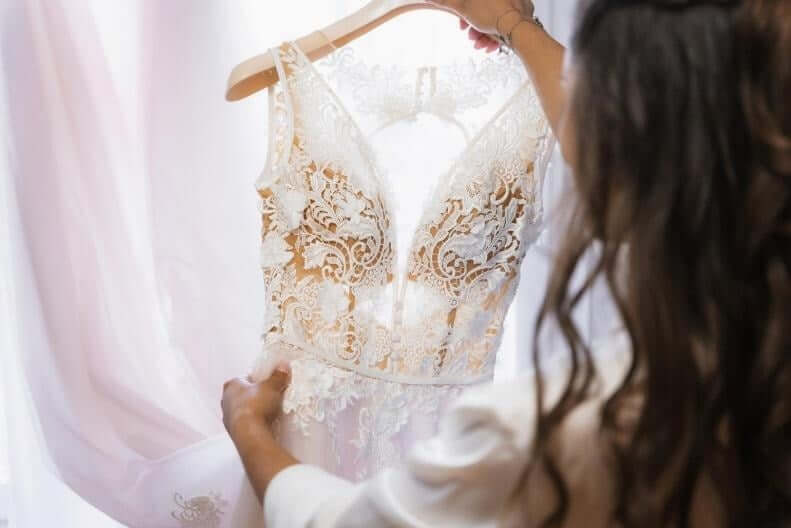
- 4. Bridal Lace Gowns: Always Professional Cleaning
- Can Lace Be Machine Washed?
- Why Heat Is Dangerous for Lace Fabric
- How to Iron or Steam Lace Without Damage
- Correct Lace Pressing Method
- How to Dry Lace Correctly
- Why Wet Lace Should Not Be Hung
- Best Drying Method for Lace
- How to Store Lace Garments Properly
- Best Practices for Lace Storage
- Warning Signs: When You Should Not Wash Lace Yourself
- B2B Insight: Why Lace Care Matters Before Production
- Lace Care by Fabric Type: Quick Professional Guide
- Conclusion: Caring for Lace Means Preserving Beauty, Memory, and Fashion Value
- FAQs
Introduction: Lace Care Is Not Just Cleaning — It Is Luxury Preservation
Lace is one of the most elegant, emotional, and technically refined fabrics in fashion. From delicate bridal gowns and couture evening dresses to luxury officewear, resort blouses, premium ready-to-wear, and occasionwear collections, lace has the rare ability to transform a garment from ordinary to memorable.
But lace is also one of the most sensitive fabrics to care for.
Unlike plain woven fabrics, lace is created through an openwork structure — a construction formed by twisting, looping, knitting, weaving, braiding, or embroidering threads into decorative patterns. These patterns may include floral motifs, vine motifs, scrollwork, geometric layouts, raised cords, embroidered surfaces, metallic threads, beads, sequins, or sheer tulle foundations.
This means lace is not simply “fabric.” It is a structure of:
fine yarns
open spaces
delicate connection points
motifs with different tension levels
embroidery layers
decorative surfaces
sometimes beads, sequins, crystals, or metallic thread
Because of this, lace responds very differently to water, heat, friction, pulling, storage, pressing, and detergents.
At United Lace, a Bangkok-based specialist in premium lace and embroidery fabrics with over 75 years of experience, we work closely with fashion designers, garment manufacturers, fabric retailers, bridal studios, and export buyers who source lace by roll for professional collections. Our role is not only to supply luxury lace and embroidery fabrics, but also to help customers understand how each fabric performs in real garments.
That is why this guide is written not only for consumers who own lace dresses, but also for fashion brands, pattern makers, bridal designers, production teams, and garment manufacturers who want to preserve the value of lace garments from design to aftercare.
For designers who want a deeper understanding of lace categories, you may also explore United Lace’s internal guide on Chantilly Lace and its role in modern fashion, as well as the technical guide to Guipure Lace for fashion designers and garment manufacturers. These are useful companion readings when selecting lace for bridalwear, occasionwear, luxury ready-to-wear, and structured fashion collections.
Why Lace Fabric Needs More Care Than Ordinary Fabric
Many people assume that lace can be treated like any other delicate garment. In reality, lace requires more controlled handling because its beauty comes from the same characteristics that make it vulnerable.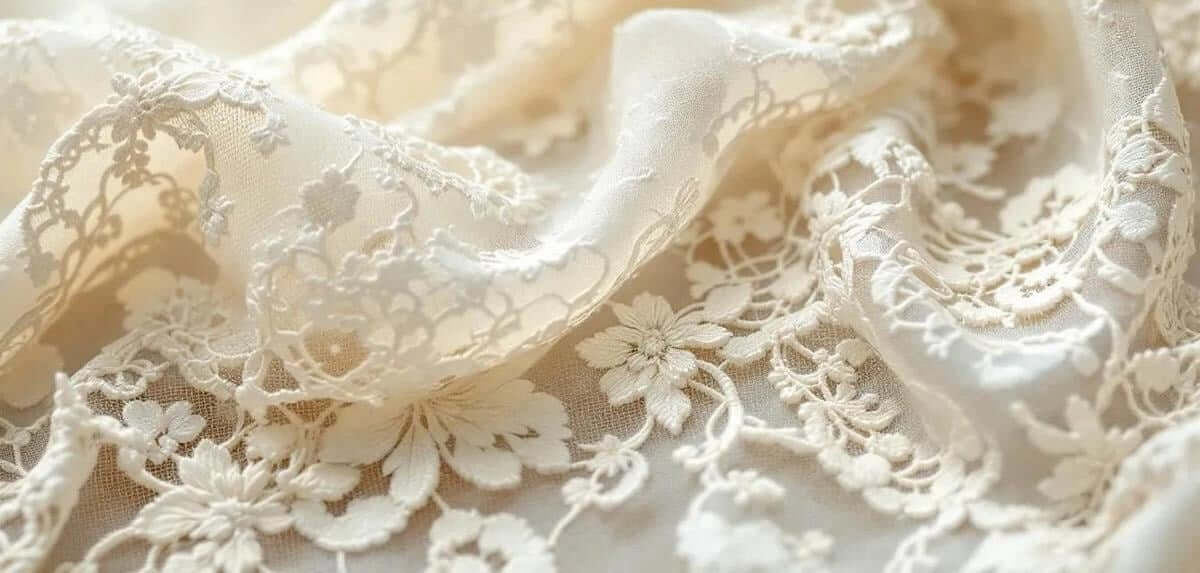
The luxury value of lace is found in its:
delicate floral motifs
fine yarn construction
raised texture
sheer ground
openwork design
embroidery density
corded outlines
dimensional appliqué
beads or sequins
metallic accents
soft drape or structured body
These details are what make lace suitable for:
bridal gowns
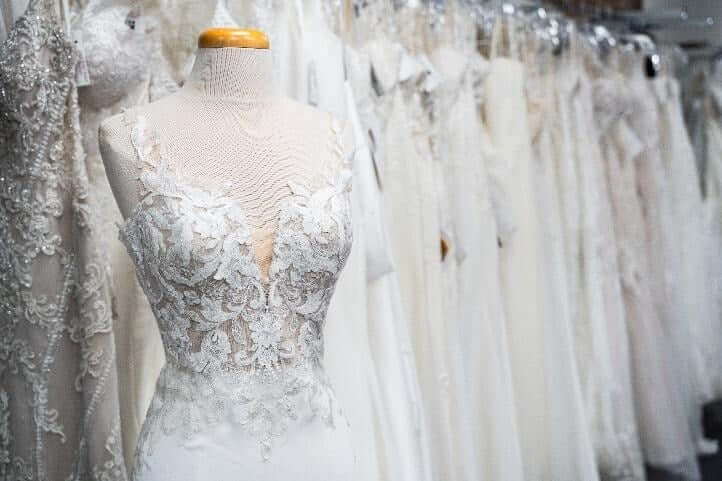
evening gowns
couture dresses
luxury officewear
resortwear
premium blouses
designer ready-to-wear
occasionwear
mother-of-the-bride dresses
Muslim fashion
modern Thai formalwear
Lace can add refinement, dimension, femininity, texture, and emotional value to a garment. However, if it is cleaned incorrectly, the same garment can quickly lose its shape, softness, color, structure, or couture appearance.
Common lace care problems include: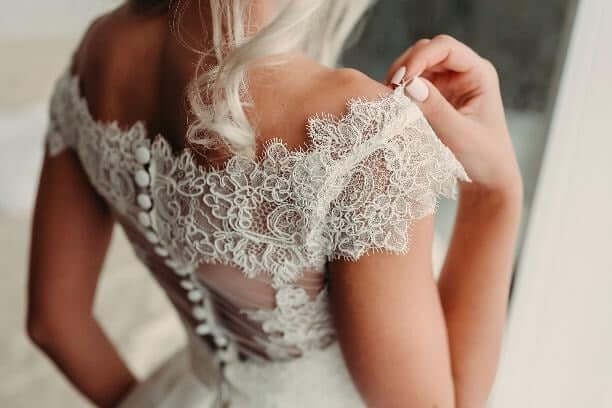
motifs becoming distorted
threads breaking
embroidery loosening
lace stretching out of shape
fabric turning yellow
texture becoming stiff
tulle shrinking
metallic thread becoming dull
beads or sequins falling off
garment structure collapsing
This is why the question should not be only: “Can lace be washed?”
The better question is:
“Which cleaning method will best preserve the structure, motif, drape, surface texture, and garment construction?”
The Common Misunderstanding: “Expensive Dress = Always Dry Clean”
One of the most common misunderstandings in lace garment care is the belief that every expensive lace garment must always be dry cleaned.
This is only partly true.
Some lace garments should absolutely be dry cleaned, especially when they contain heavy embroidery, beading, metallic thread, couture construction, boning, padding, structured lining, or complex tailoring. However, some lightweight lace garments — especially simple Chantilly Lace blouses or Cotton Lace dresses — may be better suited to careful hand washing, provided the garment has no embellishment or complex structure.
The correct care method depends on:
lace type
fiber composition
motif density
embroidery weight
embellishment
color
garment construction
lining
silhouette
value of the garment
stain type
care label instruction
For B2B buyers, this matters even before production begins. A lace fabric selected for a commercial ready-to-wear line should not only look attractive; it should also fit the intended customer’s lifestyle, cleaning expectations, and after-sales care requirements.
This is especially important for brands developing collections in hot and humid markets such as Thailand and Southeast Asia, where sweat, moisture, sun exposure, perfume, and frequent wear can affect delicate lace garments.
For more insight into lace suitability for professional production, United Lace also provides guidance on easy-to-sew lace fabrics for fashion garment manufacturers, which is especially useful for brands balancing beauty, production efficiency, and customer care expectations.
Hand Washing vs Dry Cleaning: What Is the Difference?
Before deciding how to care for each type of lace, it is important to understand the difference between hand washing and dry cleaning.
What Is Hand Washing?
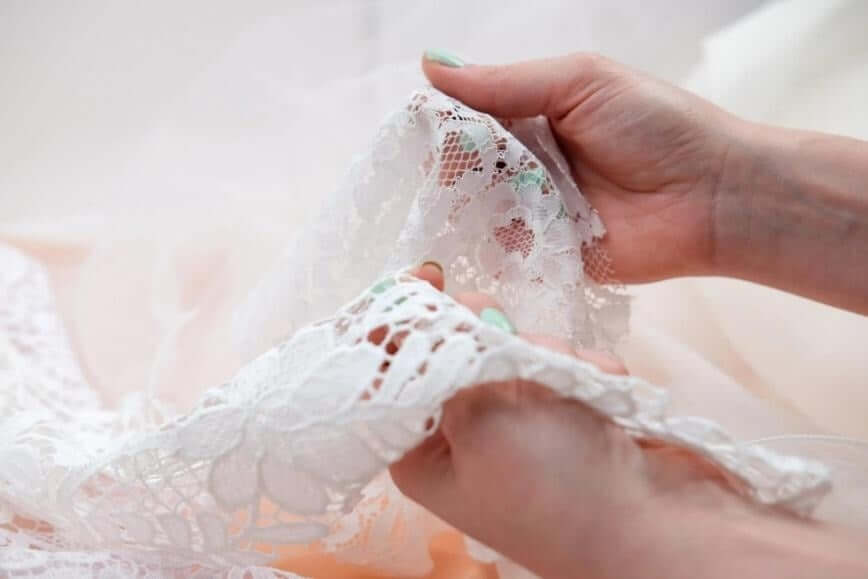
Hand washing means cleaning a garment with water, mild detergent, and very gentle movement. It is the most controlled form of washing when done correctly.
Hand washing normally uses:
cold or room-temperature water
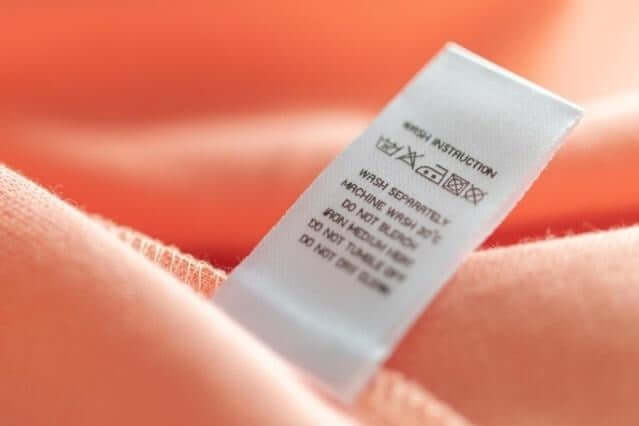
mild detergent for delicate fabrics
gentle soaking
soft movement by hand
no twisting
no scrubbing
no strong pulling
flat drying
Hand washing is suitable for lace that is:
lightweight
soft
not heavily embroidered
not beaded
not sequined
not metallic-heavy
not structurally complex
not part of a couture garment
not badly stained
The main advantage of hand washing is that the user can control pressure and movement. This reduces friction and protects the fine threads of the lace.
However, hand washing is not always safe. If the lace absorbs too much water, becomes heavy, or has weak motif connection points, it may stretch or distort if handled incorrectly.
What Is Dry Cleaning?
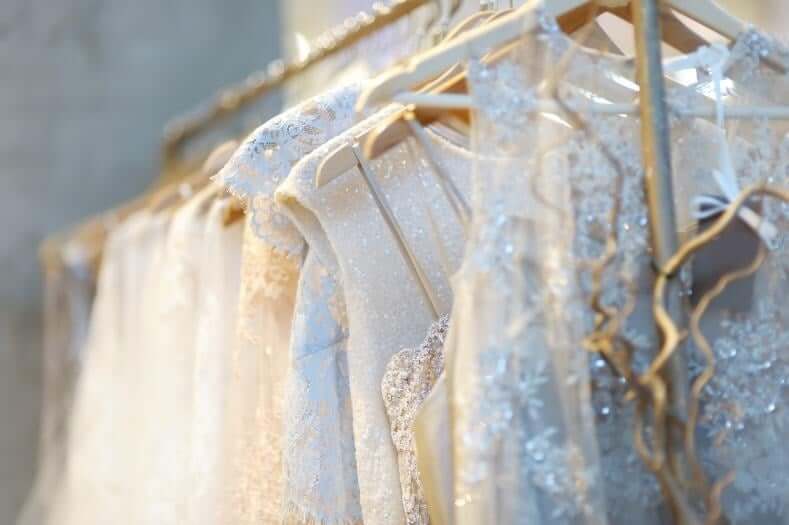
Dry cleaning is a professional cleaning process that uses specialized solvents or low-moisture systems instead of normal water washing. The goal is to clean garments while reducing the risk of shrinkage, distortion, dye bleeding, and structural collapse.
Dry cleaning is usually more suitable for:
structured dresses
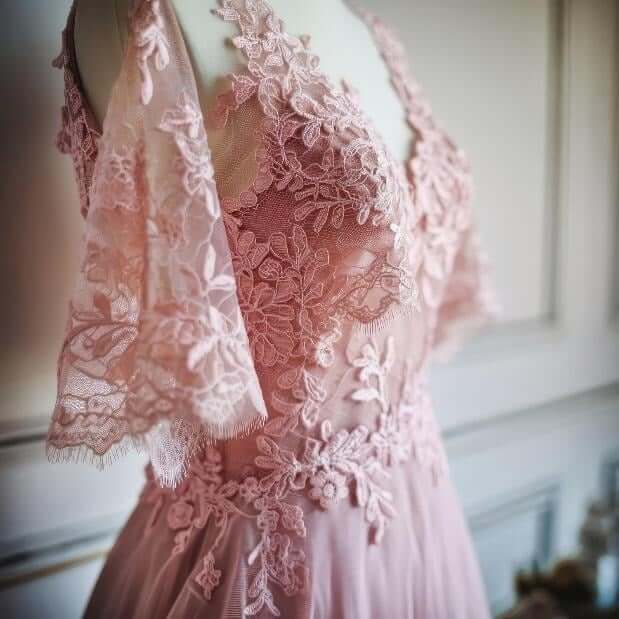
bridal gowns
evening gowns
Guipure Lace
Cord Lace
heavy embroidered lace
beaded lace
sequined lace
metallic lace
couture garments
lace garments with boning or padding
garments with multiple linings

high-value designer pieces
Dry cleaning helps preserve:
embroidery
silhouette
garment structure
raised motifs
luxury appearance
surface embellishments
For professional fashion brands, care instructions should be considered during fabric selection. A brand using beaded lace or dense Guipure Lace for premium occasionwear should clearly communicate professional cleaning recommendations to end customers.
Which Lace Fabrics Can Usually Be Hand Washed?
In general, lace fabrics that may be suitable for hand washing are light, flexible, breathable, and not overly decorated. They should not contain delicate embellishments, heavy embroidery, metallic thread, crystals, glued elements, or structured garment components.
1. Chantilly Lace: Best for Gentle Hand Washing When Unembellished
Chantilly Lace is one of the most delicate and refined lace types in fashion. It is loved for its fine floral motifs, sheer ground, lightweight hand-feel, soft drape, and romantic femininity.
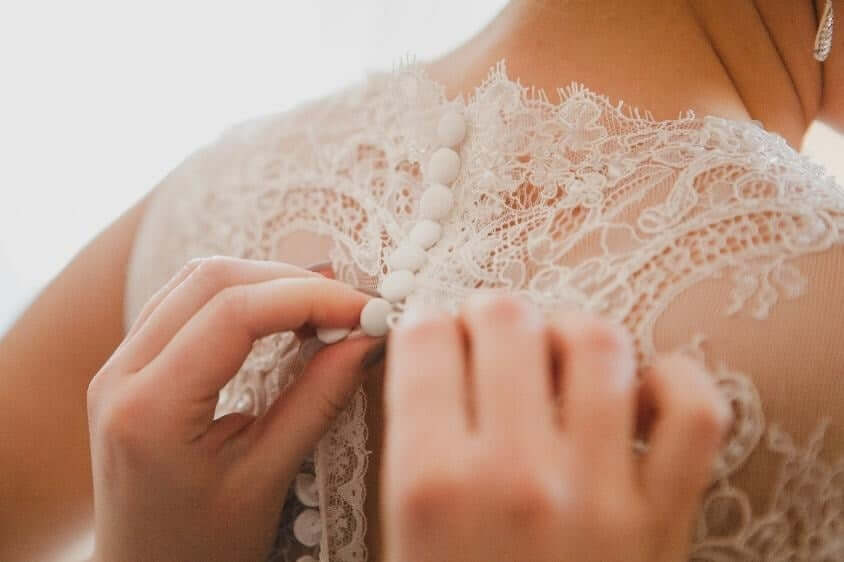
Chantilly Lace is commonly used in:
bridal gowns
evening dresses
luxury blouses
sheer sleeves
lace overlays
soft dresses
feminine ready-to-wear
Because Chantilly Lace is light and soft, it can often be hand washed if the garment is simple and unembellished.
Chantilly Lace can be hand washed when:
it is a simple blouse or dress
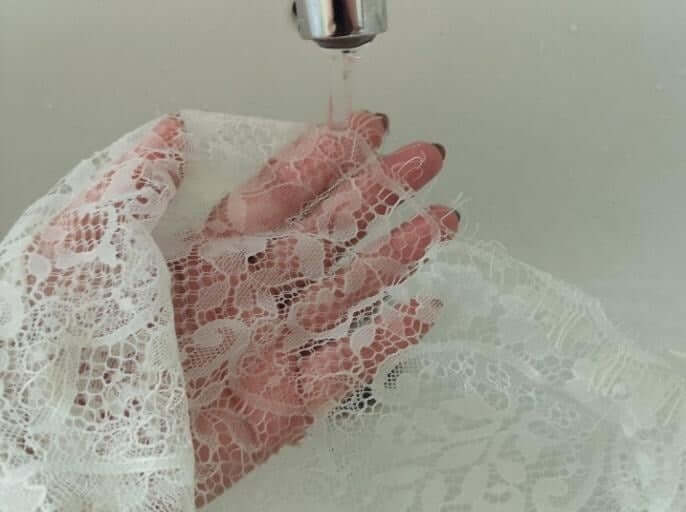
there are no beads, sequins, crystals, or pearls
there is no heavy embroidery
there is no boning or corset structure
there are no multiple lining layers
there are no heavy stains
the care label allows gentle washing
The key danger with Chantilly Lace is friction. Its fine threads can snag or break if rubbed too strongly. It should never be scrubbed, twisted, wrung, or machine washed.
How to Hand Wash Chantilly Lace Correctly
Step 1: Use cold or room-temperature water
Avoid hot water. Heat can damage delicate fibers and affect the lace’s soft drape.
Step 2: Use mild detergent
Choose detergent designed for delicate fabrics. Avoid bleach, strong stain removers, enzymes, and harsh chemicals.
Step 3: Soak briefly
Soak for around 5–10 minutes. Do not leave Chantilly Lace soaking for too long, especially if the garment has color contrast or mixed materials.
Step 4: Move gently
Press and move the garment softly in water. Do not scrub or rub the lace surface.
Step 5: Rinse carefully
Rinse with clean cool water until detergent is removed.
Step 6: Dry flat
Place the garment flat on a clean towel. Do not hang Chantilly Lace while wet, because water weight may stretch the lace.
For fashion brands working with soft bridal or eveningwear materials, this care method is essential knowledge. A delicate Chantilly Lace fabric may sell beautifully because of its soft romantic appearance, but the final garment must be constructed and cared for with the same sensitivity.
2. Cotton Lace: Suitable for Hand Washing and Tropical Fashion
Cotton Lace is generally easier to care for than many luxury lace categories. It has a natural matte texture, breathable hand-feel, and excellent suitability for warm climates.
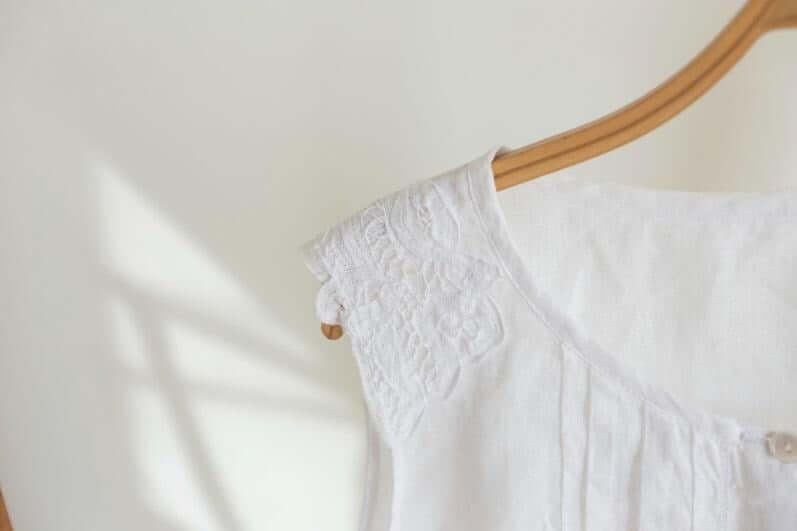
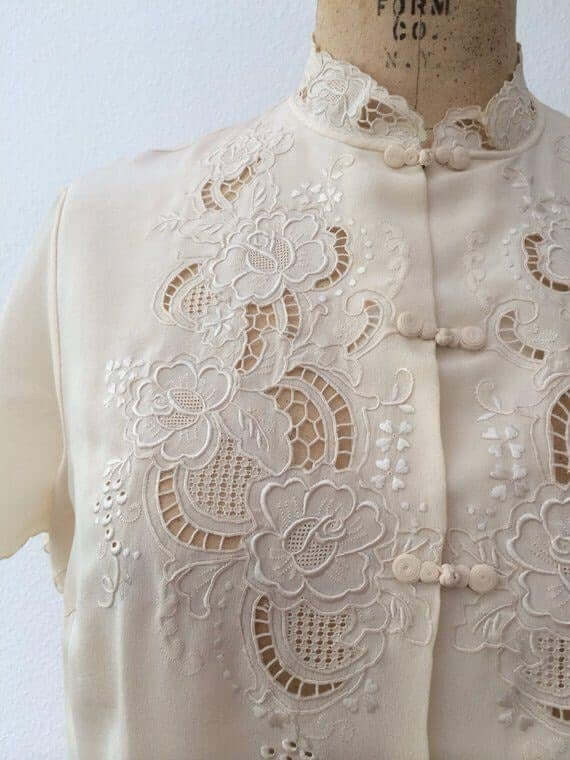
Cotton Lace is often used in:
summer dresses
office blouses
resortwear
modest fashion
casual premium tops
tropical luxury collections
children’s wear
natural-look ready-to-wear
The advantage of Cotton Lace is that it usually has more fiber stability than very fine sheer lace. It is also comfortable in hot climates such as Thailand, where breathability is highly important.
Cotton Lace is valued for:
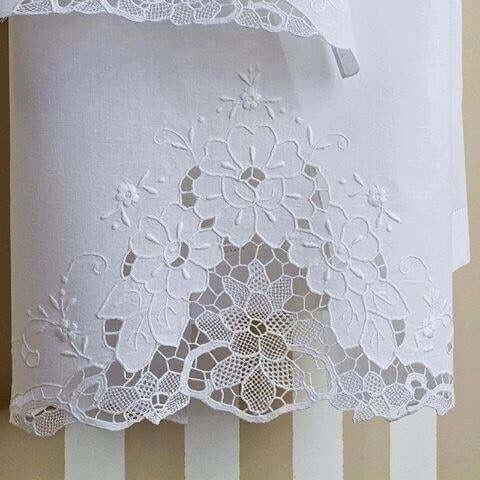
natural touch
matte appearance
breathability
comfort
soft structure
easy styling
suitability for everyday luxury
However, Cotton Lace can still shrink, distort, or lose shape if washed with hot water, strong detergent, or aggressive movement.
How to Hand Wash Cotton Lace
Use cool water
Use gentle detergent
Wash separately from dark or bleeding colors
Avoid rubbing raised motifs
Do not twist
Rinse thoroughly
Press water out gently with a towel
Reshape immediately while damp
Dry flat or on a padded hanger only when the garment is light enough
The most important step after washing Cotton Lace is reshaping. While the lace is still damp, gently adjust the neckline, sleeves, hemline, and seams back to their original structure. This helps preserve the garment’s silhouette.
Cotton Lace is especially relevant for brands creating tropical luxury fashion. For designers exploring lace in officewear, summer collections, and breathable premium ready-to-wear, United Lace’s article on Luxury Office Lace trends provides useful direction on how lace can be adapted for modern workwear collections.
Which Lace Fabrics Should Usually Be Dry Cleaned?
Some lace fabrics should not be washed at home because their structure, texture, or embellishment is too delicate. These lace types are usually better handled by professional cleaners.
1. Guipure Lace: Best Preserved Through Dry Cleaning
Guipure Lace is one of the most structured and visually powerful lace types. Unlike many sheer laces, Guipure Lace does not usually depend on a fine net ground. Instead, the motifs themselves form the structure of the fabric.
This gives Guipure Lace its bold identity:
raised patterns
dense motifs
strong texture
architectural structure
vintage elegance
premium surface dimension
high embroidery density
Guipure Lace is highly popular for:
evening gowns
formal dresses
bridal gowns
luxury skirts
structured tops
jackets
mother-of-the-bride outfits
statement fashion pieces
Because Guipure Lace has more body and weight, water can affect its shape. If soaked or handled incorrectly, the motifs may stretch, twist, flatten, or lose their original alignment.
Why Guipure Lace Should Usually Be Dry Cleaned
Dry cleaning helps: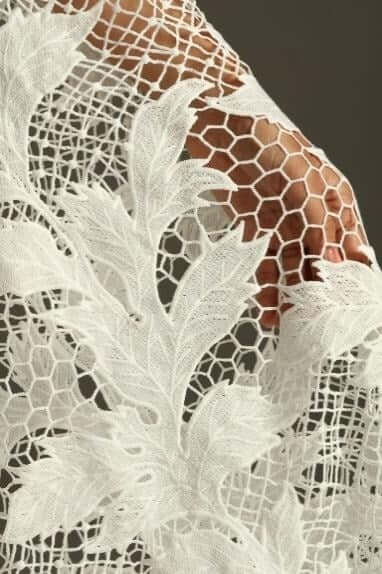
preserve raised motifs
reduce shrinkage risk
protect motif structure
prevent distortion
maintain couture appearance
preserve the garment silhouette
For B2B customers, Guipure Lace is one of the strongest choices when the design requires structure and visual impact. However, it should be paired with accurate care instructions. A garment made with Guipure Lace may look luxurious because of its density and raised motif, but poor aftercare can reduce its value quickly.
For additional technical reading, designers and manufacturers can refer to United Lace’s guide on Guipure Lace for fashion designers and garment manufacturers. This article explains why Guipure Lace is widely used for premium garments that require structure, texture, and production value.
2. Sequined Lace and Beaded Lace: Dry Clean Only
Sequined Lace and Beaded Lace are among the most glamorous lace categories, but also among the most difficult to care for.
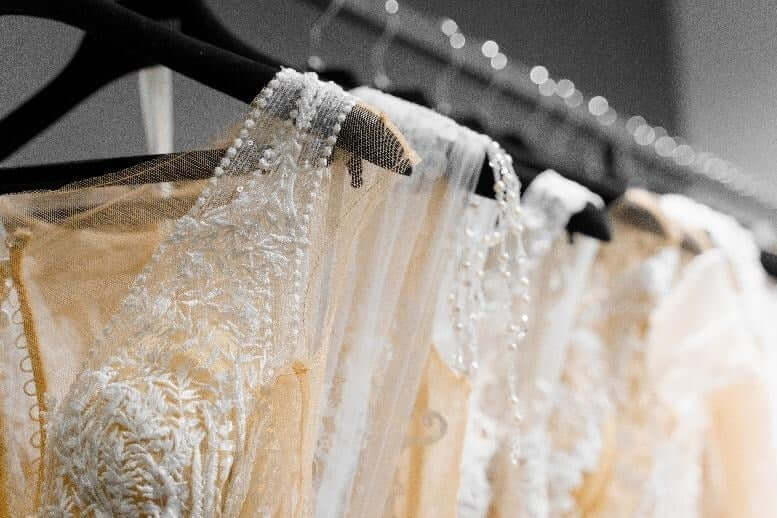
These fabrics may include:
sequins
beads
pearls
crystals
metallic thread
embroidery
glued embellishments
hand-applied decorative elements
They are commonly used in:
eveningwear
cocktail dresses
partywear
formal gowns
bridal gowns
couture fashion
occasionwear collections
These embellishments create shine, depth, and premium visual value. However, they are sensitive to water, friction, pressure, and chemicals.
Why Beaded or Sequined Lace Should Not Be Washed at Home
Home washing may cause:
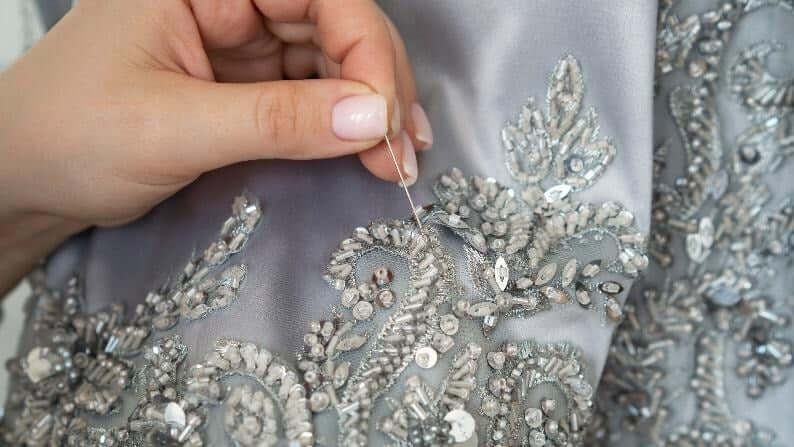
beads falling off
sequins bending or cracking
metallic thread dulling
glue weakening
embroidery loosening
motif distortion
fabric becoming heavy and stretched
color bleeding around embellishments
Machine washing should be avoided entirely. Even hand washing can be risky because beads and sequins can catch on lace threads or pull the fabric out of shape.
Professional dry cleaning is the safest option for most embellished lace garments.
3. Metallic Lace: Professional Care Recommended
Metallic Lace contains metallic yarns or metallic-effect threads that create shimmer and luxury. It is often used for eveningwear, festive fashion, occasionwear, and high-impact collection pieces.
However, metallic thread can be sensitive to:
moisture
perfume
sweat
strong detergent
heat
friction
sunlight
oxidation
If washed incorrectly, Metallic Lace may lose shine, become dull, or develop uneven surface texture.
For brands using Metallic Lace in premium fashion collections, dry cleaning is usually recommended, especially when the garment is structured or mixed with embroidery, tulle, or embellishment.
4. Bridal Lace Gowns: Always Professional Cleaning
A lace wedding gown is rarely made from one material alone. It often combines several delicate textile components.
A bridal lace gown may contain:
Chantilly Lace
Tulle Lace
embroidered lace
appliqué lace
beading
pearls
sequins
satin lining
boning
padding
corset construction
multiple skirt layers
train structure
Because of this complexity, bridal gowns should be professionally cleaned and preserved. Even if part of the gown uses soft lace that could technically be hand washed, the complete garment structure may not be safe for home cleaning.
Bridal Lace Requires Special Care Because:
white and ivory fabrics yellow easily

sweat stains may appear later
perfume and body oil can oxidize
tulle can shrink or distort
beads may loosen
embroidery can collapse
the gown silhouette must be preserved
For bridal studios and weddingwear designers, aftercare is part of the garment’s luxury value. A bridal gown is not only clothing; it carries emotional memory, photography value, and long-term preservation importance.
Can Lace Be Machine Washed?
In most cases, machine washing is not recommended for lace.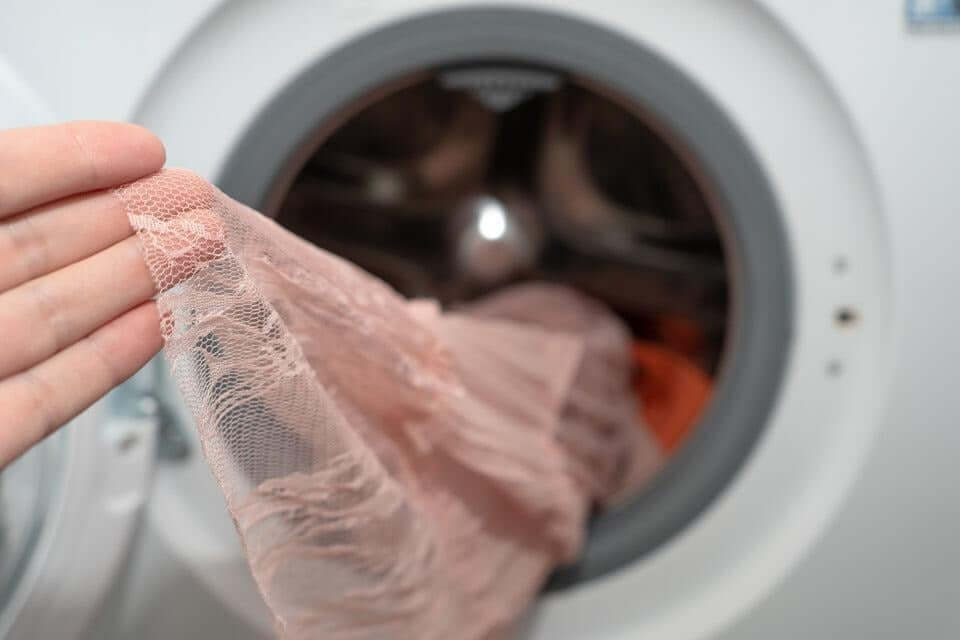
Even when a care label says “machine washable,” machine washing still carries risk because the garment is exposed to:
spinning force
friction
twisting
water weight
contact with zippers or hooks
uneven pressure
detergent concentration
heat during drying
If machine washing is absolutely necessary for a simple, non-embellished lace item, use:
cold water
delicate cycle
mild detergent
mesh laundry bag
no spin or lowest spin
no tumble dryer
no mixed washing with rough garments
However, for premium lace garments, especially those made with Chantilly, Guipure, embroidered, beaded, metallic, or bridal lace, hand washing or professional dry cleaning is far safer.
Why Heat Is Dangerous for Lace Fabric
Heat is one of the fastest ways to damage lace.
Because lace contains fine threads, openwork construction, and sometimes tulle, elastic yarn, metallic thread, embroidery, or embellishment, it can react badly to high temperature.
Heat can cause:
elastic fibers to weaken
tulle to shrink
embroidery to flatten
lace motifs to distort
fabric to become stiff
color to fade
metallic threads to dull
synthetic fibers to melt
sheer fabric to lose softness
Avoid exposing lace to:
hot water
high iron temperature
strong steam
tumble dryers
direct sunlight for long periods
high heat pressing machines
This is especially important for Stretch Lace, Tulle Lace, Embroidered Lace, and Metallic Lace.
For garment manufacturers, heat sensitivity should also be considered during production. Pressing, fusing, finishing, and packaging must be handled carefully so the lace surface remains crisp, soft, and premium.
How to Iron or Steam Lace Without Damage
One of the most common lace garment problems is damage caused by incorrect ironing.
Common ironing mistakes include: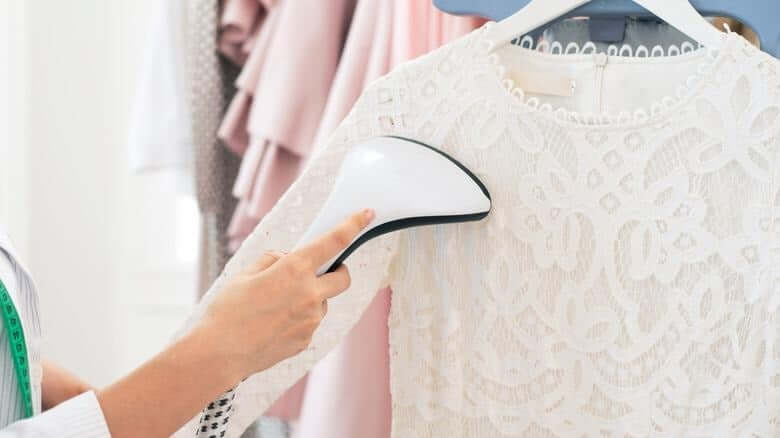
placing the iron directly on lace
using high heat
pressing raised motifs flat
using too much steam
ironing beads or sequins
flattening embroidery
creating shiny marks
shrinking tulle
The safest approach is gentle steaming or low-temperature pressing with protection.
Correct Lace Pressing Method

For light lace garments:
Turn the garment inside out if possible
Use a pressing cloth
Use low heat
Avoid direct contact with embroidery or raised motifs
Press gently instead of dragging the iron
Test on a hidden area first
For embellished lace:
Do not iron directly
Steam lightly from a distance
Avoid beads, sequins, crystals, and metallic thread
Let the garment cool before moving
For bridal or couture lace:
Use professional steaming
Avoid heavy pressure
Support the garment’s weight
Do not flatten dimensional motifs
The goal is not to make lace perfectly flat. Lace should keep its natural texture, relief, softness, and dimensional beauty.
How to Dry Lace Correctly
Drying is one of the most important steps in lace care.
Many lace garments are damaged not during washing, but during drying.
Why Wet Lace Should Not Be Hung
When lace is wet:
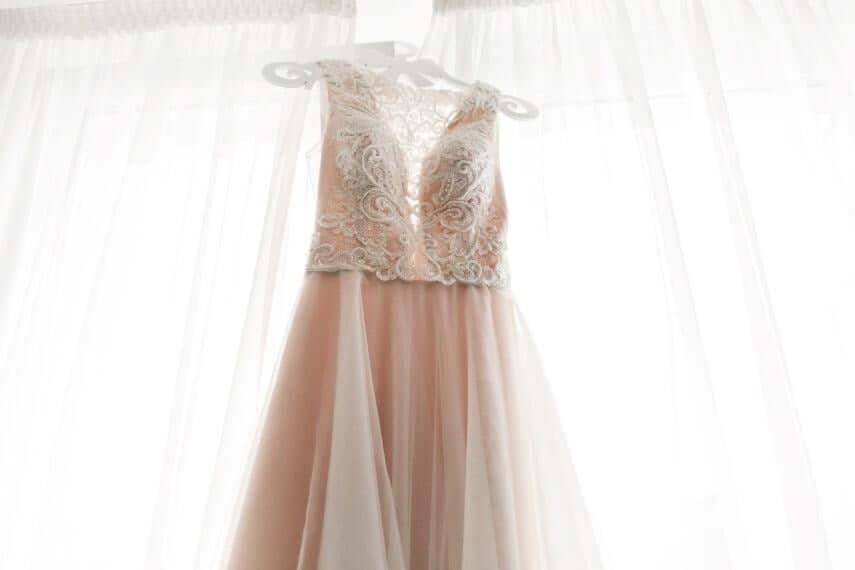
fibers become weaker
the garment becomes heavier
motif connection points carry more tension
the lace structure becomes more vulnerable
sleeves, hems, and shoulders may stretch
the garment may lose its original silhouette
This is why wet lace should usually be dried flat.
Best Drying Method for Lace
Place a clean towel on a flat surface
Lay the lace garment flat
Gently reshape the garmen
Avoid direct sunlight
Avoid tumble drying
Allow natural air drying
Turn the garment carefully if needed
Do not pull or stretch while damp
For lightweight garments, a padded hanger may be used only after most moisture has evaporated. Heavy lace garments should remain flat until completely dry.
How to Store Lace Garments Properly
Storage is a major part of lace preservation. Even a clean lace garment can become yellow, stretched, dusty, or distorted if stored incorrectly.

Best Practices for Lace Storage
1. Make sure the garment is completely dry
Never store lace while damp. Moisture can cause odor, mildew, yellowing, and fiber damage.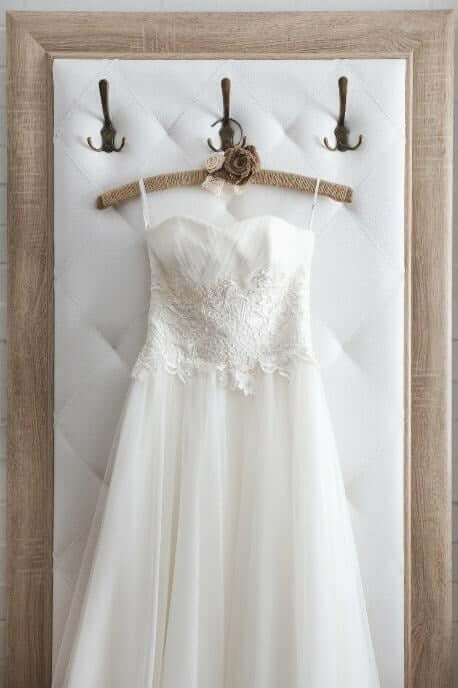
2. Avoid plastic bags for long-term storage
Plastic traps moisture and may cause yellowing, especially in white, ivory, or pastel lace garments.
3. Use breathable garment bags
Cotton or breathable garment covers are better for long-term storage.
4. Choose hangers carefully
Light lace dresses may be hung on padded hangers. Heavy lace garments should be stored flat.
5. Store heavy lace flat
Guipure Lace, beaded lace, and bridal gowns can stretch if hung for too long.
6. Avoid direct light
Sunlight and strong indoor lighting can fade color and weaken fibers.
7. Do not overpack
Lace needs space. Crushing lace garments can flatten motifs and damage embellishments.
8. Separate light and dark colors
Color transfer can occur, especially in humid climates.
9. Avoid perfume before storage
Perfume, body oil, and sweat can cause yellowing over time.
For luxury garments, storage is not an afterthought. It is part of garment value preservation.
How Luxury Brands Care for Lace
Luxury fashion houses do not treat garment care as a simple cleaning task. They understand that care is part of luxury value preservation.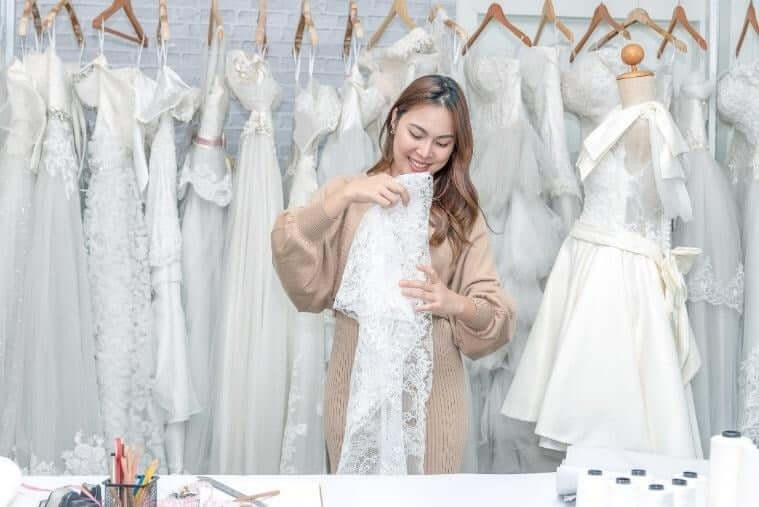
In couture and designer fashion, lace garments are often:
cleaned less frequently
aired carefully after wear
spot-treated professionally
steamed with control
stored in breathable conditions
protected from light and humidity
handled with gloves for archival pieces
repaired before damage spreads
The principle is simple:
Longevity is part of luxury.
A premium lace garment should not only look beautiful on the first day of purchase. It should maintain its motif clarity, texture, drape, color, and emotional value over time.
This is especially relevant to the current direction of quiet luxury, where refinement is expressed through material quality, restraint, construction, and longevity. For brands exploring this direction, United Lace’s article on Quiet Luxury Lace and modern premium lace fabrics is a valuable continuation of this topic.
Warning Signs: When You Should Not Wash Lace Yourself
Even if a lace garment appears washable, there are situations where home care is too risky.
You should choose professional cleaning when:

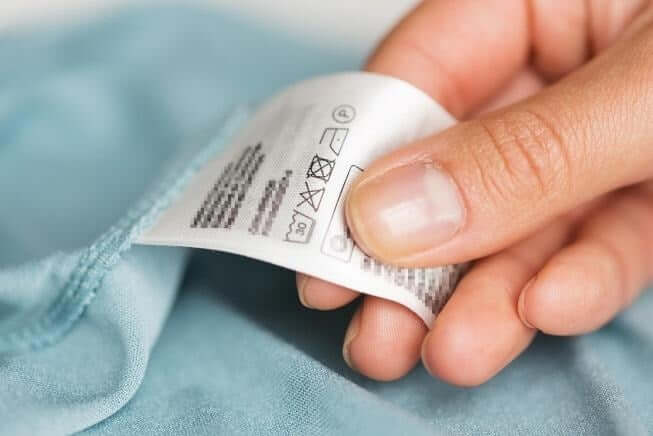
the label says “Dry Clean Only”
the garment has beads, sequins, crystals, pearls, or metallic thread
the fabric is Guipure Lace, Cord Lace, or heavy embroidered lace
the garment has boning, padding, corset structure, or complex lining
the garment is bridalwear or couture
the stain is heavy or unknown
the garment has sweat odor or long-term storage odor
the lace is white, ivory, champagne, or pastel and has begun yellowing
you do not know what type of lace it is
the garment has high financial or emotional value
Professional cleaning is not only about removing dirt. It is about reducing the risk of permanent damage.
B2B Insight: Why Lace Care Matters Before Production
For designers, garment manufacturers, and fashion brands, lace care should not be considered only after the product is sold. It should influence fabric selection from the beginning.
A brand should ask:
Will the final customer hand wash this garment?
Is professional dry cleaning acceptable for this price point?
Is this lace suitable for frequent wear?
Will the motif stretch after washing?
Does the fabric match the garment’s silhouette?
Will the lace survive pressing during production?
Is the lace suitable for Thailand’s hot and humid climate?
Does the lace support repeat production and customer satisfaction?
For example:
Chantilly Lace works beautifully for soft, romantic garments but needs gentle care.
Cotton Lace is suitable for breathable, tropical-friendly ready-to-wear.
Guipure Lace creates structure and premium surface value but usually requires dry cleaning.Beaded Lace gives high luxury impact but needs professional cleaning.
Metallic Lace suits eveningwear but requires careful storage and low heat.
Tulle Lace gives lightness and volume but can shrink or distort under heat.
At United Lace, our B2B consultation helps customers choose lace not only by appearance, but also by garment use, market position, production practicality, and care expectations. This is especially important for fashion brands sourcing lace fabrics in bulk, where consistency, repeatability, and customer satisfaction directly affect commercial success.
For brands building a strategic sourcing approach, United Lace’s guide on fabric sourcing for professional designers explains why a premium lace supplier should act as a quality partner, not only a fabric vendor.
Lace Care by Fabric Type: Quick Professional Guide
Lace Type | Recommended Care | Key Risk | Best Use |
|---|---|---|---|
Chantilly Lace | Gentle hand wash if unembellished | Snagging, stretching | Bridal, soft dresses, blouses |
Cotton Lace | Hand wash | Shrinkage, shape distortion | Resortwear, officewear, tropical fashion |
Guipure Lace | Dry clean | Motif distortion, structure loss | Eveningwear, structured garments |
Tulle Lace | Hand wash or dry clean depending on garment | Heat shrinkage, tearing | Bridal, layering, sheer details |
Beaded Lace | Dry clean only | Beads falling, embroidery damage | Eveningwear, couture |
Sequined Lace | Dry clean only | Sequins bending, thread damage | Partywear, occasionwear |
Metallic Lace | Professional cleaning recommended | Dulling, heat damage | Luxury eveningwear |
Bridal Lace | Professional cleaning | Yellowing, structure collapse | Wedding gowns |
Stretch Lace | Gentle hand wash if simple | Elastic damage | Fitted garments, comfortwear |
Embroidered Lace | Dry clean if heavy embroidery | Thread loosening | Formalwear, premium garments |
Conclusion: Caring for Lace Means Preserving Beauty, Memory, and Fashion Value
Lace care is more important than many people realize because lace is both beautiful and vulnerable. It carries texture, craftsmanship, motif detail, emotional value, and luxury identity in one fabric.
When lace is cared for correctly, it can remain:
soft
elegant
dimensional
clear in motif
beautiful in silhouette
fresh in color
luxurious in texture
valuable over time
But when lace is cleaned incorrectly, damage can happen quickly — and sometimes permanently.
The most important principle is simple:
Understand the type of lace first, then choose the correct care method.
A simple Chantilly Lace blouse may be suitable for careful hand washing. A Cotton Lace dress may respond well to gentle washing and reshaping. But a Guipure Lace evening dress, beaded lace gown, metallic lace garment, or bridal lace dress should usually be professionally cleaned.
For fashion designers, garment manufacturers, bridal studios, and fabric retailers, this knowledge is commercially important. Care affects customer satisfaction, garment longevity, brand reputation, and perceived value.
At United Lace, we believe lace is more than decoration. It is a design language, a textile investment, and a signature of luxury. With over 75 years of expertise in lace and embroidery fabrics, United Lace supports designers, brands, retailers, and manufacturers with premium lace selection, technical fabric knowledge, and B2B sourcing guidance.
To explore premium lace and embroidery fabrics for your next collection, contact United Lace.
We supply fashion brands and garment manufacturers across Thailand and worldwide.
LINE Official: @unitedlace
Instagram: @unitedlace
Bangkok Showroom: By Appointment
FAQs
Q1: Can lace fabric be machine washed?
In most cases, lace fabric should not be machine washed. Even if the care label allows machine washing, the spinning motion, friction, and water weight may damage the lace structure. For premium lace garments, hand washing or professional dry cleaning is safer.
Q2: Should lace be hand washed or dry cleaned?
It depends on the lace type, garment construction, embellishment, and fabric weight. Simple Chantilly Lace or Cotton Lace garments may be hand washed carefully, while Guipure Lace, beaded lace, sequined lace, metallic lace, and bridal lace should usually be dry cleaned.
Q3: Can Chantilly Lace be hand washed?
Yes, Chantilly Lace can often be hand washed if it is lightweight, unembellished, and not part of a structured garment. Use cold water, mild detergent, gentle movement, and flat drying.
Q4: Why should Guipure Lace be dry cleaned?
Guipure Lace has raised motifs and a dense structure. Water and pulling can distort its shape. Dry cleaning helps preserve its texture, structure, and couture appearance.
Q5: Can I use hot water on lace?
No. Hot water can damage lace fibers, shrink tulle, weaken elastic, flatten embroidery, fade color, and make the fabric stiff.
Q6: How should lace be dried?
Lace should usually be dried flat on a clean towel. Hanging wet lace can stretch the garment because the water weight pulls on delicate motif connections.
Q7: Can lace be ironed?
Lace can be pressed only with great care. Use low heat, a pressing cloth, and avoid direct pressure on raised motifs, beads, sequins, or embroidery. Gentle steaming from a safe distance is often better.
Q8: Why does lace turn yellow after storage?
Lace may turn yellow because of sweat, perfume, body oil, humidity, sunlight, plastic storage bags, or storing the garment before it is fully dry.
Q9: Should lace dresses be hung or folded?
Light lace garments may be hung on padded hangers, but heavy lace garments such as Guipure Lace, beaded lace, or bridal gowns should often be stored flat to prevent stretching.
Q10: Can perfume damage lace?
Yes. Perfume contains alcohol and oils that may cause yellowing, dull metallic threads, stain embroidery, or weaken delicate fibers. It is better to apply perfume before dressing and avoid spraying directly on lace.

 |  |  |  |  |
#unitedlace #lace #embroidery #cottonlace #drylace #frenchlace #eyelet #chantillylace #lacewholesale #fancylacefabric #lacewholesaleonline #multicolor #tencel #cotton #guipure #wholelacesupplier #lacesupplier #lacecharacteristic #laceproperties #innovation #ecofriendly