Table of Contents
- Lace Dress Styles That Make You Look Slimmer and Taller: The Science of Luxury Fashion Engineering
- Why Lace Can Transform Body Proportions
- The effectiveness of these techniques depends heavily on selecting the appropriate lace category.
- Vertical Lace Motifs: The Secret Behind a Taller Appearance
- Lace Motifs That Create a Slimming Effect
- Color Psychology and the Slimming Power of Lace
- Quiet Luxury and Minimal Color Direction
- Within this trend, lace colors dominating premium collections include:
- The Best Lace Types for a Slimmer and Taller Look
- Chantilly Lace: The Most Elegant Slimming Lace
- Chantilly Lace works exceptionally well for:
- Guipure Lace: Structured Luxury with Strong Shape Definition
- This creates powerful visual contouring.
- Tulle Lace: Movement and Controlled Transparency
- Cotton Lace: Tropical Luxury for Modern Markets
- Silhouettes That Create a Taller and Slimmer Appearance
- Empire Waist Lace Dresses
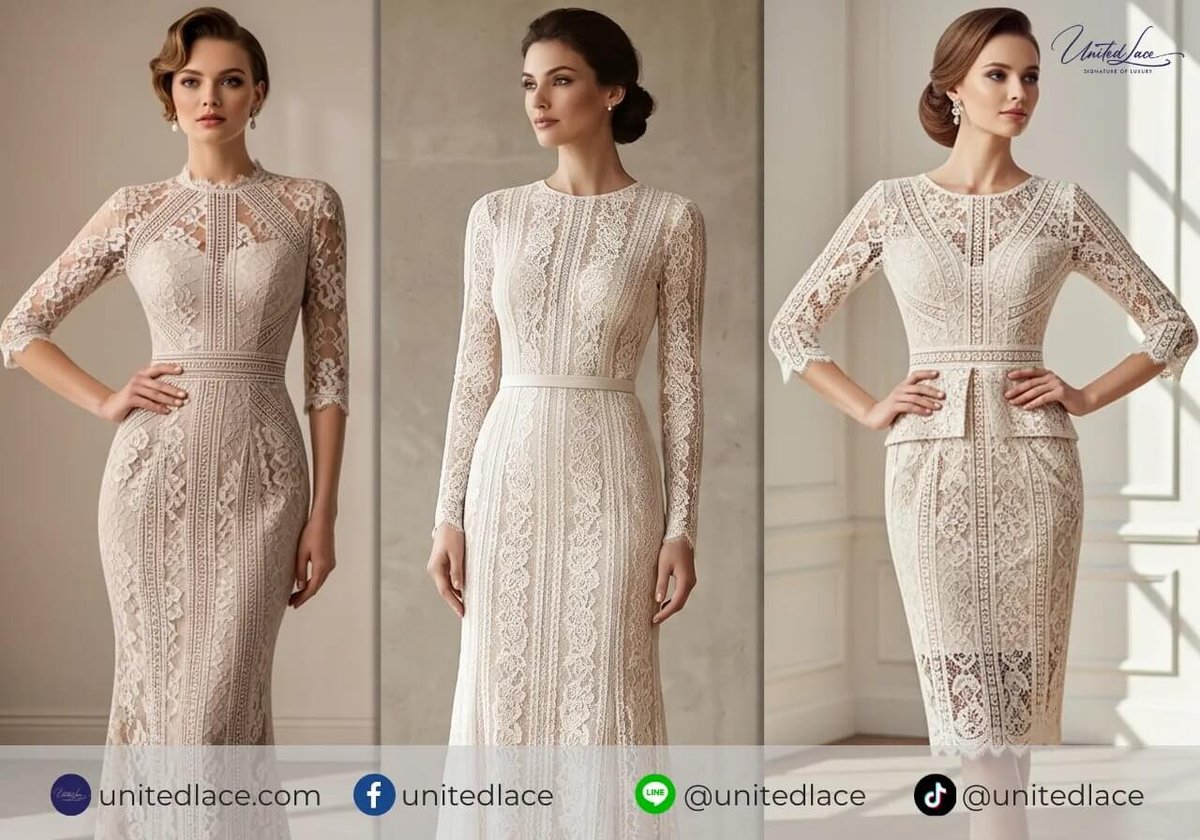
- Column Lace Dresses
- uxury Fashion Techniques Using Panel Lace Construction
- Side Panel Illusion
- Styling Techniques That Make Lace Look More Expensive
- Minimal Accessories
- Proper Foundation Garments
- Fashion Fabric Trends 2026: The Future of Lace
- Controlled Transparency
- Why Fashion Brands Continue Investing in Lace
- Buyer Tips for Designers and Garment Manufacturers
- FAQs
Lace Dress Styles That Make You Look Slimmer and Taller: The Science of Luxury Fashion Engineering
In luxury fashion, lace is far more than a decorative textile. It is a strategic design element capable of transforming silhouette perception, enhancing body proportions, and elevating the overall sophistication of a garment.
For decades, lace has been associated with femininity, romance, and couture craftsmanship. Yet within contemporary fashion — especially in the evolving landscape of luxury ready-to-wear and eveningwear — lace has become one of the most powerful tools for visual engineering.
When selected correctly, the right lace structure, motif scale, transparency level, and silhouette can create the illusion of a taller, slimmer, and more refined figure.
This is why premium designers, couture ateliers, and luxury garment manufacturers continue to invest heavily in lace fabric for evening gowns and elevated womenswear collections.
At United Lace, decades of expertise in lace and embroidery sourcing have demonstrated that successful lace fashion is never accidental. Every motif direction, texture density, and drape behavior contributes to how the body is visually perceived.
In this editorial guide, we explore:
- Which lace motifs create a slimming effect
- How silhouette engineering influences body proportions
- Why color direction affects elegance and visual balance
- The types of lace preferred by luxury fashion houses
- Fashion fabric trends 2026 shaping the future of lace
- How brands and designers can apply these principles commercially
Why Lace Can Transform Body Proportions
Unlike conventional woven fabrics, lace possesses unique structural properties that interact dynamically with the human silhouette.
Key characteristics include:
- Openwork construction
- Intricate motifs
- Layered transparency
- Texture variation
- Pattern density
- Directional embroidery
Together, these elements create what fashion designers call optical shaping — visual effects that influence how the body appears without altering the body itself.
Luxury brands frequently use lace to:
- Reduce visual width
- Extend vertical proportion
- Define the waistline
- Soften body contours
- Add movement and fluidity
- Create a refined silhouette
The effectiveness of these techniques depends heavily on selecting the appropriate lace category.
Among the most commercially influential options are:
- Chantilly Lace
- Guipure Lace
- Tulle Lace
- French Lace
- Cotton Lace
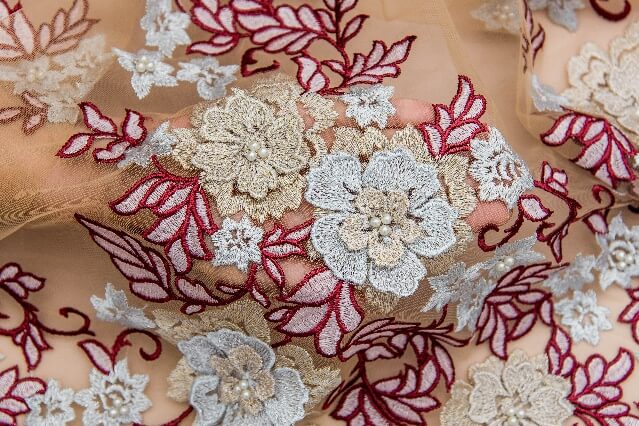
- Embroidered Lace
For brands involved in fabric sourcing for designers, understanding these structural differences is essential for product positioning and garment success. Designers looking for a deeper technical understanding of lace categories may also explore the United Lace editorial, “Ultimate Guide to Chantilly Lace for Luxury Fashion,” which explains how lightweight floral lace structures influence drape, transparency, and couture-level movement in luxury garments.
Vertical Lace Motifs: The Secret Behind a Taller Appearance
One of the most widely used techniques in couture fashion is motif direction control.
In luxury garment development, the orientation of lace motifs significantly impacts perceived body proportions.
Lace Motifs That Create a Slimming Effect
The most effective slimming motifs include:
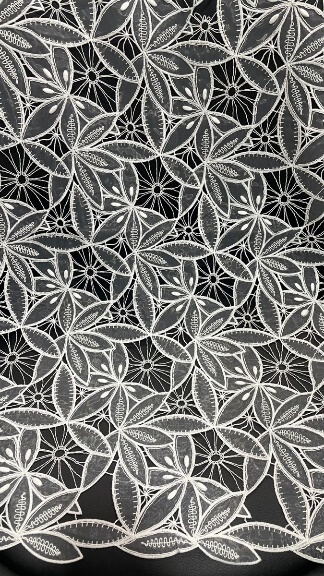
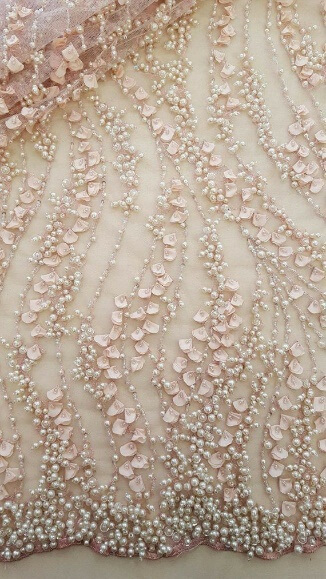
- Linear embroidery layouts
- Narrow panel motifs
- Elongated geometric repeats
- Symmetrical directional embroidery
These patterns naturally guide the eye upward and downward rather than horizontally.
As a result, they:
- Lengthen the body visually
- Reduce perceived width
- Enhance elegance
- Create a streamlined silhouette
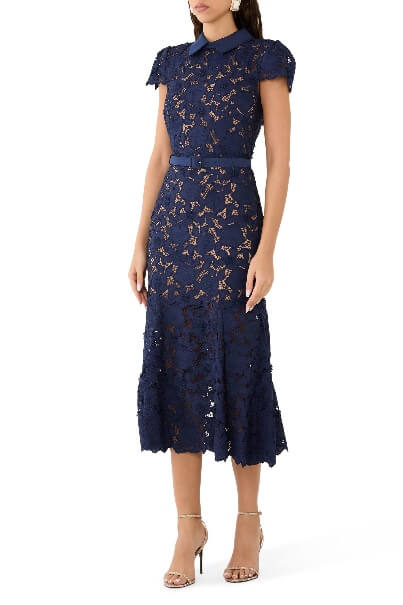
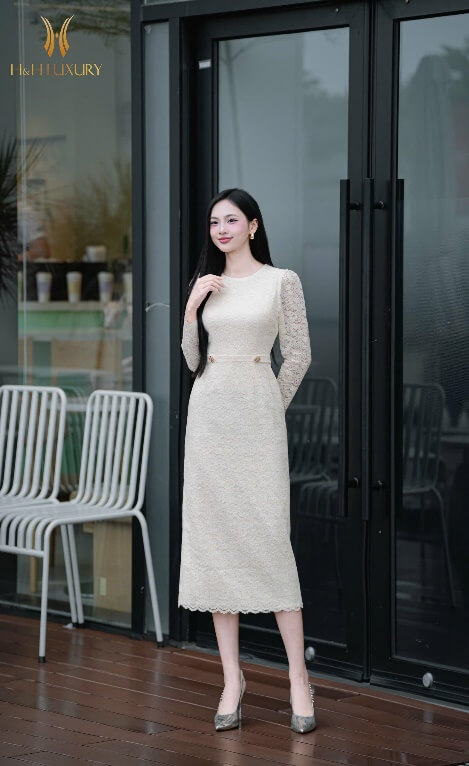 This technique is frequently used in couture lace embroidery styles because it delivers visual sophistication without requiring aggressive tailoring.
Motifs to Avoid
Some lace patterns unintentionally increase visual volume.
Examples include:
- Oversized floral motifs
- Dense all-over lace placement
- Horizontal motif layouts
- Wide floral spreads
- Heavy clustered embroidery
These designs may shorten visual proportions and create a broader appearance.
For petite consumers or structured eveningwear, motif scale control becomes especially important.
At United Lace, many commercial collections are curated specifically to help brands balance motif scale with garment silhouette — an essential factor in premium womenswear manufacturing.
Color Psychology and the Slimming Power of Lace
In luxury fashion, color is not merely aesthetic. It directly influences visual weight perception.
Dark Luxury Palettes
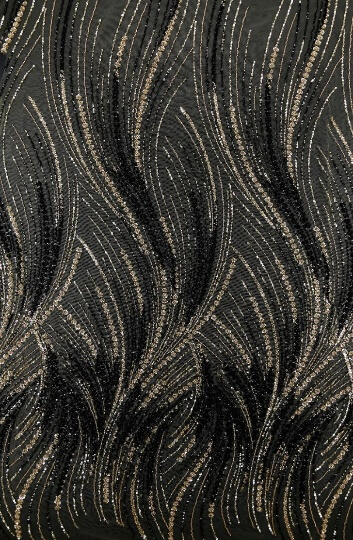
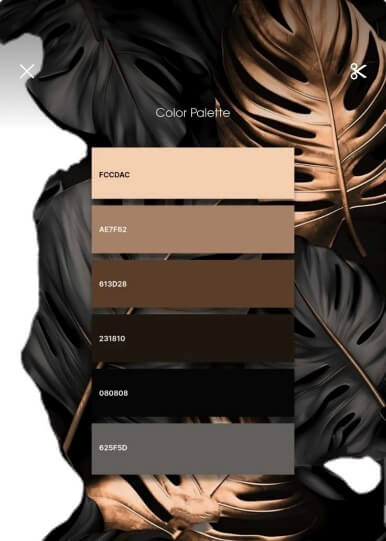
One of the most effective slimming strategies is the use of deep tonal palettes.
- Black
- Navy
- Charcoal
- Deep Burgundy
- Emerald
- Chocolate Brown
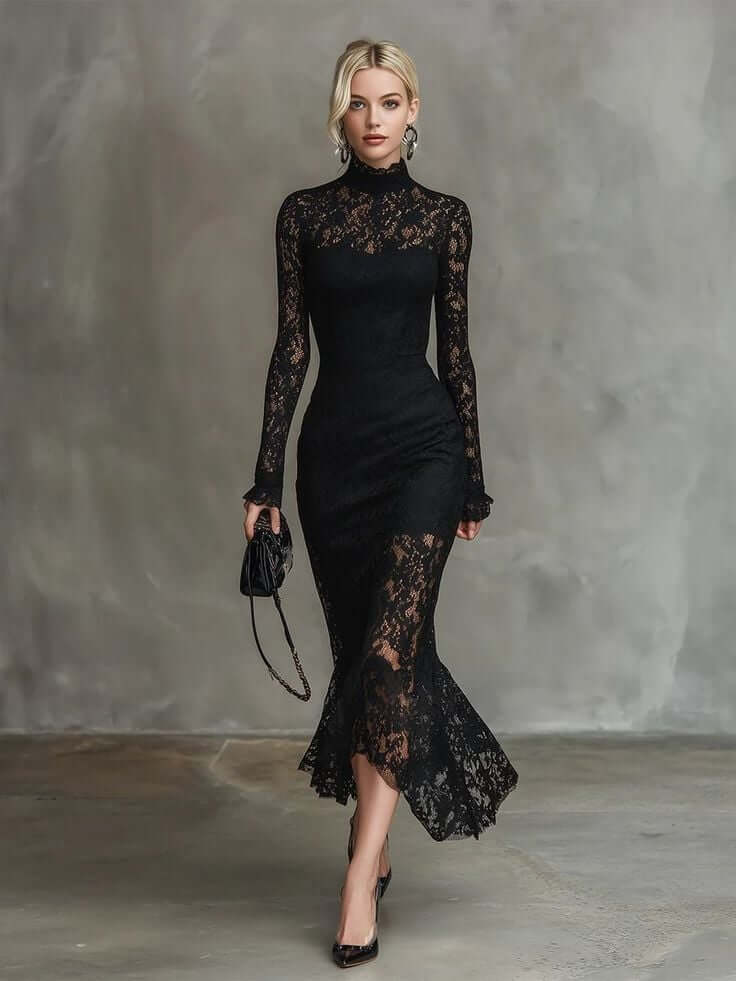
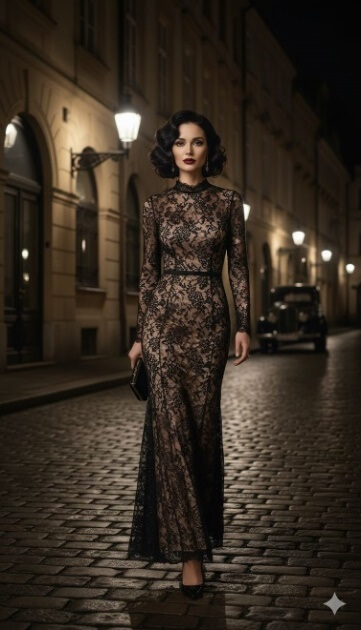
In lace garments, darker tones create:
- Cleaner body lines
- Increased sophistication
- Stronger structure definition
- Elevated eveningwear appeal
This is particularly important for lace fabric for evening gowns, where elegance and body contouring work together.
Quiet Luxury and Minimal Color Direction
Among the strongest fashion fabric trends 2026 is the rise of Quiet Luxury. This movement is explored further in the United Lace feature “Quiet Luxury Fashion and the Rise of Minimal Lace,” where minimalist texture, refined tailoring, and understated embellishment are examined as key drivers of contemporary luxury fashion.
This movement prioritizes:
- Minimal branding
- Exceptional fabric quality
- Precision tailoring
- Sophisticated texture
- Restrained elegance
Within this trend, lace colors dominating premium collections include:
- Ivory
- Champagne
- Black
- Navy
- Soft taupe
- Smoky neutrals
Rather than relying on excessive embellishment, luxury brands are emphasizing texture sophistication and refined silhouette engineering.
The Best Lace Types for a Slimmer and Taller Look
Not all lace behaves the same way.
Each lace category creates a different interaction between movement, body contour, and garment structure.
Chantilly Lace: The Most Elegant Slimming Lace
Among all lace categories, Chantilly Lace remains one of the most favored by luxury fashion houses.
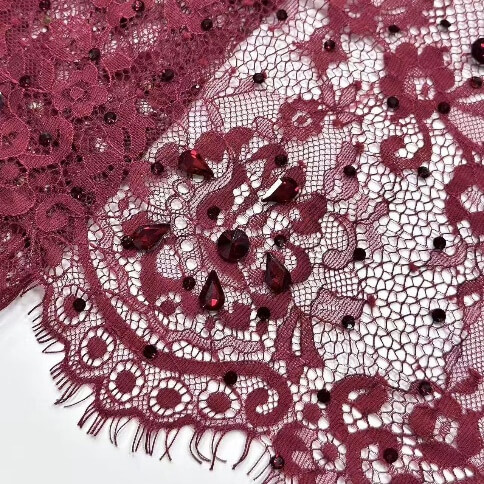
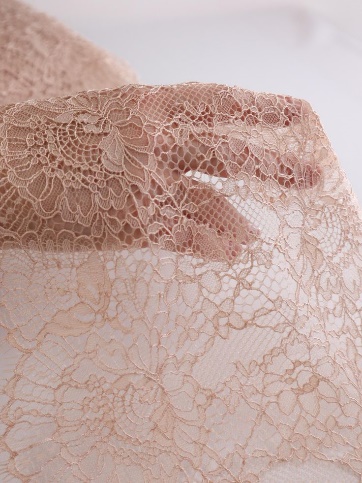
Its defining characteristics include:
- Delicate floral motifs
- Lightweight transparency
- Soft drape
- Airy movement
- Fine detailing
Chantilly Lace works exceptionally well for:
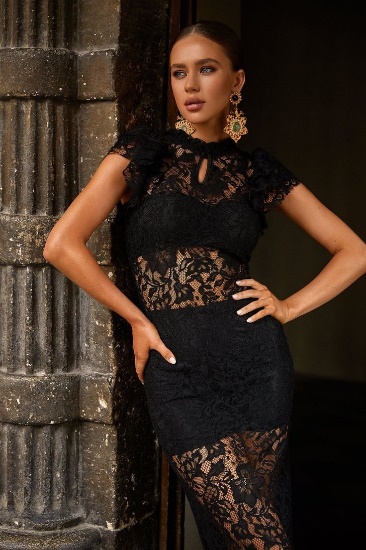 Evening dresses
- Luxury blouses
- Bridalwear
- Romantic tailoring
- Feminine occasionwear
Because the fabric appears visually light, it softens silhouette edges and creates a refined, elongated effect.
For brands focused on elevated elegance, Chantilly remains one of the most commercially versatile materials available through premium lace supplier Bangkok specialists such as United Lace.
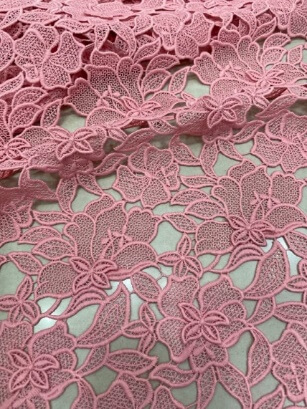
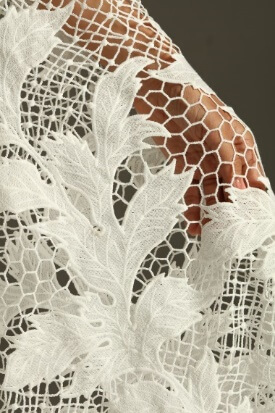
Guipure Lace offers a dramatically different visual effect.
Unlike Chantilly, Guipure features:
- Raised motifs
- Dense structure
- Strong texture definition
- No net background
- Architectural patterning
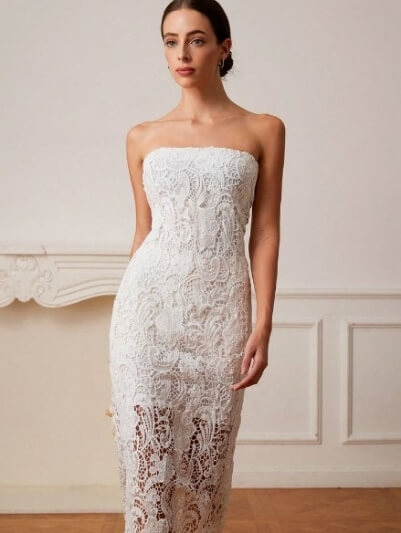
This creates powerful visual contouring.
Guipure is ideal for:
- Tailored dresses
- Structured eveningwear
- Luxury officewear
- Couture silhouettes
- Fashion-forward collections
The fabric naturally enhances waist definition and body structure.
For brands developing statement collections, Guipure lace for brands remains one of the most commercially impactful lace categories. The article “Guipure Lace for Structured Eveningwear Collections” also explores how structured lace motifs are increasingly used in sculptural eveningwear, tailored dresses, and couture-inspired occasionwear.
Tulle Lace: Movement and Controlled Transparency
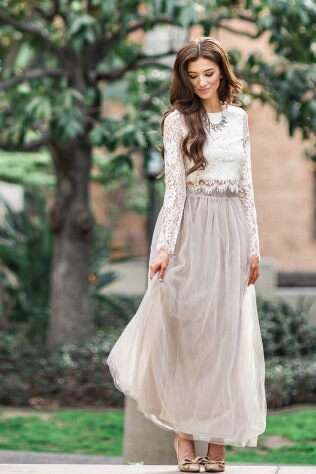
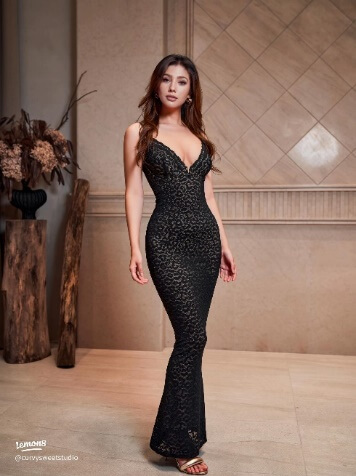
Tulle Lace is among the most important materials in modern luxury layering.
Its ultra-light transparency allows designers to create:
- Sheer sleeves
- Illusion necklines
- Soft layering
- Floating movement
- Dimensional styling
This category plays a major role in Controlled Transparency — one of the defining couture lace embroidery styles emerging in fashion fabric trends 2026.
The effect is especially powerful because it softens body lines while preserving sophistication.
Cotton Lace: Tropical Luxury for Modern Markets
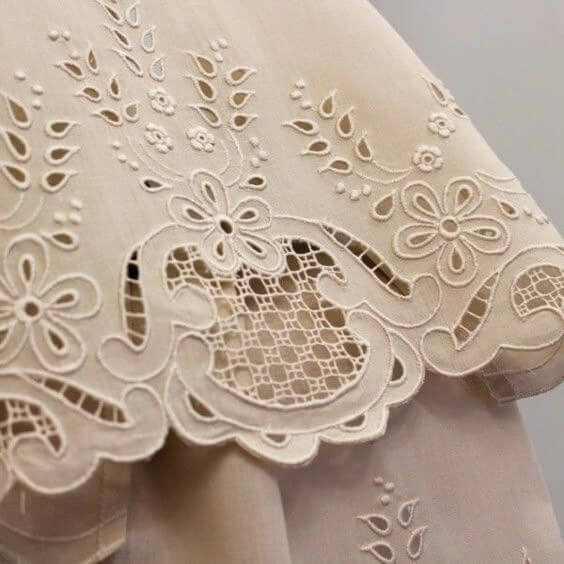
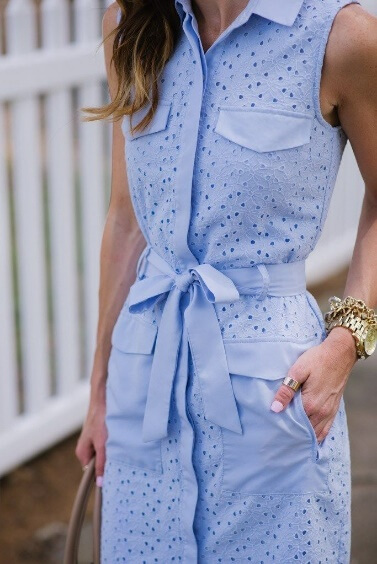
Cotton Lace has become increasingly important in contemporary luxury fashion due to climate adaptability and understated elegance.
Key benefits include:
- Breathability
- Matte sophistication
- Comfortable wearability
- Soft natural texture
- Tropical suitability
Cotton Lace performs particularly well in:
- Resortwear
- Elevated casualwear
- Office fashion
- Southeast Asian markets
For Thailand fabric wholesale markets and tropical luxury brands, Cotton Lace offers both commercial practicality and premium appeal. Readers interested in climate-adapted luxury textiles can further explore “Tropical Luxury Textiles for Modern Womenswear Brands,” which discusses breathable constructions, lightweight embroidery, and resort-ready fabric innovation for Southeast Asian markets.
Silhouettes That Create a Taller and Slimmer Appearance
Even the most luxurious lace cannot compensate for an unsuitable silhouette.
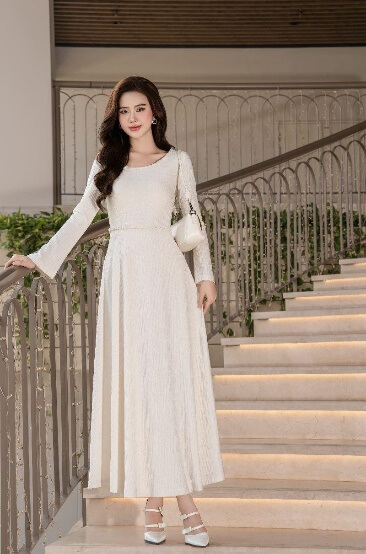
Silhouette engineering remains one of the most critical components in luxury garment design.
A-Line Lace Dresses
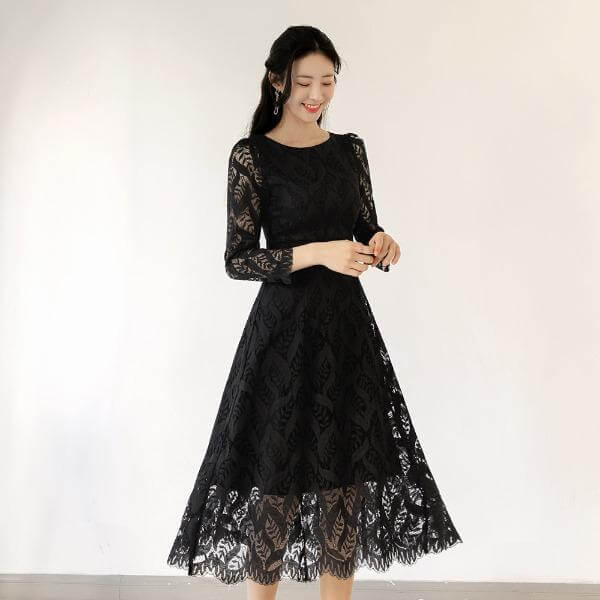
A-Line silhouettes remain universally flattering because they:
- Define the waist
- Balance hip proportions
- Create softness
- Extend leg appearance
Ideal for:
- Petite body types
- Pear shapes
- Curvier figures
This silhouette is especially effective when paired with lightweight Chantilly or soft embroidered lace.
Empire Waist Lace Dresses
Empire cuts visually reposition the waistline higher on the body.
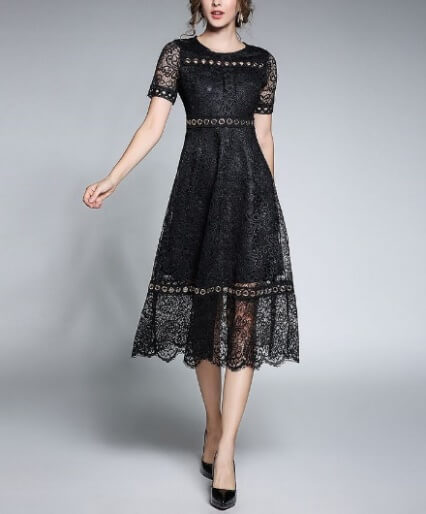
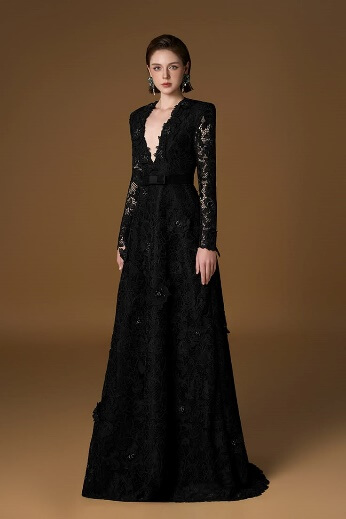
This technique:
- Draws attention upward
- Extends lower body proportion
- Softens the midsection
- Creates graceful movement
Particularly effective for:
- Petite figures
- Short torsos
- Soft romantic styling
Column Lace Dresses
Column silhouettes represent modern luxury minimalism.
Their clean vertical structure creates:
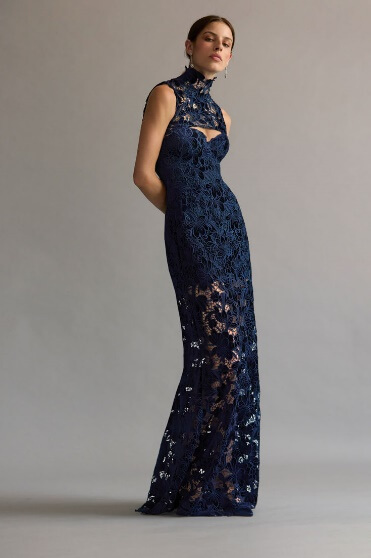
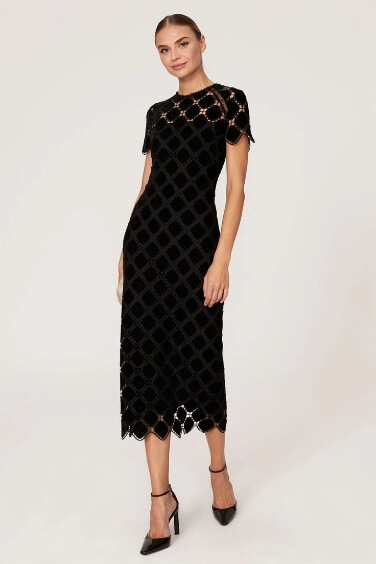
Height enhancement
- Streamlined elegance
- Contemporary sophistication
These styles are widely used in:
- Minimalist eveningwear
- Executive womenswear
- Modern couture collections
When combined with monochromatic lace, the result becomes exceptionally refined.
uxury Fashion Techniques Using Panel Lace Construction
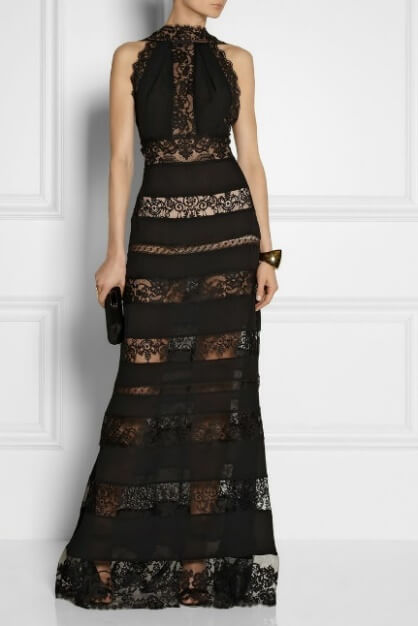
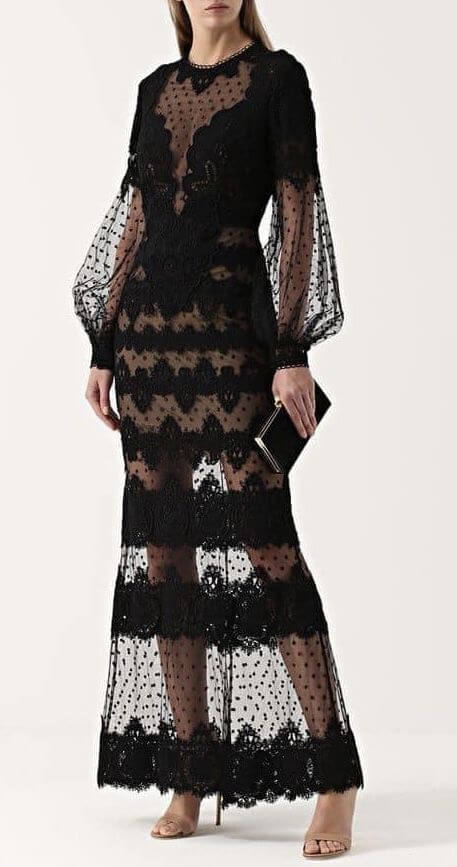
Global luxury brands frequently use Panel Lace Engineering to sculpt body proportions.
Instead of applying lace uniformly, designers strategically place motifs to create contour illusions.
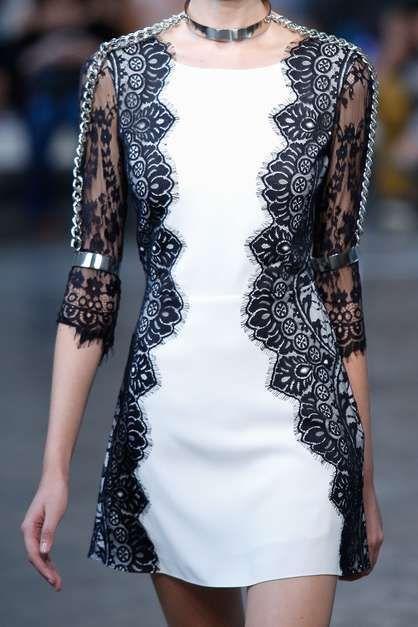
Side Panel Illusion
A common couture technique includes:
- Dark side panels
- Vertical central lace placement
- Contrasting texture zones
This visually:
- Narrows the waist
- Extends the torso
- Enhances body contouring
The result is an elevated luxury silhouette frequently seen in premium eveningwear.
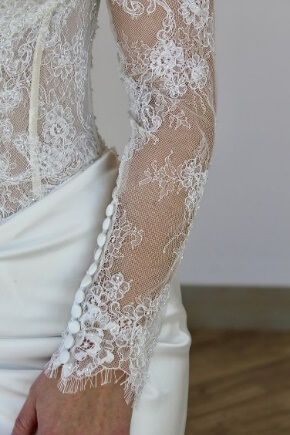
Sleeve Lace Illusion
Transparent lace sleeves create:
- Slimmer arm appearance
- Delicate femininity
- Soft visual transitions
This styling approach remains extremely popular in bridal and luxury ready-to-wear collections.
Styling Techniques That Make Lace Look More Expensive
Luxury styling depends on restraint and precision.
Even premium lace can appear ordinary if styled incorrectly.
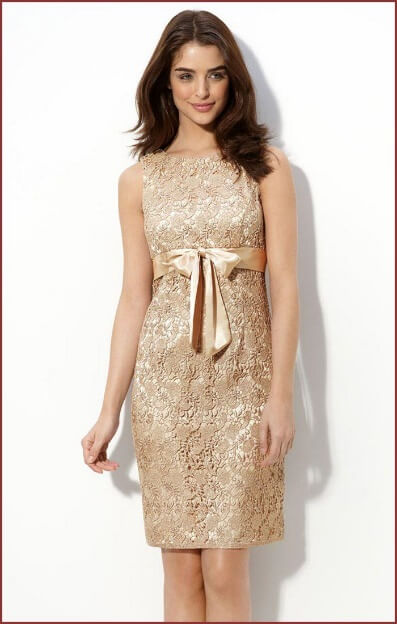
Monochromatic Styling
One of the most effective luxury styling techniques is monochromatic dressing.
Using a unified color palette across:
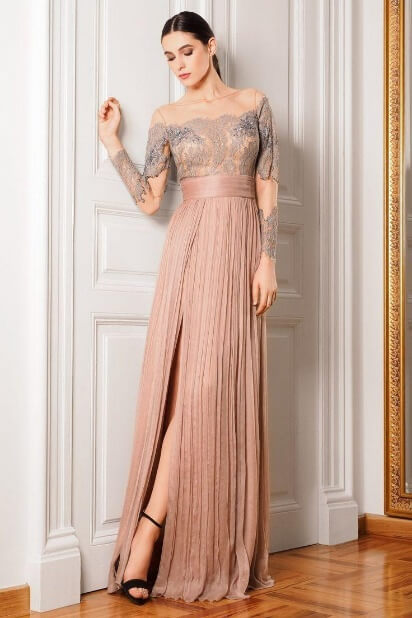 Dress
Dress
- Shoes
- Accessories
- Outerwear
creates:
- A taller visual line
- Modern sophistication
- Clean elegance
Minimal Accessories
Because lace already contains intricate detail, excessive accessories can overwhelm the look.
Luxury stylists often recommend:
- Pearl earrings
- Structured handbags
- Slim heels
- Refined jewelry
Oversized accessories frequently diminish the sophistication of lace garments.
Proper Foundation Garments
Undergarments are essential in lace styling due to transparency and texture interaction.
Premium lace styling requires:
- Seamless nude lining
- Structured support
- Smooth foundations
- Balanced opacity
Luxury brands understand that garment interior construction directly impacts perceived quality.
Fashion Fabric Trends 2026: The Future of Lace
The global fashion industry is shifting from fast decorative fashion toward intentional luxury.
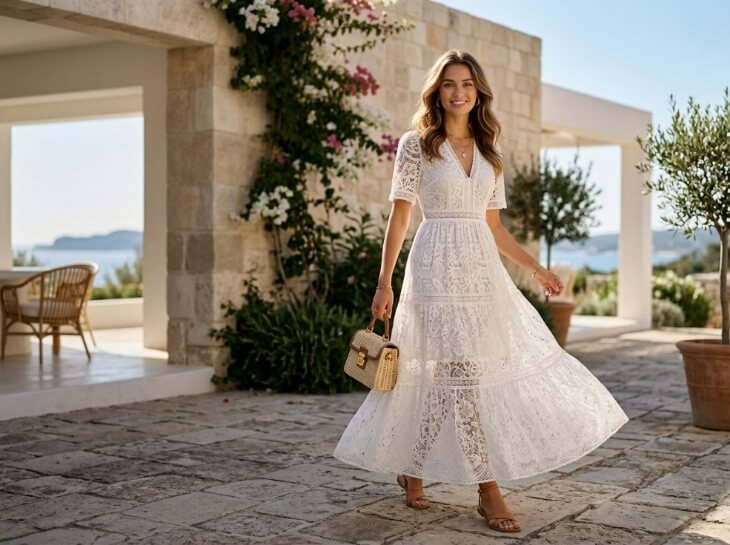
This evolution explains why lace continues to dominate luxury womenswear.
Quiet Luxury Lace
Quiet Luxury Lace emphasizes:
- Fabric quality
- Tailoring precision
- Sophisticated texture
- Minimal decoration
Rather than excessive embellishment, brands are investing in subtle
elegance and couture-level material quality.
Controlled Transparency
Sheer layering continues to expand in luxury fashion.
Key elements include:
- Tulle overlays
- Illusion necklines
- Transparent sleeves
- Dimensional layering
This creates movement and softness without compromising sophistication.
Structured Feminine Tailoring
Another major direction highlighted in “Fashion Fabric Trends 2026 for Southeast Asian Designers” involves combining Guipure Lace with:
- Blazer dresses
- Tailored separates
- Luxury officewear
- Structured couture silhouettes
This fusion of femininity and architecture is becoming highly influential across global premium markets.
Why Fashion Brands Continue Investing in Lace
Fashion trends evolve constantly, yet lace remains permanently relevant.
 Why?
Why?
Because lace instantly communicates:
- Craftsmanship
- Luxury
- Emotional value
- Premium positioning
- Textile sophistication
For garment manufacturers, designers, and fashion retailers, lace offers strong perceived value across multiple market segments.
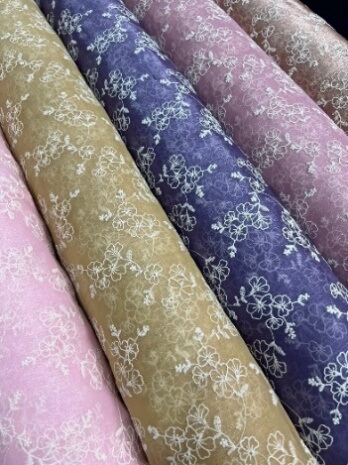
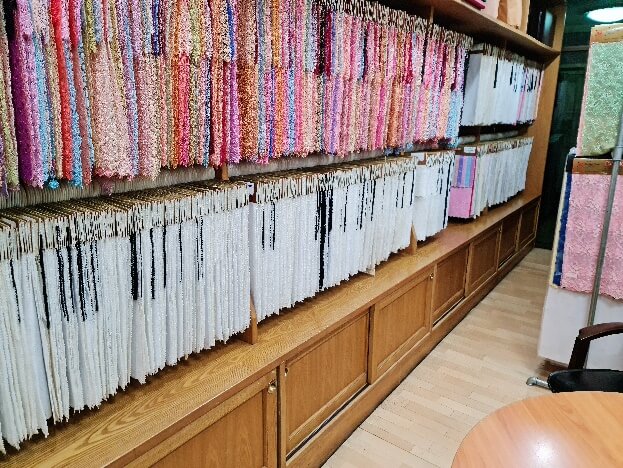
At United Lace, extensive expertise in embroidery and lace sourcing supports fashion brands, bridal studios, fabric retailers, and manufacturers throughout Thailand and international markets. For emerging labels and sourcing teams seeking strategic procurement guidance, the educational article “How to Source Premium Lace Fabrics in Thailand” provides insight into MOQ planning, stock continuity, textile quality evaluation, and production scalability for premium collections.
With over 75 years of industry experience, United Lace continues developing innovative collections aligned with modern luxury aesthetics and commercial production needs.
Buyer Tips for Designers and Garment Manufacturers
For B2B buyers, selecting lace involves more than visual appeal.
Important considerations include:
MOQ and Production Planning
Commercial lace sourcing should evaluate:
- Roll-based MOQ
- Repeat order availability
- Lead times
- Dye consistency
- Inventory continuity
Reliable supply is critical for scalable fashion production.
Tropical Climate Suitability
For Southeast Asian markets, breathable lace structures are increasingly important.
Recommended options include:
- Cotton Lace
- Lightweight Chantilly
- Soft embroidered mesh
- Airy Tulle Lace
These materials support comfort without sacrificing luxury aesthetics.
Repeatability and Fabric Stability
Luxury brands require consistency across production cycles.
Key technical considerations include:
- Motif alignment
- Stretch behavior
- Embroidery durability
- Color repeatability
- Cutting efficiency
Experienced lace suppliers help brands minimize production risks while maintaining premium garment quality.
Conclusion: The Science Behind Slimming Lace Dresses
Creating a slimmer and taller appearance through lace is not about body type alone.
It is the result of:
- Fabric structure
- Silhouette engineering
- Motif direction
- Texture balance
- Color psychology
- Styling precision
- Proportion control
Together, these elements shape how the body is visually perceived through the language of luxury fashion design.
For fashion brands, designers, and garment manufacturers, mastering these principles creates garments that feel elevated, refined, and commercially desirable.
As global fashion continues moving toward sophisticated minimalism and intentional luxury, lace remains one of the most powerful textiles in the industry.
To explore premium lace and embroidery fabrics for your next collection, contact United Lace. LINE @unitedlace | Instagram @unitedlace | Bangkok showroom by appointment.
FAQs
What type of lace dress makes you look slimmer?
The most flattering lace dresses typically feature:
- Vertical lace motifs
- Dark monochromatic color palettes
- A-line or column silhouettes
- Lightweight Chantilly or structured Guipure lace
- Controlled transparency and tailored panel construction
These elements help create a visually elongated silhouette while reducing perceived width.
Which lace fabric is best for evening gowns?
The best lace fabric for evening gowns depends on the desired silhouette and styling direction.
- Chantilly Lace offers softness, elegance, and fluid movement.
- Guipure Lace creates structure and couture-inspired definition.
- Tulle Lace provides sheer layering and lightweight transparency.
- French Lace delivers intricate luxury detailing for premium collections.
Luxury brands often combine multiple lace categories to achieve texture balance and dimensional sophistication.
Why do luxury fashion brands continue using lace?
Luxury fashion houses continue investing in lace because it enhances:
- Perceived garment value
- Couture craftsmanship appearance
- Feminine sophistication
- Texture depth
- Premium positioning
Lace also adapts exceptionally well to both classic couture and modern Quiet Luxury aesthetics.
What colors make lace dresses look more elegant and slimming?
Dark and refined shades generally create the strongest slimming effect.
Popular luxury fashion colors include:
- Black
- Navy
- Charcoal
- Deep Burgundy
- Emerald
- Chocolate Brown
These tones minimize reflection while enhancing silhouette definition and visual sophistication.
What is Quiet Luxury Lace?
Quiet Luxury Lace refers to minimalist luxury fashion that emphasizes:
- Fabric quality
- Sophisticated texture
- Tailoring precision
- Minimal branding
- Understated elegance
Rather than excessive embellishment, Quiet Luxury focuses on refined materials and elevated construction.
Which lace is best for tropical climates?
For warm-weather and Southeast Asian markets, breathable lace fabrics are essential.
Recommended options include:
- Cotton Lace
- Lightweight Chantilly Lace
- Soft Embroidered Mesh
- Airy Tulle Lace
These fabrics provide comfort, airflow, and elegance while remaining suitable for premium womenswear collections.
How do fashion designers use lace to create a taller silhouette?
Luxury designers often use:
- Vertical motifs
- Panel lace construction
- Monochromatic styling
- Elongated embroidery patterns
- Slim column silhouettes
These techniques visually extend body proportions and create a refined luxury appearance.
What lace trends are shaping fashion in 2026?
The strongest fashion fabric trends 2026 include:
- Quiet Luxury Lace
- Controlled Transparency
- Structured Feminine Tailoring
- Minimal Lace Styling
- Tropical Luxury Textiles
- Couture-inspired embroidery layering
These trends reflect the industry's movement toward intentional luxury and textile sophistication.
Why is motif direction important in lace fashion?
Motif direction influences how the eye travels across the garment.
- Vertical motifs create height and slimming effects.
- Horizontal motifs may increase visual width.
- Smaller repeats appear more refined on petite silhouettes.
- Structured geometric layouts enhance modern luxury styling.
This is why couture lace embroidery styles rely heavily on motif engineering and placement.
Why do designers source lace from specialized suppliers?
Specialized lace suppliers provide:
- Consistent quality control
- Repeatable production runs
- Technical fabric expertise
- Trend forecasting support
- Access to premium embroidery collections
- Commercial-ready stock programs
United Lace supports designers, manufacturers, and fashion brands with premium lace sourcing solutions developed specifically for luxury fashion applications.

 |  |  |  |  |
#unitedlace #lace #embroidery #cottonlace #drylace #frenchlace #eyelet #chantillylace #lacewholesale #fancylacefabric #lacewholesaleonline #multicolor #tencel #cotton #guipure #wholelacesupplier #lacesupplier #lacecharacteristic #laceproperties #innovation #ecofriendly