Table of Contents
- Why Fabric Choice Matters More Than Many People Realize in Hot Weather
- What Makes a Fabric Suitable for Hot Weather?
- 10 Popular Fabrics for Summer Clothing That Are Lightweight, Comfortable, and Stylish
- 1. Linen
- 2. Cotton
- 3.Cotton-Linen Blends
- 4. Rayon / Viscose
- 5. Lyocell / TENCEL™
- 6. Ramie
- 7. Lightweight Cotton / Muslin
- 8. Chiffon
- 9. Lace
- 10. Lightweight Embroidered Fabrics
- So, What Is the Best Fabric for Hot Weather?
- How to Choose the Right Fabric for Summer Clothing Production
- Conclusion
- FAQs
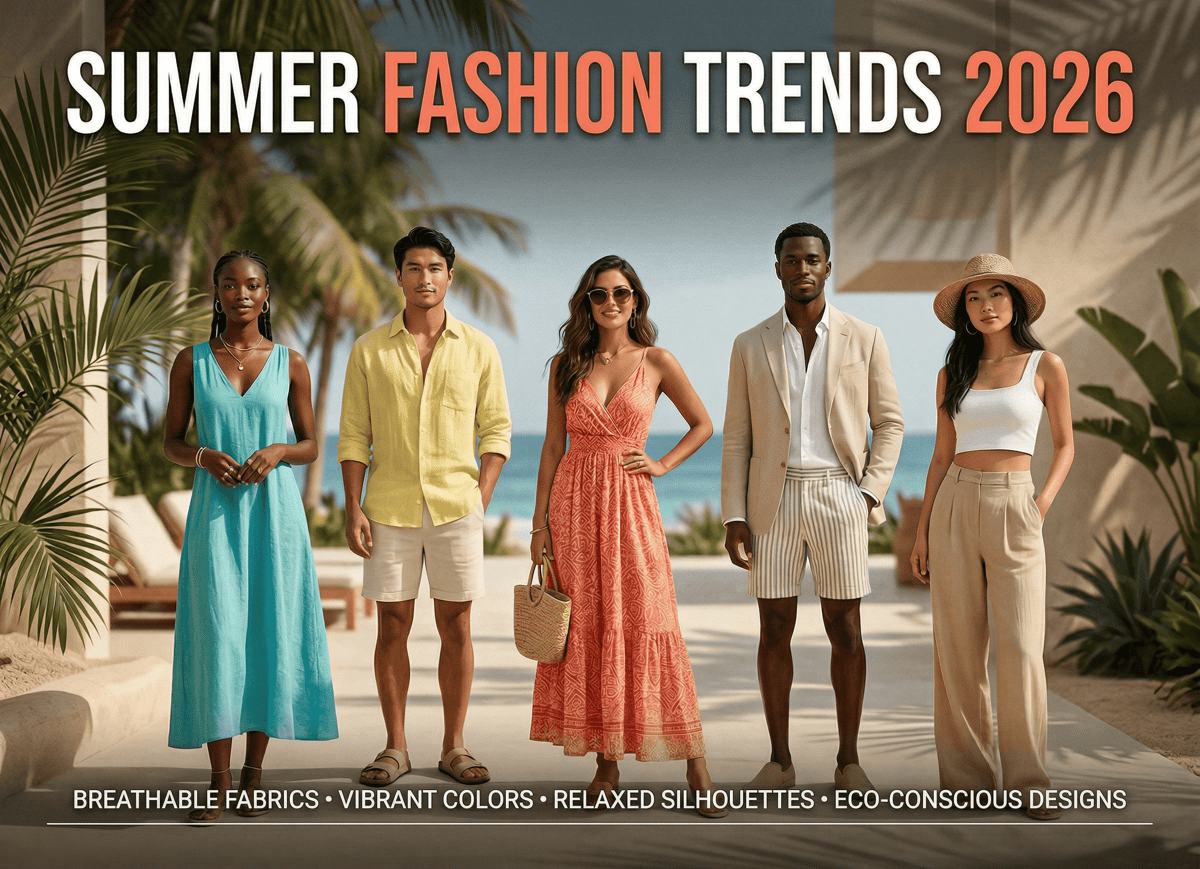
When hot weather becomes part of everyday life—especially in countries like Thailand, where temperatures stay high, humidity is intense, and sunlight can be harsh for many months—choosing the right fabric is no longer just about appearance. It becomes one of the most important factors in creating Summer clothing that feels genuinely comfortable, looks refined, and performs well in real life.
The most successful summer garments usually share three essential qualities: they are lightweight, breathable, and visually appealing without feeling heavy or restrictive. At the same time, fashion brands and garment producers must think beyond comfort alone. They must consider whether the fabric is easy to sew, whether it holds shape well, whether it wrinkles too easily, how it behaves during wear, how easy it is to care for, and how effectively it elevates the perceived value of the finished garment.
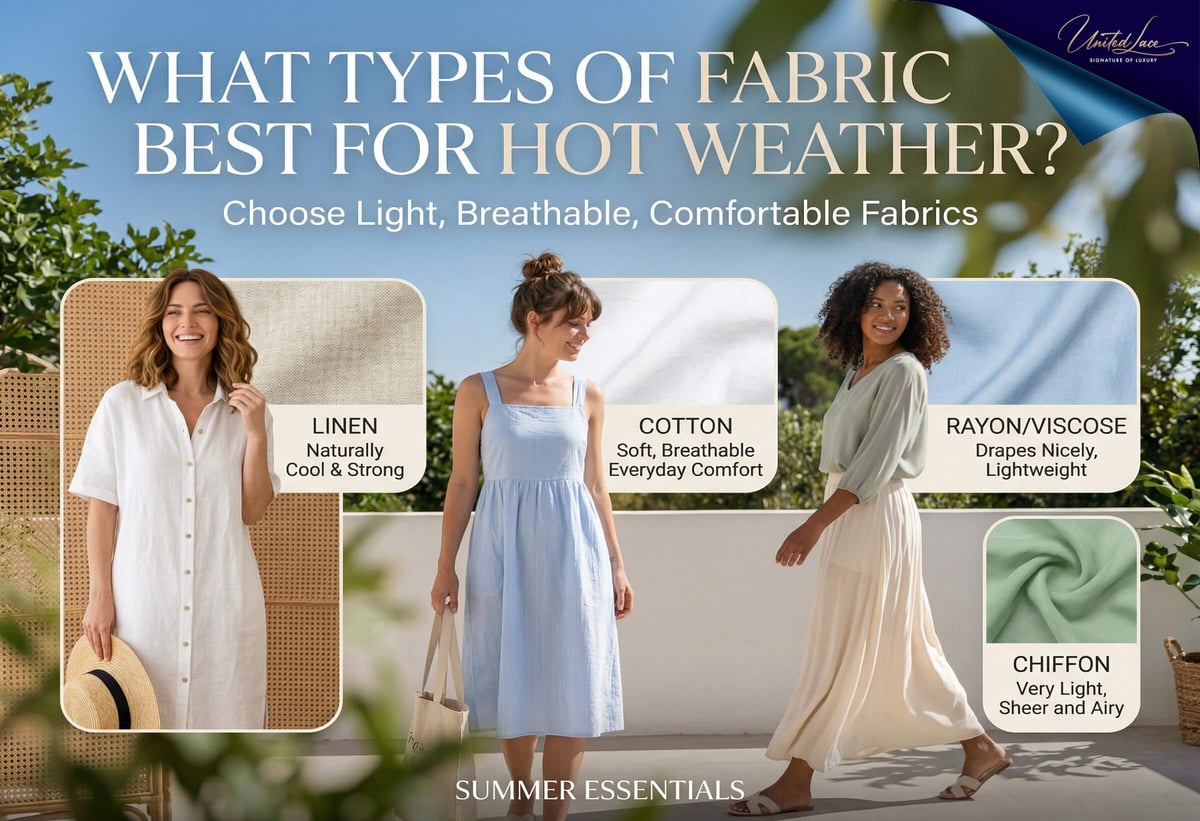
That is why the question, “What fabrics are best for hot weather?”, matters not only to end consumers, but also to designers, fashion brands, fabric stores, and garment manufacturers. In warm-weather markets, the right fabric can influence not only comfort but also customer satisfaction, repeat purchase behavior, brand positioning, and product profitability.
This article explores the principles behind choosing the right summer fabric and introduces 10 of the most popular fabric types for summer clothing, with practical insight from both a fashion and commercial perspective.Dancer
Why Fabric Choice Matters More Than Many People Realize in Hot Weather
Hot weather does not only affect how clothing looks. It directly affects the wearer’s physical experience. If a garment feels stuffy, traps heat, absorbs sweat without drying comfortably, or clings uncomfortably to the skin, consumers tend to judge the garment as unsuitable—even if the design itself is beautiful.
On the other hand, a fabric with good airflow, appropriate moisture management, and a comfortable hand-feel can significantly improve the wearing experience. In hot and humid climates, these qualities are not optional. They are central to how consumers evaluate clothing.
From a market perspective, summer fashion also creates strong demand for garments that are easy to wear and easy to style. Customers want pieces that do not feel bulky, do not look visually heavy, and can still deliver a polished, fresh, elegant, or feminine image depending on the brand’s concept. This is why natural fibers, cellulose-based fabrics, and lightweight decorative materials continue to dominate warm-season fashion.
For brands, the fabric decision becomes even more strategic. A summer collection is not just about using thinner fabric. It is about selecting materials that support the right silhouette, communicate the right mood, and perform well in hot weather while still aligning with the target customer’s lifestyle and expectations.
What Makes a Fabric Suitable for Hot Weather?
Before looking at the 10 recommended fabric categories, it is important to understand what makes a fabric truly appropriate for summer clothing.
1. Breathability
A breathable fabric allows air to circulate more freely, which helps reduce the feeling of heat buildup and discomfort. In tropical or humid climates, breathable fabrics make a noticeable difference in daily wear. This is one of the main reasons linen and cotton continue to be favored for summer garments.
2. Moisture Management
In hot weather, sweat is inevitable. A good summer fabric should either absorb moisture comfortably or allow it to dissipate in a way that prevents the garment from feeling clammy. Fabrics that remain breathable and pleasant against the skin in humid conditions tend to perform best in real-world summer dressing.
3. Light Weight with the Right Drape
A good summer fabric does not have to be extremely sheer. It needs to feel balanced. The right fabric should be light enough for warm weather but substantial enough to support the intended design. Some fabrics create a natural, structured summer look, while others offer a fluid, elegant drape.
4. Alignment with the Brand Image
Summer fashion is not limited to casual clothing. It includes resort wear, modern feminine fashion, premium daywear, occasion wear, and quiet luxury aesthetics. This is why lace, embroidery, sheer fabrics, and refined lightweight textiles remain relevant in summer collections. Fabric choice helps shape not only comfort but also brand identity.
10 Popular Fabrics for Summer Clothing That Are Lightweight, Comfortable, and Stylish
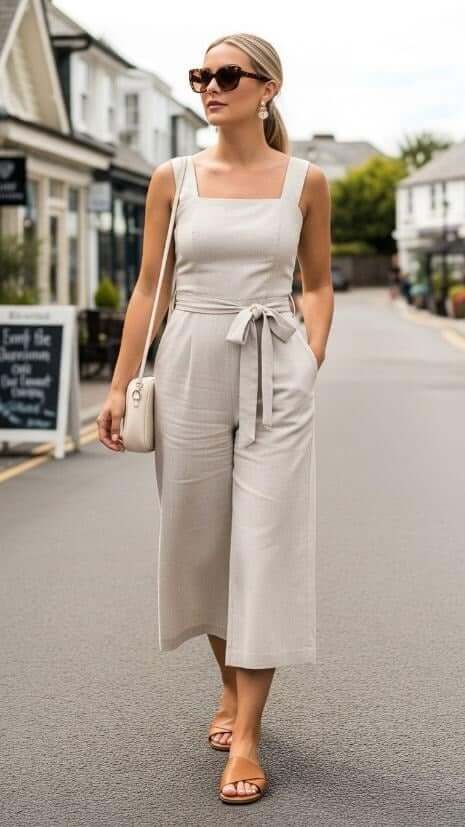
1. Linen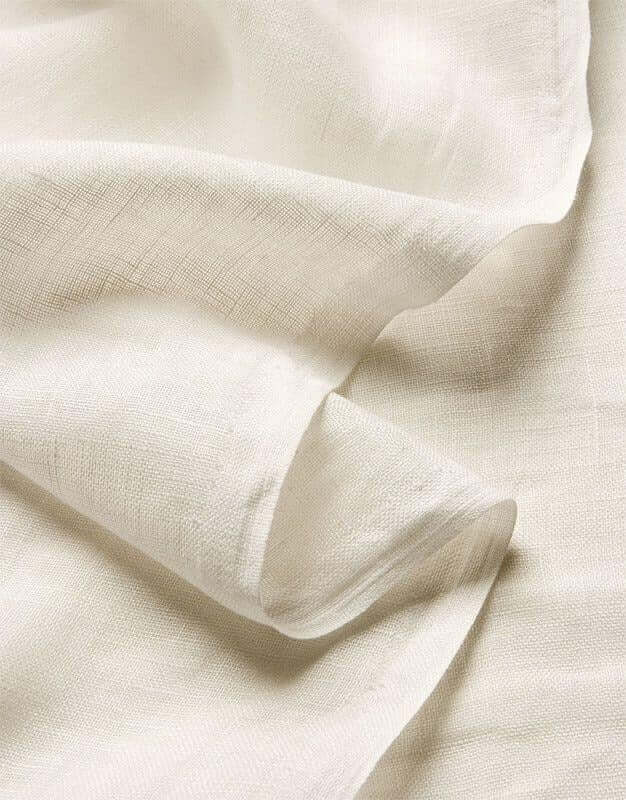
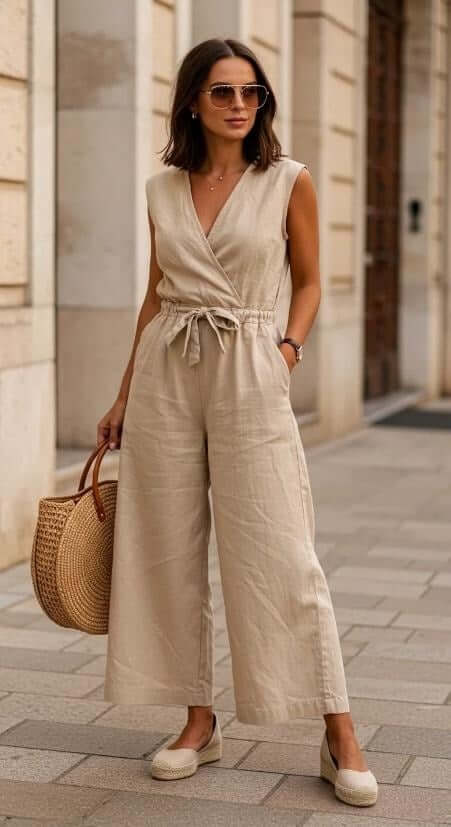
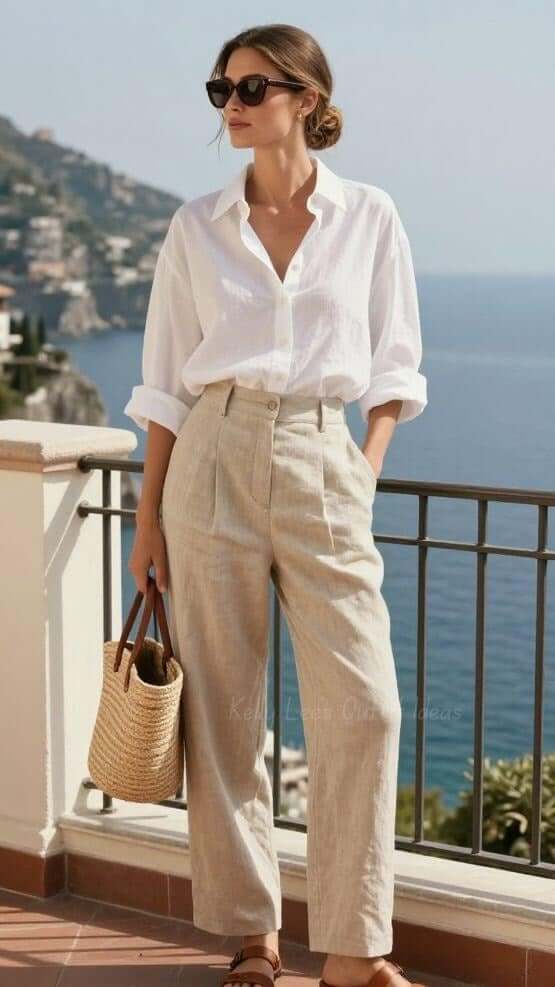
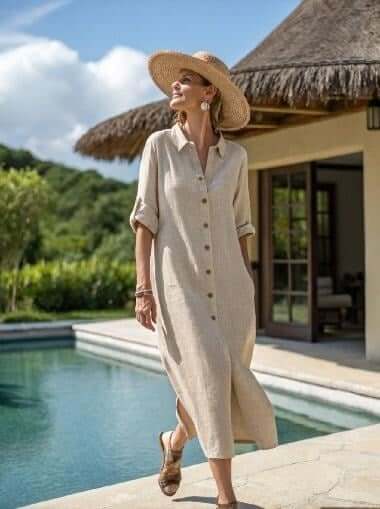
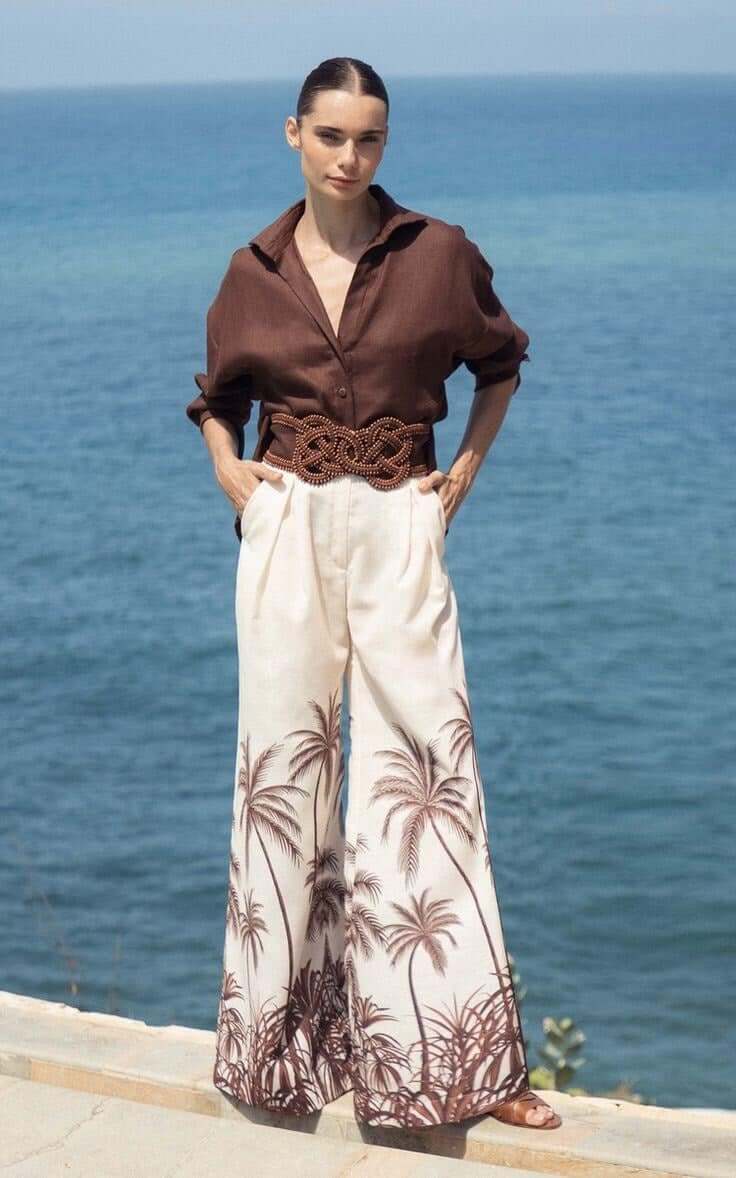
If there is one fabric most closely associated with hot-weather dressing, it is linen. Linen is widely appreciated for its breathable nature, light feel, and naturally elegant appearance. It has a relaxed sophistication that works well in hot climates and is especially popular for shirts, dresses, trousers, resort wear, and modern casual tailoring.
Strengths
Excellent breathability
Natural, premium appearance
Ideal for relaxed luxury and resort-inspired fashion
Considerations
Wrinkles easily
Certain constructions may feel stiff if too heavy
Best Uses
Summer shirts
Resort dresses
Lightweight matching sets
Casual outer layers
2. Cotton
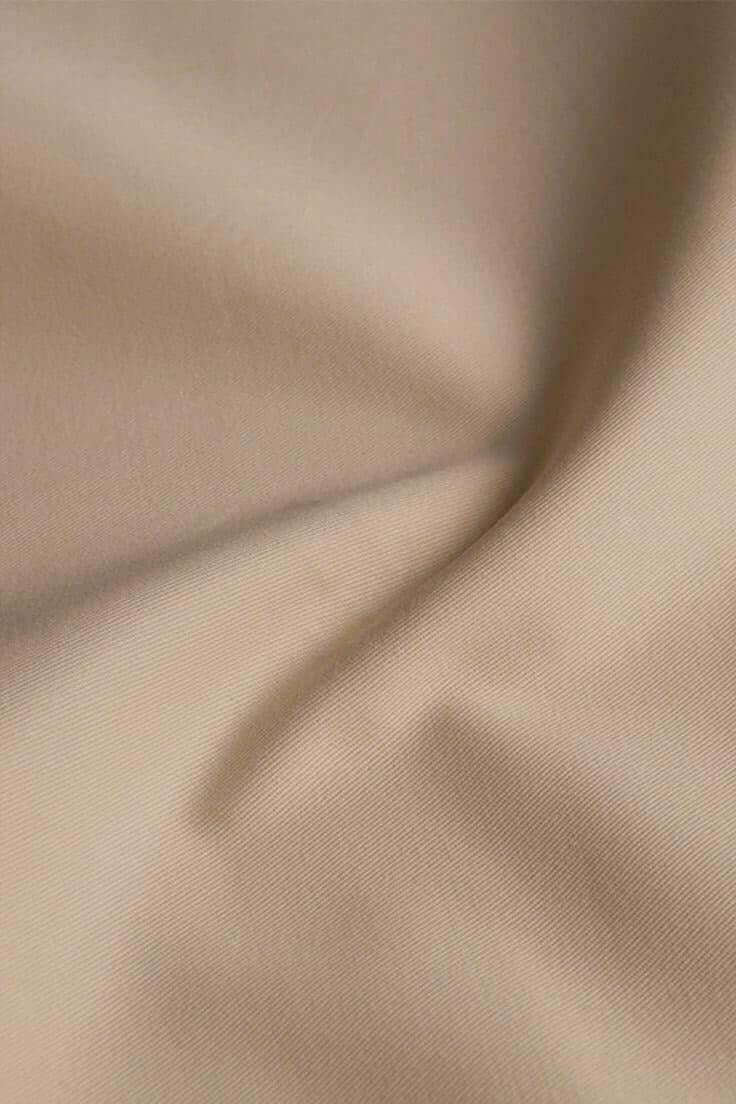
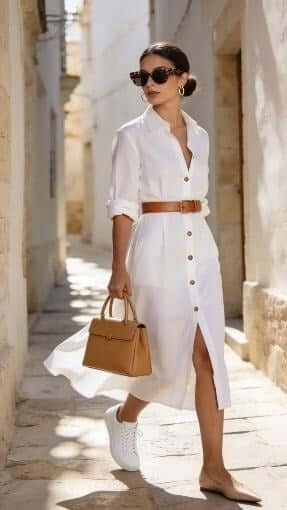
Cotton remains one of the most accessible and versatile fabrics for hot weather. It is soft, familiar, breathable, and easy to wear. Cotton works well for a broad range of garments, from casual basics to polished daytime pieces.
Strengths
Soft and wearable
Easy to sew and widely accepted by consumers
Suitable for many price points and market segments
Considerations
Some cotton constructions can retain moisture more than expected
Fabric weight and weave matter greatly
Best Uses
Shirts
Blouses
Casual dresses
Everyday summer garments
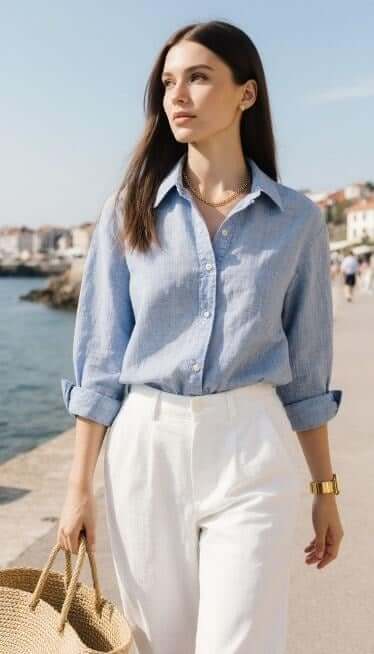
3.Cotton-Linen Blends
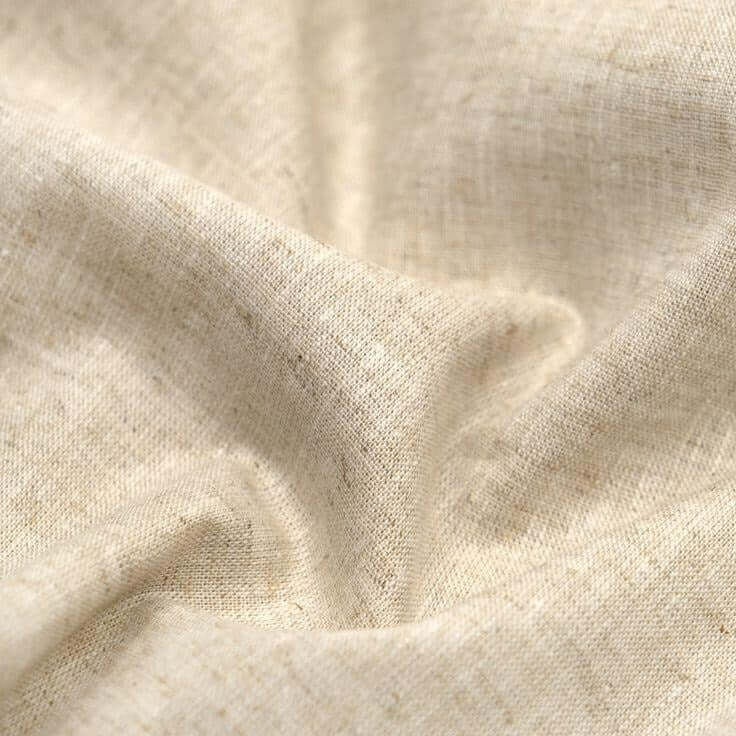
For those who appreciate the look of linen but want greater softness and slightly easier wearability, cotton-linen blends are an excellent solution. These blends combine the airy, textured character of linen with the softness and familiarity of cotton.
Strengths
Balanced texture and comfort
Slightly easier to wear than pure linen
Refined but commercially friendly
Best Uses
Lightweight summer suits
Women’s coordinated sets
Shirt dresses
Wide-leg trousers

4. Rayon / Viscose
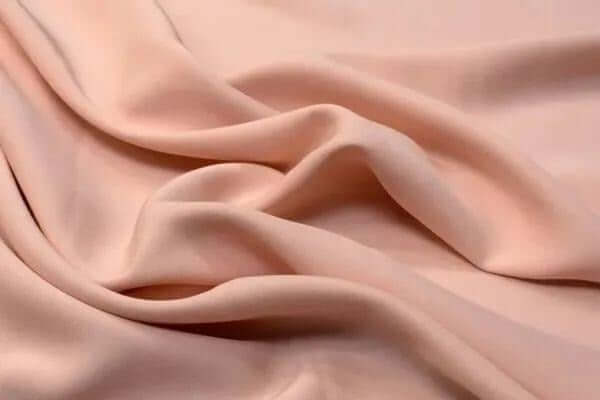
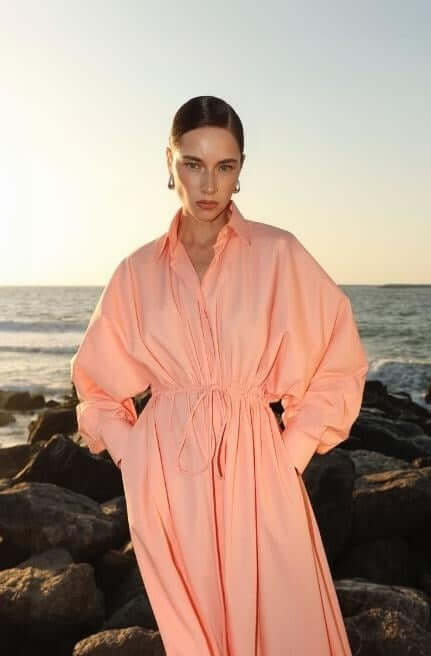
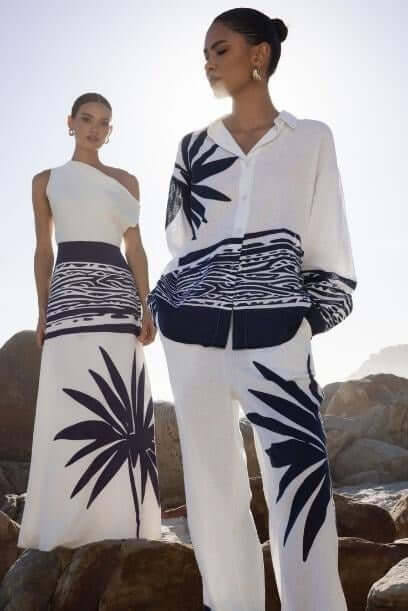
Rayon and viscose are highly popular in warm-weather fashion because of their fluid drape and elegant movement. They often create a more feminine, flowing silhouette than linen or cotton, making them well suited to dresses, skirts, and soft blouses.
Strengths
Beautiful drape
Feminine and fluid appearance
Prints and colors often appear rich and attractive
Considerations
Some versions wrinkle or shrink easily
Quality finishing is very important
Best Uses
Dresses
Skirts
Soft blouses
Feminine resort wear
5. Lyocell / TENCEL™
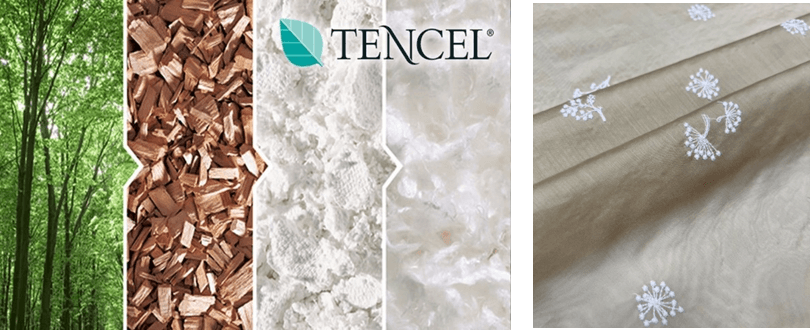
Lyocell, often known under the brand name TENCEL™, has become increasingly popular in modern fashion because it offers softness, comfort, and a polished appearance. It is well suited for brands that want to align comfort with a more contemporary, sustainability-aware image.
Strengths
Soft and smooth hand-feel
Comfortable in warm weather
Modern, refined, and eco-conscious positioning
Best Uses
Shirt dresses
Blouses
Jumpsuits
Modern minimal garments
Lyocell works especially well for brands targeting consumers who care about comfort, clean aesthetics, and a more progressive material story.
6. Ramie
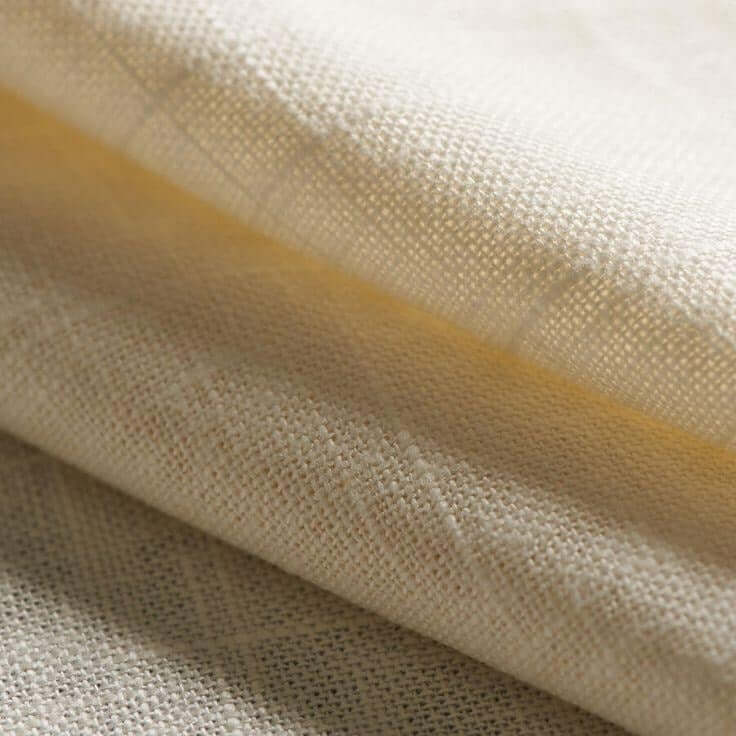
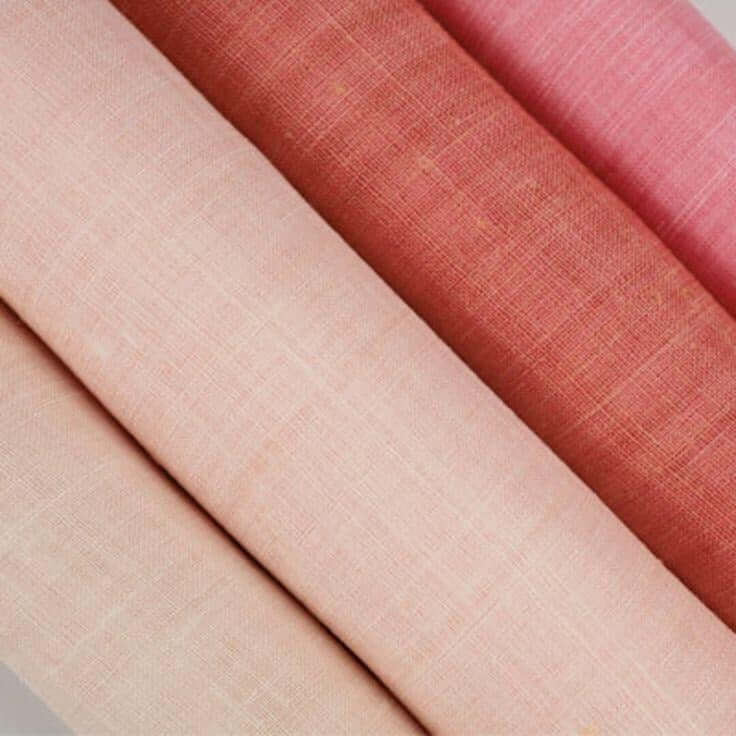
Ramie is a plant-based fiber that offers a natural texture and good moisture absorbency. It is often compared to linen but has its own distinct character. For designers looking for summer fabrics with visible texture and artisanal appeal, ramie can be a compelling choice.
Strengths
Distinctive texture
Good absorbency
Strong natural-fiber image
Considerations
Needs appropriate finishing for softness
Better suited to brands with a natural or crafted aesthetic
Best Uses
Natural-style dresses
Summer tops
Artisan-inspired collections
Relaxed separates
7. Lightweight Cotton / Muslin
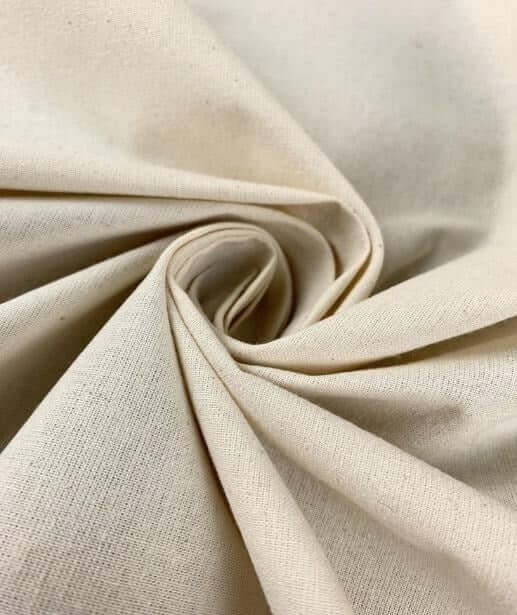
For everyday summer fashion, lightweight cottons and muslin-type fabrics remain highly relevant. These fabrics are airy, soft, and easy to wear, making them ideal for relaxed silhouettes and easy-going wardrobes.
Strengths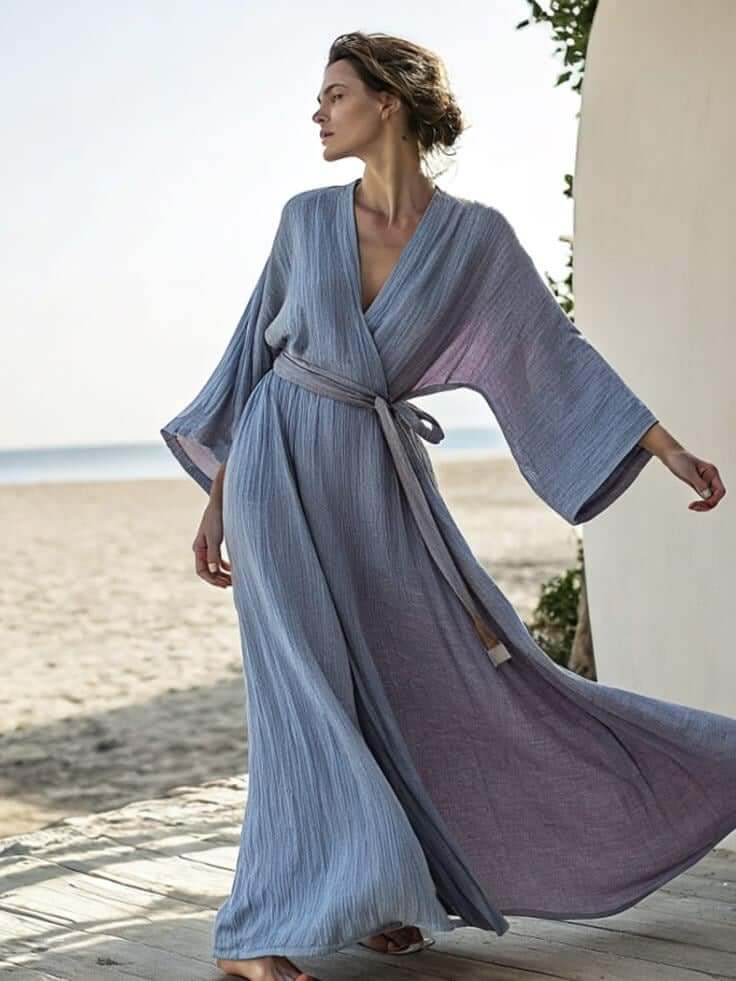
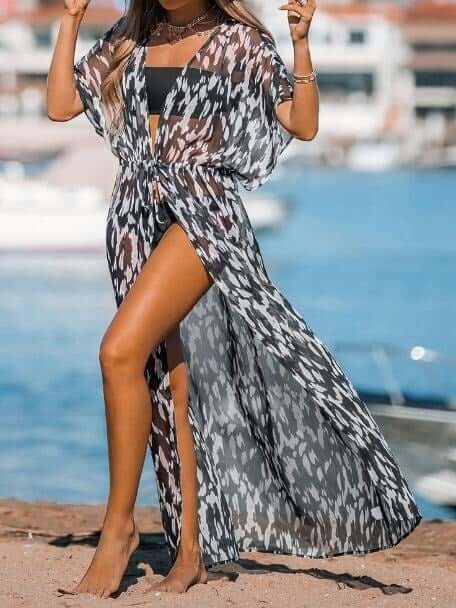
Light and breathable
Soft appearance
Excellent for casual daily wear
Best Uses
Easy dresses
Off-shoulder tops
Baby doll silhouettes
Relaxed summer garments
This category works especially well for younger markets, vacation dressing, and casual feminine collections.
8. Chiffon
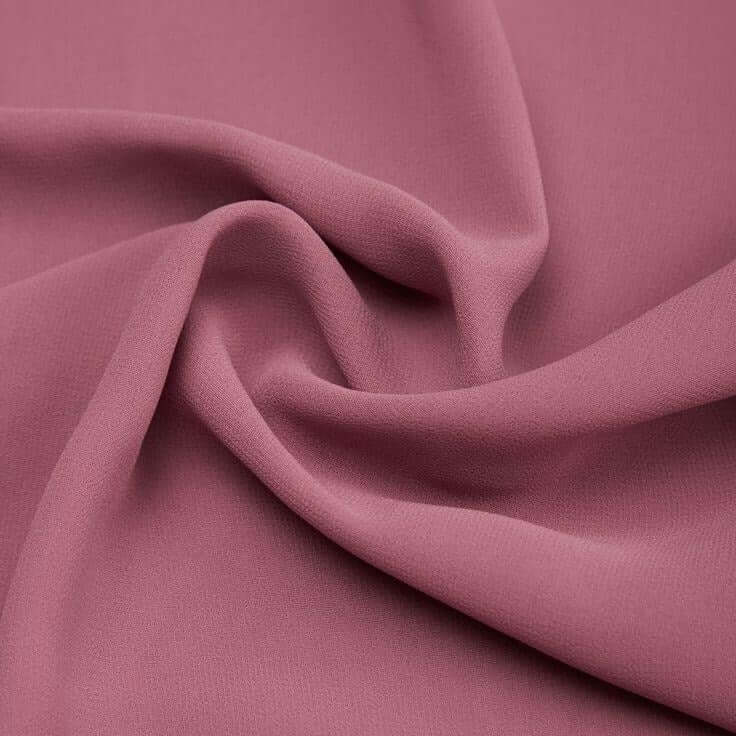
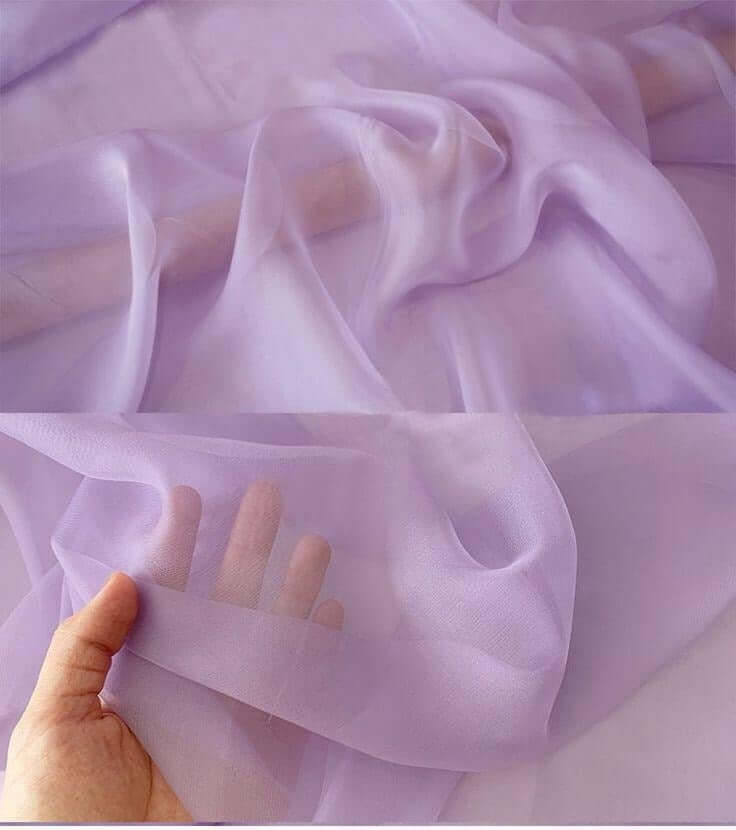
Although chiffon is not typically the first fabric associated with practical breathability, it remains extremely important in summer fashion from a visual standpoint. Chiffon creates softness, movement, and elegance, making it ideal for airy dresses, layered garments, and occasionwear.
Strengths
Lightweight visual effect
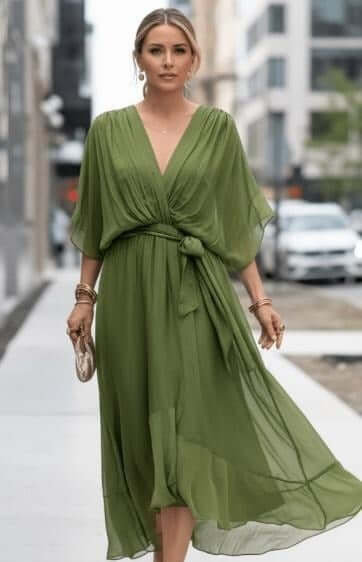
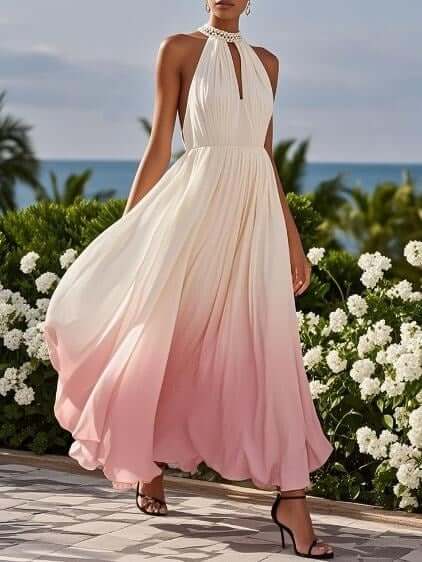
Elegant movement
Romantic and refined appearance
Considerations
Requires thoughtful lining
Not as absorbent as natural fibers
Best Uses
Occasion dresses
Layered summer pieces
Evening resortwear
Feminine fashion with fluid movement
9. Lace
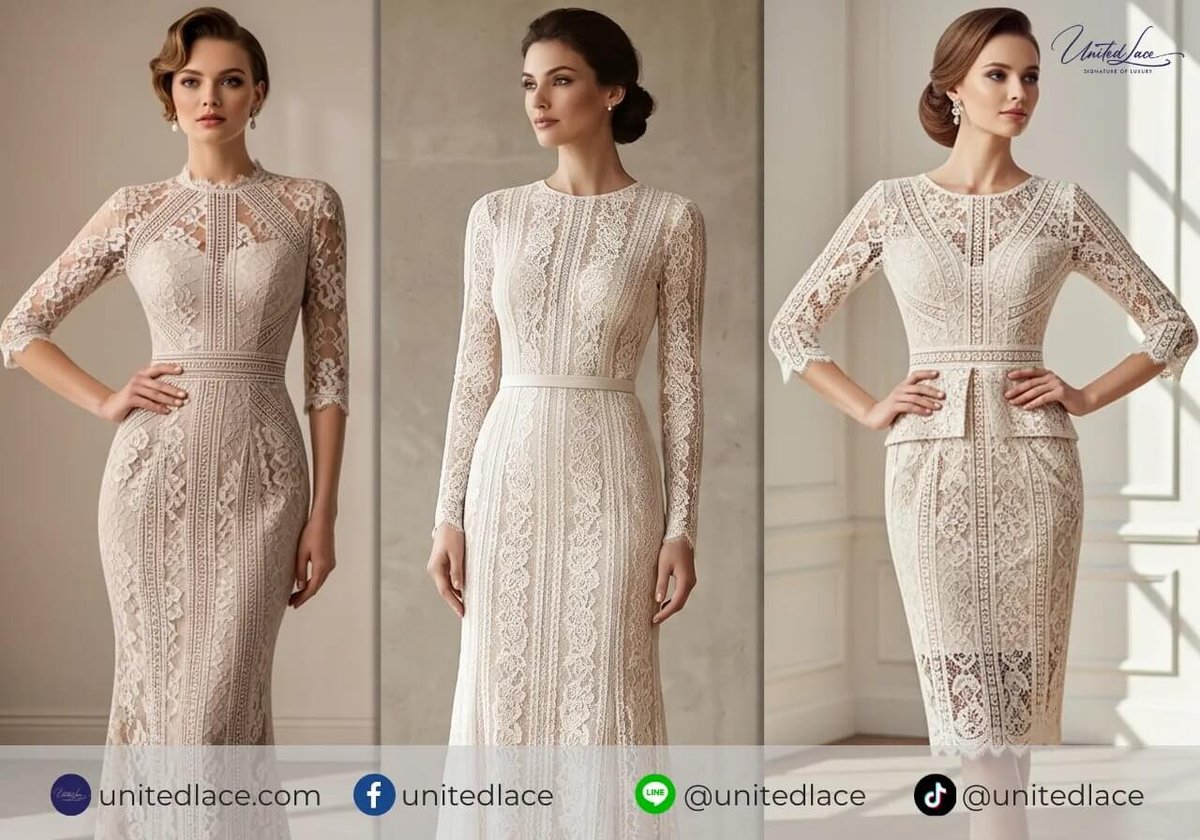
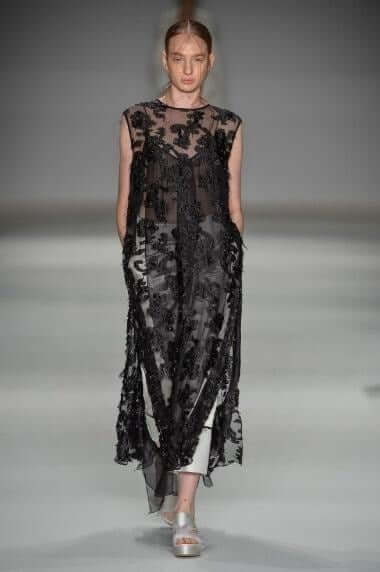
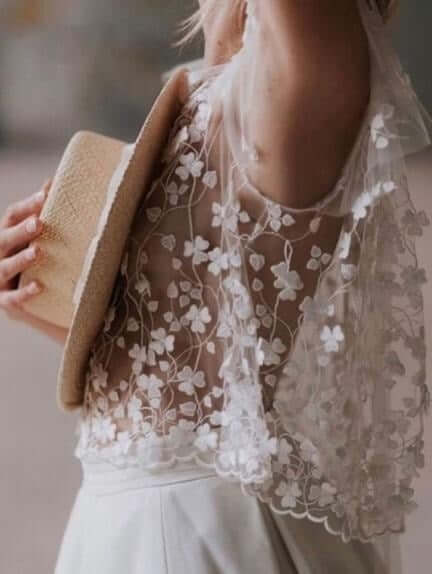
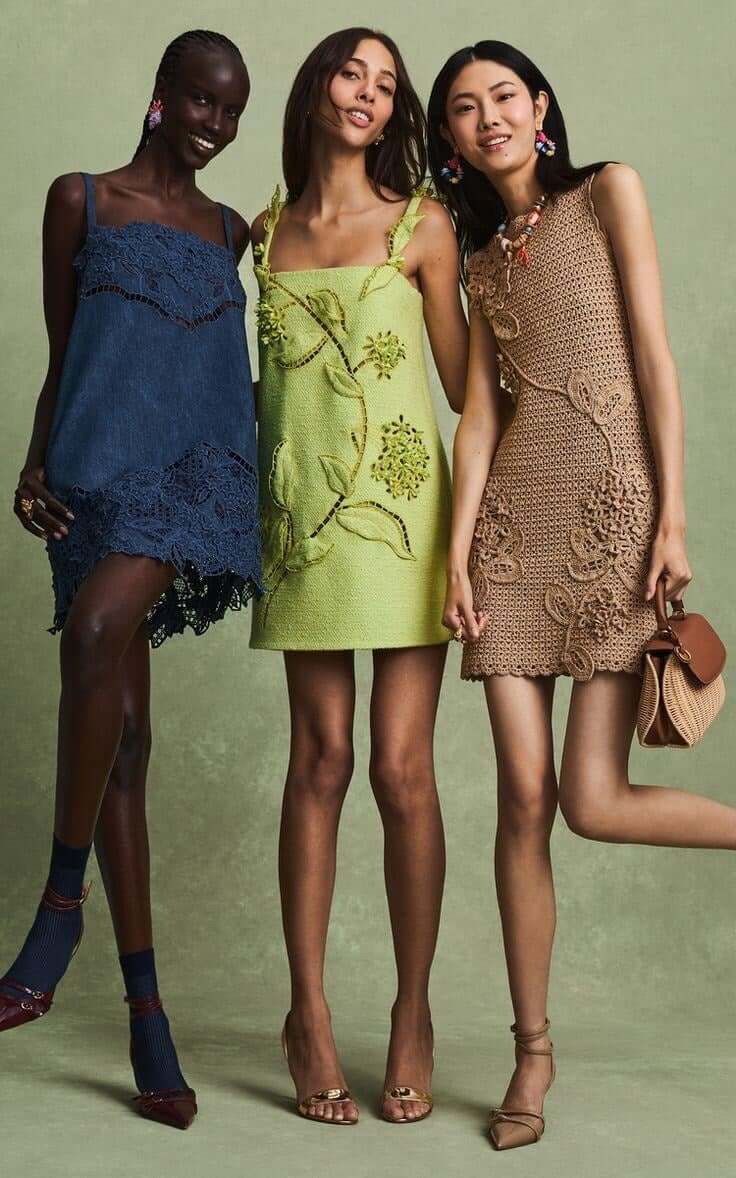
Many people ask whether lace is suitable for hot weather. The answer is yes—very much so—when the right type of lace is selected. Lace offers openness, texture, femininity, and visual lightness, which makes it highly relevant for spring and summer fashion.
Lace is especially effective when designers choose patterns with openness, moderate weight, and a contemporary layout. It can make a garment feel more refined without making it feel visually heavy.
Strengths
Instantly elevates a summer look
Adds visual lightness and detail
Works for both daywear and occasionwear
Best Uses
Blouses
Dresses
Sleeve details
Resort and feminine premium collections
For premium brands and fabric specialists, lace should not be limited to bridal or formalwear. It can also be translated into modern feminine daywear, quiet luxury summer fashion, and elegant resort-inspired collections.
10. Lightweight Embroidered Fabrics
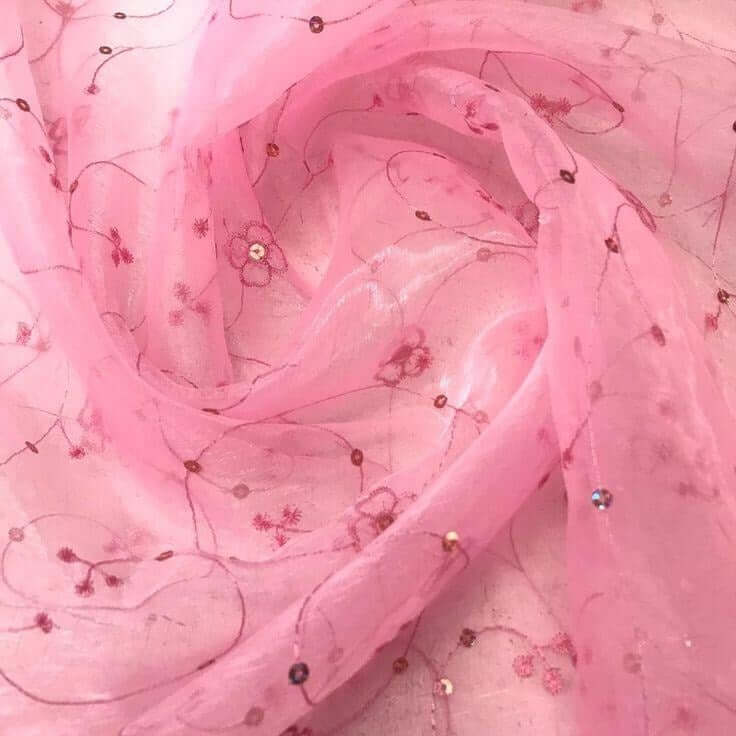
Lightweight embroidered fabrics can add value to summer garments without making them feel overly heavy, provided the base fabric is appropriate. Embroidery on cotton, voile, mesh, or organza can create dimension and premium appeal while still supporting a light overall look.
Strengths
Adds texture and perceived value
Creates a distinctive brand identity
Suitable for premium summer collections
Best Uses
Dresses
Summer blouses
Occasion daywear
Premium coordinated sets
This category is especially useful for brands that want detail and differentiation without relying on heavy embellishment.
So, What Is the Best Fabric for Hot Weather?
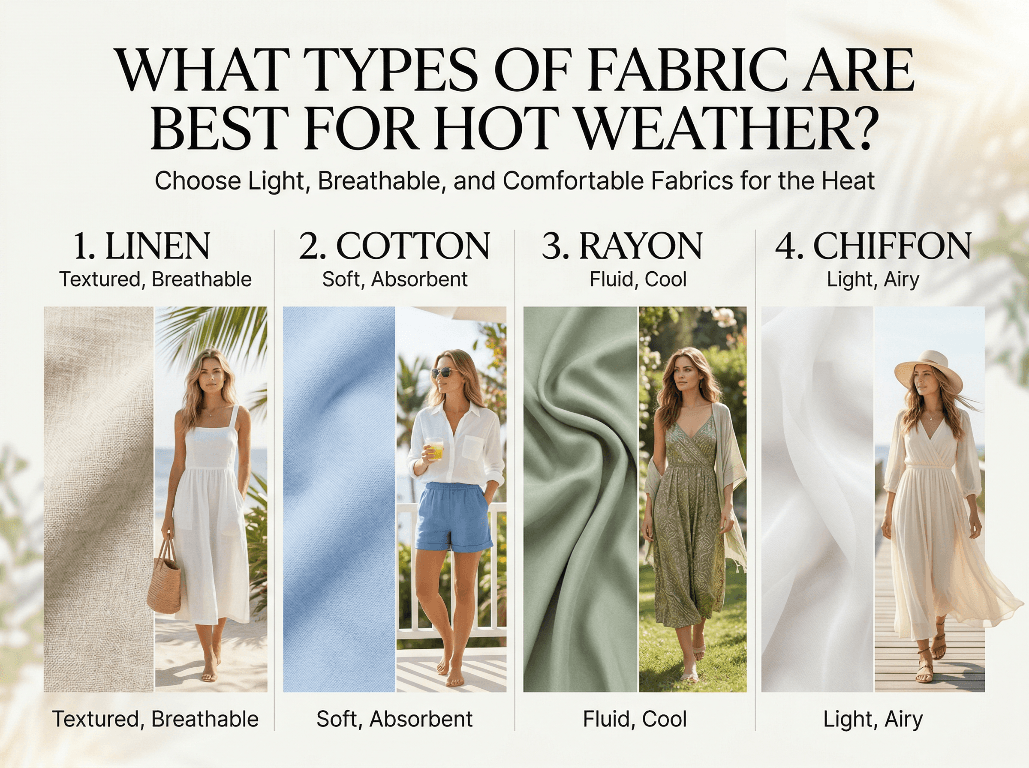
There is no single fabric that is best for every brand, customer, or garment type. Instead, there is a best fabric for a specific purpose.
For easy daily wear and mass appeal: Cotton
For premium summer image and natural elegance: Linen or cotton-linen blends
For fluid, feminine silhouettes: Rayon, viscose, or lyocell
For refined and visually distinctive fashion: Lace and lightweight embroidery
For modern, sustainability-aware collections: Lyocell and other advanced cellulose-based fibers
The most successful summer clothing does not come from choosing the thinnest fabric. It comes from choosing the fabric that creates the best balance of comfort, appearance, movement, and market suitability.
How to Choose the Right Fabric for Summer Clothing Production
Start with Real Wear Conditions
Do not select fabric based only on how it looks in a showroom or on a hanger. Think about how it will feel in real heat, under sunlight, in humid weather, and during daily movement.
Match Fabric to Garment Type
A daytime dress, a summer blouse, a workwear piece, and a resort garment all require different fabric characteristics. Even within the same season, the right fabric choice depends heavily on the product category.
Align with Brand Positioning
A premium brand may choose linen, lace, embroidery, or lyocell to elevate image and pricing. A broader commercial brand may prioritize cotton, cotton blends, and more wearable fluid fabrics that balance comfort with cost-efficiency.
Consider Production Practicality
A fabric may look beautiful but still be difficult to sew, shrink-prone, unstable in cutting, or too difficult to manage in bulk production. Good summer fabric selection must consider both design potential and manufacturing reality.
Conclusion
If we ask once again, “What fabrics are best for hot weather?”, the answer is clear: the best fabrics are those that help the wearer feel cooler, lighter, more comfortable, and still well dressed. The most useful summer fabric categories include linen, cotton, cotton-linen blends, rayon, viscose, lyocell, ramie, lightweight cottons, chiffon, lace, and lightweight embroidered fabrics.
For everyday consumers, understanding fabric choice makes it easier to build a more comfortable and stylish summer wardrobe. For fashion brands, fabric retailers, and garment manufacturers, the lesson goes much further. Fabric is not just a material. It is a strategic tool for creating value.
The right fabric improves the garment, improves the customer experience, strengthens the brand image, and increases the product’s ability to compete in the market. In summer fashion, the best fabric is never simply the lightest one. It is the one that feels the best, looks the most appropriate, and communicates the brand’s identity most effectively.
FAQs
What fabrics are best for hot weather?
The best fabrics for hot weather are breathable, lightweight, and comfortable against the skin. Popular choices include linen, cotton, cotton-linen blends, lyocell, rayon, and lightweight lace.
Is lace suitable for summer clothing?
Yes, lace can be very suitable for summer clothing when the structure is open, lightweight, and designed with appropriate lining. It adds elegance and visual lightness to warm-weather fashion.
Is linen better than cotton for summer?
It depends on the purpose. Linen offers a more natural, airy, and premium summer look, while cotton is softer, easier to wear, and suitable for a wider range of consumers. Both are excellent for hot weather.
Is TENCEL™ good for summer clothing?
Yes. Lyocell and similar fibers are often appreciated for their softness, comfort, fluid drape, and modern appeal, making them a strong choice for summer garments.
What should fashion brands consider when choosing summer fabrics?
Brands should consider breathability, comfort, drape, fabric weight, care requirements, ease of production, and how well the fabric supports the intended brand image and garment function

 |  |  |  |  |
#unitedlace #lace #embroidery #cottonlace #drylace #frenchlace #eyelet #chantillylace #lacewholesale #fancylacefabric #lacewholesaleonline #multicolor #tencel #cotton #guipure #wholelacesupplier #lacesupplier #lacecharacteristic #laceproperties #innovation #ecofriendly