Table of Contents
- When Songkran Tradition Meets Lace Fashion
- Lace Fabric: A Timeless Textile in Modern Thai Design
- The Importance of Songkran Fashion in Thailand’s Fashion Industry
- The Unique Charm of Lace in Songkran Fashion
- Types of Lace Suitable for Songkran Fashion
- Designing Songkran Fashion with Lace
- Business Opportunities for Designers and Manufacturers
- United Lace: A Strategic Partner for Designers
- Conclusion
- FAQs
When Songkran Tradition Meets Lace Fashion
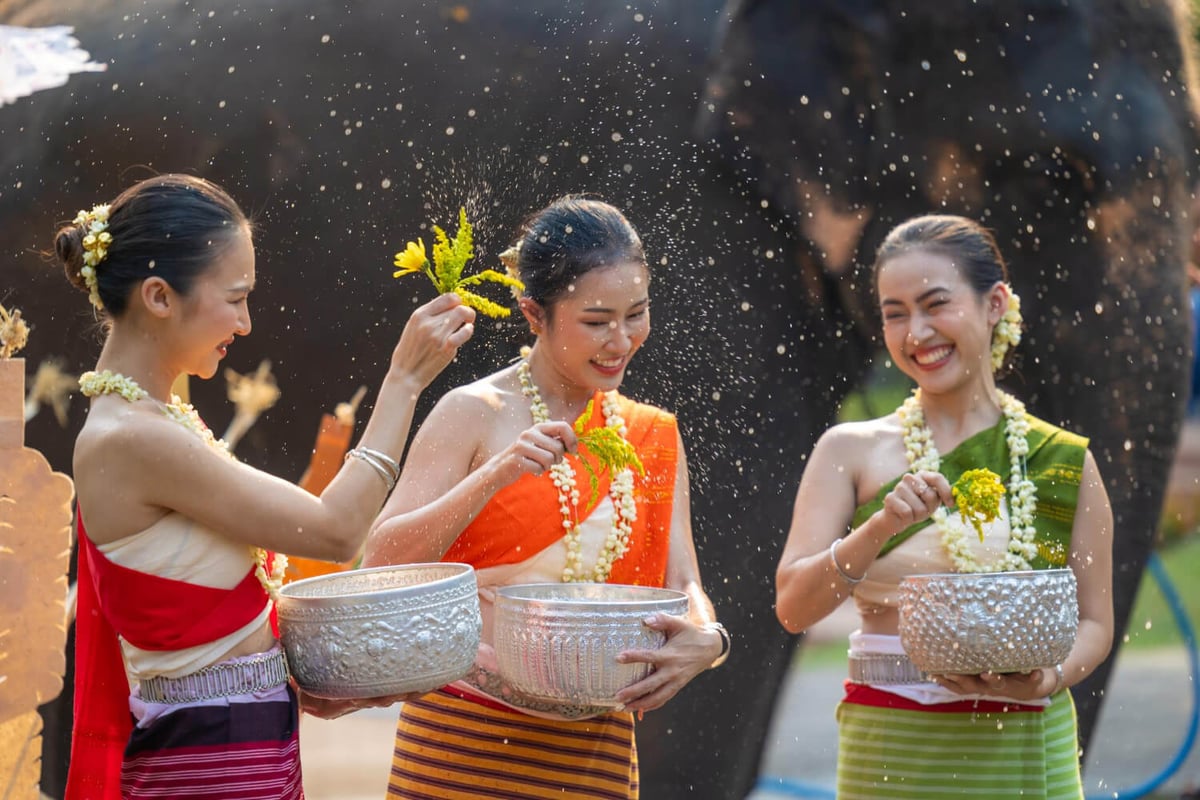
Songkran, the traditional Thai New Year celebration, is one of Thailand’s most culturally significant festivals. More than just a nationwide holiday, it is a time when communities come together to celebrate renewal, respect family traditions, and express cultural identity through rituals, ceremonies, and fashion.
The festival is traditionally associated with activities such as water blessings, temple visits, and family reunions. However, beyond the cultural ceremonies, Songkran also represents a vibrant moment in Thailand’s fashion calendar. It is a time when clothing becomes an expression of Thai identity, seasonal climate awareness, and creative design.
Historically, people celebrated Songkran wearing traditional Thai fabrics such as:
- Handwoven cotton fabrics
- Silk textiles
- Floral printed fabrics
- Lightweight traditional garments suitable for the tropical climate
These materials were chosen not only for cultural authenticity but also for practicality. Thailand’s hot and humid weather during April requires breathable fabrics that allow comfort during outdoor activities.
In recent decades, however, the evolution of Thai fashion has introduced a new dimension to festival attire. Contemporary designers have begun integrating lace fabrics into modern Thai garments, creating a unique fusion of traditional aesthetics and international fashion sensibilities.
Lace fabric, known for its intricate openwork structure and delicate patterns, adds a sophisticated elegance to garments while maintaining breathability and lightness. This combination makes lace an increasingly popular material for modern Songkran fashion collections.
Lace Fabric: A Timeless Textile in Modern Thai Design
Lace is widely regarded as one of the most timeless materials in the global textile industry. Its defining characteristic lies in its openwork structure, created through the intricate interlacing of threads to form decorative patterns and negative space.
This structure provides several advantages that make lace especially suitable for tropical climates and festive fashion:
- Visual delicacy and sophistication
- Lightweight fabric structure
- Natural airflow through open motifs
- Versatility in both casual and couture designs
For Thai fashion designers, lace offers a unique opportunity: it bridges the aesthetic traditions of Thai culture with the elegance of international fashion design.
In recent years, many Thai designers have begun experimenting with lace in Songkran collections. Their goal is not simply to replicate traditional garments, but to reinterpret them through a contemporary lens.
This approach reflects a broader movement within the Thai fashion industry — one that seeks to maintain cultural authenticity while engaging with global fashion markets.
The Importance of Songkran Fashion in Thailand’s Fashion Industry
Songkran is not only a cultural celebration; it is also one of the most significant seasonal fashion markets in Thailand.
During the months of March and April, the demand for summer-ready garments increases significantly. Consumers begin searching for clothing that is festive yet comfortable, elegant yet practical for Thailand’s climate.
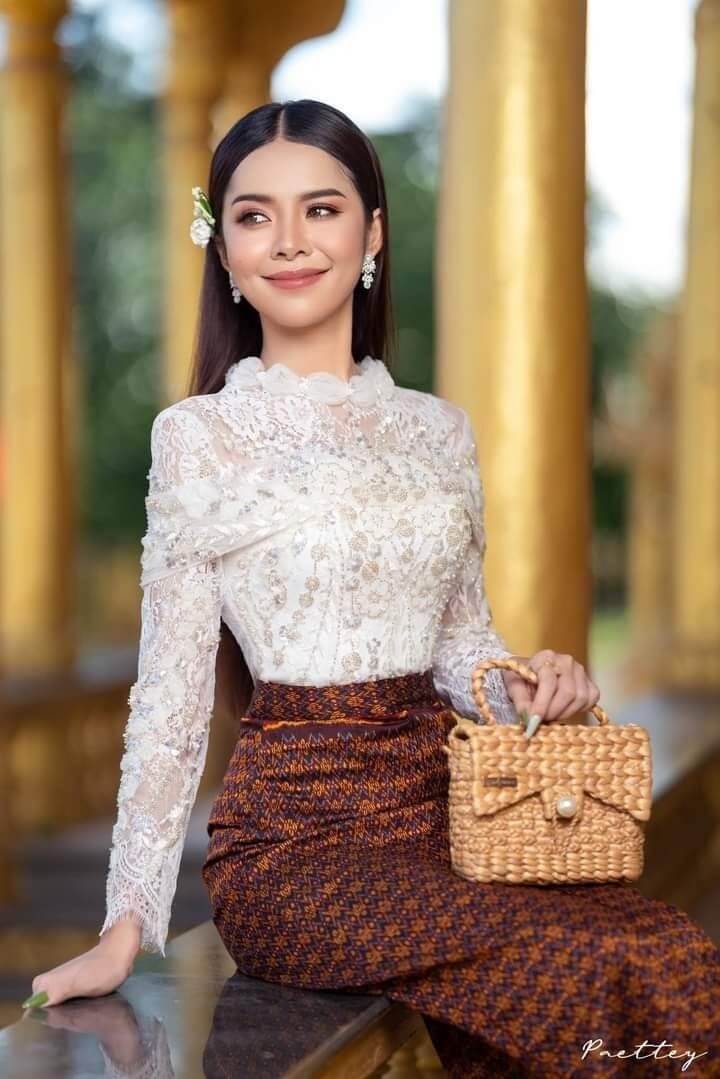
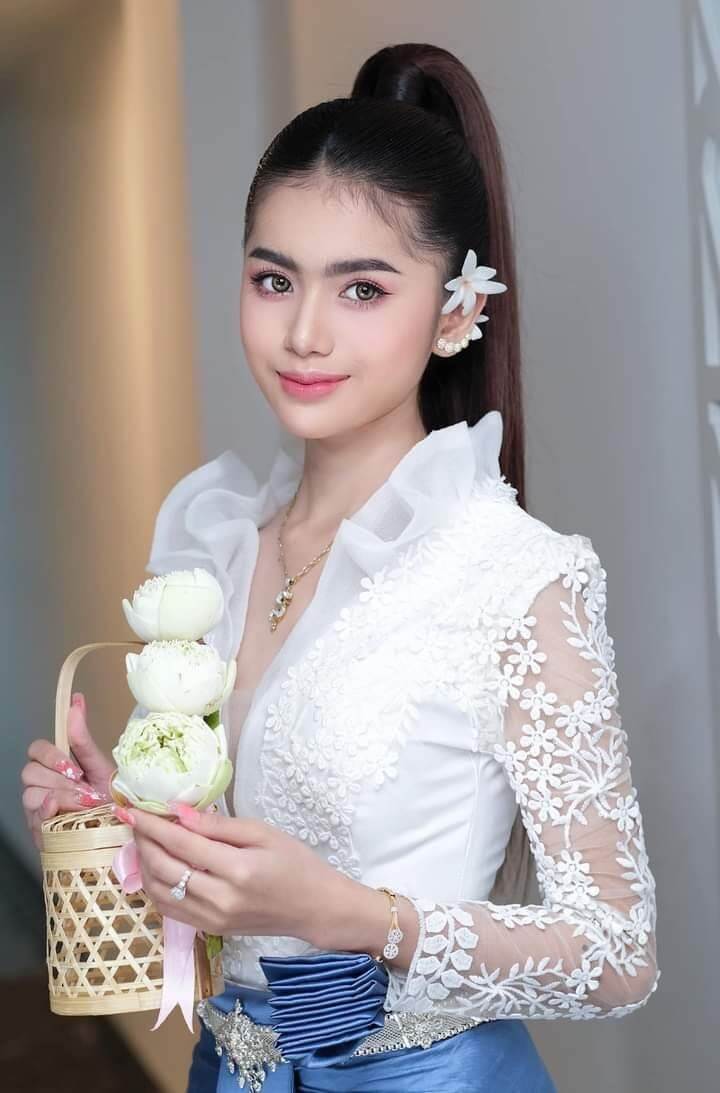
For many stakeholders within the fashion ecosystem, this period represents a major commercial opportunity.
Key industry participants include:
- Thai fashion brands launching seasonal collections
- Fashion designers creating festival-inspired garments
- Garment manufacturers producing lightweight summer clothing
- Textile wholesalers supplying breathable fabrics
- Hotels and tourism businesses catering to festival visitors
The Songkran season drives a surge in demand for fabrics that combine aesthetics with performance.
Fashion materials suitable for this period typically share several characteristics:
• Breathability
• Lightweight construction
• Comfort in hot climates
• Elegant visual appeal
Lace fabrics naturally fulfill these requirements, making them an ideal textile for Songkran fashion collections.
Designers frequently use lace to create garments such as:
- Contemporary Thai blouses
- Lace dresses
- Lightweight long-sleeve tops
- Lace skirts
- Festival-ready summer outfits
These garments allow wearers to maintain a refined appearance while staying comfortable in warm weather.
The Unique Charm of Lace in Songkran Fashion
In contemporary Thai fashion culture, Songkran has evolved beyond a simple holiday celebration. It has become a season where clothing reflects a harmonious blend of:
- Thai cultural heritage
- Tropical seasonal freshness
- Modern fashion sensibilities
Lace fabric plays an important role in achieving this balance.
1. Nature-Inspired Patterns Reflect the Spirit of Songkran
Many lace patterns draw inspiration from nature, making them especially fitting for a festival that symbolizes renewal and new beginnings.
Common lace motifs include:
Floral Patterns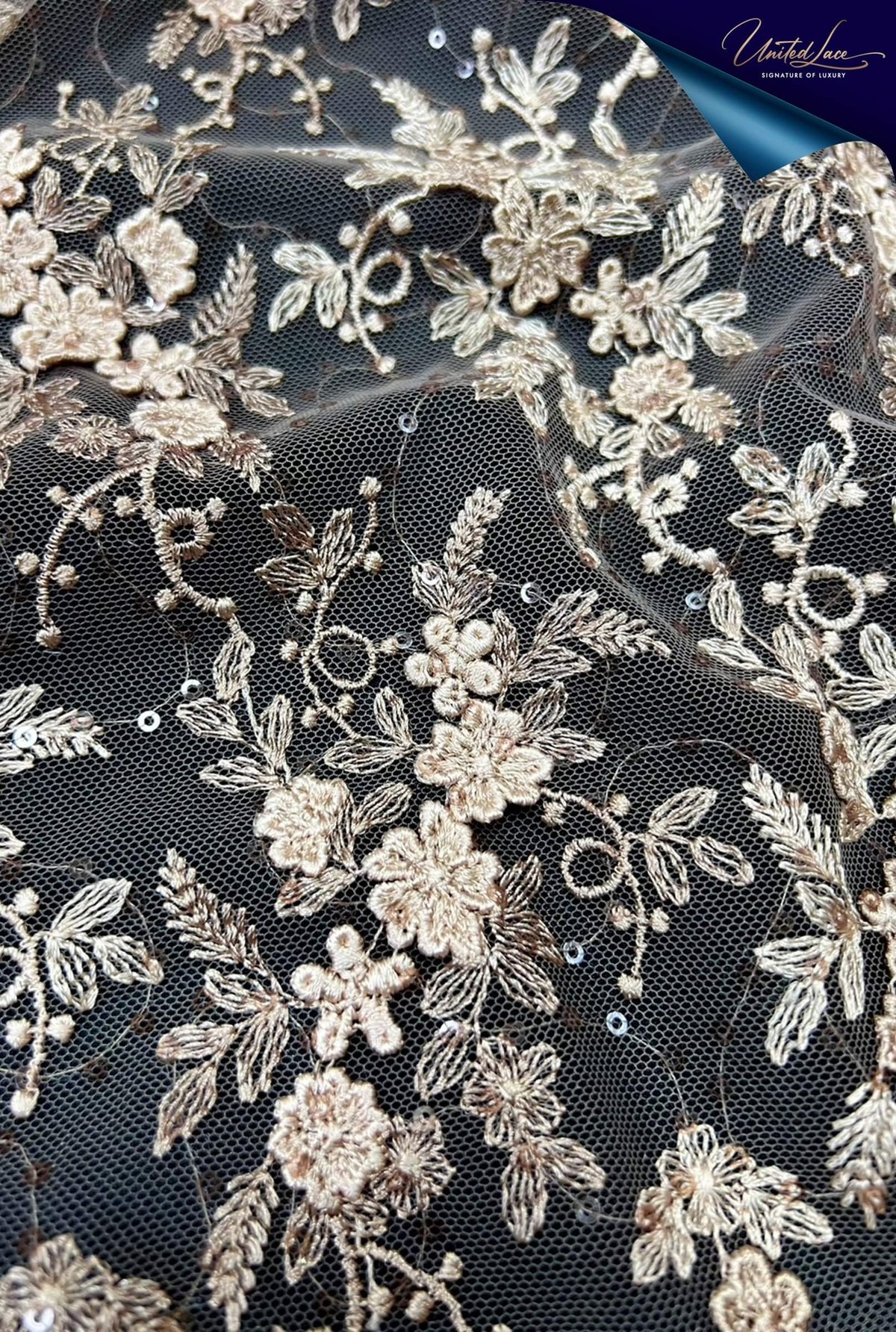
Small floral motifs create a gentle and feminine appearance. These designs are ideal for garments such as:
- Contemporary Thai blouses
- Songkran dresses
- Feminine summer tops
Floral lace patterns evoke freshness and elegance, aligning perfectly with the joyful atmosphere of the festival.
Leaf and Vine Patterns
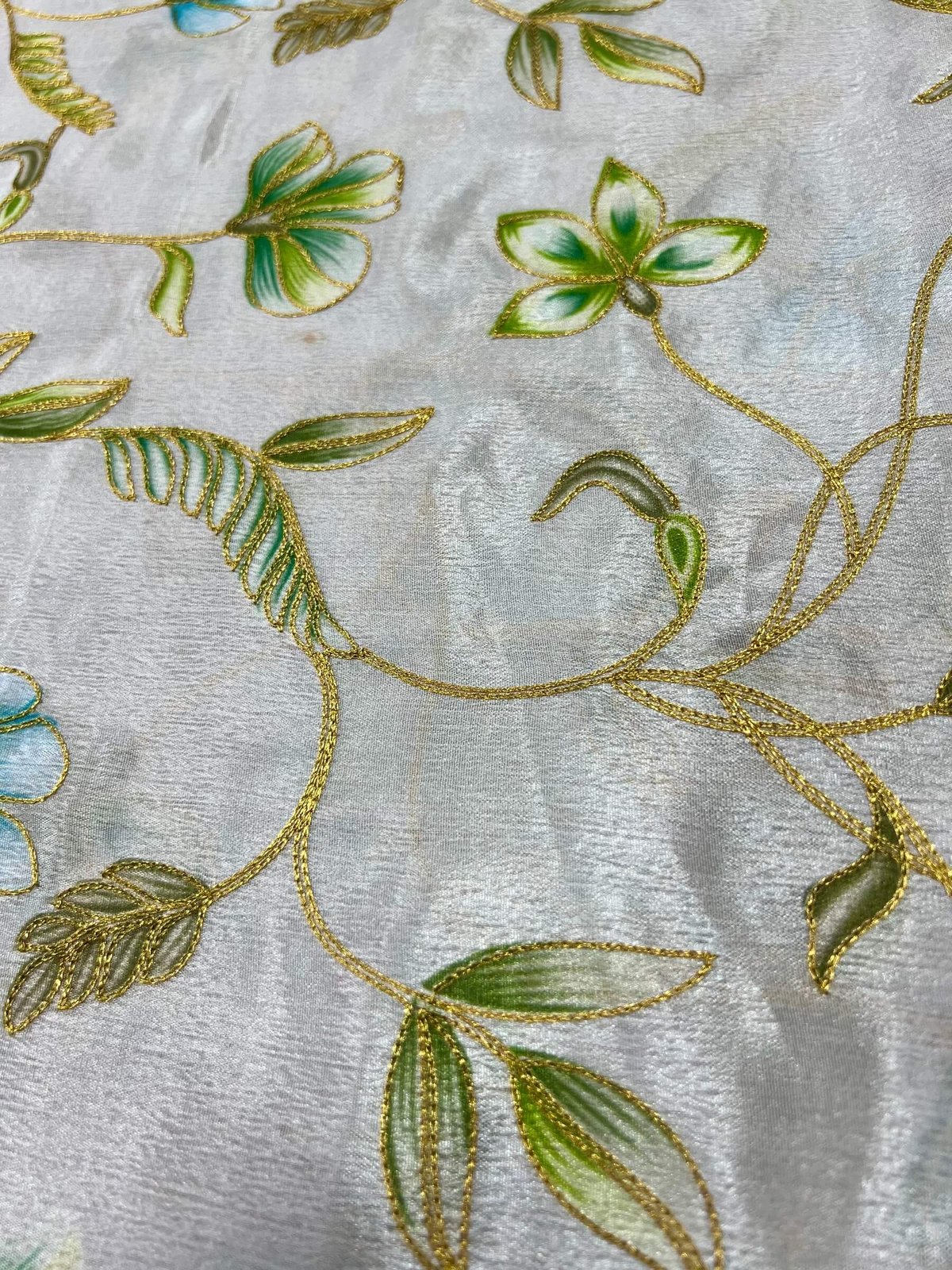
Lace designs inspired by leaves or flowing vines add a sense of movement to garments.
These patterns are particularly effective for designs that emphasize soft silhouettes, flowing fabrics, and graceful movement.
Raised Motifs and Framed Patterns
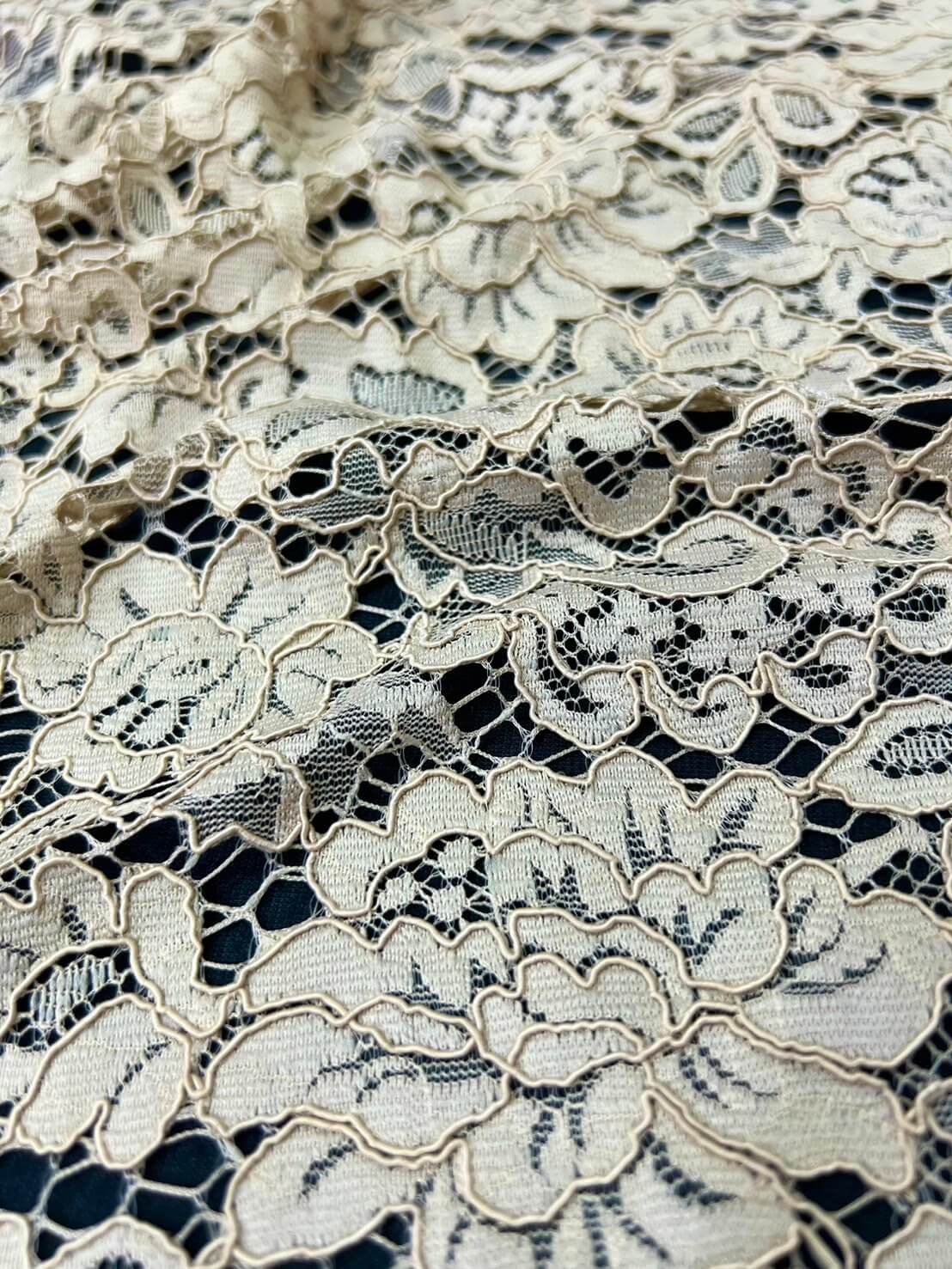
Some lace fabrics feature raised or clearly defined motifs that create texture and dimension.
These designs can elevate the visual impact of garments, making them ideal for fashion pieces that aim to project luxury and sophistication.
Such lace fabrics are often used for more refined festival looks that blend tradition with couture aesthetics.
2. Breathability and Comfort in Thailand’s Climate
Songkran takes place in April, one of the hottest months of the year in Thailand. As temperatures rise and humidity levels increase, fabric selection becomes a critical factor in garment design.
Fashion designers cannot focus solely on aesthetics. They must also consider how fabrics perform in real-world conditions.
Many lace fabrics naturally provide excellent airflow due to their openwork construction. Popular breathable lace types include:
- Cotton Lace
- Eyelet Lace
- Tulle Lace
These materials allow air to circulate through the fabric, helping wearers remain comfortable even in warm environments.
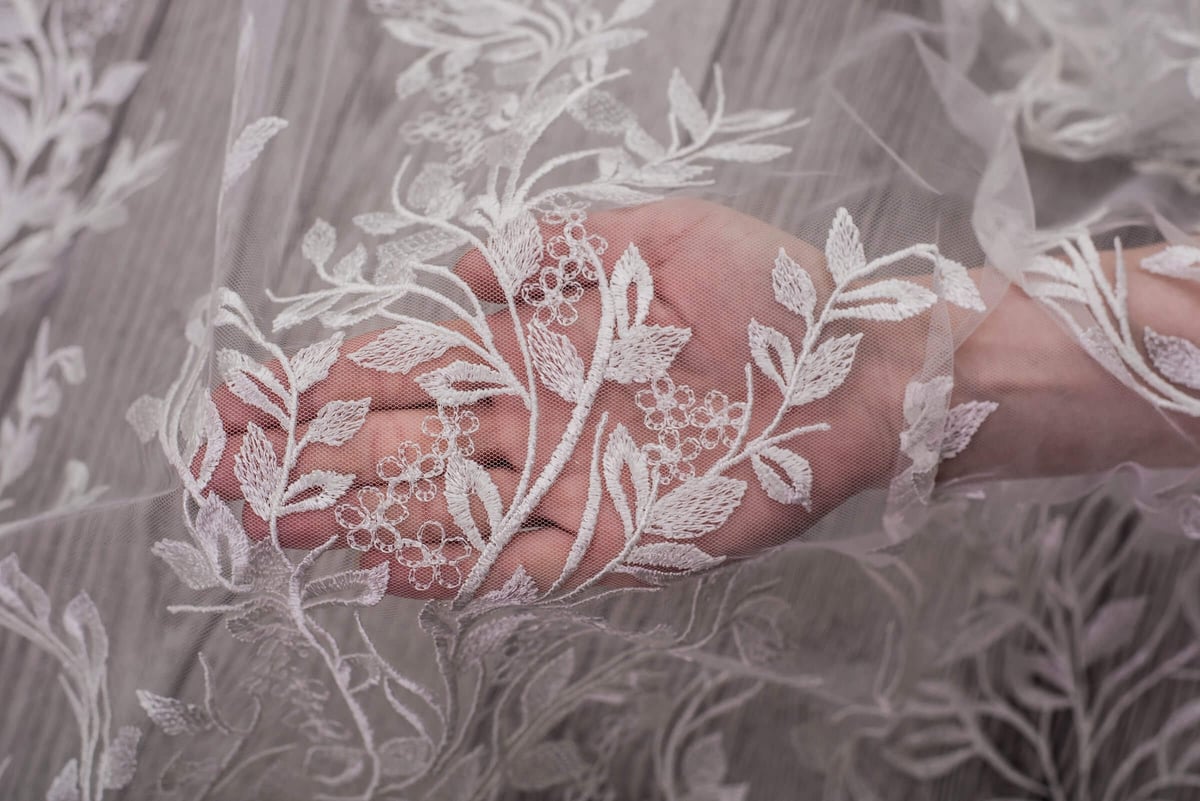
For Songkran clothing, this balance between elegance and comfort is essential.
3. Subtle Luxury: Elevating Contemporary Thai Fashion
Another reason lace has become popular in Songkran fashion is its ability to elevate garments without making them heavy or overly formal.
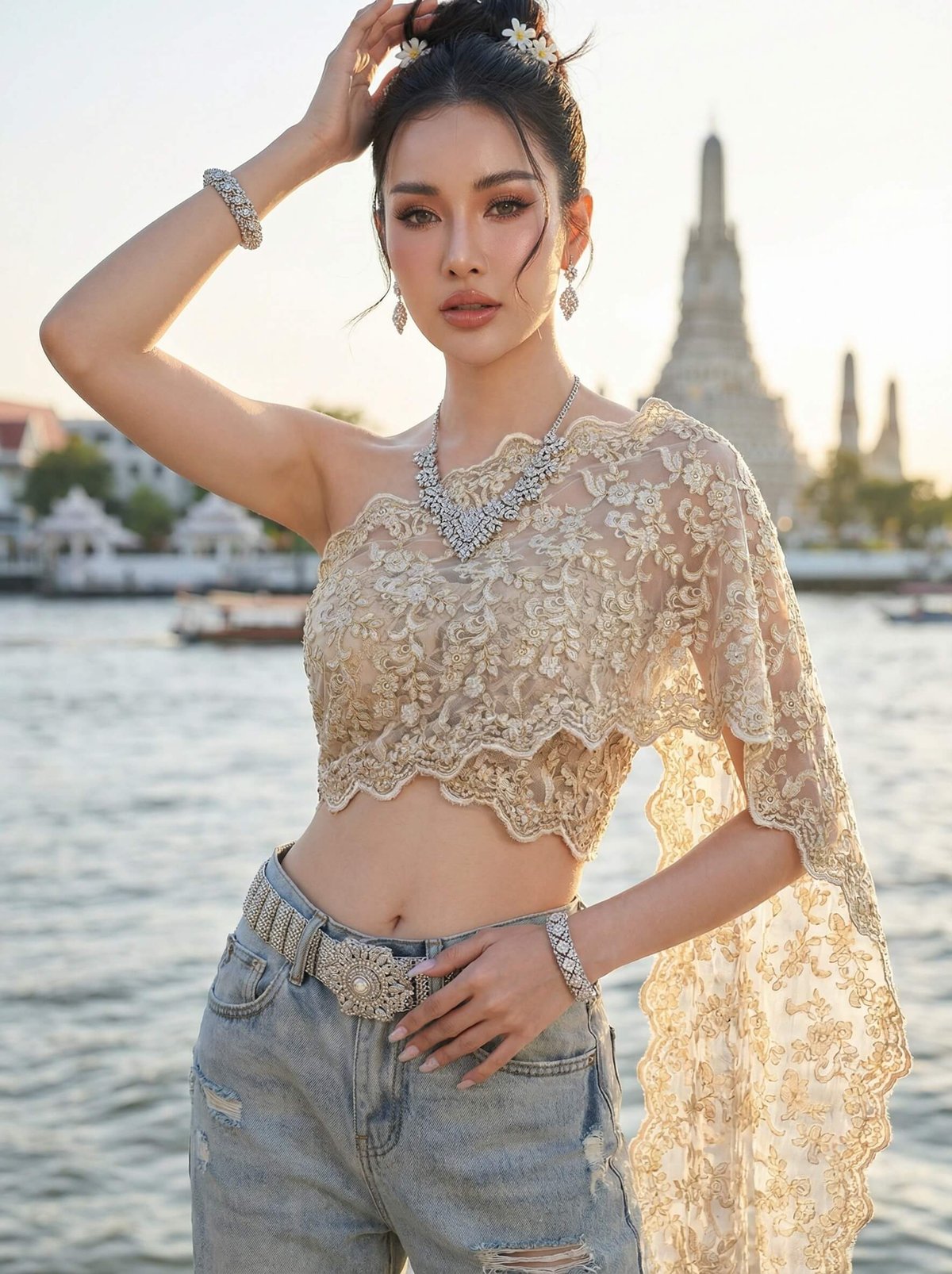
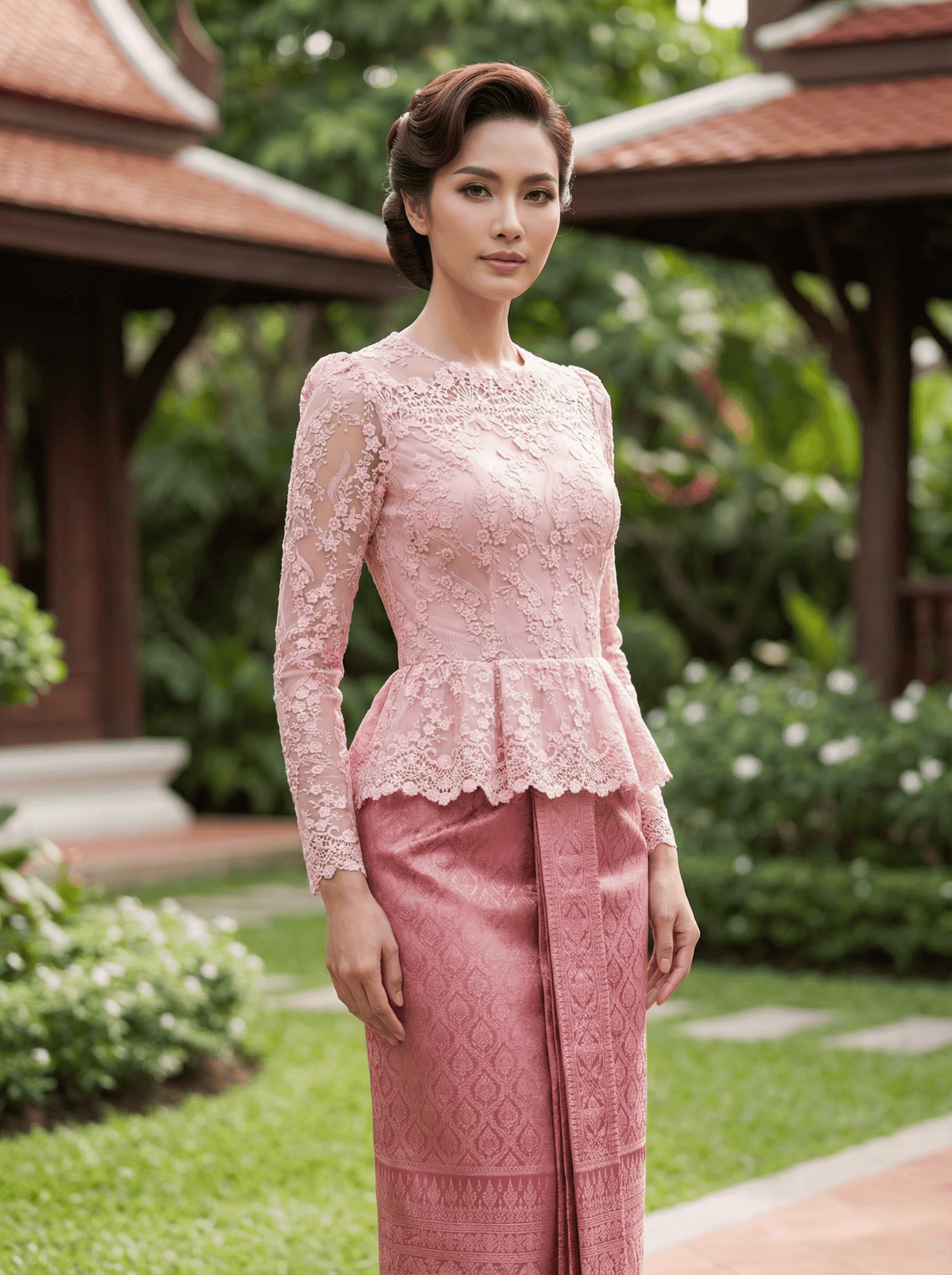
Lace naturally adds a sense of refinement, femininity, and sophistication to clothing.
Even simple garments can appear more luxurious when lace is incorporated into their design.
Examples include:
- Lace Thai blouses
- Lace shawls or sabai
- Contemporary Thai lace dresses
The intricate patterns of lace create visual richness while preserving the softness and elegance associated with Thai aesthetics.
Types of Lace Suitable for Songkran Fashion
Selecting the appropriate lace is essential for designers who wish to create garments suited to Thailand’s climate and cultural context.
Several types of lace are particularly well suited for Songkran collections.
Cotton Lace – Comfort for Summer
Cotton lace is one of the most practical materials for tropical climates.
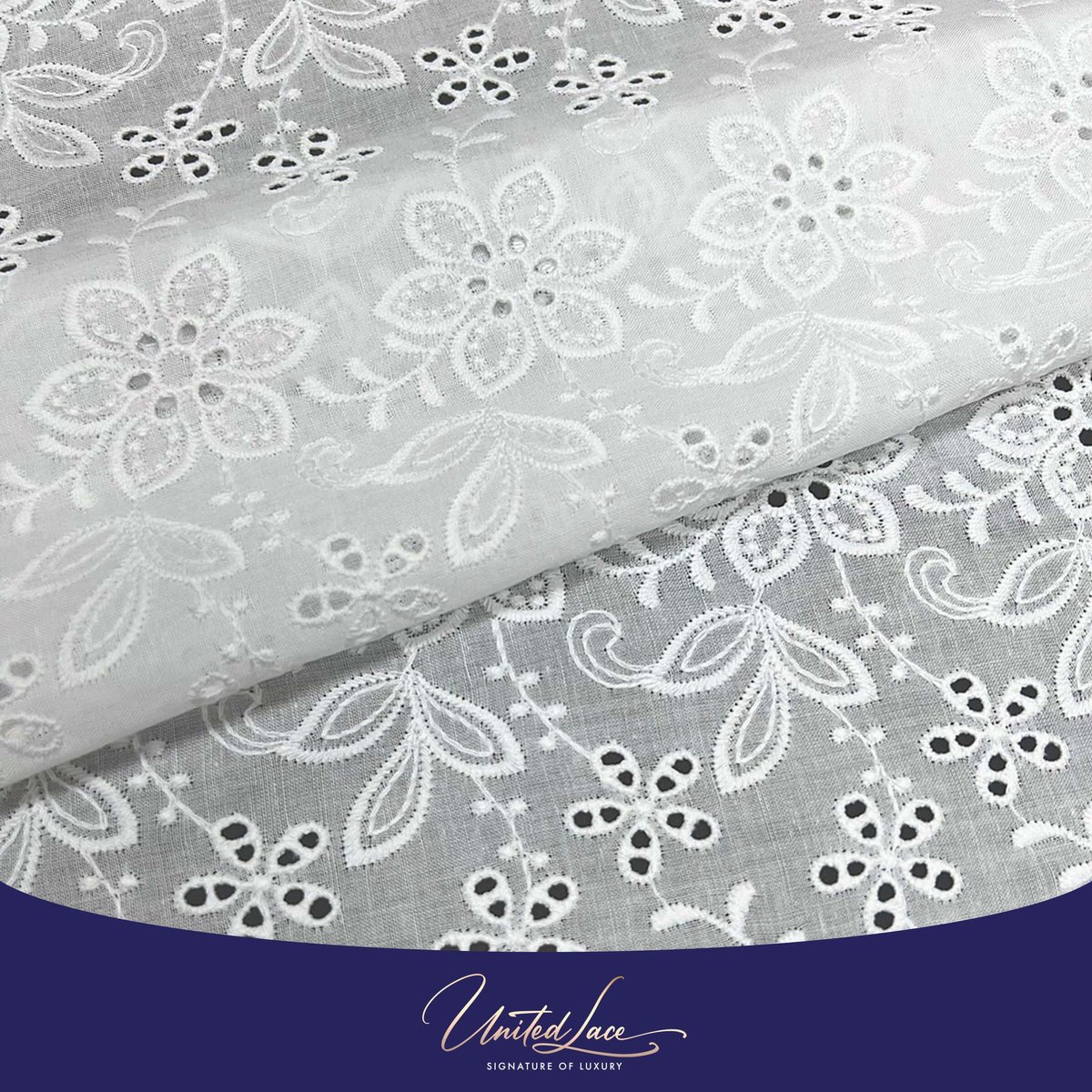
Key characteristics include:
- Natural fiber composition
- High breathability
- Lightweight texture
- Soft and comfortable feel
Cotton lace also has a more natural matte finish compared with synthetic lace, making it especially suitable for daytime garments.
Design applications include:
- Short sleeve blouses
- Three-quarter sleeve tops
- Contemporary Thai shirts
- Daytime dresses
- Temple visit outfits during Songkr
Eyelet Lace – Fresh and Casual Summer Style
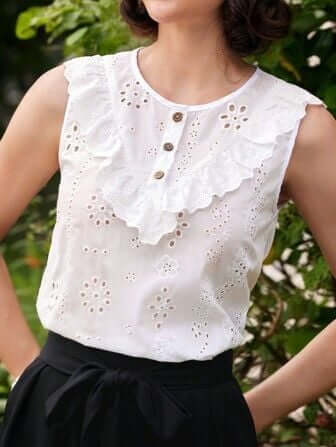
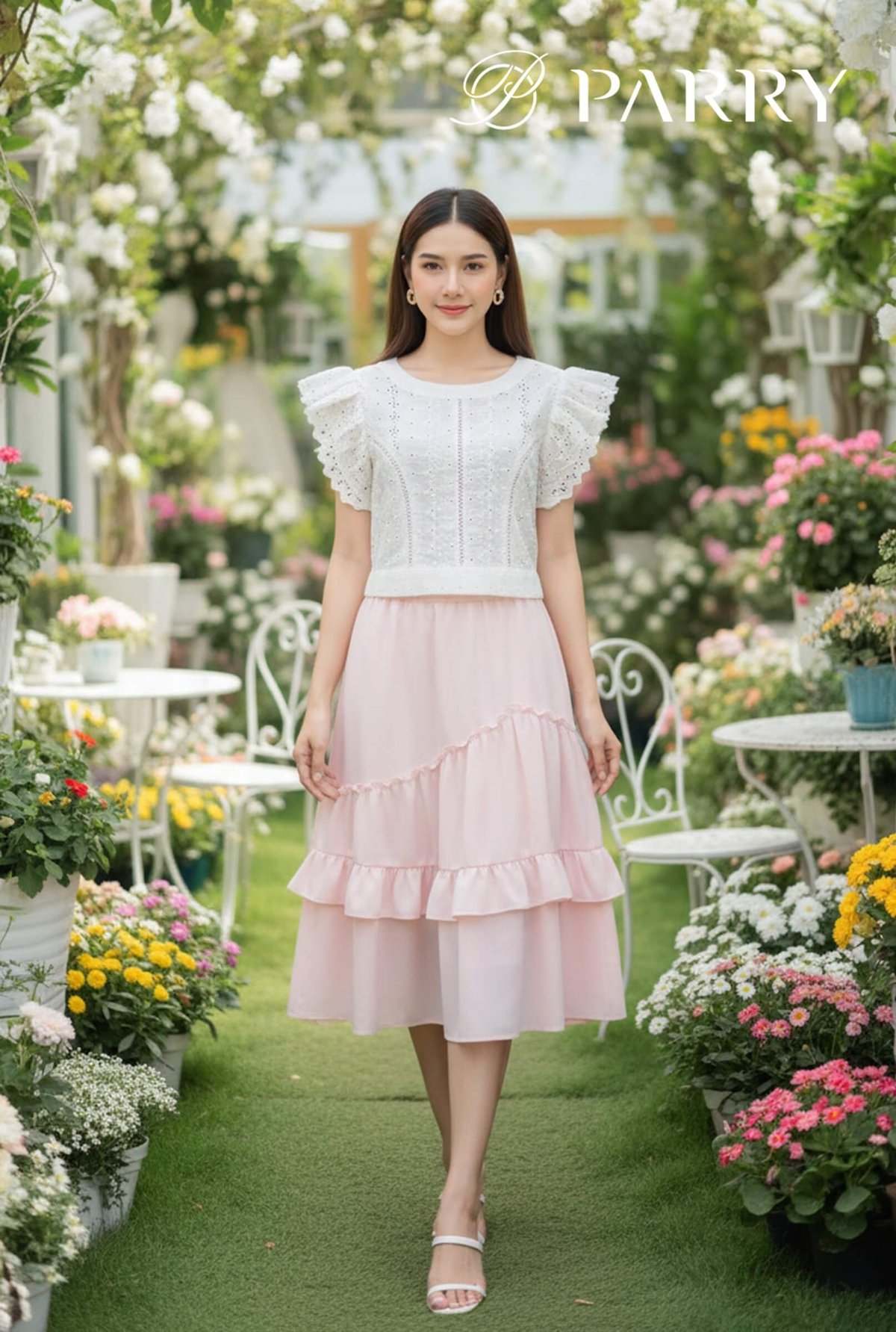
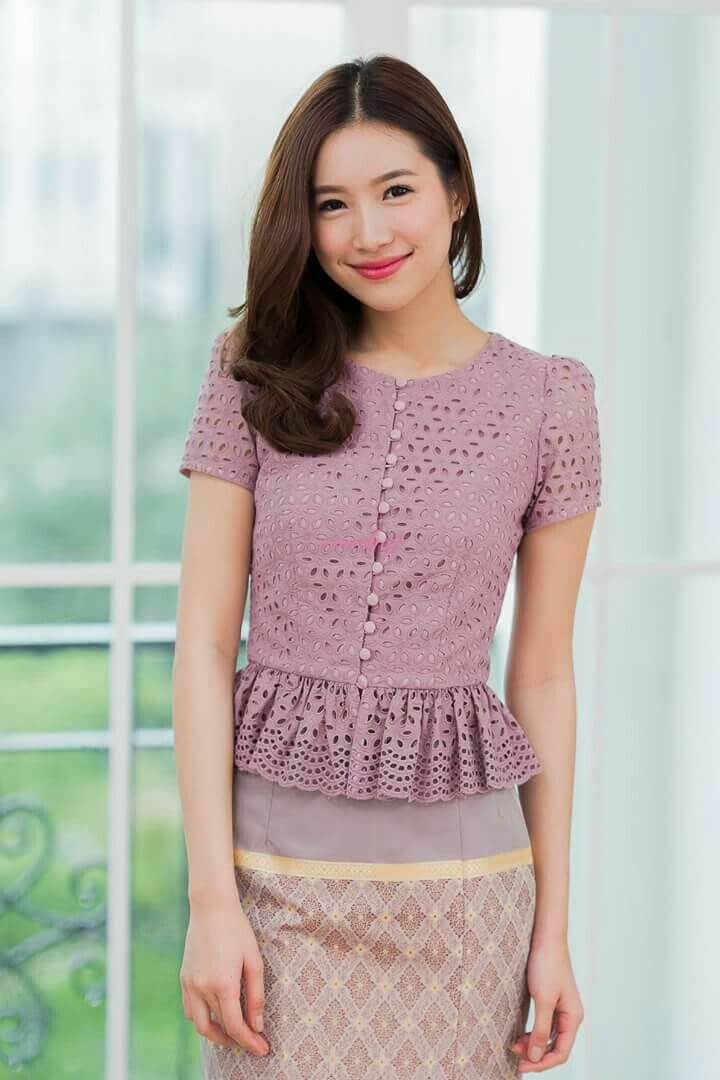
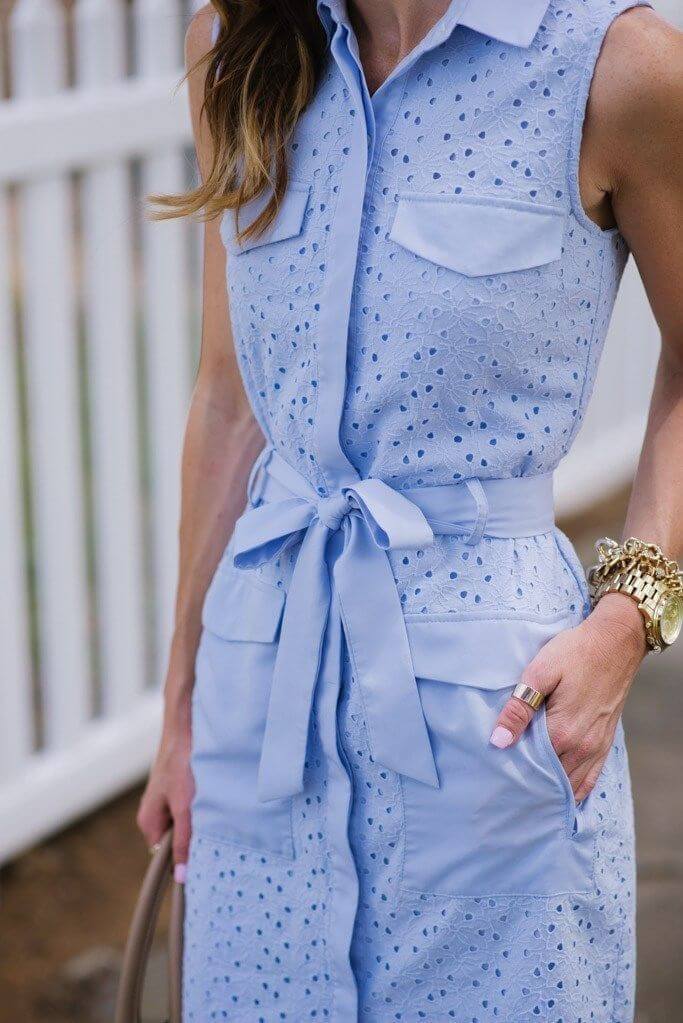
Eyelet lace is recognizable by its small perforated holes that form decorative patterns.
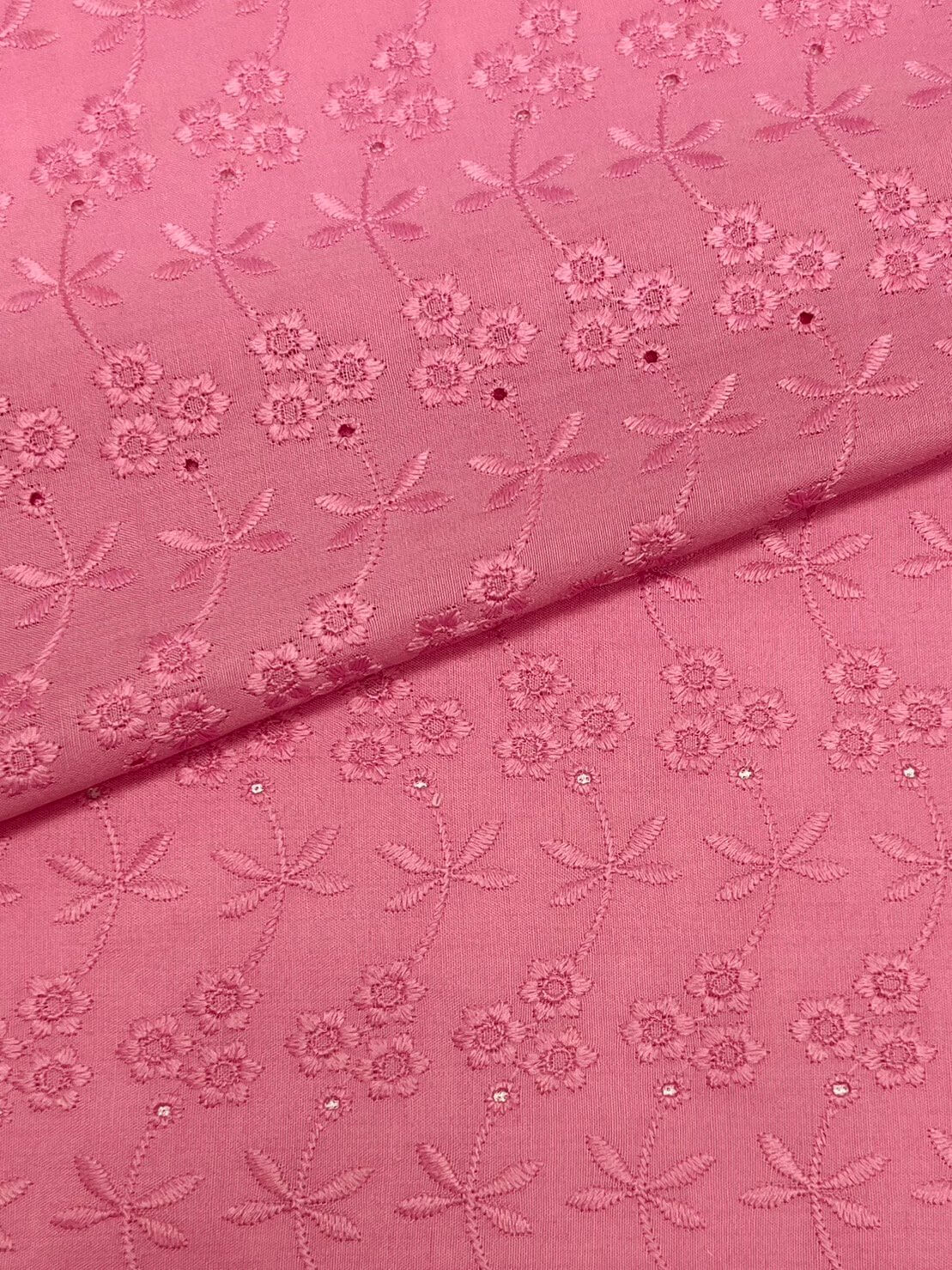
These holes increase airflow and contribute to the fabric’s cooling effect.
In fashion design, eyelet lace often conveys a casual-elegant aesthetic, making it perfect for daytime Songkran fashion.
Typical style inspirations include:
- Resort-inspired summer looks
- Feminine casual dresses
- Modern Thai casual outfits
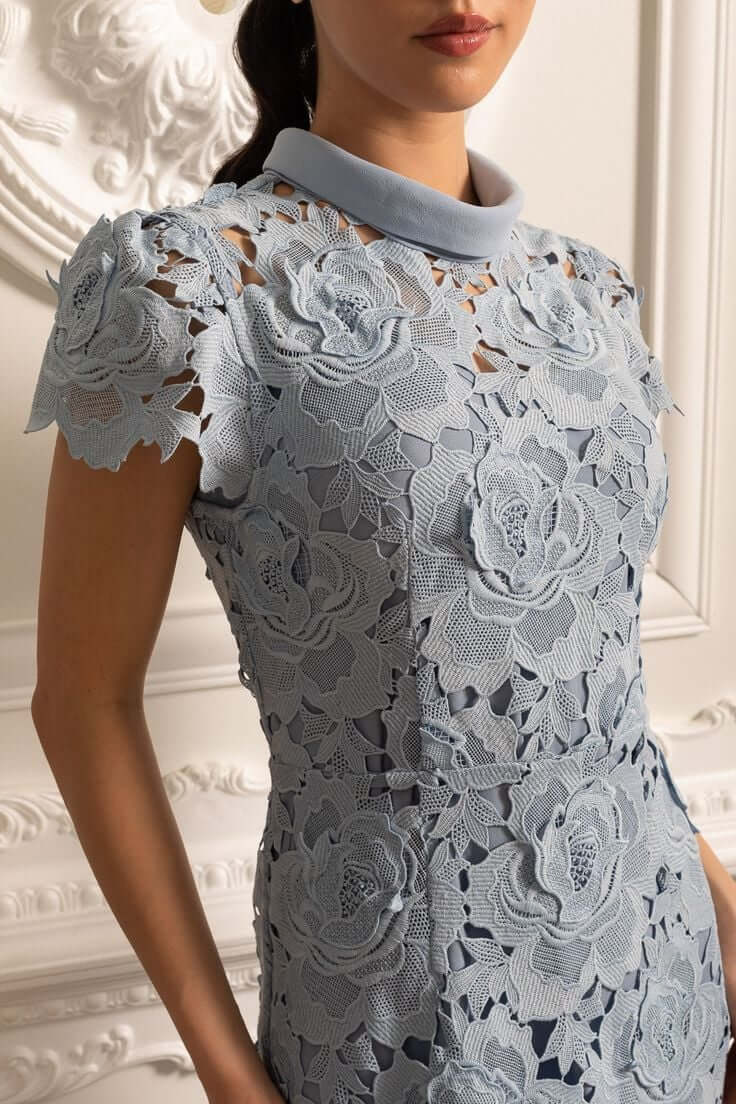
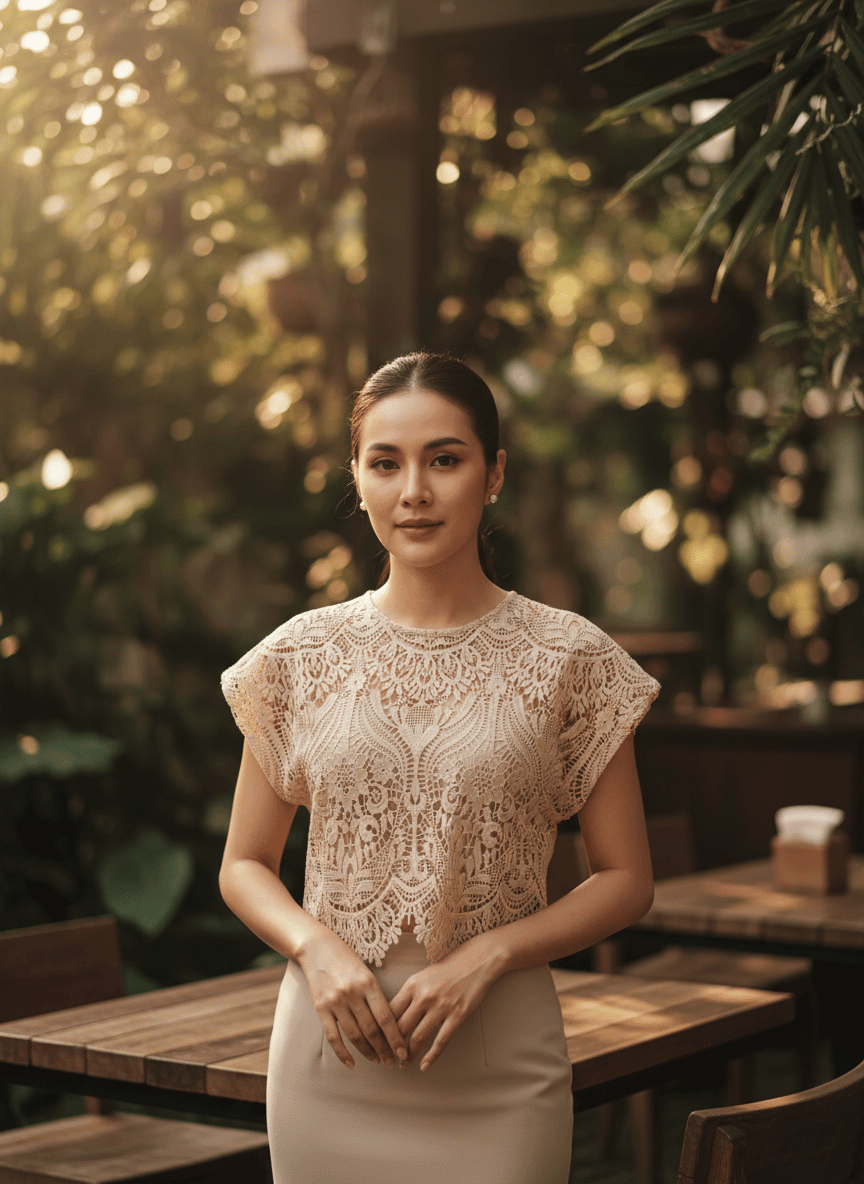
 Guipure Lace – Bold Structure and Statement Design
Guipure lace differs from many other lace types because it does not rely on a net background.
Instead, the motifs are connected by decorative bars or threads, creating a bold structural design.
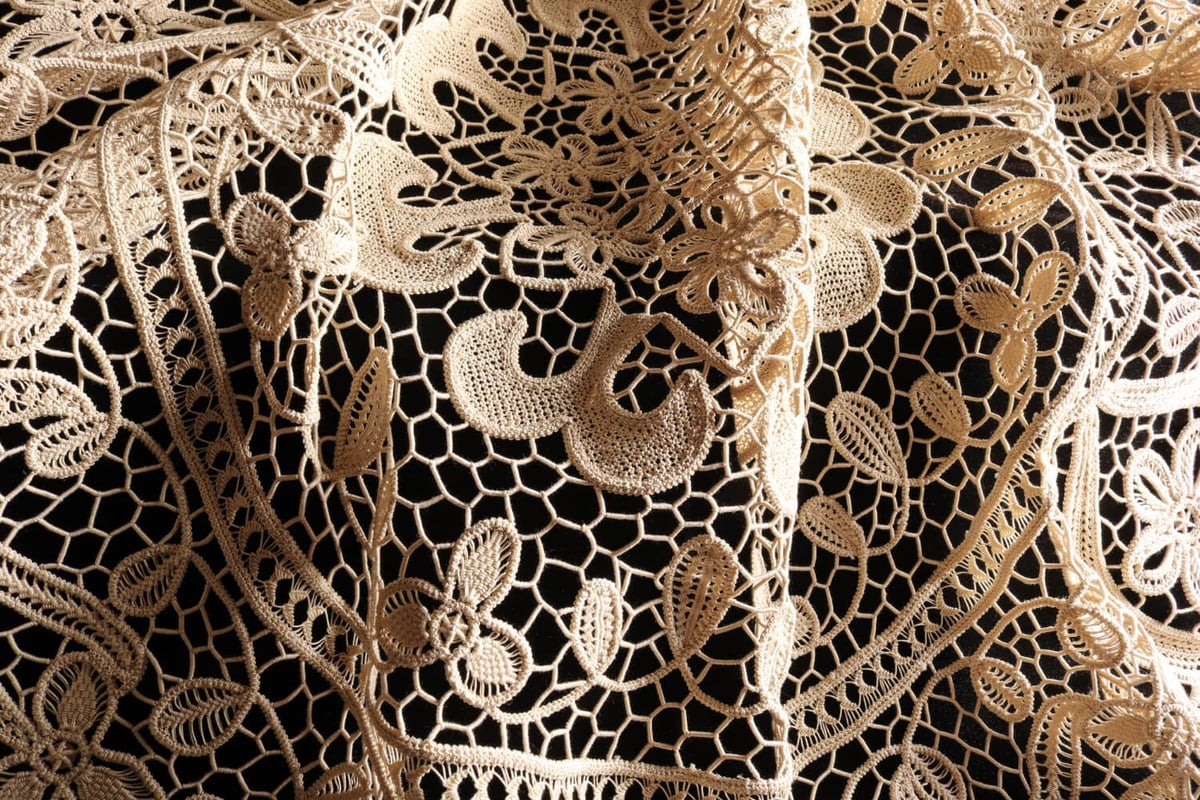
This type of lace offers several advantages:
- Clear and distinctive patterns
- Strong visual structure
- Breathable open spaces between motifs
- Moderate fabric weight suitable for summer
Guipure lace is particularly effective for garments that aim to stand out visually.
Common design applications include:
- Statement blouses
- Contemporary Thai dresses
- Fashion-forward festival outfits
Chantilly Lace – Romantic Elegance
Chantilly lace is known for its extremely delicate floral patterns and soft net background.
This lace type is often associated with elegance and romance.
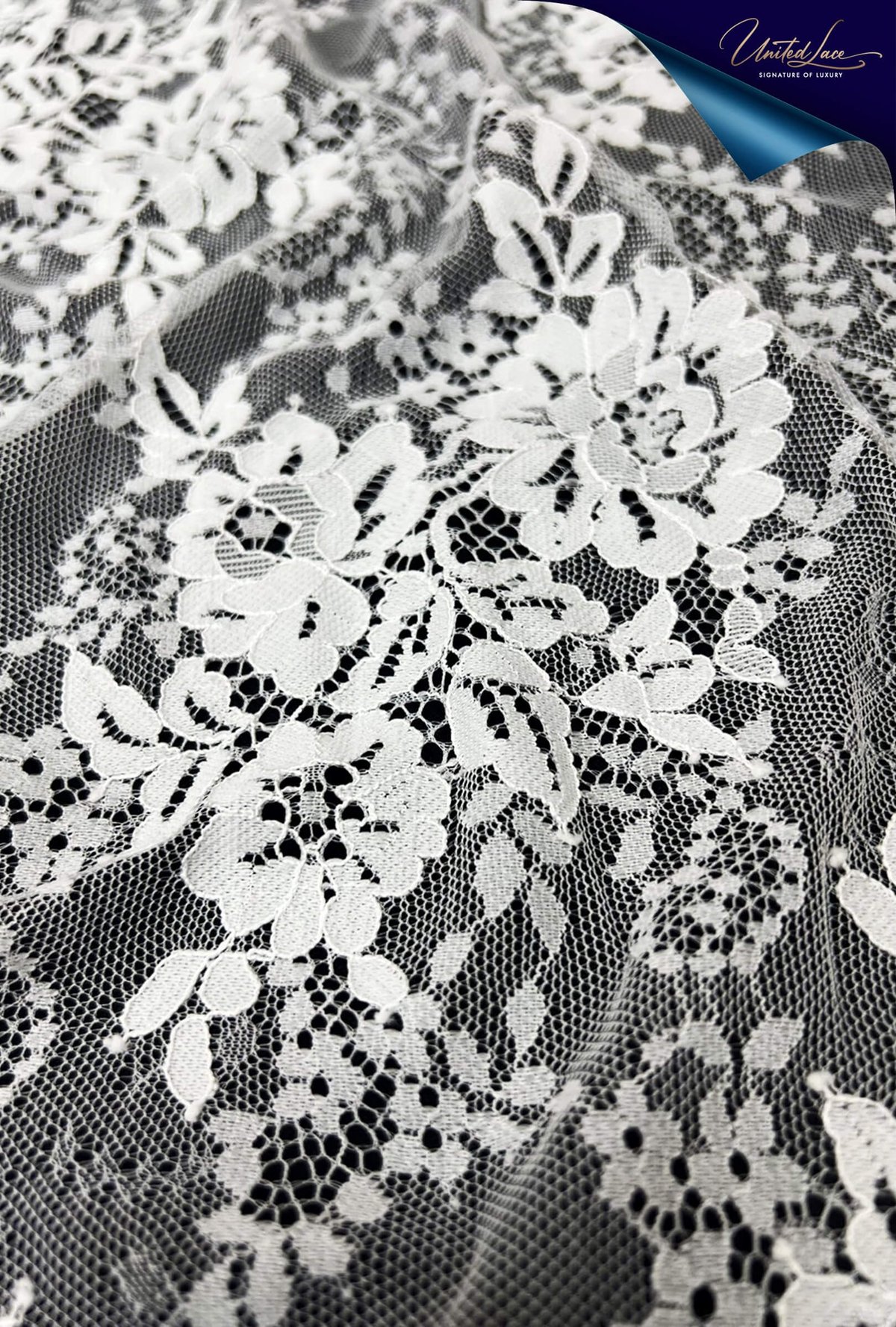
Characteristics include:
- Fine threadwork
- Detailed floral motifs
- Lightweight construction
- Elegant drape
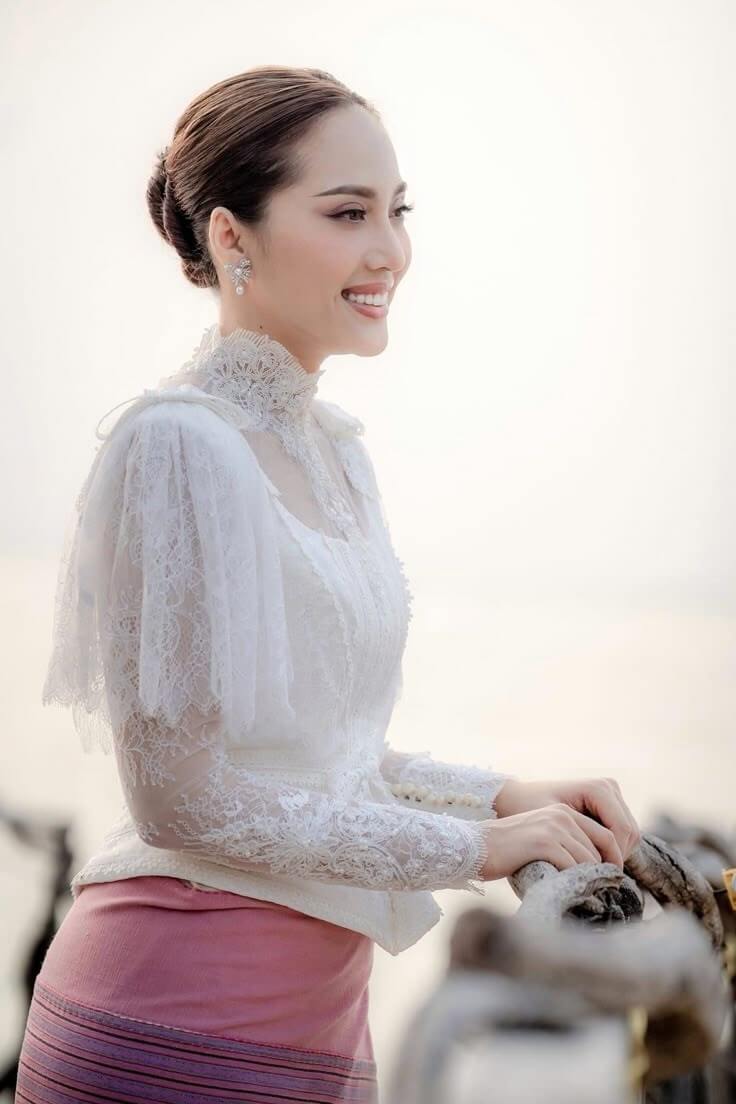
Because of its refined appearance, Chantilly lace is frequently used in garments such as:
- Lace dresses
- Feminine fashion tops
- Romantic contemporary Thai garments
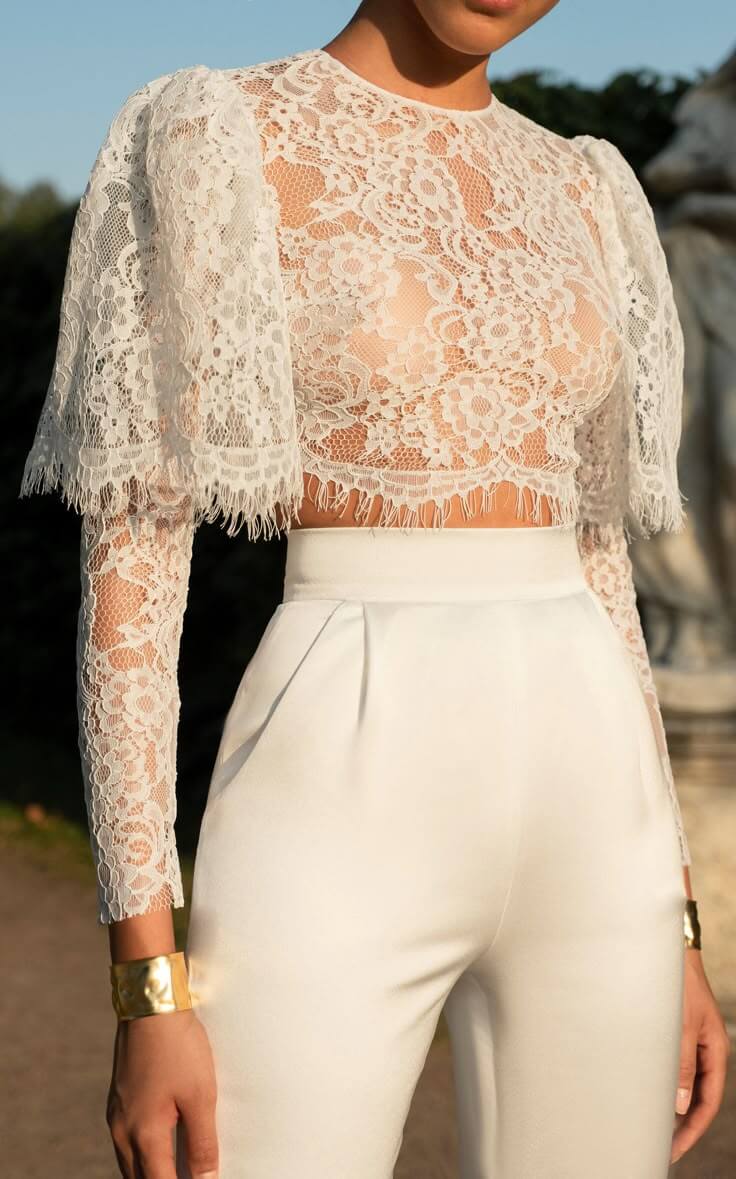
Tulle Lace and Fancy Tulle – Soft Layers and Movement
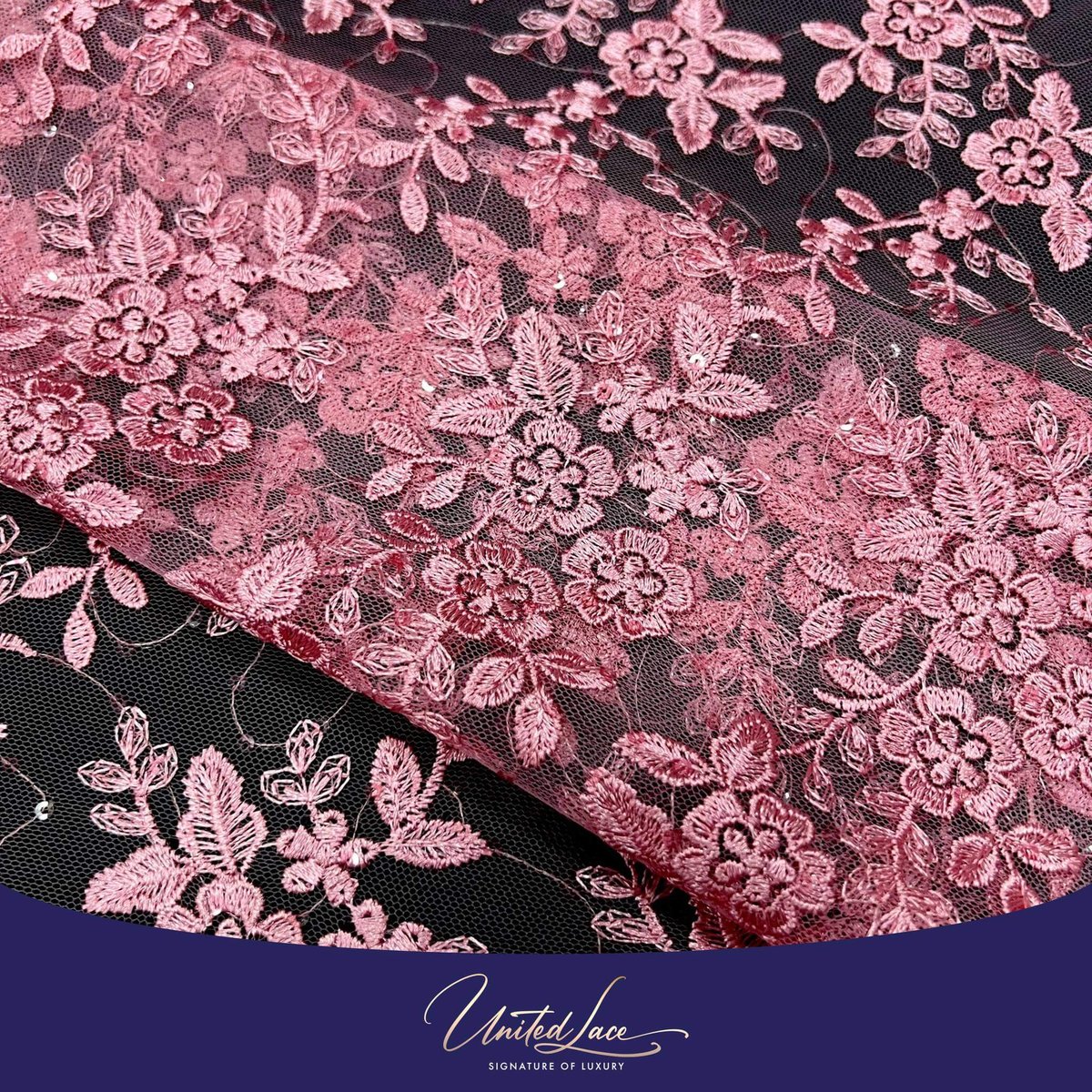 Tulle lace provides a soft, lightweight appearance with beautiful fabric movement.
This type of lace is especially suitable for layering techniques in fashion design.
Common uses include:
- Soft puff sleeves
- Layered skirts
- Sheer shawls
- Decorative overlays
These elements add a dreamlike quality to contemporary Thai fashion.
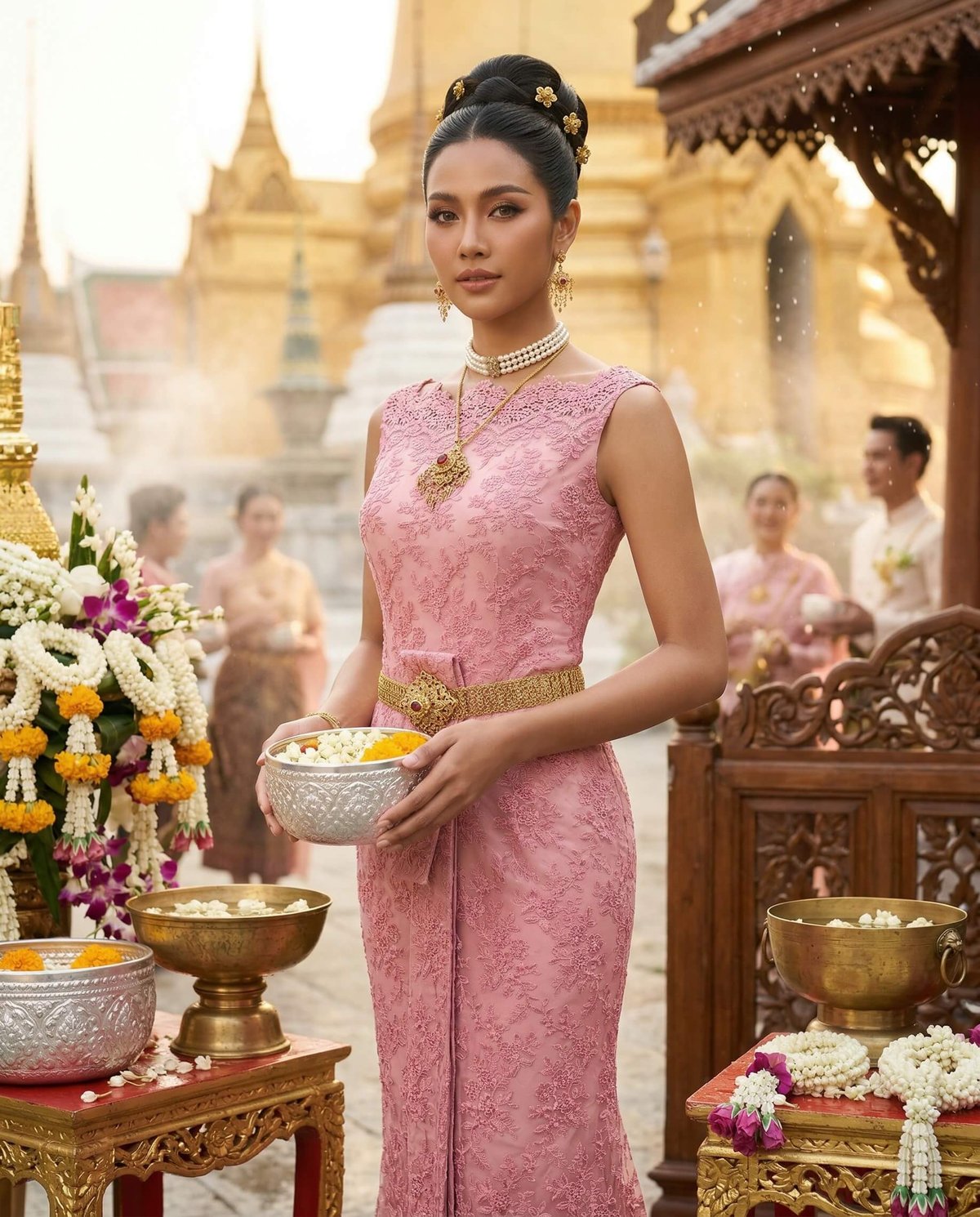
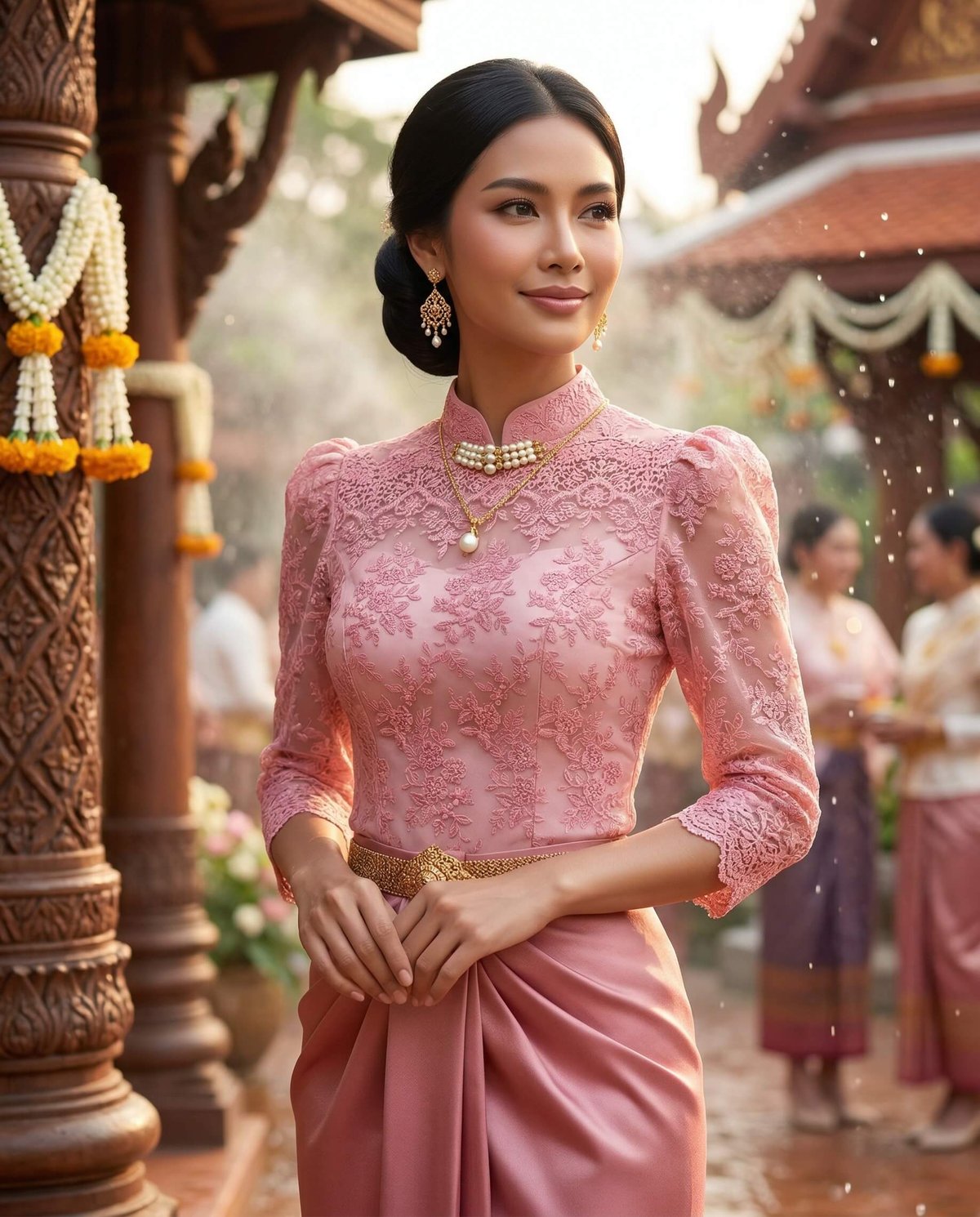
Designing Songkran Fashion with Lace
Designers who wish to create successful Songkran collections can explore several design strategies using lace.
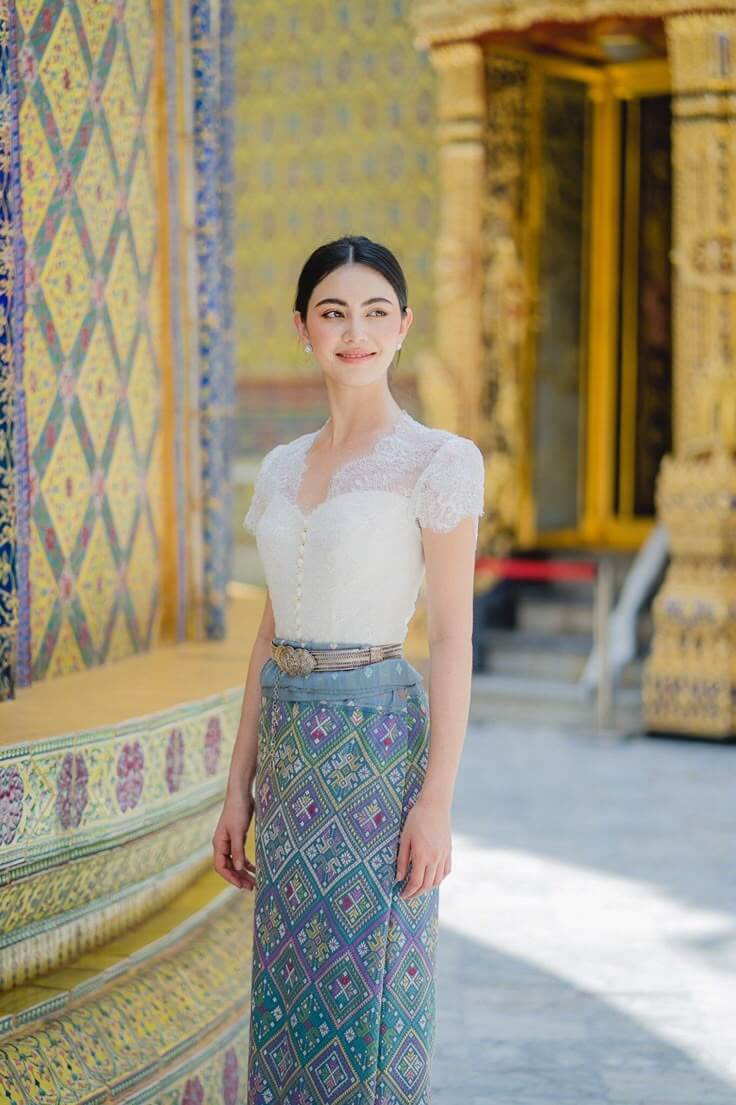
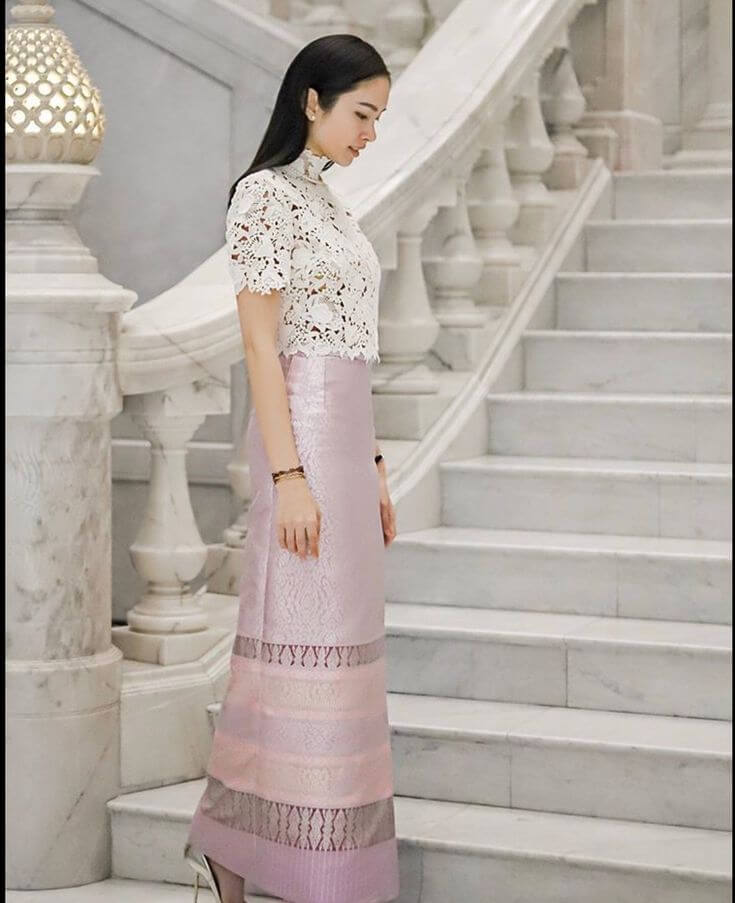
1. Combining Lace with Traditional Thai Fabrics
One popular approach is blending lace with traditional Thai textiles such as:
- Silk
- Cotton
- Linen
This combination allows designers to create garments that maintain Thai cultural identity while incorporating modern aesthetics.
For example:
Lace sleeves paired with silk bodices can create an elegant fusion of tradition and innovation.
2. Using Lace as Decorative Elements
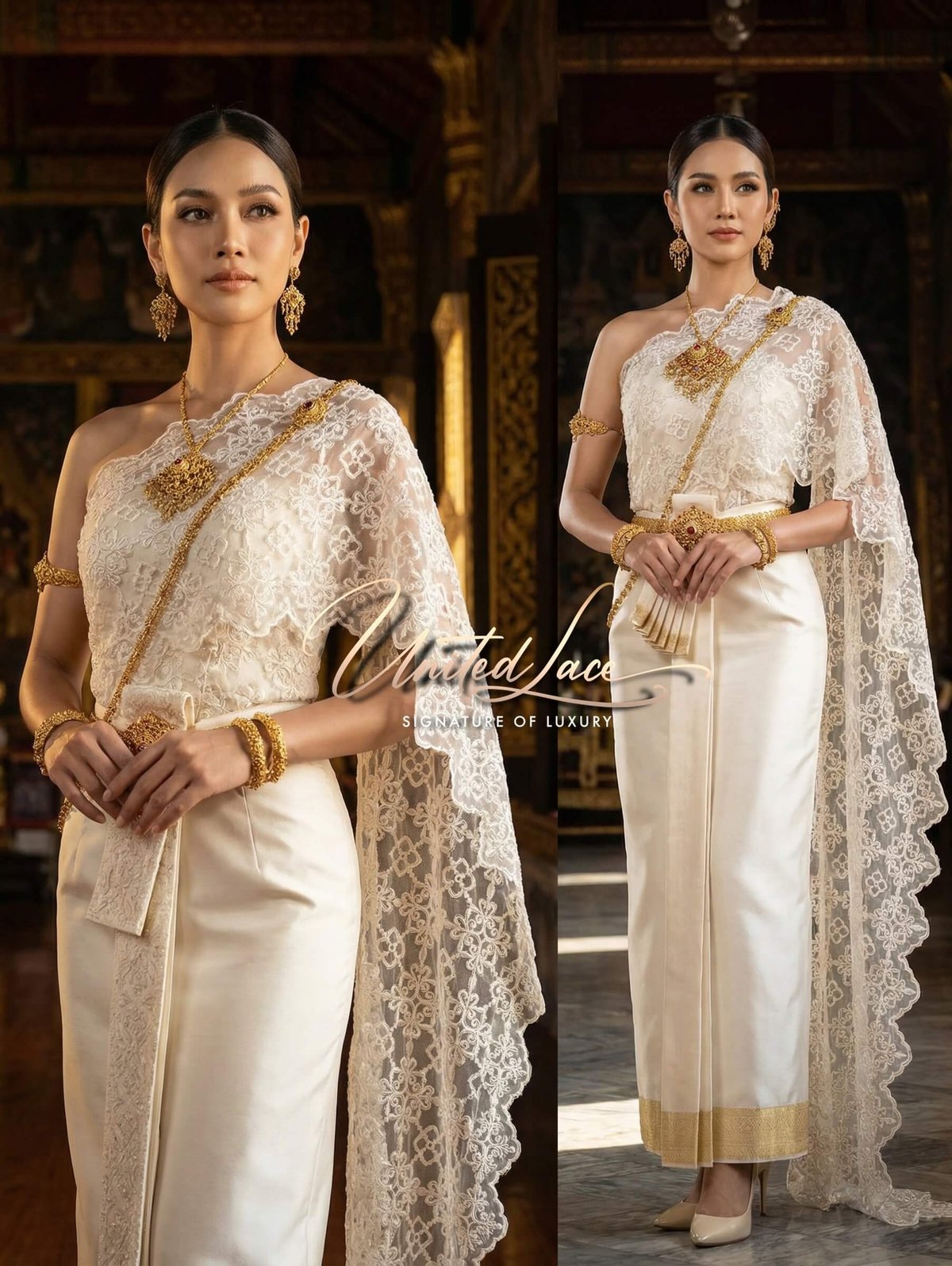
Lace can also be used selectively as decorative accents.
Common placements include:
- Sleeves
- Collars
- Sabai (Thai shawl)
- Skirt hems
These subtle additions enhance garment detail without overwhelming the overall design.
3. Designing Full Lace Garments
Many modern designers now use lace as the primary material in their designs.
Examples include:
- Full lace dresses
- Lace blouse and skirt sets
- Lace jumpsuits
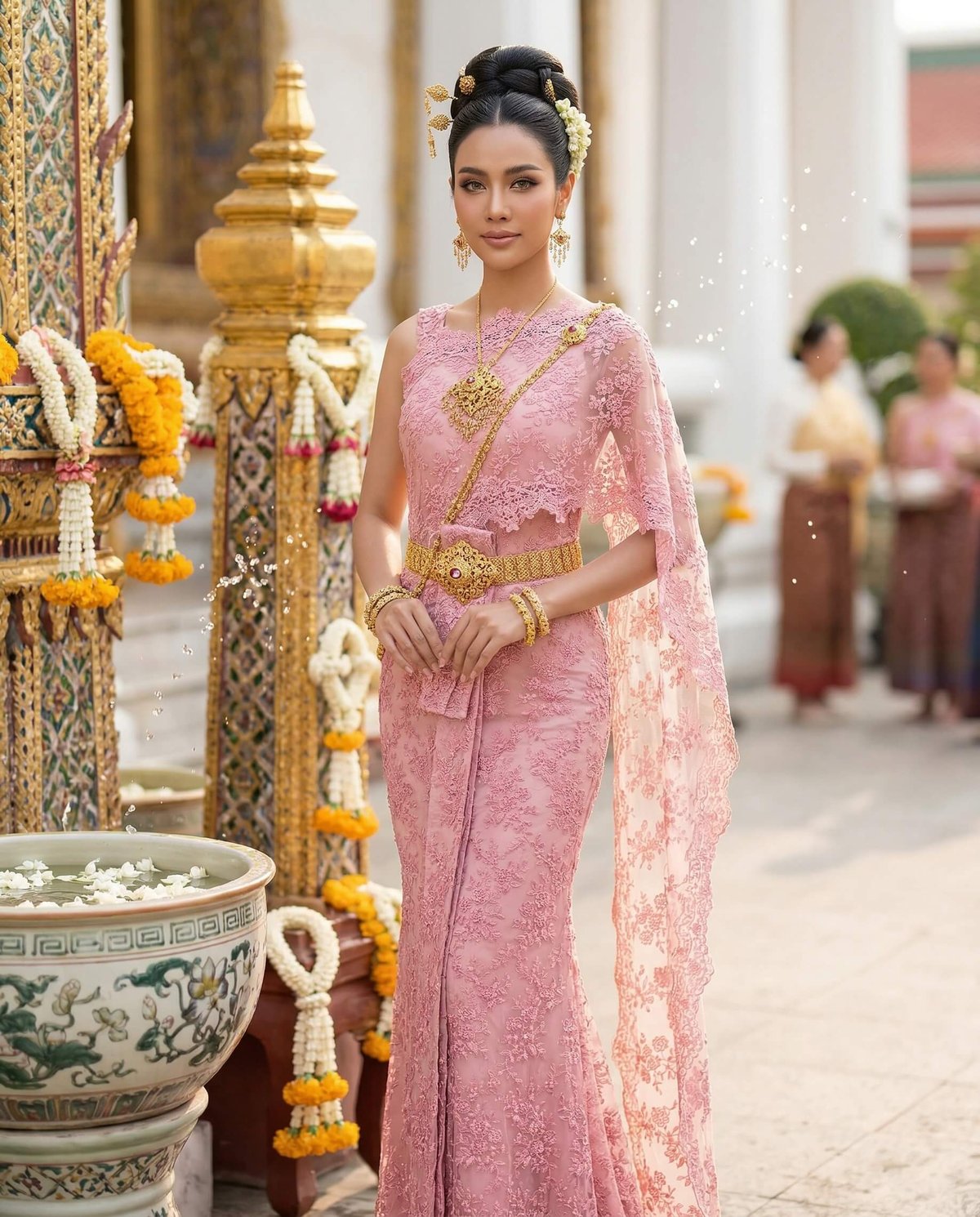 These designs often appeal to international fashion markets and contemporary consumers.
Business Opportunities for Designers and Manufacturers
The market for Songkran fashion extends beyond Thailand.
International opportunities exist in several segments:
- Thai communities abroad
- Asian fashion markets
- Tourism-related fashion retail
Designers who incorporate lace into culturally inspired collections can create products that appeal to both domestic and international consumers.
For garment manufacturers and textile suppliers, this trend presents an opportunity to develop specialized seasonal fabrics and collaborate closely with fashion designers.
United Lace: A Strategic Partner for Designers
For fashion designers and garment manufacturers, selecting the right lace fabric is critical to achieving both aesthetic and commercial success.
At United Lace, the focus extends beyond simply selling fabrics.
With more than 75 years of experience in lace distribution in Thailand, the company works closely with:
- Fashion designers
- Garment manufacturers
- Fabric retailers
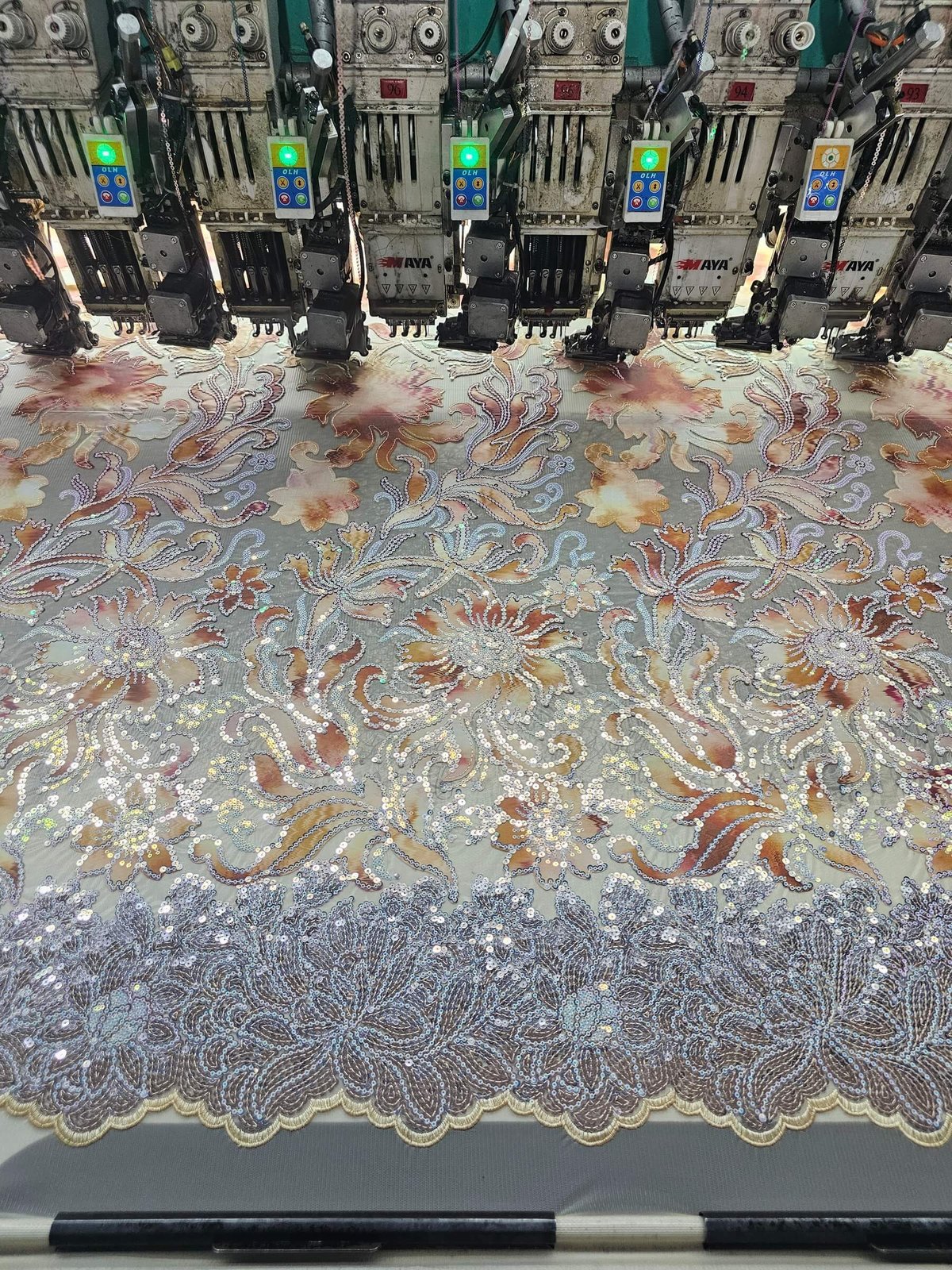
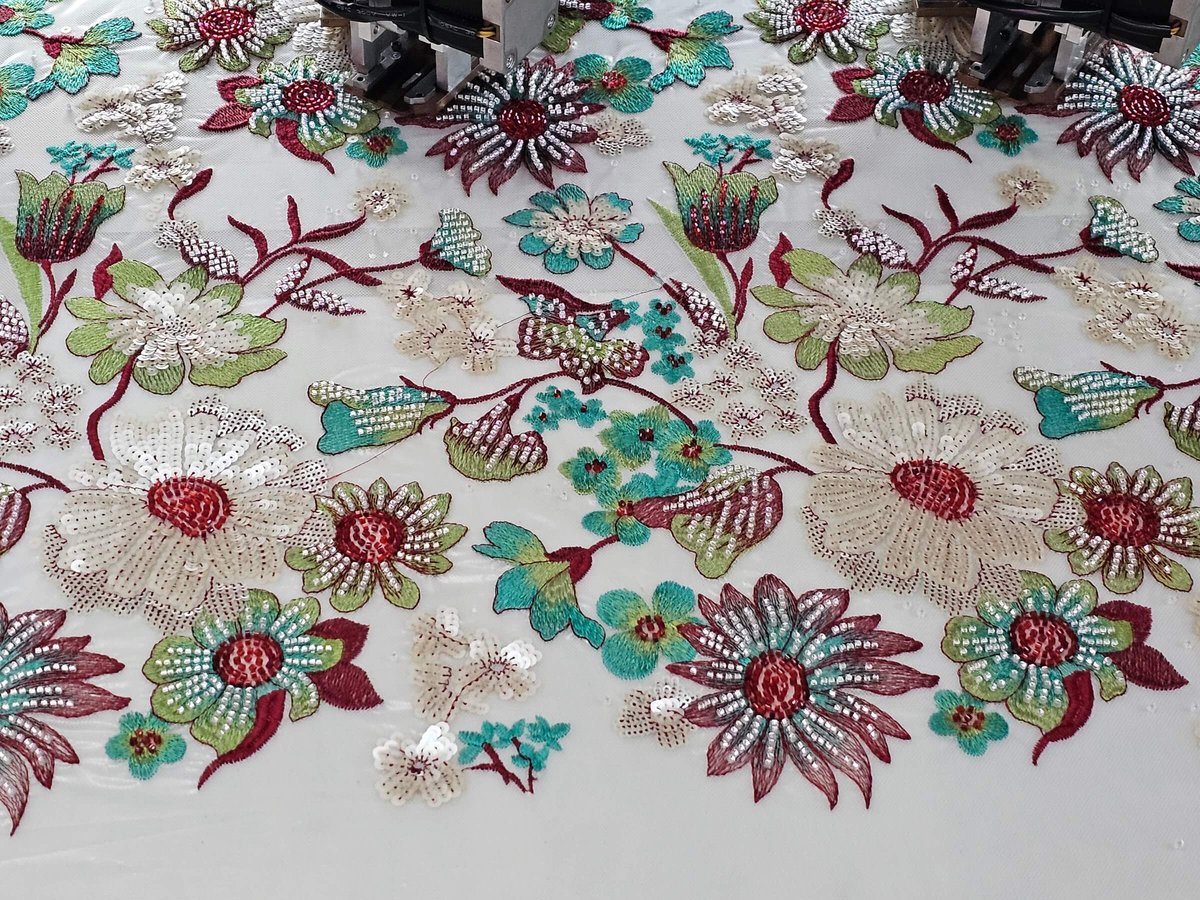
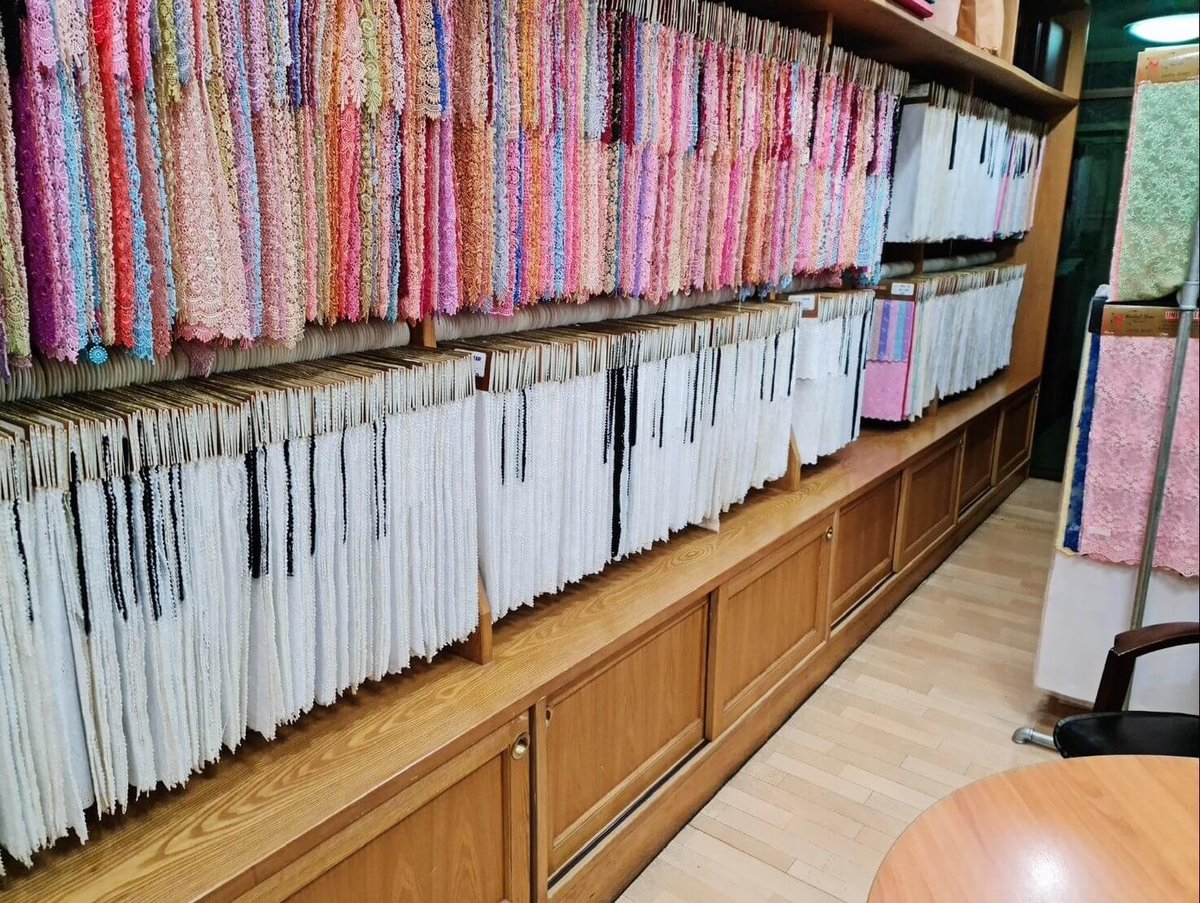
United Lace provides guidance in selecting lace fabrics that align with brand identity, design direction, and long-term business growth.
Explore more lace fabrics:
https://www.unitedlace.com/products.html
Lace fabric advice and inspiration:
https://www.unitedlace.com/
Conclusion
Lace fabric is no longer limited to evening gowns or bridal wear. Today, it plays an increasingly important role in contemporary Thai fashion.
By combining the artistry of traditional Thai culture with modern design techniques, lace has become a key element in creating sophisticated Songkran garments.
For designers and manufacturers, choosing the right lace — whether Cotton Lace, Guipure Lace, or Chantilly Lace — can significantly enhance the value of a fashion collection.
As the Thai fashion industry continues to evolve, lace remains one of the most powerful materials for expressing elegance, cultural identity, and modern creativity.
FAQs
Why is lace suitable for Songkran fashion?
Lace fabrics are breathable and lightweight, making them comfortable in Thailand’s hot climate. Their floral and nature-inspired patterns also reflect the freshness and renewal associated with the Songkran festival.
Which lace fabrics are best for Songkran clothing?
Popular choices include:
• Cotton Lace for breathable comfort
• Guipure Lace for structured designs
• Chantilly Lace for delicate elegance
• Eyelet Lace for summer casual style
What is contemporary Thai Songkran fashion?
Contemporary Songkran fashion blends traditional Thai garments with modern fashion design elements, such as lace fabrics, innovative silhouettes, and lightweight summer materials.
How do designers use lace in Songkran collections?
Designers commonly incorporate lace in several ways:
• Lace sleeves
• Lace sabai shawls
• Lace dress overlays
• Lace skirt trims
How does lace increase the value of fashion garments?
Lace conveys luxury, craftsmanship, and design complexity. Garments made with lace often appear more premium, allowing fashion brands to position their collections in higher-value market segments.
Does Songkran influence Thailand’s textile market?
Yes. Songkran significantly boosts demand for lightweight summer fabrics, making it one of the most active seasonal markets for Thai textile suppliers and fashion brands.